In the last decade, over a million pangolins have been stolen from the wild and illegally traded across the world, killed for their meat and scales. Data from just 2019 alone showed that a pangolin was poached every three minutes.
Such staggering losses have left these shy and unique creatures on the brink of extinction.
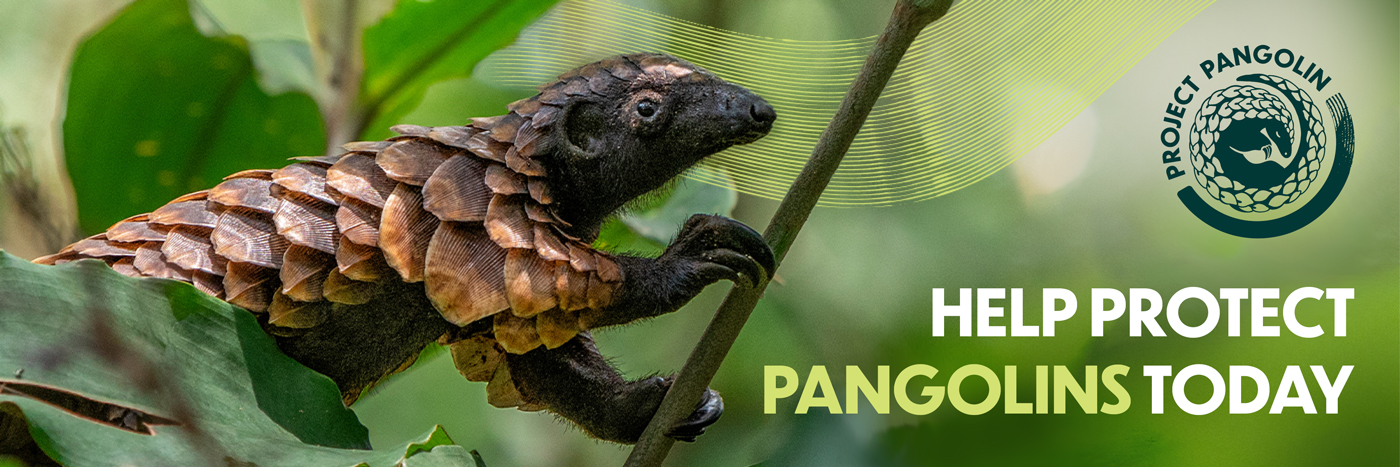
Together we must take action to protect pangolins before it’s too late.

We’ve launched Project Pangolin to raise as much as we can for WLT projects around the world that support pangolin conservation. From Nepal to Uganda, your donations will enable our partners to keep more pangolins in the wild where they belong.
Here are the seven species of Pangolin protected by
WLT funded reserves:
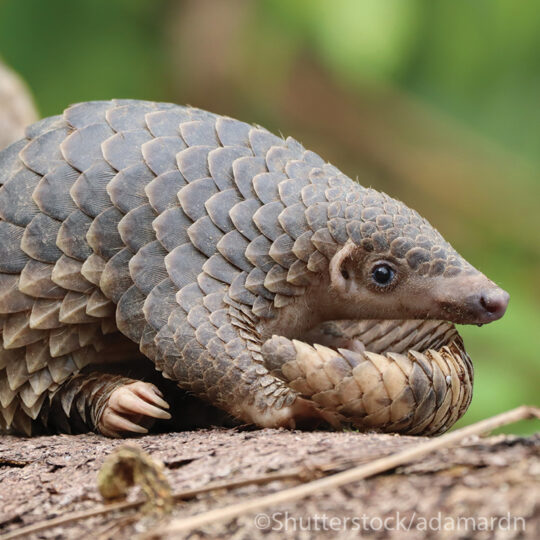
Scientific name: Manis javanica
IUCN Red list: Critically Endangered
PROTECTED BY WLT FUNDED RESERVES IN:
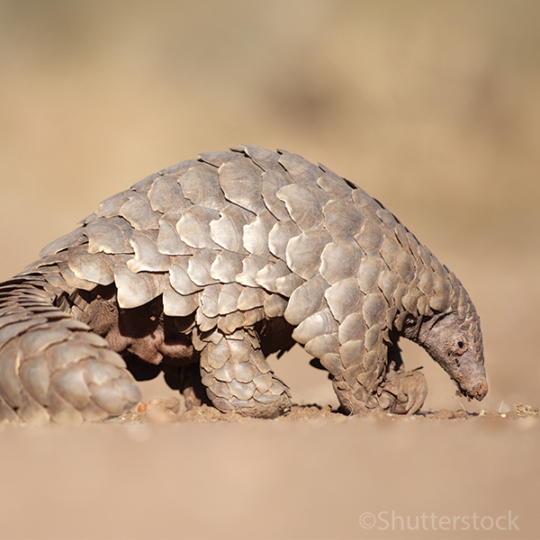
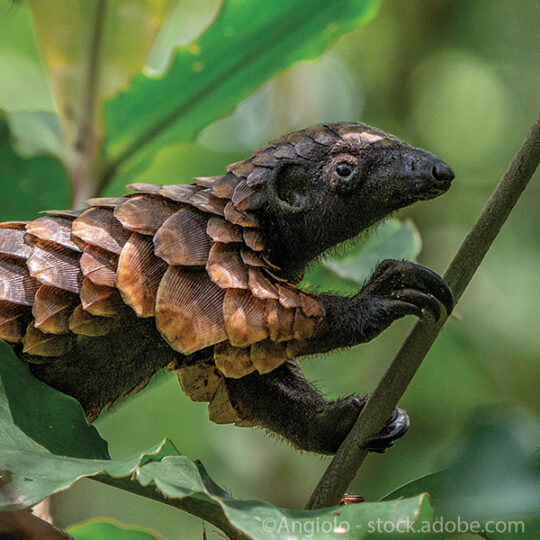
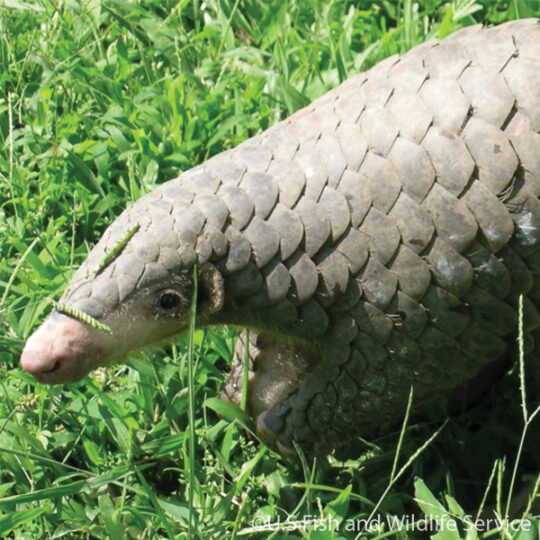
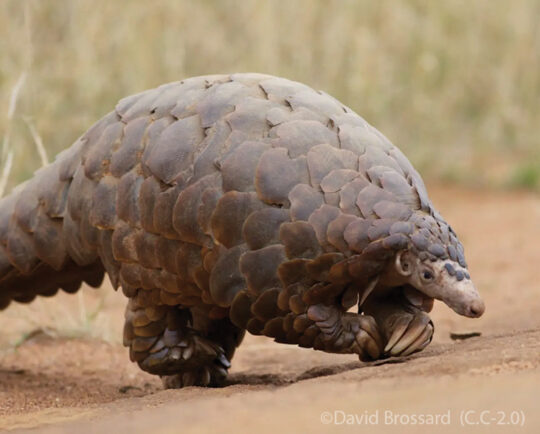
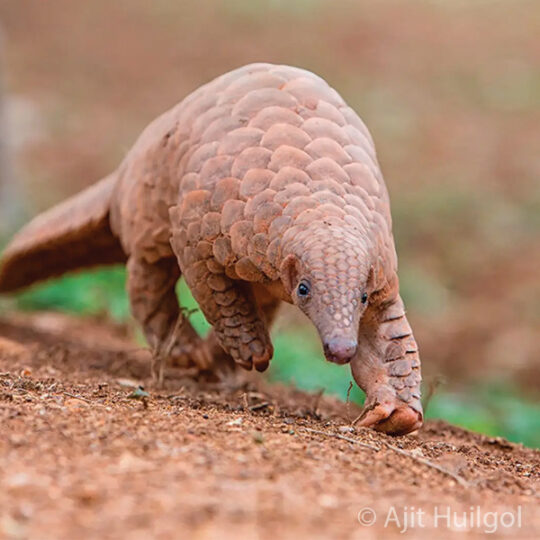
1 – Pangolins are the only mammals in the world covered in scales. Their overlapping scales are made of keratin, the same material as human nails and hair.
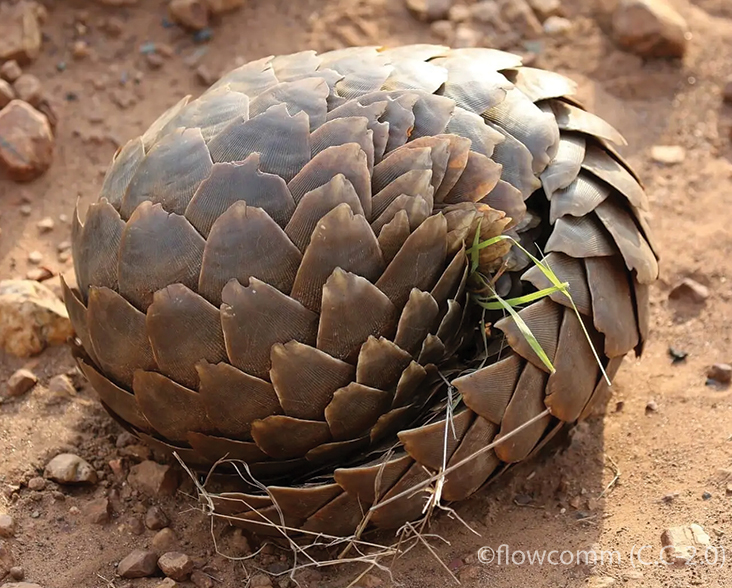
2 – When threatened, pangolins curl up into a protective ball, exposing their scales to any potential predator. This behavior gives them their name, pangolin, which is derived from the Malay word “penggulung” meaning “roller.”
3 – Pangolins are insectivores, primarily feeding on ants and termites using their long sticky tongues. In fact, a pangolin’s tongue can extend up to 40 centimeters.
4 – Thanks to their long tongues, a single pangolin can eat as many as 70 million insects per year. This means that pangolins play a crucial role in their ecosystems by helping to control the insect population.
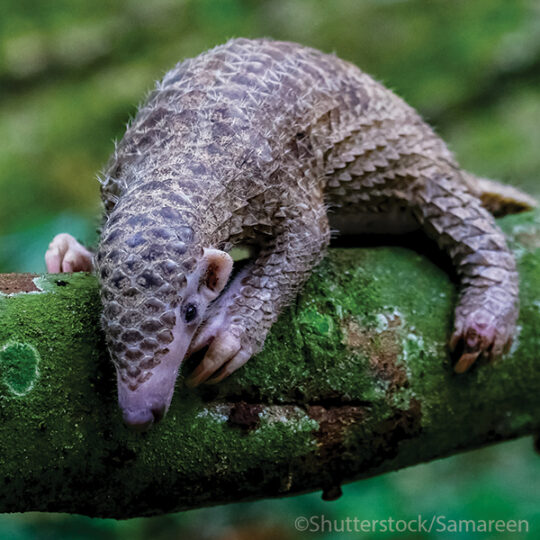
5 – Baby pangolins are often affectionately known as ‘pangopups’. Just after birth, females protect their pangopups in underground burrows to give their soft pink scales time to harden for protection. After that, you can usually find a pangopup clinging to its mother’s scaly tail.
Without urgent protection, these remarkable animals will remain defenseless against the threats of human cruelty and habitat loss. We must act before they disappear forever.
Donate now and help us protect pangolins today!