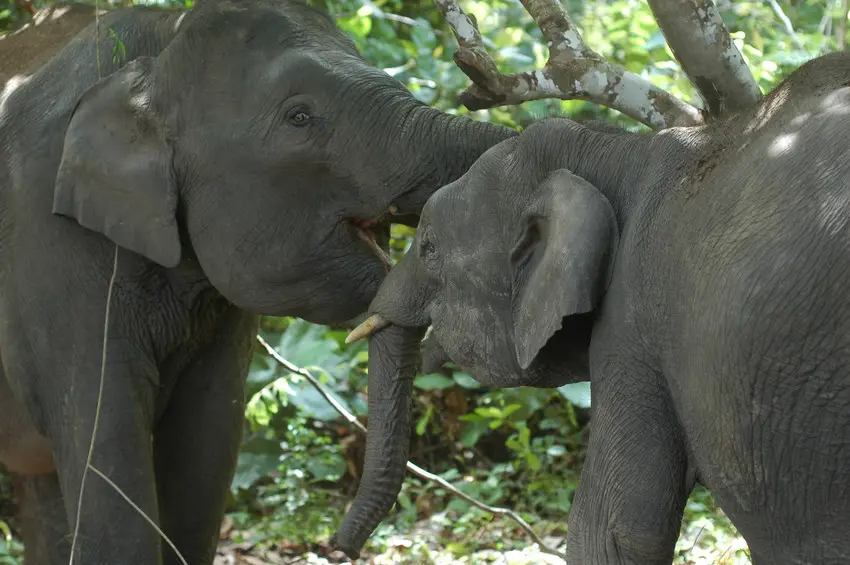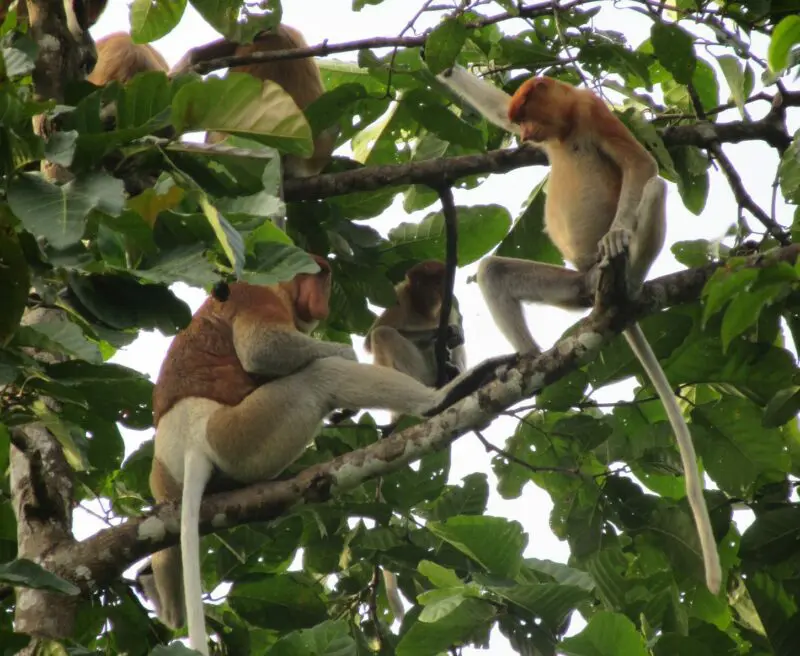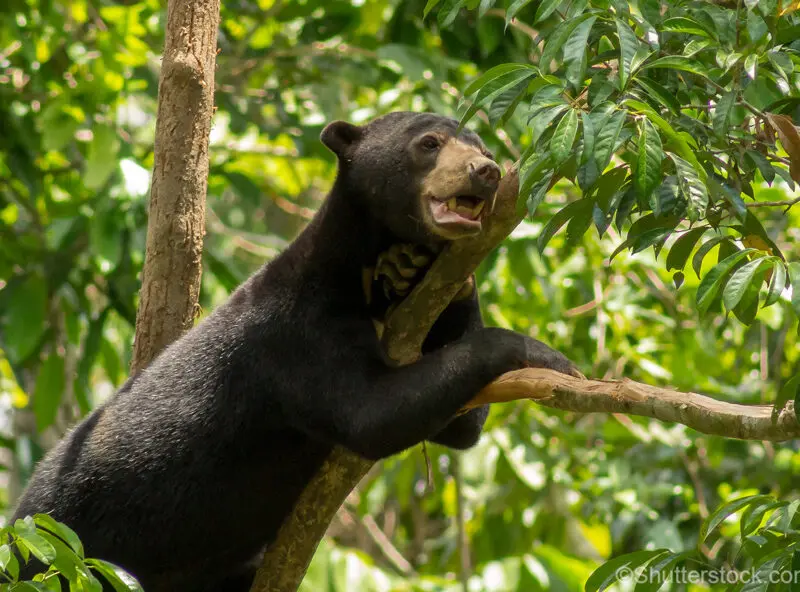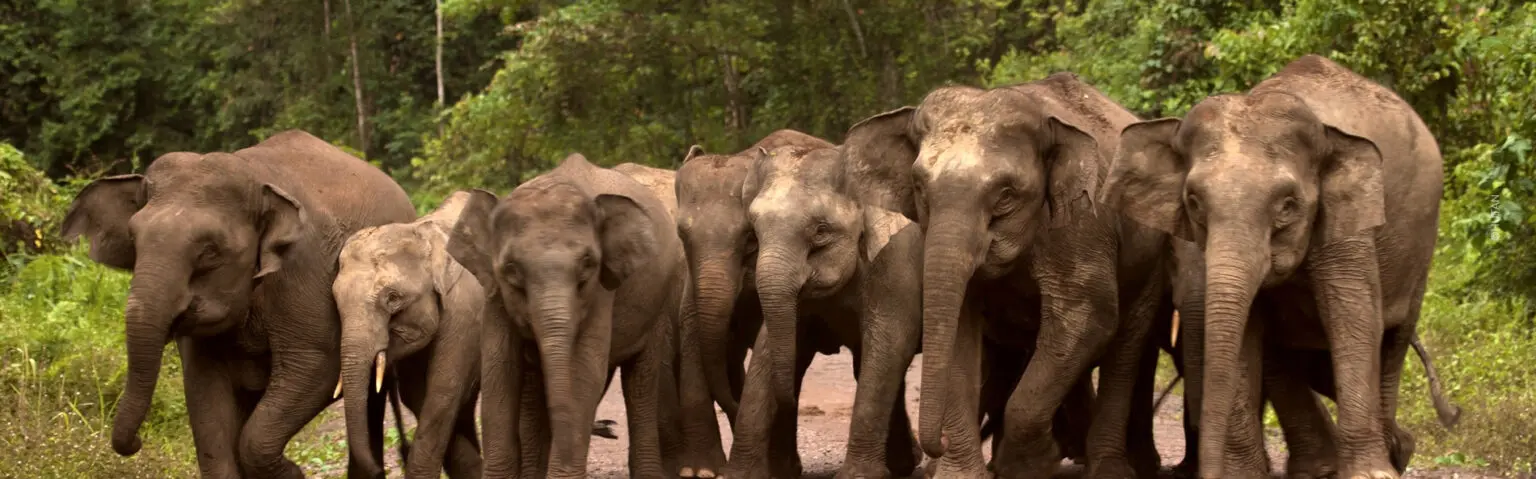
Brimming with biodiversity, the rainforests of Malaysian Borneo are some of the oldest in the world and provide habitat to a vast wealth of rare, threatened, and endemic species like Bornean Pygmy Elephant, the Sun Bear, and 10 species of primate including the Bornean Orang-utan and Proboscis Monkey. At least 600 bird species reside here, eight of which belong to the hornbill family. The region is also bustling with plant life, including a plant with the world’s largest individual flower – Rafflesia arnoldi which is also known as corpse lily due to it emitting a strong odour of decaying flesh.
Malaysian Borneo comprises the states of Sabah and Sarawak and is home to the Kinabatangan floodplain, a globally recognised Important Bird Area (IBA), Key Biodiversity Area (KBA). It also falls within the Sundaland Biodiversity Hotspot which is one of the biologically richest hotspots on earth. About 40% of the 215 species of mammals found in the state of Sabah are considered to be of conservation concern. A significant cause of this is due to habitat fragmentation by oil palm plantations driven by worldwide demand for palm oil, as well as intense logging and forest fires. As a result, between 2002 and 2019 Malaysian Borneo experienced a 17.9% loss in primary forest.
Our Partners in Malaysian Borneo
-

Hutan
To study and conserve threatened habitats and wildlife species in Sabah and promote the sustainable management of natural ecosystems through a holistic, community-led programme and innovative cross-sectoral partnerships.
Our projects in Malaysian Borneo
Expansion of Pangi and Keruak Corridors
This project is focused on the creation of two corridors located in the Kinabatangan floodplain. These include the Keruak Species Corridor and the Keruak Virgin Jungle Reserve.
The Keruak Species Corridor has been supported by WLT since 2013, and aims to establish a 182-hectare riverine forest corridor to connect two fragmented protected areas near the village of Sukau.
The Keruak Virgin Jungle Reserve corridor project also involves the purchasing of land to buffer and protect the southwest corner of Pangi Virgin Jungle Reserve.
Both corridors are located within the Kinabatangan floodplain and their creation will enable species to move freely along the Kinabatangan River and ensure their long-term survival. The projects also tackle the erosion of riverbanks, which will protect local freshwater fisheries to the benefit of local communities for whom the river is a primary socio-economic asset and has been relied upon for centuries to provide people with fish, their main source of protein.
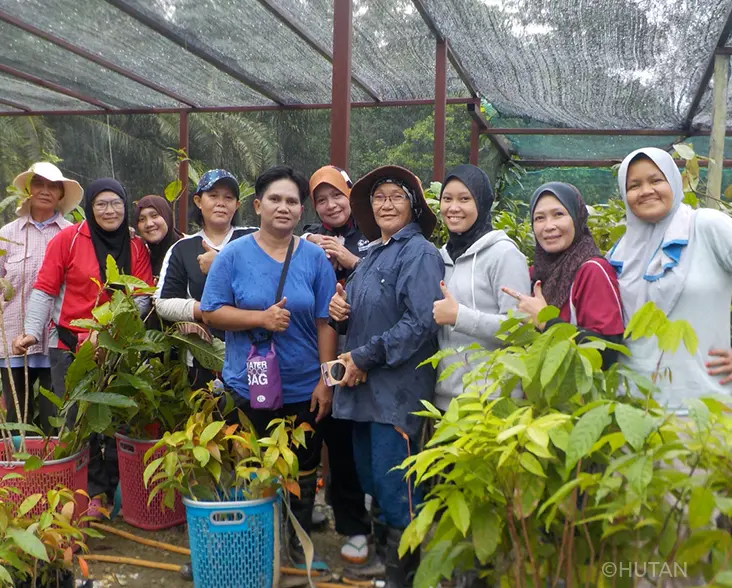
In addition to 10 permanent staff, HUTAN supports six to ten paid intern positions for month long period to other women from local communities to join the team. As well as learning reforestation methods the trainees participate in a year-long environmental education programme by HUTAN to raise awareness on the need of conserving natural habitat for species.
Reforestation at Genting Species Corridor
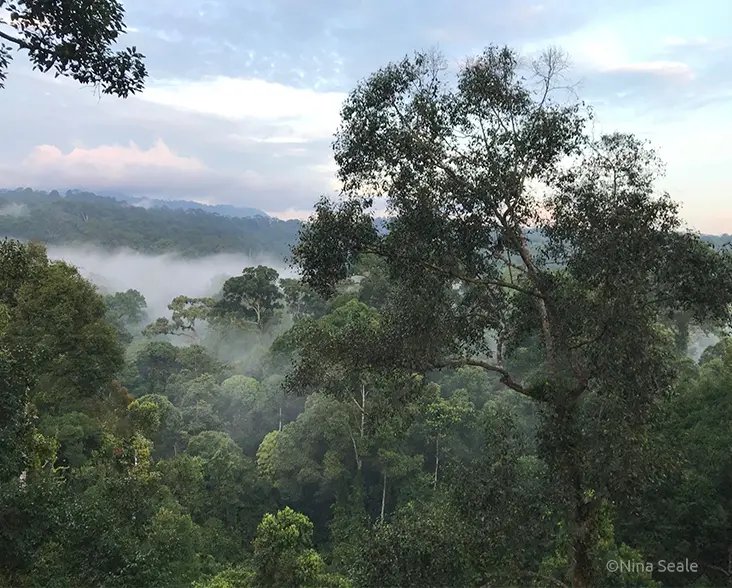
Since 2019, HUTAN has been working to restore the Genting Species Corridor in the Kinabatangan floodplain in Sabah state. This unique initiative involves the restoration of former palm oil plantations and will expand the Genting Corridor by 45 hectares. In so doing, it will enlarge the Lower Kinabatangan Species Sanctuary. The corridor will also enable species to move freely along the Kinabatangan River. In so doing, these efforts will reduce occurrences of human-species conflicts in the area. The trees planted through this restoration process include those that are native and fast-growing, and are selected to produce fruits and other edible parts for orang-utans and other species.
This project involves a collaboration and partnership between HUTAN, the Sukau community, the Sabah State Government, and the oil palm-producing company Genting Plantations.
Without the intervention of this project, this forest habitat would not recover on its own from the effects of oil palm production. The Kinabantangan floodplain has already lost 80% of its natural forest to palm oil plantations. The resulting fragmentation of the remaining habitat has led to around two-thirds of the 215 species of mammals found in the state of Sabah to be considered of conservation concern. It has also caused the isolation of certain species’ populations and disrupts migration routes, particularly for elephants. As a result, there are more frequent encounters between humans and non-human species which can lead to conflicts both in villages and large plantations.
This project places great value on Kinabatangan’s local communities, the orang sungai (which means ‘river people’ in English) tribe. The reforestation team is comprised of 10 local women from the village of Sukau who oversee planting, maintaining and monitoring seedlings of native tree species. This is significant given that very few women in Kinabatangan villages have permanent jobs.