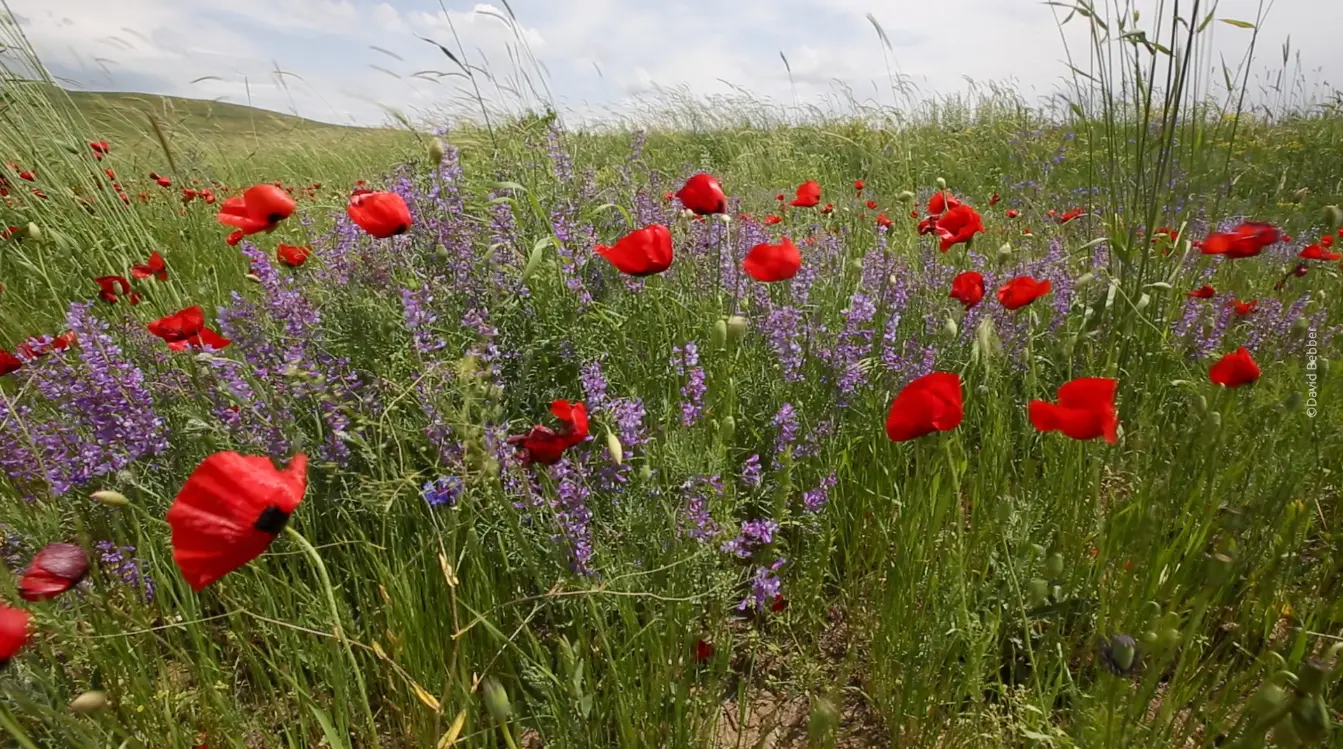
Armenia is the smallest country in western Asia’s Caucasus Biodiversity Hotspot, one of the 36 most biologically rich regions on Earth. It contains an astonishing diversity of ecosystems for a landlocked country smaller than the Netherlands, including semi-arid steppes at higher elevations, subalpine and alpine meadows between 2,200 and 4,000 m, arid steppes from below 1,000 m in the west, and humid and semi-humid forests from 500 m to around 2,400 m in the northeast.
This variety of ecosystems has produced a vast diversity of habitats, spread across a large altitudinal range in a country that sits at the junction of three biogeographical realms. As a result, Armenia is home to an extremely rich biodiversity with a high level of endemism.
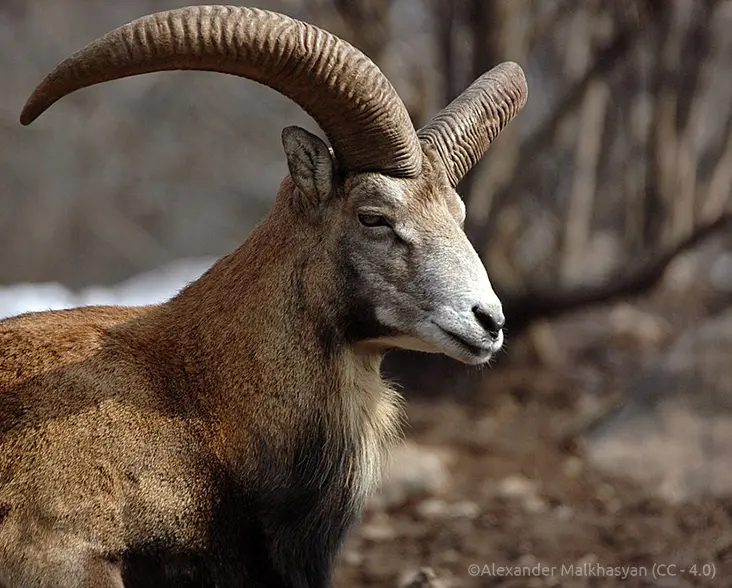
Armenia’s avifauna accounts for 60% of the vertebrate fauna in the country. Situated on both the Black Sea/Mediterranean and Central Asian Flyways, 368 species of bird have been confirmed in Armenia, including the Caucasian Grouse which is endemic to the Caucasus. Breeding species include the White-headed Duck and Egyptian Vulture (both Endangered), while the many migratory species found here include the Critically Endangered Sociable Lapwing. Armenia’s 83 mammal species include the Endangered Armenian Mouflon and the Caucasian Red Deer, listed as Critically Endangered in Armenia. 53 reptile species are also present, along with an incredible 3,800 plant species and 4,200 species of fungi.
Biodiversity in Armenia is under severe threat from human activity. Massive population growth and urbanisation over the last hundred years, together with the mass migration of rural populations to escape conflicts, have led to habitat loss and degradation and declines of plant and animal species. Intensification of agriculture, overgrazing, overfishing, timber extraction, poaching, and pollution from industry, mining and vehicles are the biggest direct drivers of biodiversity loss in Armenia. Steppes have been converted to agriculture, wetlands lost from water diversion, and forest cover reduced from 40% to 10%. To prevent the continued loss of Armenia’s rich biodiversity, WLT has been supporting our partner FPWC’s conservation work since 2010.
Our Partners in Armenia
-

Foundation for the Preservation of Wildlife and Cultural Assets (FPWC)
FPWC began in 2002 to address a lack of environmental concern in Armenia since its independence in 1991. It established the Caucasus Wildlife Refuge in 2011 through the leasing of land from local communities. Their work takes place within the Caucasus Biodiversity Hotspot and is focused on the connections between wildlife protection and environmental education. They engage with rural populations to assist with the sustainable development of their communities. Mutual respect between human beings, natural wealth, and cultural heritage is at the centre of their operations.
Our projects in Armenia
Caucasus Wildlife Refuge
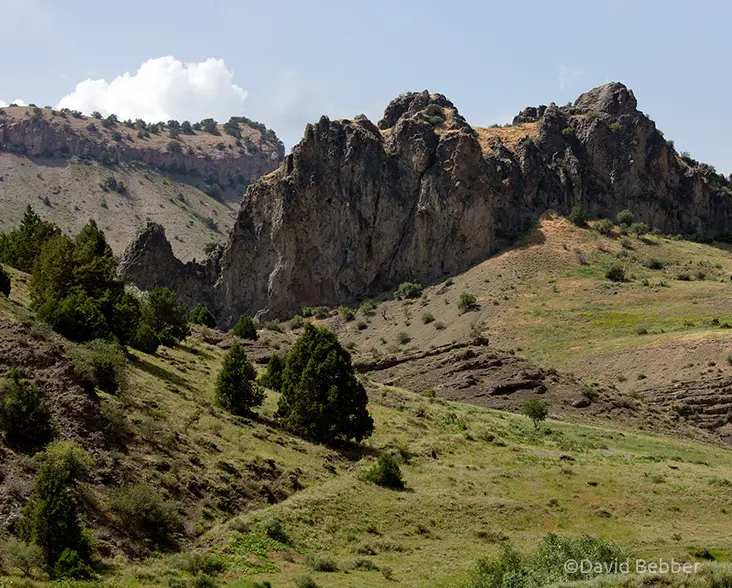
Situated in southwest Armenia buffering the Khosrov Forest State Reserve, the 30,000 ha (74,000-acre) Caucasus Wildlife Refuge (CWR) is the only privately protected area in the South Caucasus. The Foundation for the Preservation of Wildlife and Cultural Assets (FPWC) leases the land from local communities, which provides the latter with an income for village improvements.
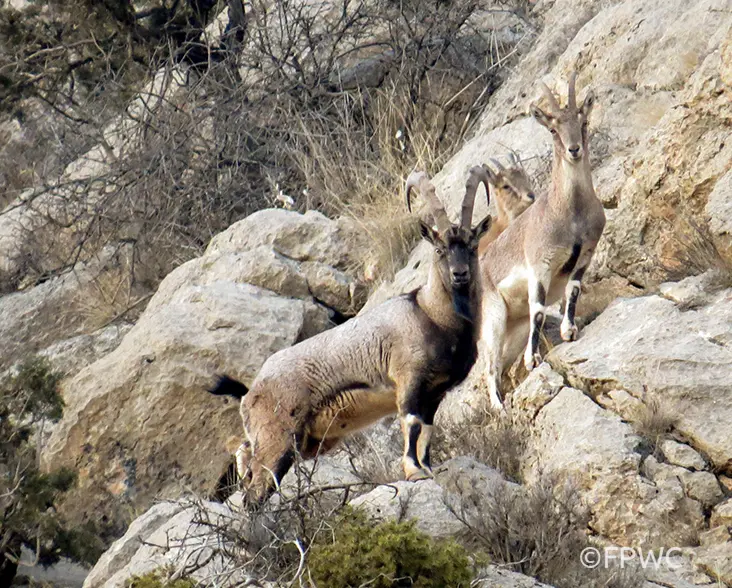
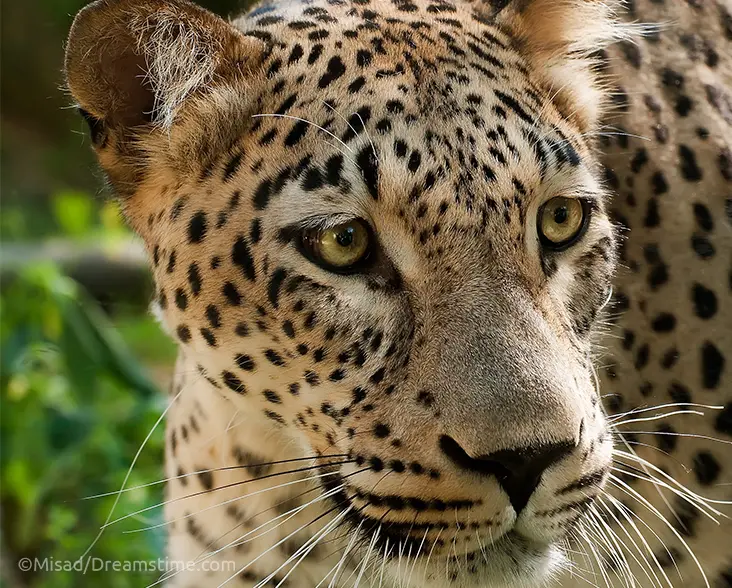
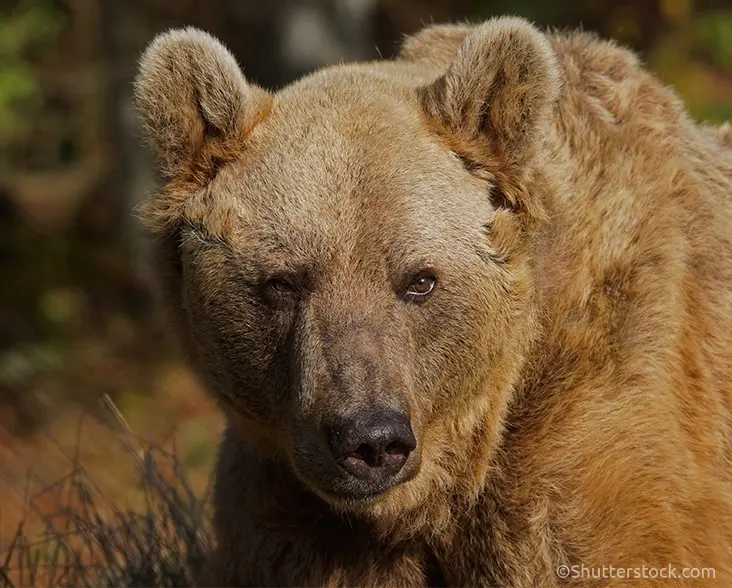
The CWR’s rich biodiversity includes Caucasian Leopard – a Critically Endangered subspecies, with only 8-13 individuals remaining in Armenia – as well as Armenian Mouflon, Syrian Brown Bear, Bezoar Goat, and Armenian Viper. Around 180 species of bird have been recorded here, among them Armenia’s four vulture species. The reserve also protects some of Armenia’s oldest juniper forests.