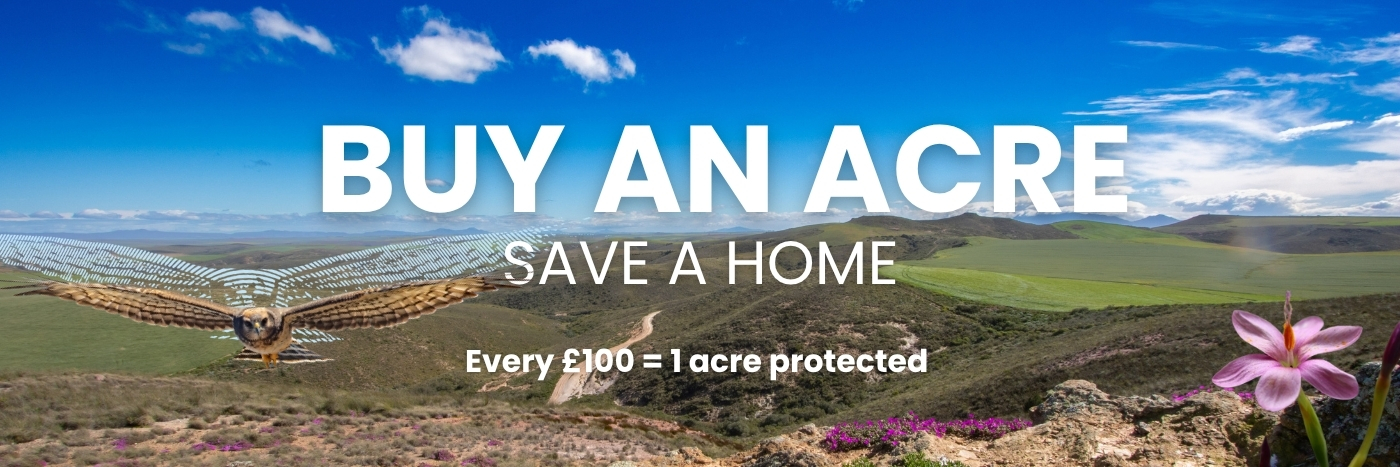
Habitat loss is the greatest threat facing wildlife worldwide. Every day the homes of countless species are being destroyed because of expanding agriculture, mining and logging. All of this leaves wildlife at a much greater risk of extinction.
With World Land Trust you can take action.
Donate today and together, we can save our wild world—acre by acre.
We believe land should be owned and managed by local people, who know the land, the threats and the wildlife best.
Your donations to Buy an Acre allow our conservation partners to purchase priority areas of land when the opportunities arise. Every acre secured through your support becomes part of a larger protected reserve in one of the world’s most threatened ecosystems, helping to restore, expand and connect important, wildlife-rich habitats.
Once land is under the ownership of our partners, it cannot be purchased by other landowners who may want to clear the habitat for cattle ranching or agriculture. This means land bought through Buy an Acre is protected forever.
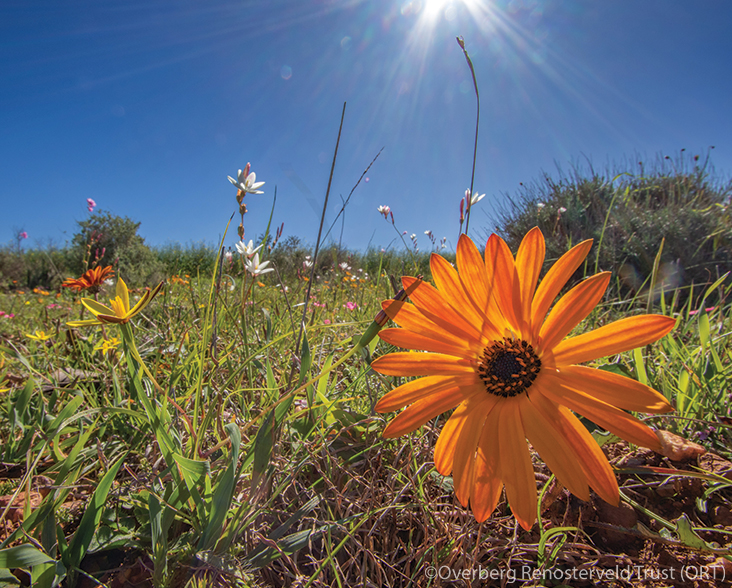
While securing land is the first crucial step, it is essential that reserves are protected long-term.
After land has been purchased with Buy an Acre funding, our partners take responsibility for its management, ensuring the day-to-day protection of the reserve and its wildlife.
To achieve this, our partners work closely with local people, often employing passionate men and women from surrounding communities as rangers. These dedicated people work tirelessly every day on the ground to preserve land and protect it from ongoing threats.
As our longest-running programme, Buy an Acre has a track record of success. Supporters have enabled the protection of thousands of acres at reserves across the world. Our current Buy an Acre projects include:
By donating to Buy an Acre today, you will help to fund projects just like these. Your support will actively contribute to the preservation of safe homes where wildlife and communities can thrive together for years to come. You can read more about the impact of our Buy an Acre supporters, here.
the protection of 0 Acres