One of the most mountainous countries in Central America, Honduras lies within the Mesoamerica Biodiversity Hotspot and is home to astonishing biological diversity.
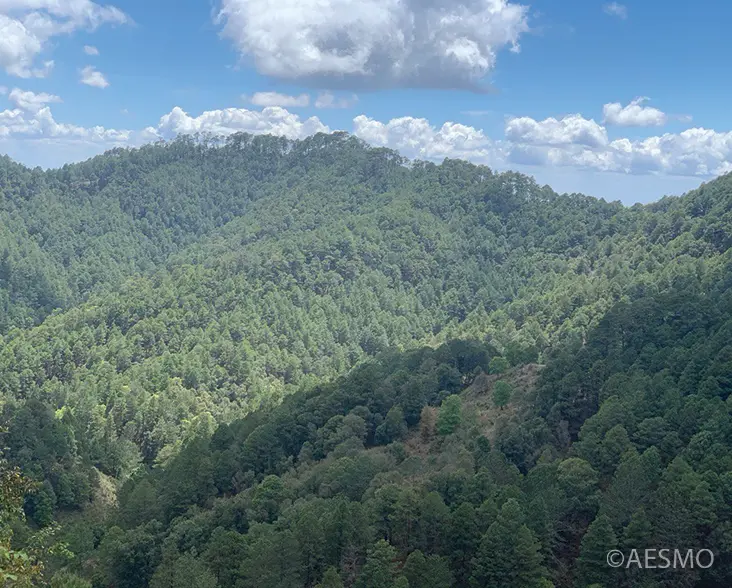
Making up around 80% of the country, the interior highlands separate the lowlands along the Caribbean and Pacific coasts and rise to 2,849 m, producing a varied climate that is hot and humid with higher rainfall in the north and east, cooler in the highlands and dryer in the south. Around 55% of Honduras is forested, with montane mixed forest and pine-oak forests in the highlands, dry forest in the foothills, tropical moist broadleaf forests in the northern lowlands, and coastal pine forests. Mangroves occur along both coastlines, while off the Caribbean shore lies part of the Mesoamerican Reef, the second-largest barrier reef in the world.
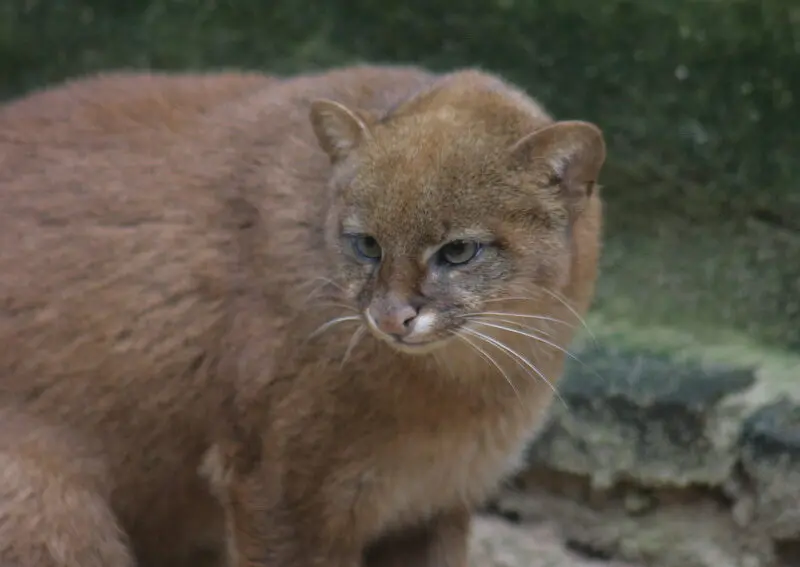
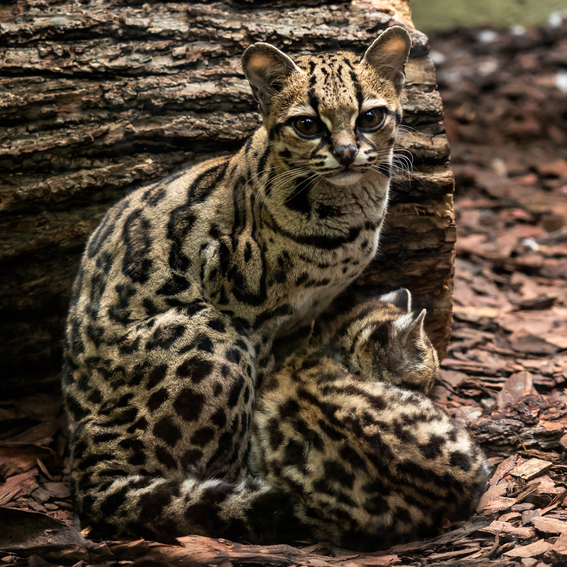
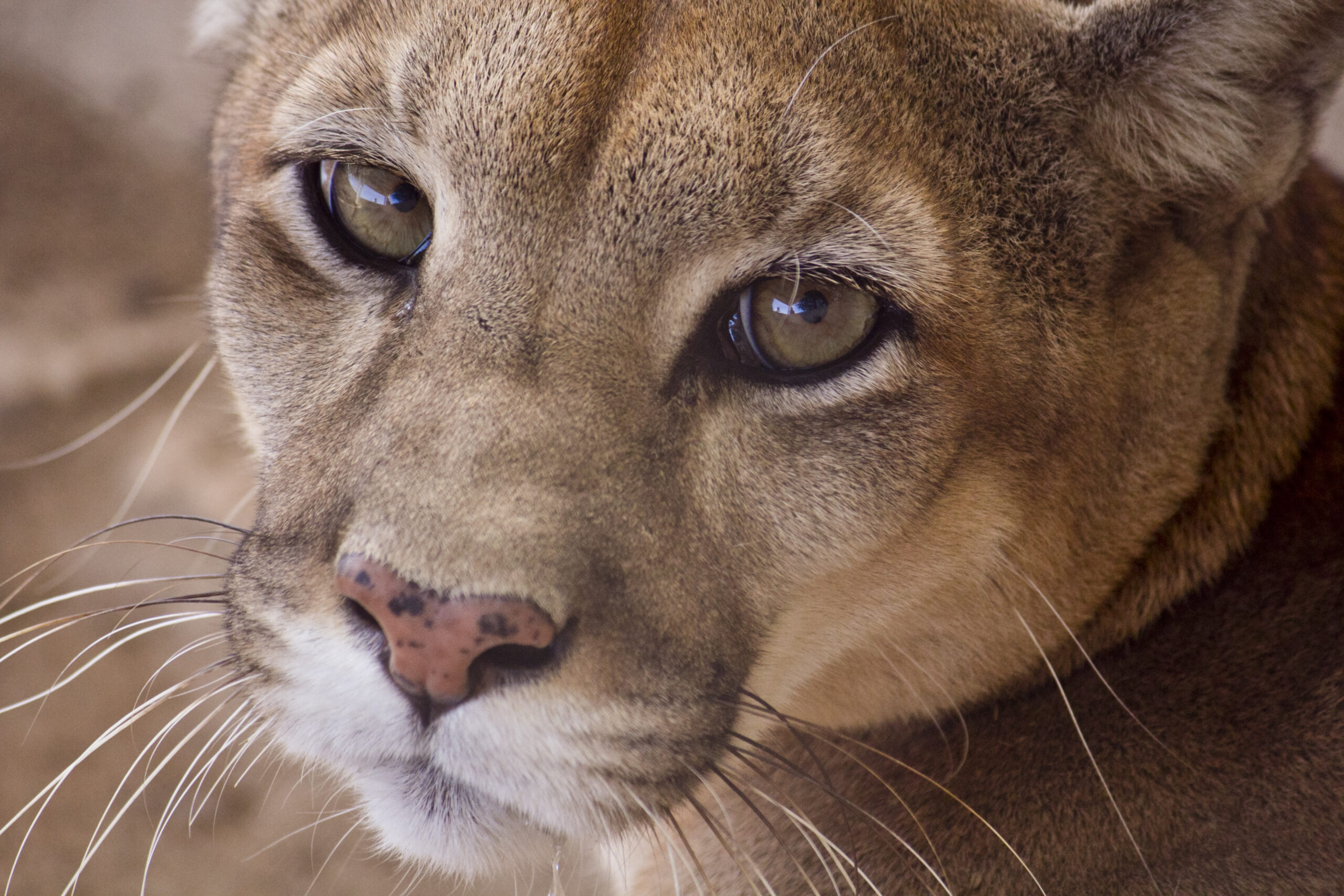
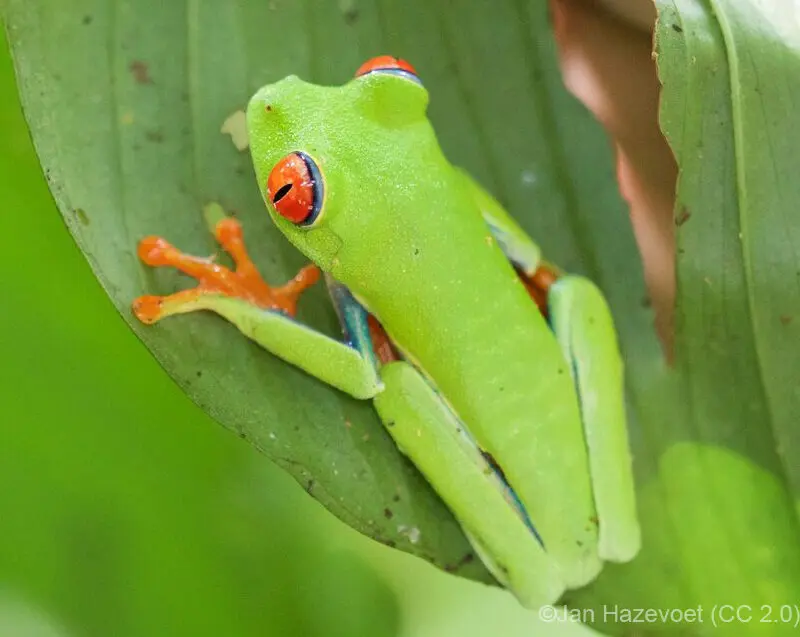
Honduras’s exceptional biodiversity is just as diverse as its habitats. A rich avifauna of 710 species includes the threatened Yellow-naped Amazon (Critically Endangered), the endemic Honduran Emerald (Vulnerable) and the wintering Golden-cheeked Warbler (Endangered). The 220 mammal species include the Geoffroy’s Spider Monkey (Endangered) and West Indian Manatee (Vulnerable). Nearly 50% of the 153 amphibian species are threatened with extinction, including the endemic Honduras White-lipped Frog (Critically Endangered). Plant diversity includes an astonishing 630 species of orchids.
Rapid deforestation threatens much of the terrestrial biodiversity of Honduras, with extensive cattle ranching, oil palm and coffee plantations, slash-and-burn subsistence farming, illegal logging, pests, and forest fires being the main causes. Between 2010 and 2021, 10% of the country’s forests were lost. WLT has been supporting the conservation work of our partner, Asociación Ecológica de San Marcos de Ocotepeque (AESMO), since 2011.
Our Partners in Honduras
-
Asociación Ecológica de San Marcos de Ocotepeque (AESMO)
AESMO work in western Honduras, in the management of watersheds and protected areas, in alliance with communities and other local, national and international actors. AESMO applies a landscape approach and develops shared governance processes for conservation and sustainable management of water, biodiversity and soil, contributing to the improvement of the quality of life of the population.
Our projects in Honduras
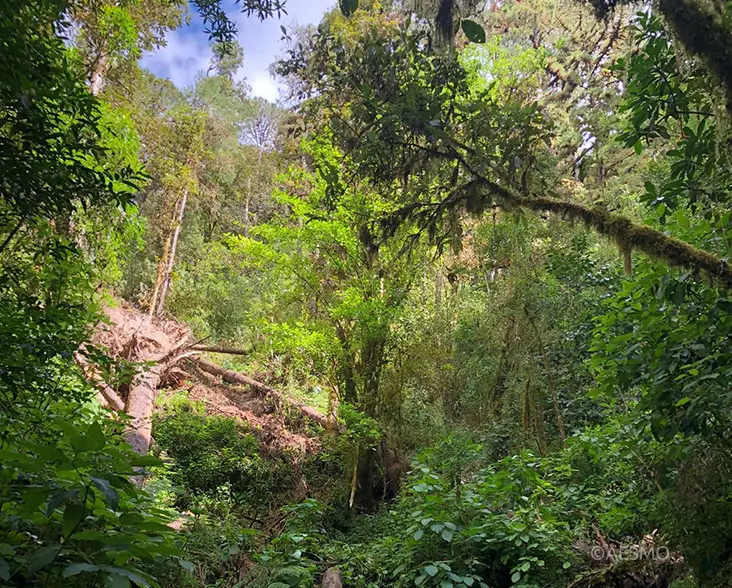
Trifinio Conservation Corridor
WLT partner Asociación Ecológica de San Marcos de Ocotepeque (AESMO) is working to protect the biologically diverse forests and watersheds of western Honduras by establishing a biological corridor between Trifinio-La Fraternidad Biosphere Reserve and the Cacique Lempira, Lord of the Mountains Biosphere Reserve.
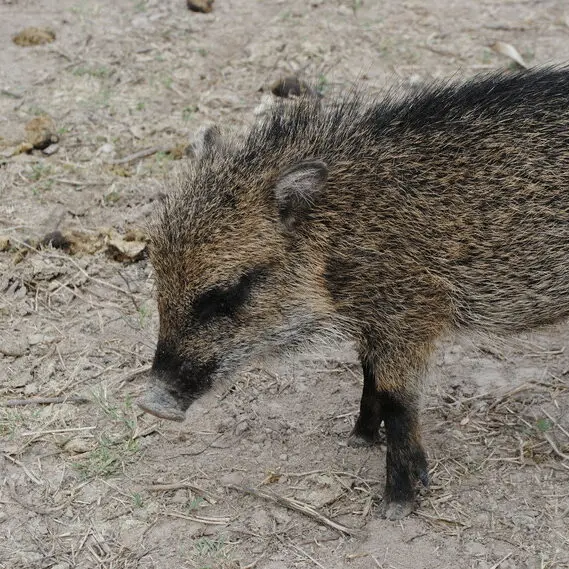
Situated within the Mesoamerica Biodiversity Hotspot, these broadleaf cloud forests and coniferous forests are home to threatened mammals like the Geoffroy’s Spider Monkey (Endangered) and White-lipped Peccary (Vulnerable), birds such as the Golden-cheeked Warbler (Endangered), and amphibians including the Cerro Pital Salamander and Honduras White-lipped Frog (Critically Endangered).
This rich biodiversity is threatened by expanding coffee plantations and cattle pastures, forest fires, hunting, and mining concessions. With WLT funds, AESMO will purchase properties through co-ownership with participating local stakeholders, increasing forest protection and connectivity and safeguarding clean water supplies for local rural communities. WLT will also support AESMO with the pilot restoration of 10 ha of degraded land and with capacity-building to ensure the project’s long-term sustainability.