Guatemala is located in Central America within the Mesoamerica Biodiversity Hotspot. Bordered by Mexico and Belize to the north and Honduras and El Salvador to the south, Guatemala stretches from the Pacific Ocean to the Caribbean Sea, covering an area just under half the size of Britain.
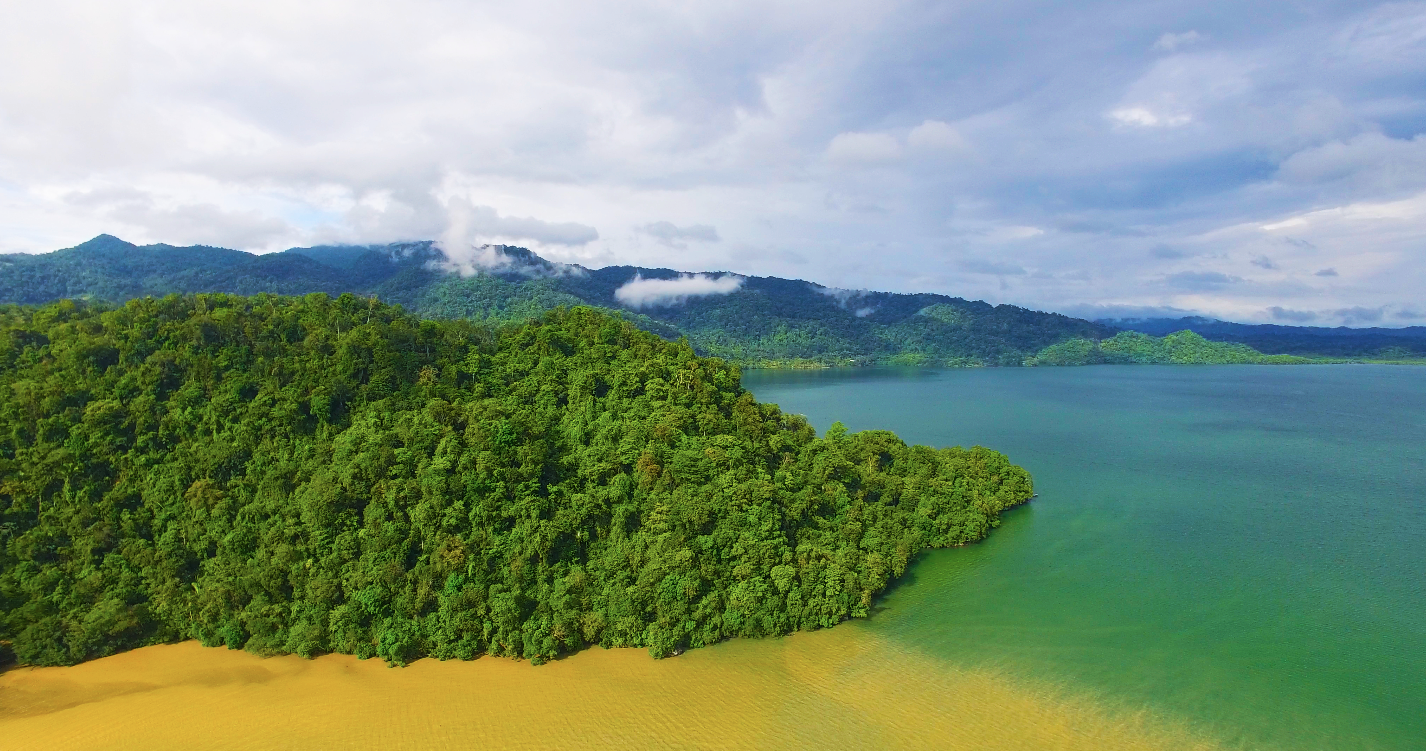
Divided into the lowland north and volcanic mountainous south, Guatemala has a wide range of terrestrial ecosystems and habitats, with a varied climate. Dense tropical and subtropical moist broadleaf forests cover much of the Yucatán Peninsula and Caribbean lowlands with vast wetlands and lagoons in the east, while in the south premontane mixed pine-oak forests, montane mixed forest and arid thornscrub give way to dry forest and mangroves along the Pacific Coast.
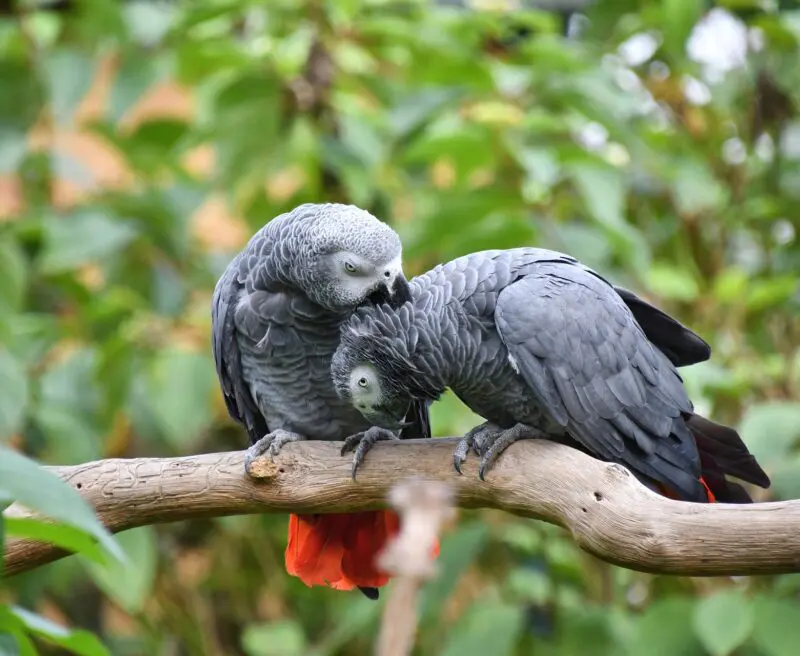
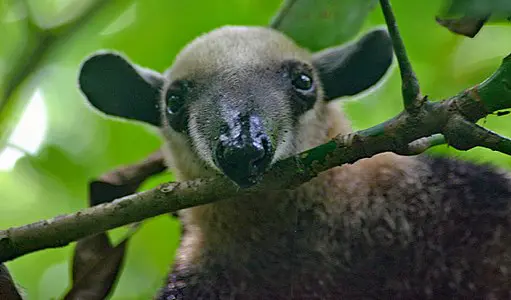
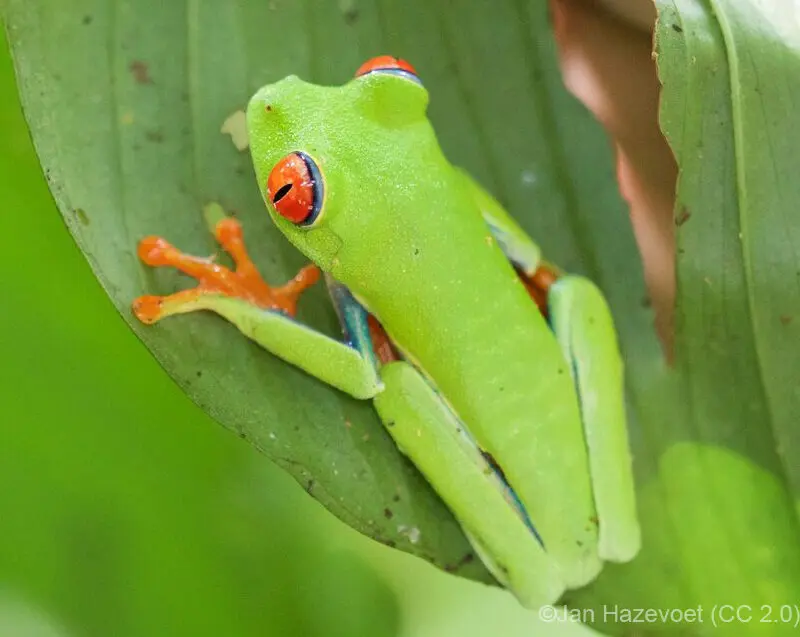
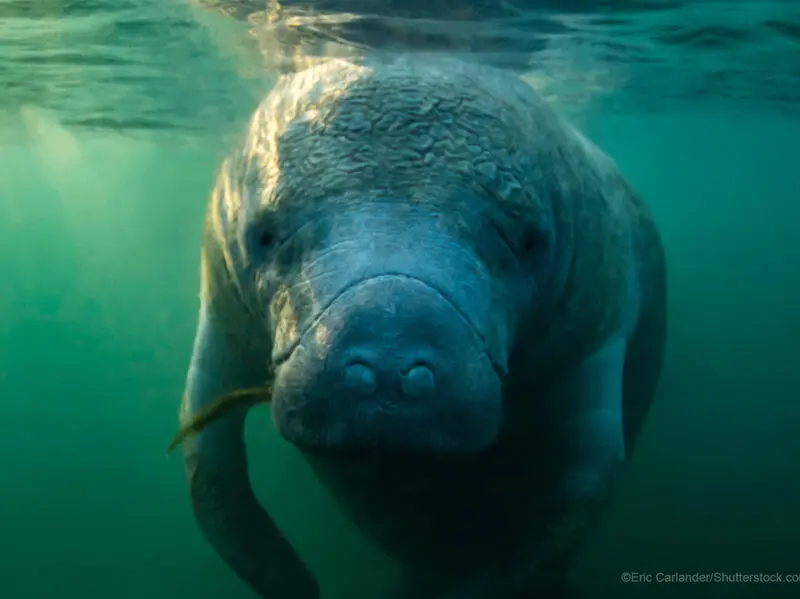
Of the 698 bird species recorded in Guatemala, 19 are globally threatened, including the Yellow-naped Amazon (Critically Endangered) and Horned Guan (Endangered). The 192 species of mammals include the Yucatán Black Howler Monkey, Baird’s Tapir (Endangered), West Indian Manatee (Vulnerable) and some of the world’s richest bat biodiversity, with 104 species including the endemic Myotis cobanensis known only from two specimens. Guatemala is also home to 275 species of reptiles and 163 amphibian species, including the threatened Sanderson’s Streamfrog and Perkins’ Treefrog (Endangered).
High rates of deforestation since the 1980s, driven by rapid population growth and expanding agro-industries, is the biggest threat to Guatemala’s terrestrial biodiversity. Intensive cattle farming—often linked with drug trafficking—along with monoculture plantations such as oil palm and sugar cane, compete with open-cast mines for land, illegally clearing forest while forcing small indigenous slash-and-burn subsistence farmers, the majority living in poverty with no alternative livelihoods, to relocate further into the forest. To prevent the continued loss of Guatemala’s rich biodiversity, WLT has been supporting the conservation work of our partner, FUNDAECO, since 2008.
Our Partners in Guatemala
-
Foundation for Ecodevelopment and Conservation (FUNDAECO)
FUNDAECO have worked for 33 years to protect and manage nature reserves throughout Guatemala. They work to balance the needs of local communities and wildlife in jointly agreed land use plans, and helps to ensure that agricultural practices around reserves are sustainable.
FUNDAECO is a founding member of the Guatemalan National Association of Environmentalists (ASOREMA) and the Tri-National Alliance for the Conservation of the Gulf of Honduras (TRIGOH).
Our projects in Guatemala

Conservation Coast
Guatemala’s Caribbean coastline lies within one of the most wildlife-rich regions on Earth, the Mesoamerica Biodiversity Hotspot. With a diverse mosaic of lowland and tropical forests, lagoons, and mangrove swamps, this coastline is home to many highly threatened species. Among these are the Endangered Yucatan Black Howler Monkey , Keel-billed Motmot , and the largest native land mammal in Central and South America, Baird’s Tapir.

Laguna Grande Reserve
Established with WLT support in 2009 by partner FUNDAECO, the Laguna Grande Reserve protects 675 ha (1,668 acres) of tropical moist broadleaf forest, wetlands, lagoons and mangroves along the Sarstún River in the Caribbean lowlands of south-east Guatemala.
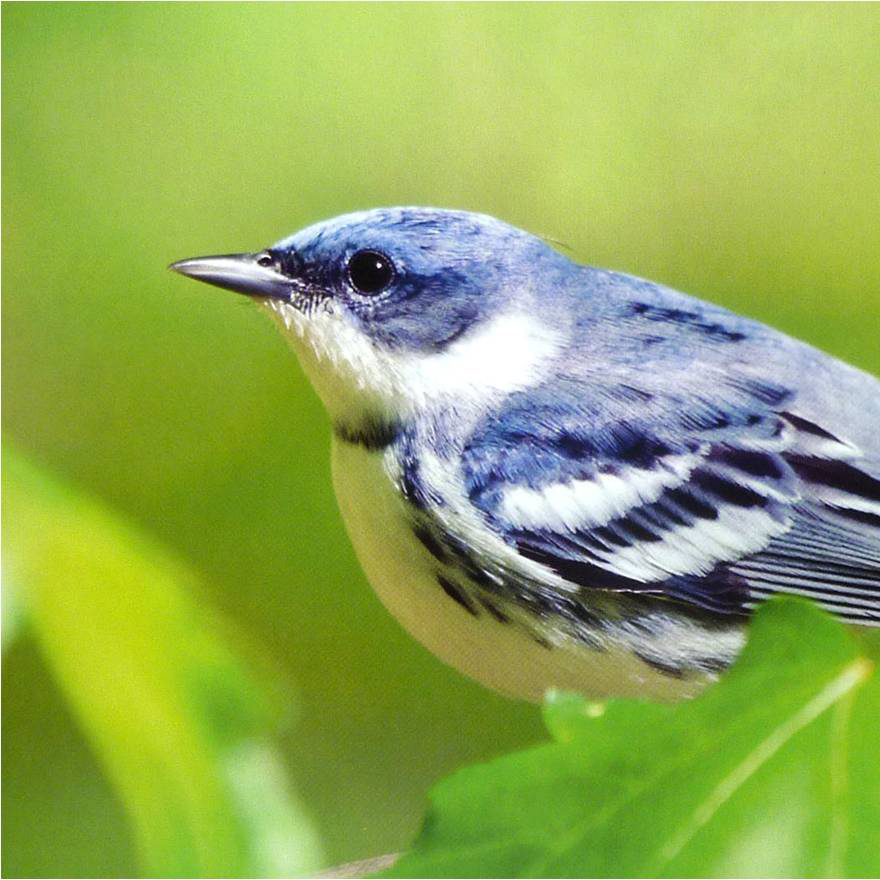
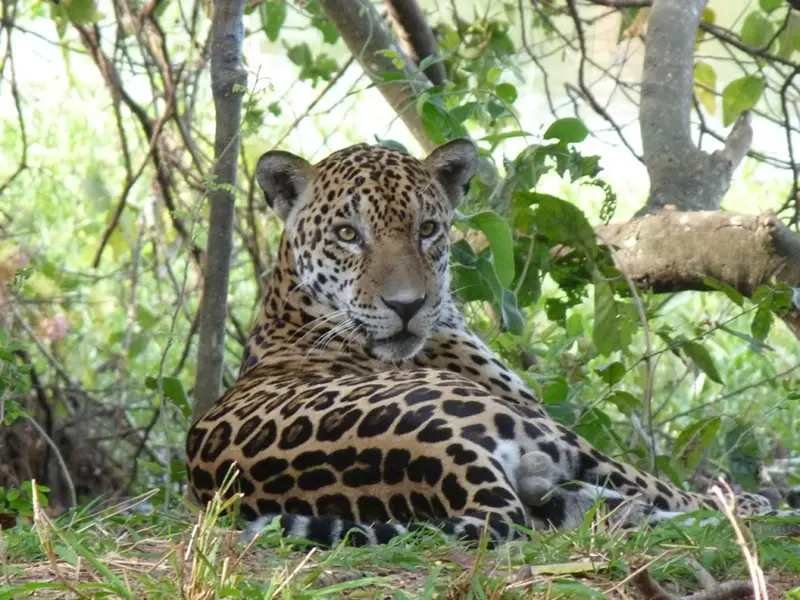
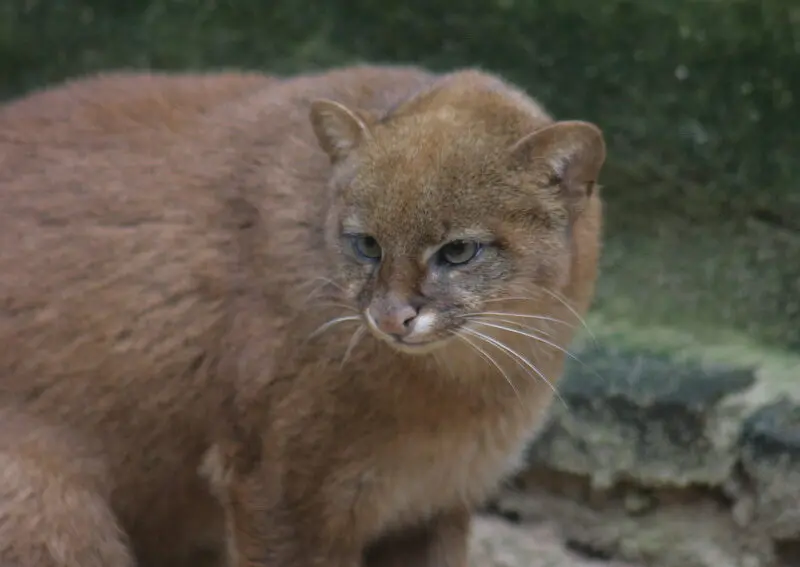
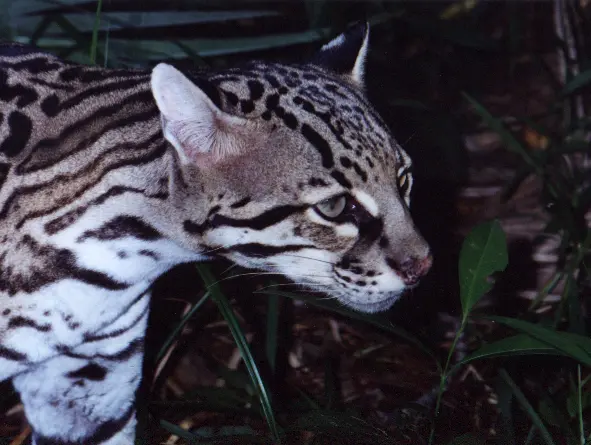
Situated within the Mesoamerica Biodiversity Hotspot and Guatemalan Coastal Slope Important Bird Area, this reserve is home to 359 species of birds and lies on a migration flyway for over 100 Nearctic species, like the Cerulean Warbler. The Yucatán Black Howler Monkey (Endangered) and five wild cat species are among the 127 mammal species found here, and the lagoon is the most important breeding ground in the region for the West Indian Manatee (Vulnerable).
Caribbean Guatemala has lost around 80% of its lowland forests to cattle ranching, slash-and-burn agriculture, and banana, oil palm and rubber plantations. With WLT funds, FUNDAECO will expand the Laguna Grande Reserve by purchasing 1,333 ha (3,294 acres) of adjoining land threatened by timber extraction while supporting community development that empowers local indigenous Mayan Q’eqchi’ communities to protect Laguna Grande’s ecosystems and biodiversity.