Reforestation

 
Restoring Forests

Healthy forests are some of the strongest defences we have against the devastating biodiversity loss and climate change we are facing as a planet.

World Land Trust has been supporting reforestation since 2006, when our partners first approached us to help restore land already in their care. We know that where habitats have been damaged or degraded, when done right, reforestation can be the foundation to helping ecosystems recover as well as reconnect fragmented landscapes and locking away carbon.

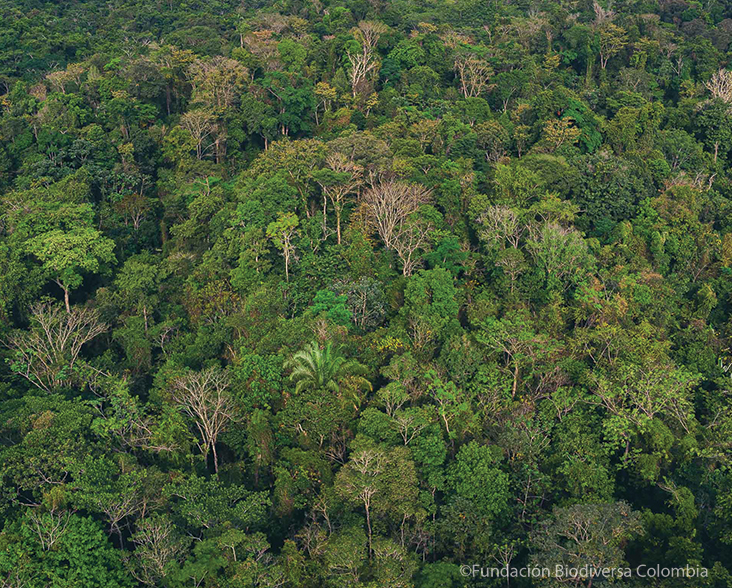
Aerial photo showing diversity of tree species in forsted areas of El Silencio
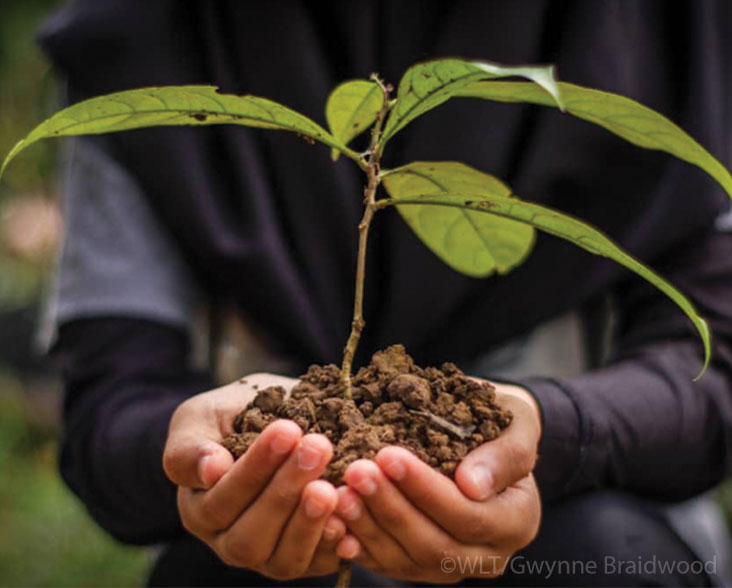
Hands holding a seedling
 
How Do We Restore Forests?

Every project is led by our partners, shaped by local knowledge, and guided by international best practice. Across all our work, we focus on three core principles:

◉ We prioritise protecting what remains.

◉ The most effective form of restoration is halting loss in the first place. Following the Kew Gardens 10 Golden Rules for Reforestation, our work first begins with safeguarding forest that is still standing before planting new trees.

◉ We put local people at the heart of reforestation.

◉ Trees survive when the people who live alongside them are involved in their protection. So, our projects always invest in local expertise, locally managed tree nurseries, and long-term stewardship.

We put local people at the heart of reforestation – Trees survive when the people who live alongside them are involved in their protection. So, our projects always invest in local expertise, locally managed tree nurseries, and long-term stewardship

We focus on quality, not just quantity – A high number of seedlings planted does not necessarily lead to a healthy forest. It is the survival of those seedlings into mature trees that truly matters. Our partners watch their planting sites closely and use only native species best suited to the landscape to give every seed the best chance of joining the forest.
 
 
Why Our Approach Works

Tree planting can be delivered cheaply, and some organisations focus on planting as many seedlings as possible at the lowest cost. But short-term planting targets can often come with low survival rates, leaving landscapes no better, and sometimes even worse off, than before.

Our partners take a different approach. We invest in the preparatory work, the nursery systems, the monitoring, and the long-term management that healthy forests require. This means the cost of planting a tree can be higher, but the results are far stronger and more durable.

We know from experience that when reforestation is done carefully and with the right expertise, survival rates can be many times higher than the figures reported in some large-scale schemes. Many organisations publicly report survival rates around 50%. Our partners consistently exceed that, because they plant the right species in the right places and care for them long after the initial planting.

As one supporter once put it, “You can buy the cheapest version and hope for the best, or you can invest in something built to last.”

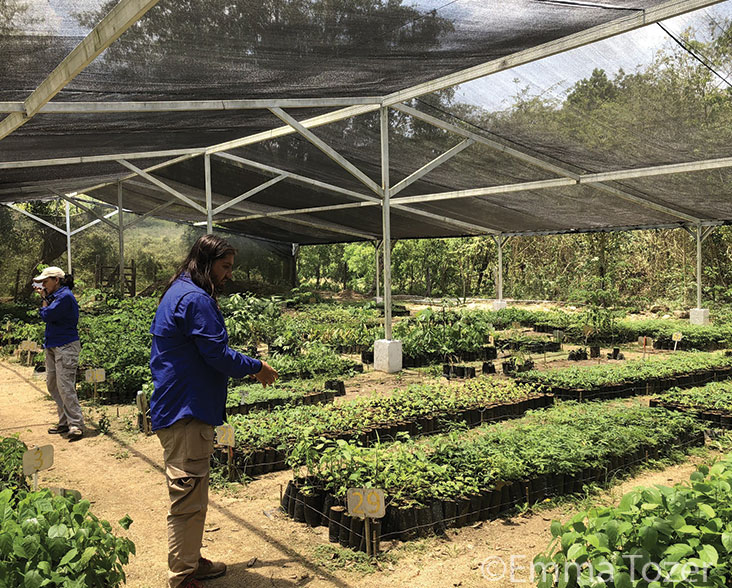
View of a tree nursery in Colombia
 

Our Commitment to Long-Term Recovery

Forests take time to establish. That is why our partners diligently monitor growth, replace seedlings where needed, and manage restored areas for not just months but years after planting. Reforestation is not a one-off activity but the process of rebuilding ecosystems and all the life that they sustain.

By working with the people who know the land best, using science-led methods, and especially protecting existing forest wherever possible, we ensure that every project has the strongest chance of delivering lasting change and rebuilding all the conditions in which forests can thrive.