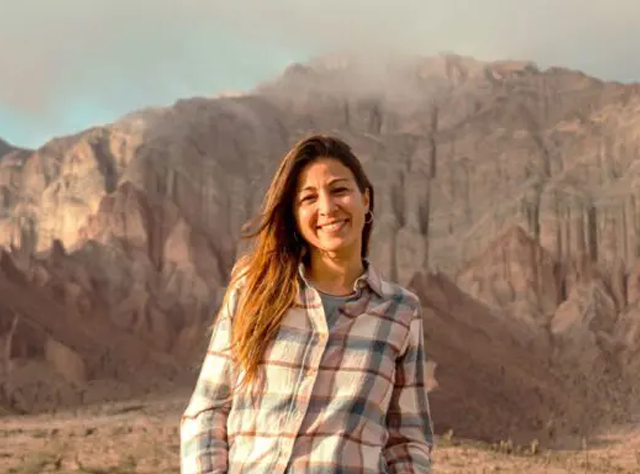
In April 2026, World Land Trust (WLT) supporters have the amazing opportunity to experience the work of our conservation partner Natura Argentina firsthand through their Discover the High Andes expedition.
This feature tells the story of Natura Argentina’s efforts to protect some of the country’s most threatened landscapes – including the breathtaking and little-known Sierra de Ambato – and describes how, through this expedition, supporters can now see these landscapes for themselves.
“I would really love WLT supporters to come and visit us. After working together for so long, it would be wonderful for them to see firsthand the impact they are making on the ground.” Lucila Castro, Executive Director of Natura Argentina.
When a plan to create a new National Park in northern Argentina’s Catamarca Province suddenly fell through, it initially felt like everything had been lost.
“For two years, we had worked towards this,” says Lucila Castro, Executive Director of World Land Trust (WLT) partner Natura Argentina. “We had the science, the community support, and approval from the provincial government. And then everything changed overnight.”
In December 2023, a change in Argentina’s national leadership brought in a wave of policies that threatened years of conservation work.
“It felt like they were trying to undo all the laws conservationists had fought for over decades. We had to find a new way forward.”
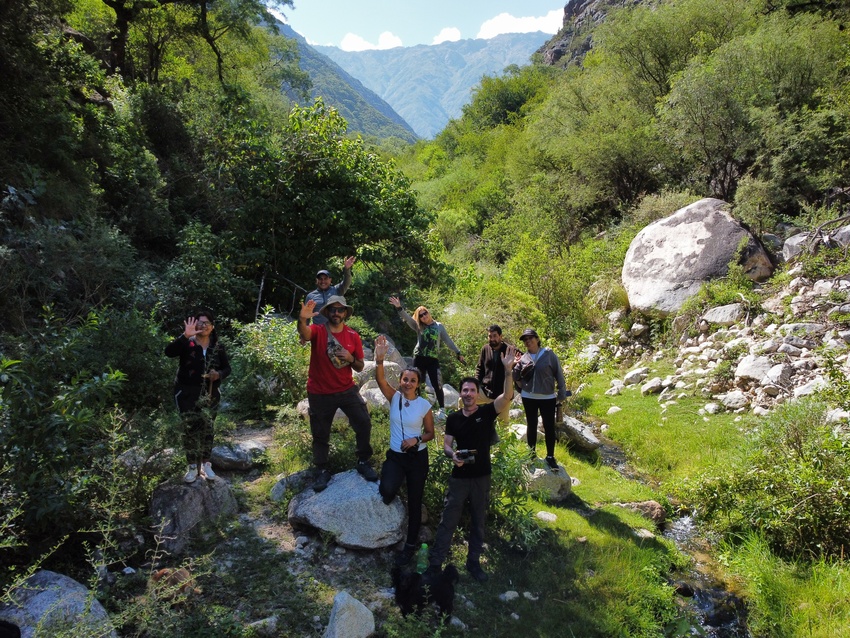
Community participation is at the heart of Natura Argentina’s work, as shown here with members of the team visiting the Kakán-Colpes Indigenous community. Credit: Natura Argentina
Humble beginnings
“We knew we didn’t just want to publish papers about beautiful places. We wanted to protect them.”
Natura Argentina began as a small group of friends – all biologists with a shared vision to protect Argentina’s most threatened habitats and wildlife. Their first discussions centred on two landscapes: one under growing pressure from mining, and another close to where Lucila grew up in Córdoba Province, a vast wetland over 1 million hectares (2.5 million acres) in size.
“We realised early on that for conservation to be truly effective, it must be rooted in people and local communities.” In 2020, they founded Natura Argentina: an NGO committed to creating large, protected areas through science and community participation.
Natura Argentina has grown significantly since then. “For the first two years, we all met in my flat because we didn’t even have an office”, Lucila laughs.
“But now, we are a team of 30 professionals from all over Argentina, and from very different backgrounds, including lawyers and community specialists. Conservation is complex, so you really need many different skills. Everyone brings a unique perspective to the landscapes we protect.”
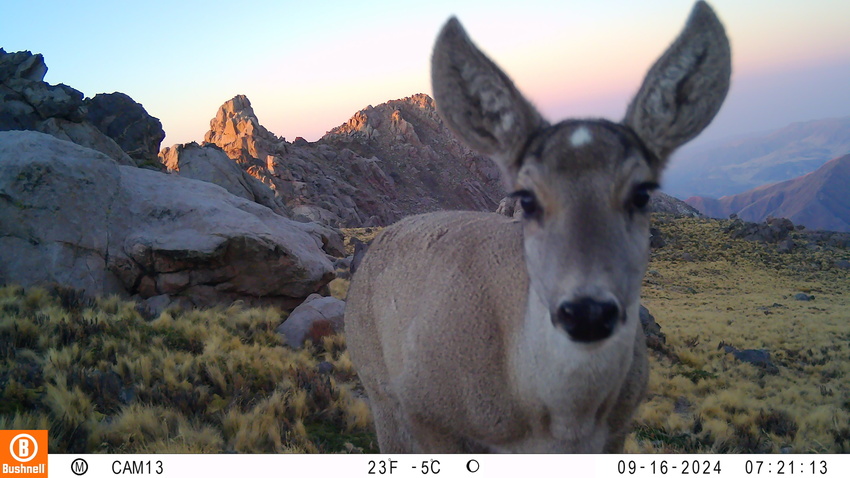
A Taruca is one of many rare species benefitting from Natura Argentina’s conservation efforts in the Sierra de Ambato. Credit: Natura Argentina
Sierra de Ambato: a long-standing partnership with WLT
One of these landscapes Natura Argentina is fighting to protect is the Sierra de Ambato – an extraordinary region of salt flats, forests, and mountains found in northern Argentina’s Catamarca Province. “It’s incredibly rich in threatened wildlife because it’s the southernmost reach of the Yungas forest,” Lucila explains.
In 2023, with funding from World Land Trust (WLT), Natura Argentina began preparations for an ambitious new project to create Catamarca’s first National Park within the Sierra de Ambato.
But just as the project was gaining traction – with backing from local communities and the provincial government – Argentina’s national election in December 2023 brought a new government to power and with it, national support disappeared, undoing the progress they had fought so hard to achieve.
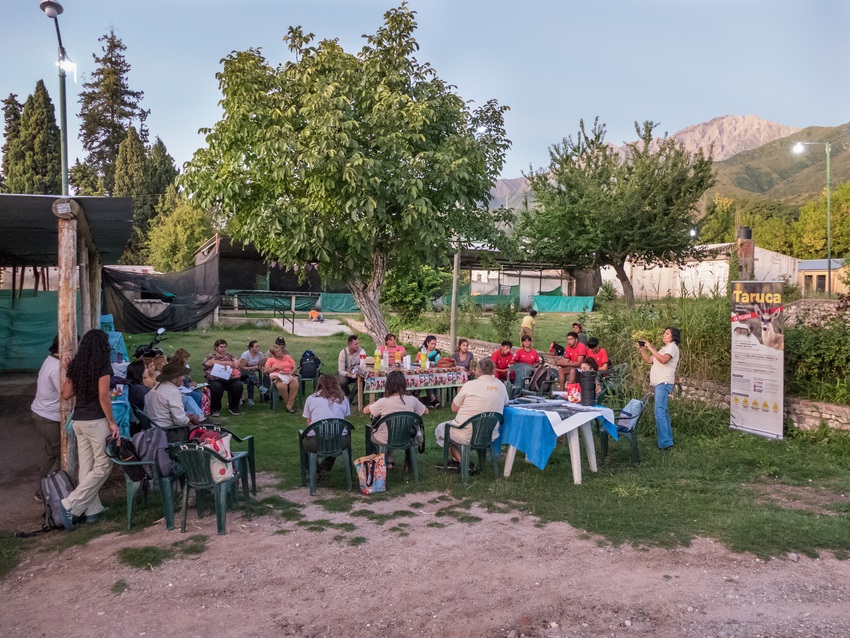
The news that a National Park would no longer be possible threatened to undo years of work by the Natura Argentina team. Credit: Natura Argentina
Refusing to give up
“It was a big shock for the whole team,” Lucila recalls. “We had worked so hard towards this and then everything changed overnight. We were very sad but at some point you have to keep moving and say: ‘OK, what’s next?’”
After the news, the whole team got together to decide how to respond. Out of those discussions, Lucila’s team came up with a bold alternative: a connected mosaic of Municipal Reserves that would protect the same habitats as originally proposed for the National Park. In this way, the initiative also honoured and preserved the commitment of local governments, who were still eager to support conservation and local development in the region.
“It was a very quick change of direction, and I’m so happy we were able to go through this journey with WLT. They were very supportive of our proposal and gave excellent feedback. It’s so valuable to have a partner who trusts the way you see things on the ground”.
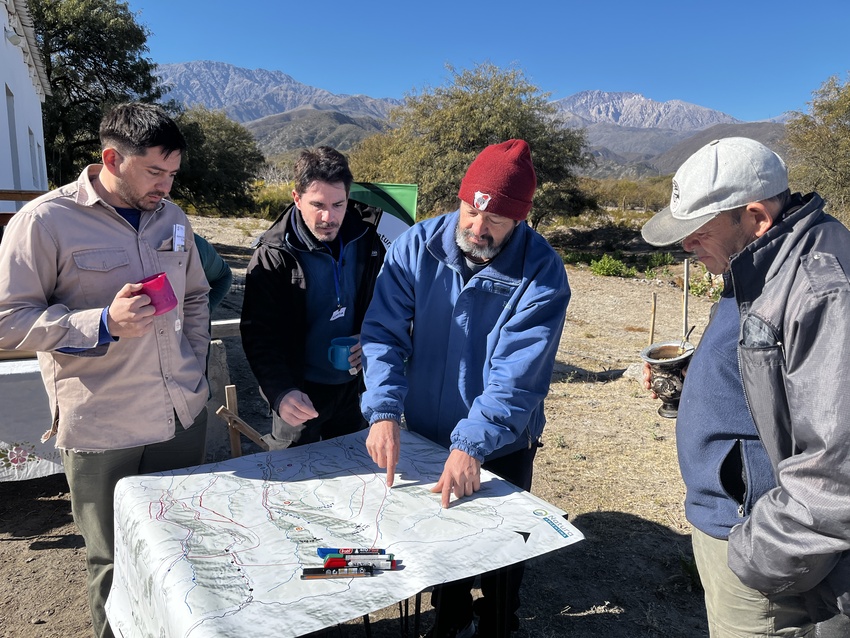
Natura Argentina team members meet in the town of Las Casitas to refine the management plan for the El Manchao Municipal Reserve. Credit: Natura Argentina
Creating Argentina’s largest network of Municipal Reserves
“After several years of working in conservation in Argentina, we’ve learned that while structure is essential, plans must remain flexible – because things can change so quickly.”
Lucila and her team quickly refocused, returning to the communities at the heart of the Sierra de Ambato – meeting with Indigenous groups, farmers, and mayors to shape the Municipal Reserves and their Management Plan.
This patient, inclusive approach delivered remarkable results. By January 2026, three Municipal Reserves were formally established – together forming the largest network of Municipal Reserves in Argentina. Inspired by this success, other municipalities have since stepped forward, and Natura Argentina is now working to add a further 12,000 hectares (29,653 acres).
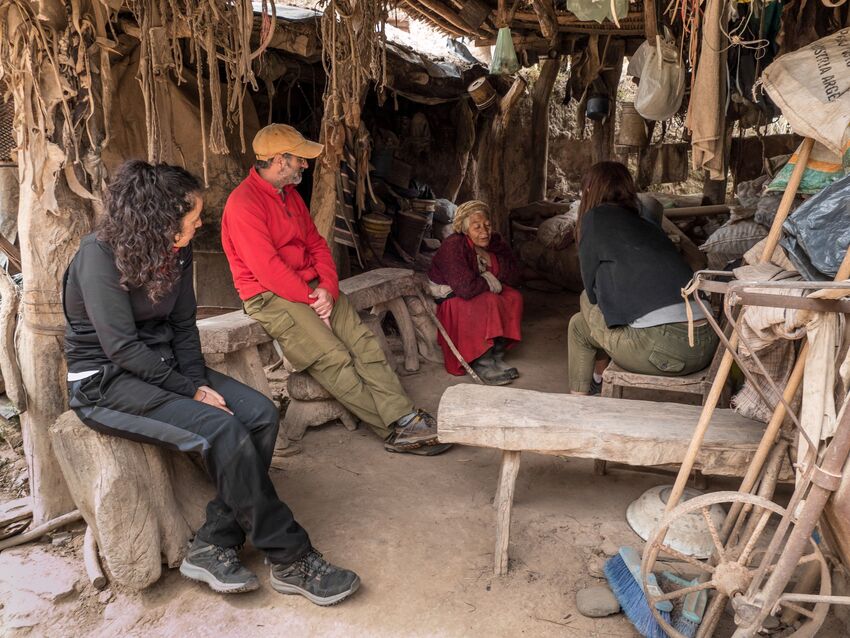
This is Nicolasa Bazan, an elderly woman who lives alone in the remote mountains of the Sierra de Ambato. Her home lies high above the local village, amusingly called Los Ángeles but sharing little in common with its more well-known cousin! – and the Natura Argentina team hiked for a whole day to meet her and hear her perspectives on the Municipal Reserves. Credit: Natura Argentina
A chance to see these reserves
“I would really love WLT supporters to come and visit us. After working together for so long, it would be wonderful for them to see firsthand the impact they are making on the ground.”
In April 2026, Natura Argentina will launch Discover the High Andes expedition – an 11-day expedition exploring how communities, scientists and conservationists are working together to safeguard the country’s wilderness.
The expedition will show conservation in all its stages – from landscapes that are already protected to places like the Sierra de Ambato, where the work is still unfolding. It begins at Mar Chiquita Lake in Ansenuza, Córdoba, a place where Lucila first studied flamingos as a biology student. Ansenuza later became a National Park, a designation Natura Argentina helped bring about.
From this completed project, the journey will move into landscapes where Natura Argentina is still working towards full protection, from vast forests to the majestic Sierra de Famatina, where Natura Argentina has worked since 2013 to build the case for legal protection.
“This expedition will show the full arc of conservation,” Lucila says. “From completed projects to those still in progress. We will also spend time with local people and scientists on guided hikes and enjoy locally made wines in the vineyards of Sierra de Famatina.”
“In addition to covering the full cost of the expedition, 20% of participants’ fees will be reinvested directly into our conservation work.”
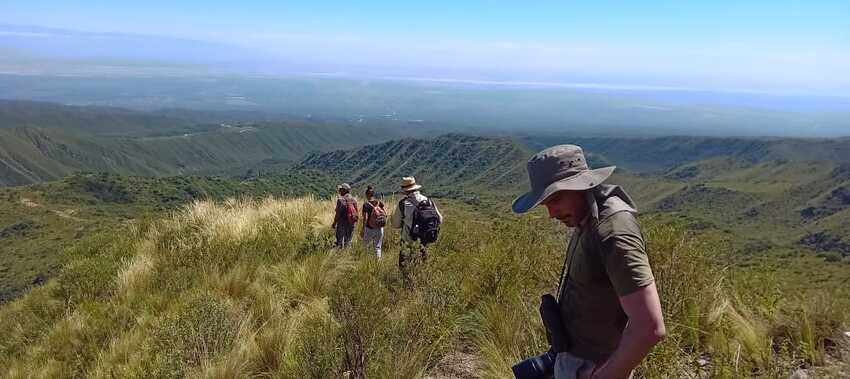
The expedition will be an opportunity to see the incredible landscapes protected through the combined efforts of Natura Argentina, international partners, and the local communities. Credit: Natura Argentina
Lucila hopes the journey also conveys something deeper – the power of perseverance, collective action, and defiant optimism. “My team is very special. They love nature and work closely with local people. I’d love visitors to see that approach in action.”
“And”, she adds with a smile, “I don’t think it will be hard for people to fall in love with our culture because I know how beautiful it is.”
Read more about Discover the High Andes and how you can get involved here.
Donate to projects like this
Support conservation that preserves threatened habitat for generations to come