Kites Hill, located within the Cotswolds, is the only reserve owned directly by World Land Trust (WLT), donated as a living legacy by its previous owner Jane Pointer. Originally a farm, the woodland, meadows, scrub and hedgerows are now protected and managed for the benefit of native wildlife. Find out how WLT continues to improve the site for wildlife.
Ecoregion: Cotswolds Escarpment
Key Species: Badger, Marsh Tit, Wood Mouse, Starling, Kestrel, Wood Warbler, Serotine Bat, Common Pipistrelle Bat, Soprano Pipistrelle Bat
Kites Hill is a small but important site that is characteristic of the Cotswolds escarpment. WLT is managing the reserve to create a heaven for wildlife. With a nature trail and interpretation boards on site, the reserve is both an education facility for visitors and a demonstration of the benefits of habitat management for conservation.
Conservation action
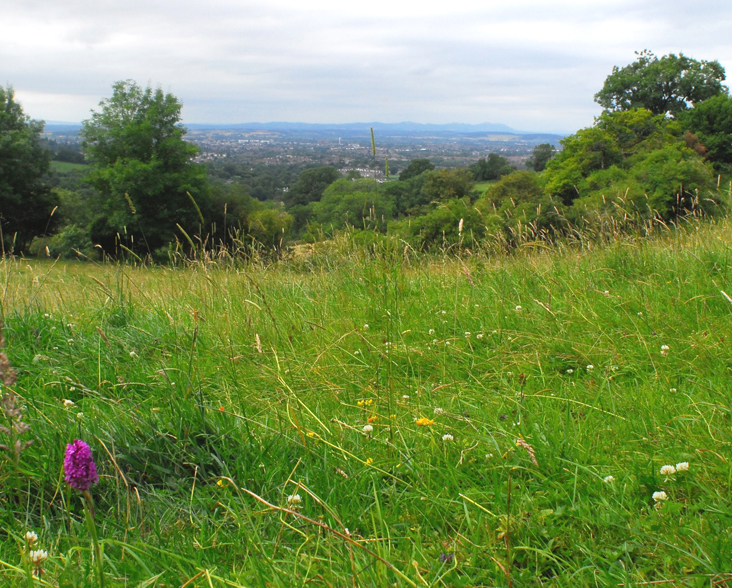
Located within the Cotswolds Area of Outstanding Natural Beauty near Painswick in Gloucestershire, Kites Hill Reserve is owned by WLT. Comprising 47 acres (19.2ha) the reserve overlooks Gloucester three miles away.
WLT’s aim is to manage the site to maintain, protect and improve the priority habitats, in order to enhance biodiversity throughout the site. Alongside this, we aim to work with local organisations and volunteers to showcase the site and importance of these habitats, with the vision of Kites Hill becoming a core area for landscape scale conservation and collaboration in the region.
Biological Importance
Kites Hill Reserve is within an internationally important area, which includes some of Britain’s finest beech wood and limestone grassland areas. Within the Cotswolds more than 95% of unimproved limestone grassland has been lost since the 1930s and the area’s beech woods represent the most westerly extensive blocks of Asperulo-Fagetum beech forests in the UK, making these priority habitats for the reserve. Its biological value is recognised through the Site of Special Scientific Interest (SSSI) status of the reserve’s ancient beech woodland, which borders the neighboring Pope’s Wood.
The reserve’s pasture areas are another key habitat of the site, as they reflect historical and more recent farming practices and offer the most opportunity for further improving the biodiversity value of the site.
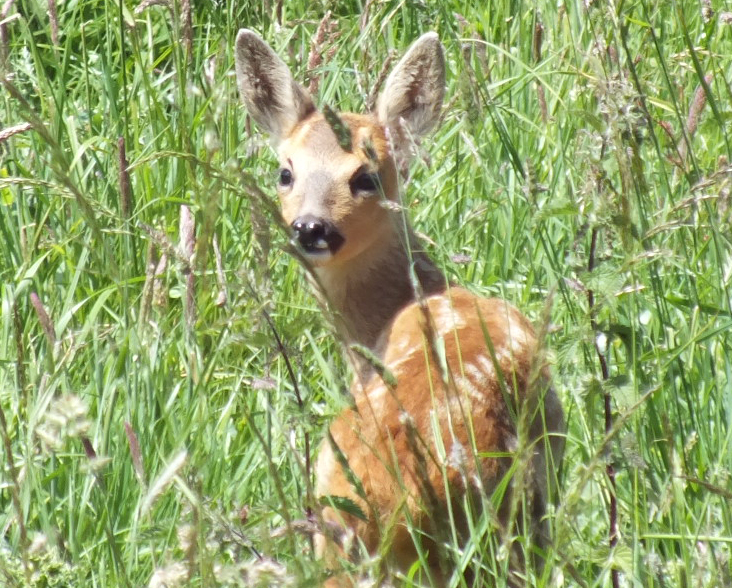
The reserve is also home to a variety of Britain’s most loved wildlife such as Red Fox (Vulpes vulpes), Kestrel (Falco tinnunculus), Mallard (Anas platyrhynchos), Long-tailed tit (Aegithalos caudatus), Wren (Troglodytes troglodytes), Common pipistrelle bat (Pipistrellus pipistrellus), and Roe deer (Capreolus capreolus). Kites Hill also has over 100 different species of plant. See the visitor information above for what to look out for on your visit.