The History of World Land Trust

1989: Founded

World Land Trust's first incarnation began in 1989 when John Burton and Gerard Bertrand launched a fundraising effort to help Programme for Belize (PfB) protect what became the Rio Bravo Conservation Management Area. This early success established the Buy an Acre approach and secured 110,000 acres of forest that would likely have been lost. WLT has remained closely connected to PfB today.

1993: Danjugan Island, Philippines

Building on success in Belize, WLT’s next project supported the protection of Danjugan Island, a 43 hectare sanctuary of lagoons, forests and coral reefs rich in biodiversity.
Costa Rica Logo

1994: Rainforest Action Costa Rica

WLT’s third project focused on the Osa Peninsula, one of the world’s most biodiverse regions. Working with TUVA, we helped safeguard rainforest and support sustainable livelihoods for local farmers.

New beginnings

  • 1994: WWLCT was launched

    Following on from the successes of running individual projects, it was decided that there was a need for an organisation that could work more widely and this is when the World Wide Land Conservation Trust was formed.

  • office

    1995: Moved to Halesworth

    World Land Trust move to offices in Halesworth Suffolk, where our head office remains.

  • 1996: Became World Land Trust

    The organisation adopted the name World Land Trust, a key milestone that confirmed the success of its model of funding land purchase and protection with local partners.
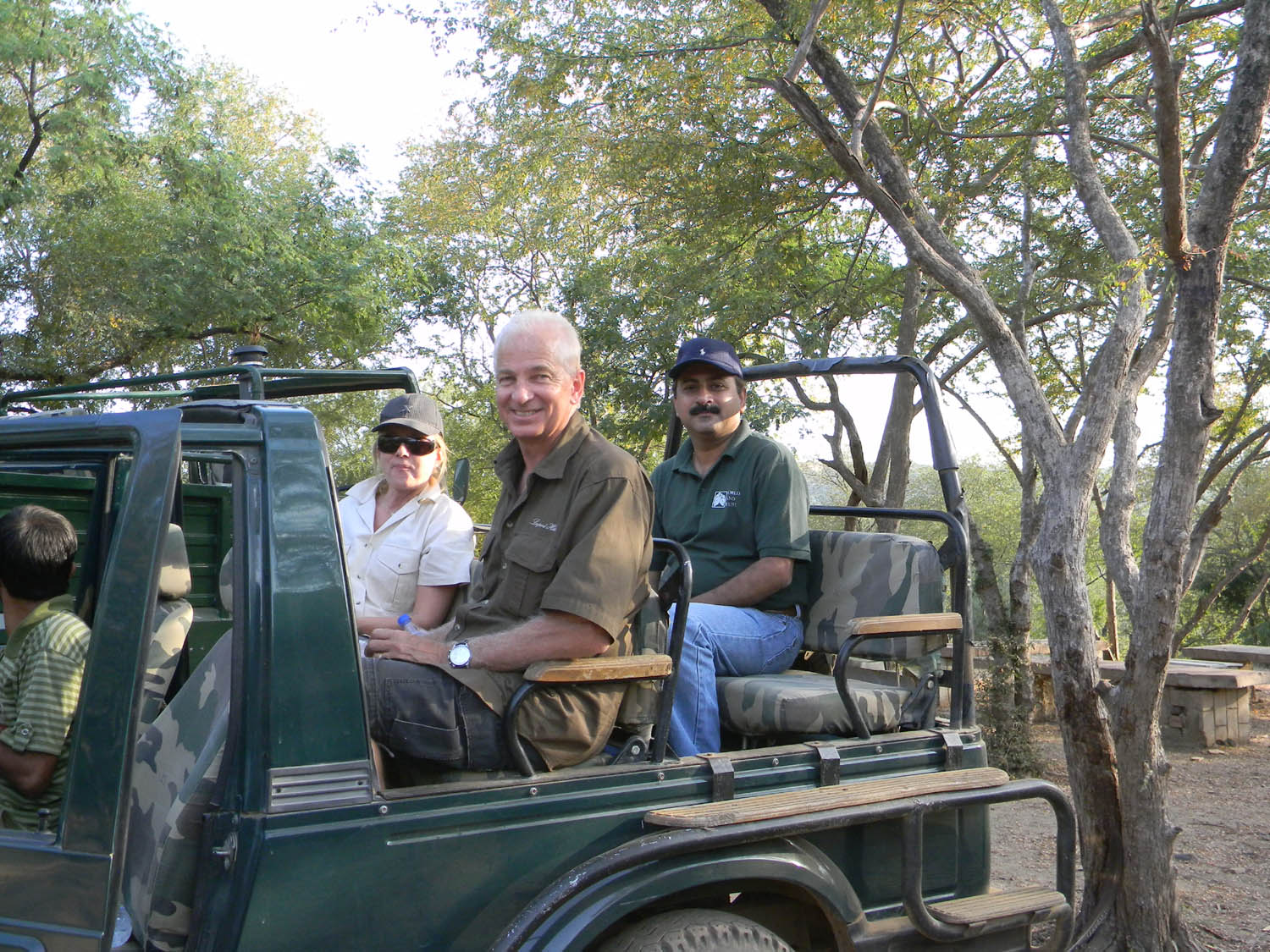
1997: David Gower becomes Patron

Our first official Patron, David Gower OBE, an English former cricketer and now a prominent cricket commentator. He is widely regarded as one of the most elegant left handed batsmen in the history of the game. Until he was six, David Gower’s family lived in Tanganyika (now Tanzania) in Africa. From a young age he was lucky enough to go to the big game parks where he developed a lifelong interest in wildlife. David has continued to be spokesperson and advocate for the work of the Trust

New Partners: 1999 – 2000

Fundación Jocotoco

Fundación Jocotoco
To protect globally threatened species and ecosystems in Ecuador. Fundación Jocotoco owns fifteen reserves that protect a range of habitats for threatened species, including ones discovered on the reserve as new to science, such as the Jocotoco Antpitta.

Fundación Patagonia Natural

Fundación Patagonia Natural
To promote the conservation and protection of the Patagonian environment within Argentina, encouraging responsible management of its resources and ecosystems.
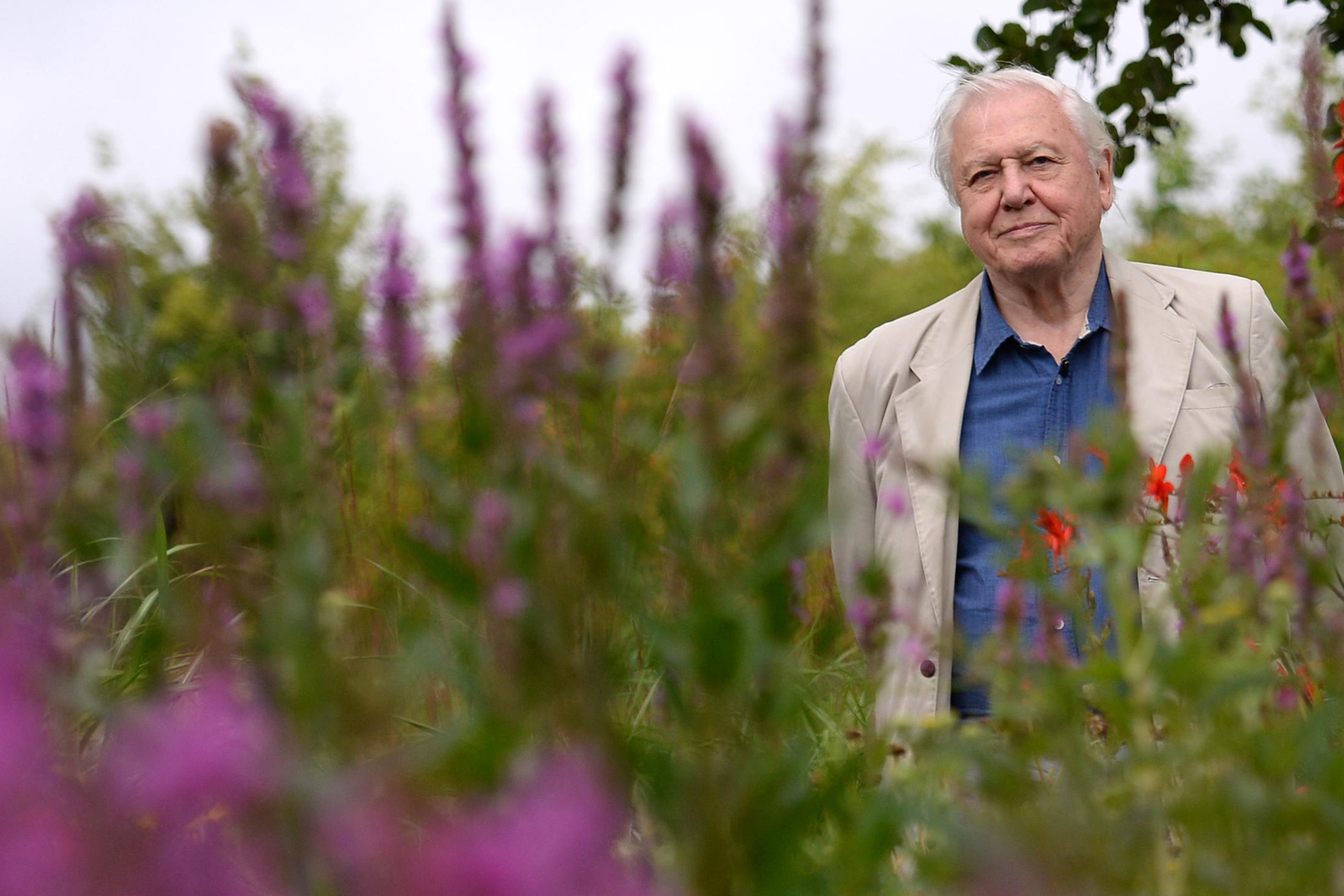
Sir David Attenborough

2003: Sir David Attenborough becomes Patron

Sir David Attenborough became Patron of World Land Trust, having supported the charity since its founding in 1989. Inspired by John Burton’s innovative approach to protecting threatened habitats, he praised WLT’s model as one of the most effective ways to safeguard the natural world, noting that its support goes directly to where it is most needed. He is quoted as saying.

“The money that is given to the World Land Trust, in my estimation, has more effect on the wild world than almost anything I can think of”.

New Partners: 2003 – 2008

Wildlife Trust of India

Wildlife Trust of India

Wildlife Trust of India (WTI) operates in service of India’s natural heritage. Their mission is to conserve wildlife and its habitat, and to work for the welfare of individual wild animals, in partnership with communities and governments. To achieve their goals, WTI maintains an approach undergirded by science and shaped by empathy, focusing on key areas including wildlife crime, species recovery, and human-wildlife conflict mitigation.
REGUA

Reserva Ecológica de Guapiaçu (REGUA)

REGUA

Reserva Ecológica de Guapiaçu (REGUA)

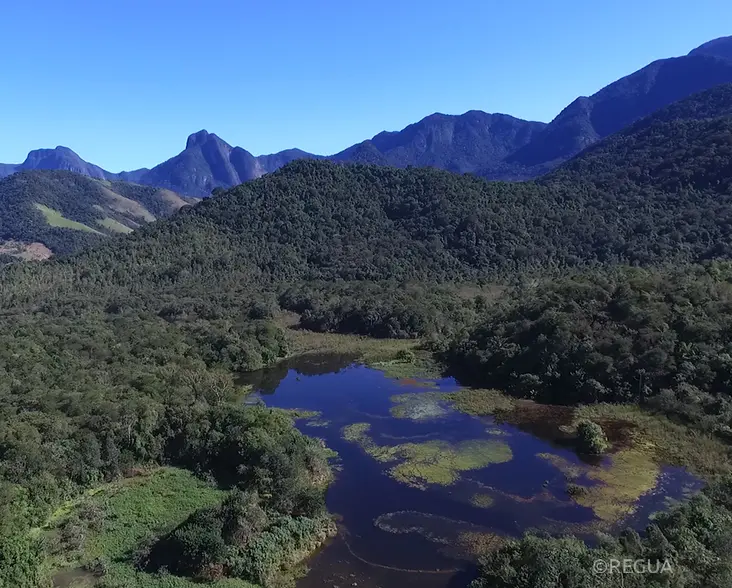
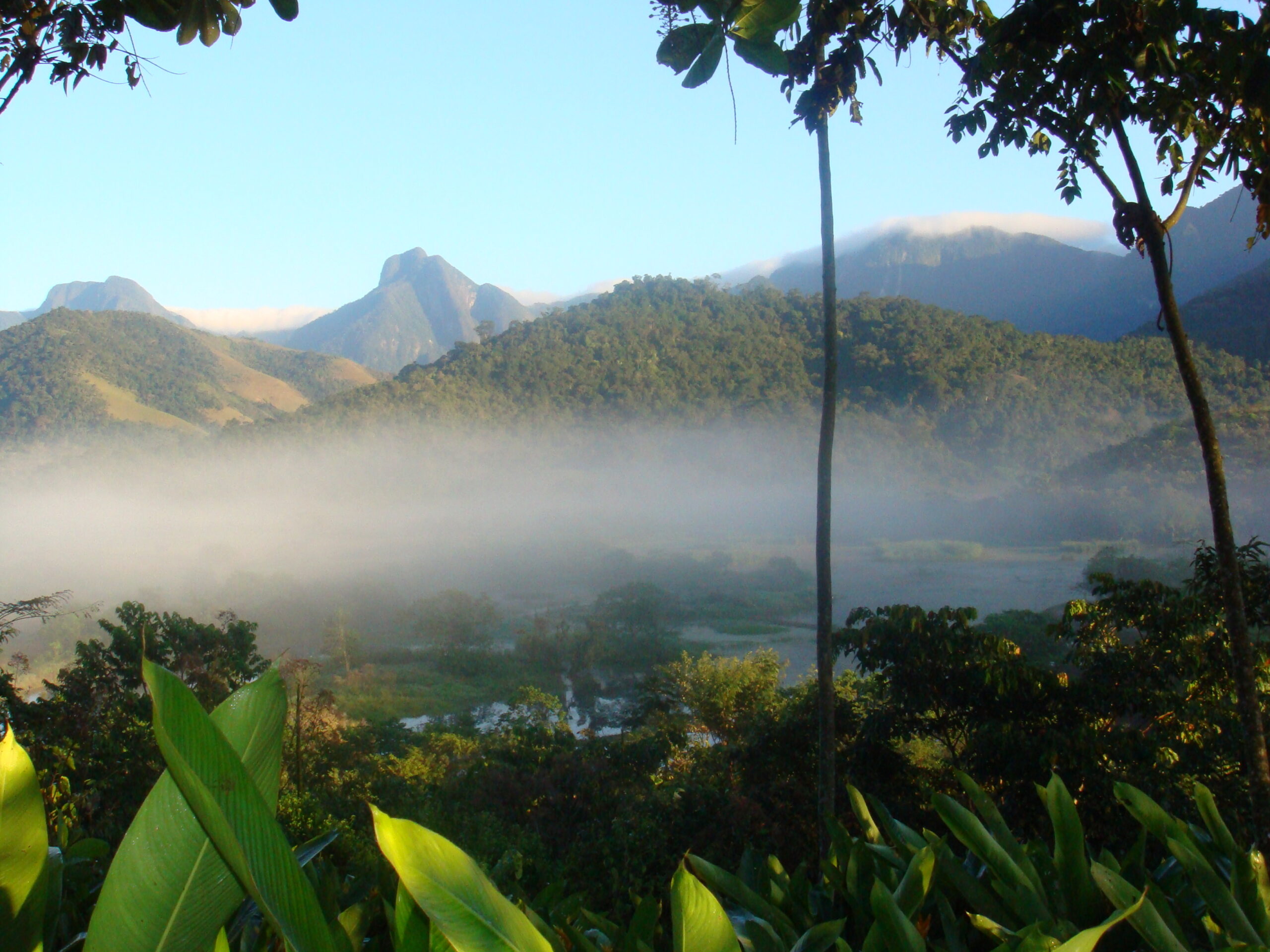
REGUA’s mission is the long-term conservation of the Atlantic Forest and its biodiversity in the Guapiaçu watershed in the state of Rio de Janeiro, Brazil. REGUA protects the forest and its biodiversity through land acquisition and partnership agreements, together with ranger patrolling, thus preventing hunting or the removal of forest products. Over the last two decades, REGUA has created a solid team, including a field and nursery team responsible for restoring Atlantic Forest. The reserve also has a broad environmental education run by a local teacher. Research and university agreements have helped to understand the biodiversity around us, that over the years has led to the excting tapir reintroduction programme. REGUA encourages people from around the world to visit and sponsor its activities.

Projects

Asociación Armonía

Asociación Armonía
To conserve nature in Bolivia, especially threatened bird species and habitats, in partnership with communities and governments (local, regional and the national government).

Fundación EcoMinga

Fundación EcoMinga

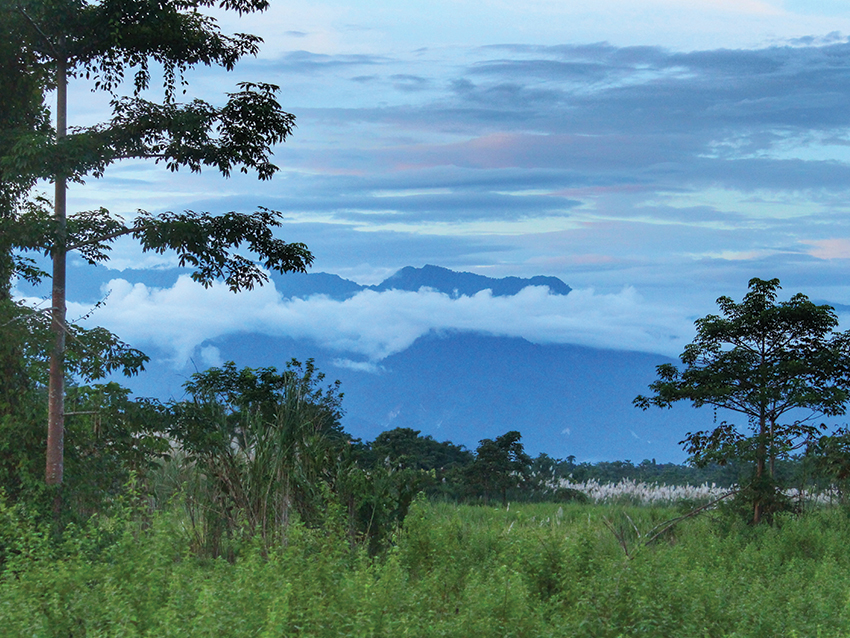
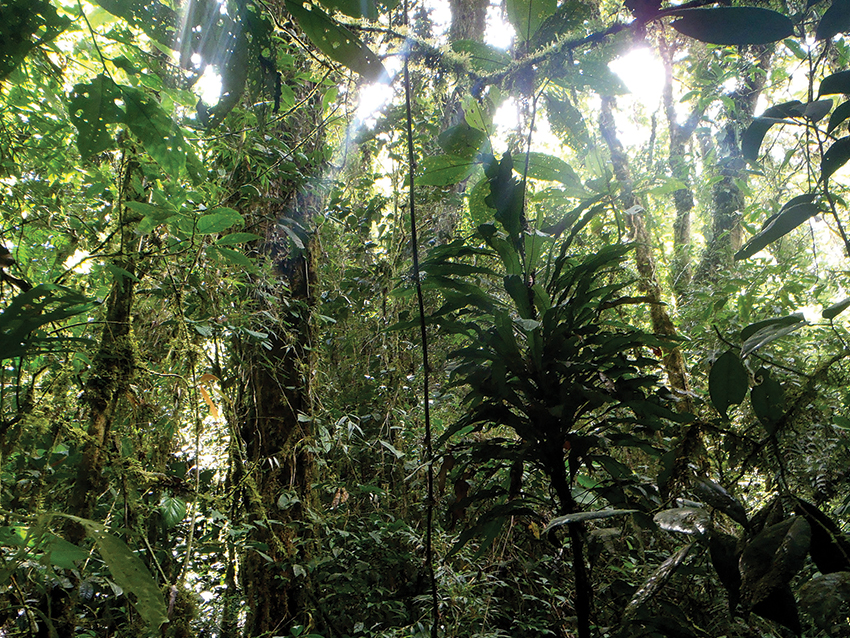
Fundación EcoMinga is a conservation body dedicated to the protection of the unique foothill forests, cloud forests, and alpine grasslands (or páramo) of the Ecuadorian Andes, especially those on the edge of the Amazon Basin in east-central Ecuador and those on the super-wet western Andean slopes of the Chocó region in northwest Ecuador. All EcoMinga reserves protect local centres of endemism that are not protected by Ecuador’s national parks or protected areas.

Grupo Ecológico Sierra Gorda

Grupo Ecológico Sierra Gorda

To conserve biodiversity and promote sustainable management of natural resources within Sierra Gorda Biosphere Reserve, in central Mexico.

Hutan

Hutan

To study and conserve threatened habitats and wildlife species in Sabah and promote the sustainable management of natural ecosystems through a holistic, community-led programme and innovative cross-sectoral partnerships.
Asociación Civil Provita

Asociación Civil Provita
Asociación Civil Provita

Asociación Civil Provita

To develop innovative socio-environmental solutions to conserve nature. Asociación Civil Provita has become a key organisation for biodiversity conservation in Venezuela and Latin America.

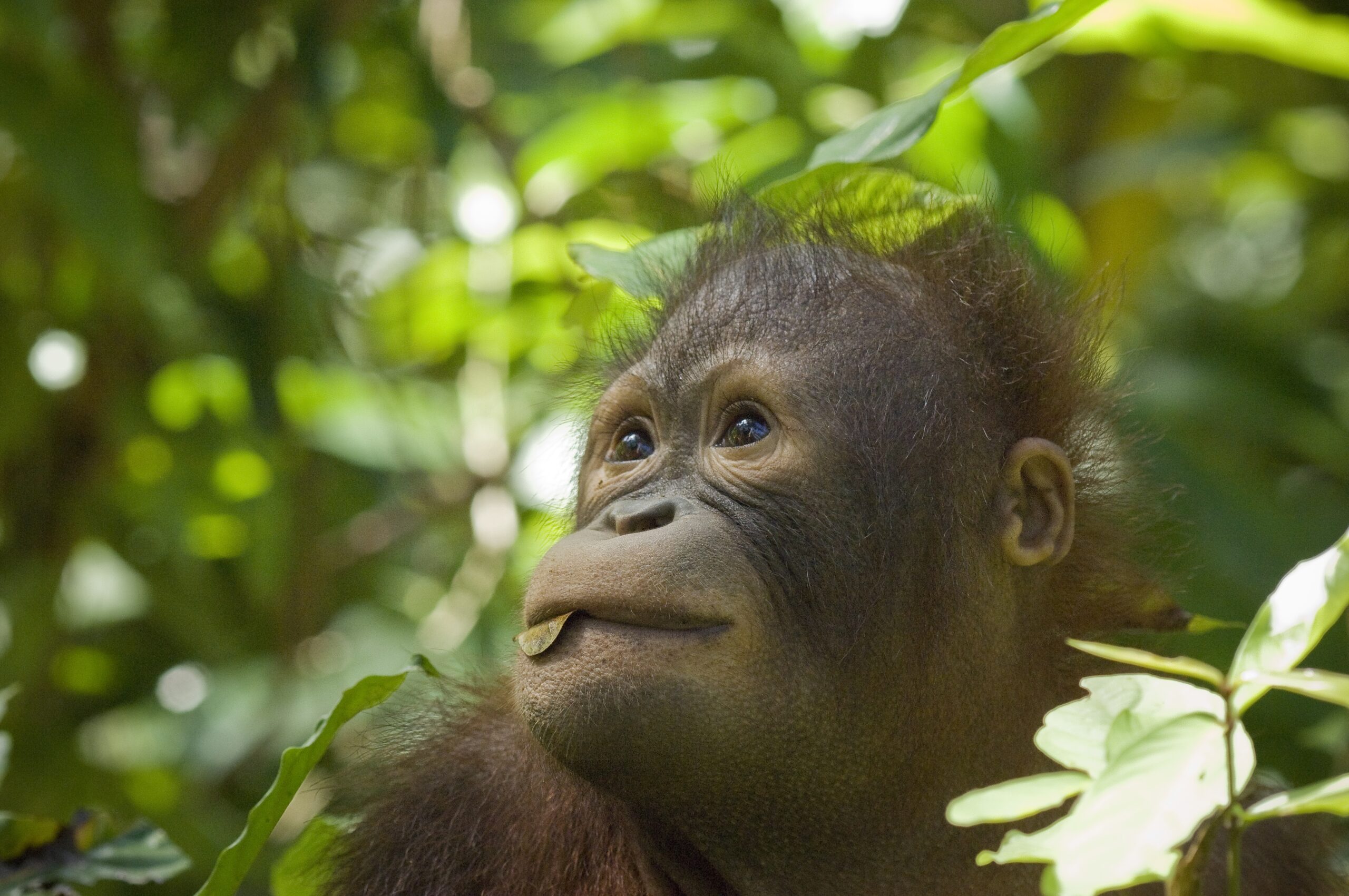
2009: Urgent Orangutan Appeal

Urgent funds were raised to support the securing of important Orangutan habitat in Malaysian Borneo

New Partners: 2009 – 2010

Nature Kenya

Nature Kenya

Connecting nature and people, to promote the study of conservation in Kenya.

Foundation for the Preservation of Wildlife and Cultural Assets (FPWC)

Foundation for the Preservation of Wildlife and Cultural Assets (FPWC)

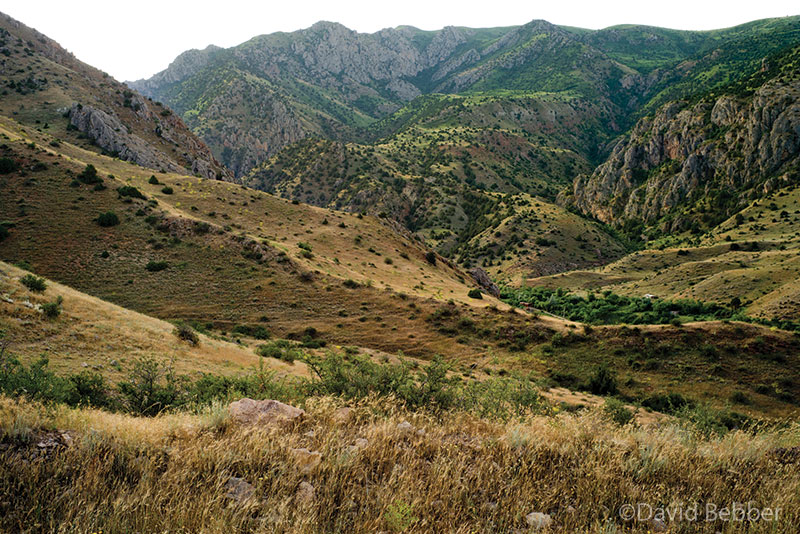
FPWC began in 2002 to address a lack of environmental concern in Armenia since its independence in 1991. It established the Caucasus Wildlife Refuge in 2011 through the leasing of land from local communities. Their work takes place within the Caucasus Biodiversity Hotspot and is focused on the connections between wildlife protection and environmental education. They engage with rural populations to assist with the sustainable development of their communities. Mutual respect between human beings, natural wealth, and cultural heritage is at the centre of their operations.

Projects

Naturaleza y Cultura Ecuador

Naturaleza y Cultura Ecuador
Nature and Culture in Ecuador is part of Nature and Culture International (NCI), which works throughout South America. NCI’s overall mission is to conserve Latin America’s most extraordinary yet highly threatened ecosystems and cultures by saving endangered habitats, strengthening local capacity, and helping communities preserve their way of life.

Fundación ProAves

Fundación ProAves

World Land Trust (WLT) first met ProAves through WLT-US (now Rainforest Trust) and in 2009 funded the expansion of the existing El Pangan Reserve, protecting the Spectacled Bear, Jaguar and the Blue Pangan Poison Arrow Frog.

Nature and Culture International

Nature and Culture International
Nature and Culture International conserves biologically diverse landscapes in Latin America, in concert with local cultures, for the well-being of the planet

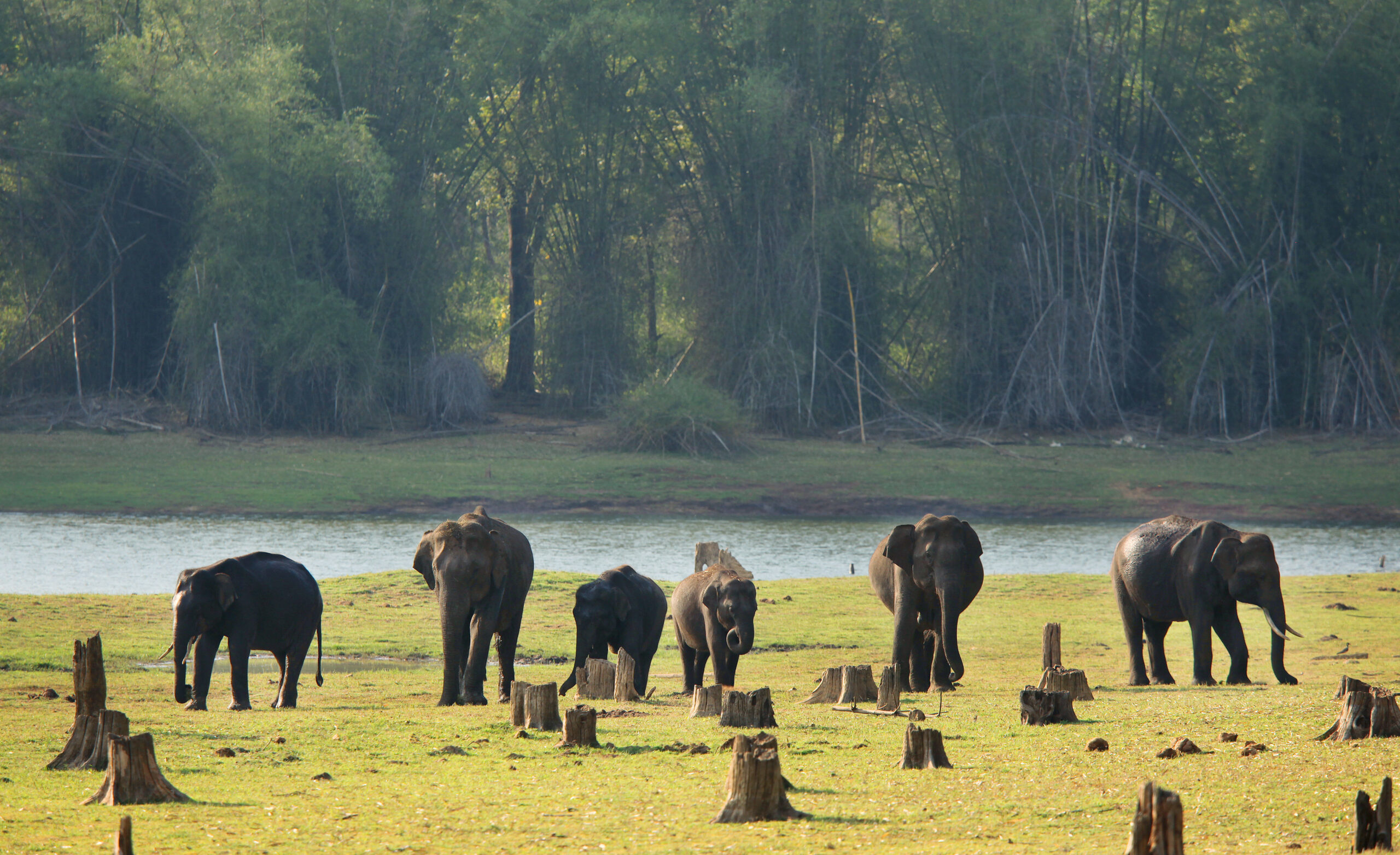
2011: Indian Elephant Corridor Appeal

Urgent funds were raised to support the securing of important elephant corridors in India

New Partners: 2012

Fundación Biodiversidad Argentina

Fundación Biodiversidad Argentina
To promote the conservation of biological diversity in Argentina, by carrying out activities related to scientific research, technology transfer, environmental education, and managing different programs and projects on conservation and sustainable use in the field. To develop programs that benefit the conservation of biodiversity and the wellbeing of societies that depend on it; To study the problems that affect the conservation of ecosystems and species at a national level with the goal of promoting acts of conservation; To encourage scientific research, focused on the conservation of species and ecosystems; To foster the transfer of appropriate technologies for the sustainable management of species and ecosystems; To promote the creation of new protected areas and the strengthening of the areas that already exist; To carry out environmental education tasks with the purpose of contributing to a greater knowledge of biological diversity and the benefits of conservation.

Asociación Ecológica de San Marcos de Ocotepeque (AESMO)

Asociación Ecológica de San Marcos de Ocotepeque (AESMO)

AESMO work in western Honduras, in the management of watersheds and protected areas, in alliance with communities and other local, national and international actors. AESMO applies a landscape approach and develops shared governance processes for conservation and sustainable management of water, biodiversity and soil, contributing to the improvement of the quality of life of the population.

2012: Caucasian Leopard Appeal

In 2012, WLT helped establish the Caucasus Wildlife Refuge in southwest Armenia, strengthening protection for threatened species and creating the region’s first privately managed conservation area.

2013: Borneo Rainforest Appeal

This appeal supported the creation of two wildlife corridors in the Kinabatangan floodplain: the Keruak Species Corridor and the Keruak Virgin Jungle Reserve.
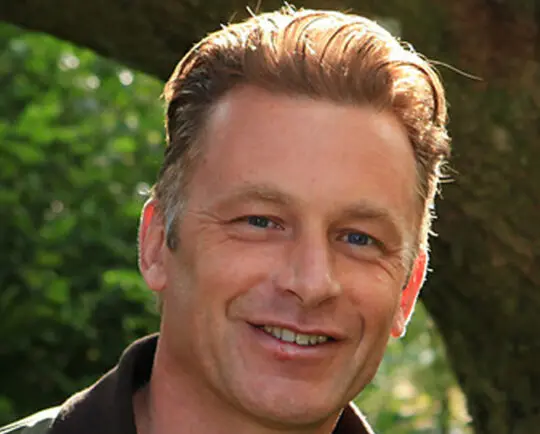
2013: Chris Packham becomes Patron

In 2013 World Land Trust welcome Patron Chris Packham, who has been a wildlife fanatic for as long as he can remember. His parents recall how he tried to ‘collect’ creatures that crept and crawled across their lawn before he could even walk.
With the years the obsession grew and at an early age Chris became a champion of ‘unloved’ animals. Bats were a particular love, as were snakes and lizards.

New Partner: 2014
Naturaleza y Cultura Peru

Naturaleza y Cultura Peru

Naturaleza y Cultura Peru (NCPeru) is part of Naturaleza y Cultura Internacional (NCI). NCI’s aim is to preserve biologically diverse ecosystems, in concert with local people. To achieve this, NCI supports the establishment and management of public, communal and private protected areas.

2014: Big Cat Appeal

Funds were also raised to support Big Cat Conservation across several WLT partner projects, strengthening habitat protection and safeguarding species such as Jaguars, Leopards and Pumas through targeted land purchases and on the ground conservation work

2015: Forests in the Sky

Forests in the Sky Appeal in 2015, successfully raised £500,000 to create a biological corridor in Ecuador with our partner EcoMinga.

New Partner: 2015
Applied Environmental Research Foundation (AERF)

Applied Environmental Research Foundation (AERF)

Applied Environmental Research Foundation (AERF) is an Indian NGO that works with local communities to conserve community owned forests; establishing projects which derive an income from standing forest rather than an income from felling trees.

AERF prioritise educating communities about the value of biodiversity, engaging local people in conservation activities and working with them to develop income based on the sustainable use of forest resources.

AERF’s main aim is conservation on the ground allowing a tangible difference at the grassroots level through maximum action and through engaging with range of stakeholders.
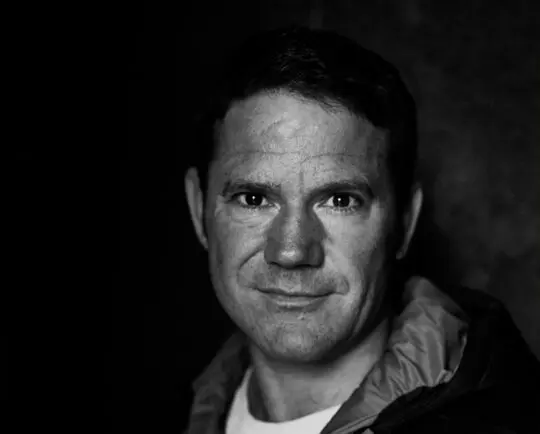
2016: Steve Backshall becomes Patron

Adventurer and broadcaster Steve Backshall became a Patron of World Land Trust, building on his support for the charity’s work. Known for championing wildlife through his television expeditions, he brought WLT to new audiences and backed key appeals, including efforts to protect threatened rainforest habitats in Borneo and Colombia.
REGUA

2016: Olympic Forest Appeal

Project to protect an area of forest in the Atlantic Forest of Brazil. The appeal coincided with the Rio Olympics. Fronted by World Land Trust Ambassador and Olympian Helen Glover.
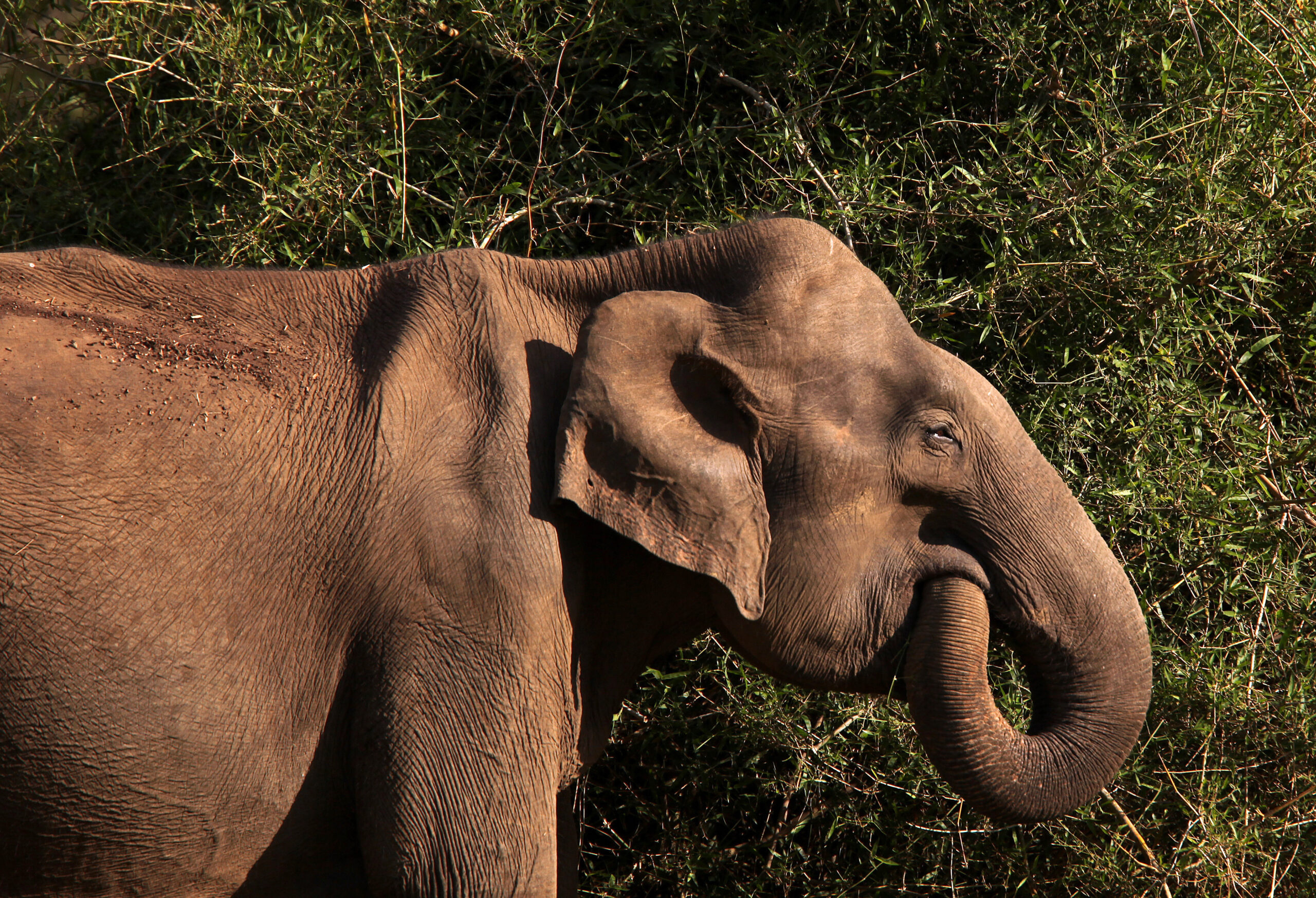
2016: Elephant Corridor Appeal

In 2016 WLT supported Wildlife Trust of India (WTI),  in their urgent bid to save Indian Elephants from extinction by safeguarding their traditional migration routes. The Elephant Corridor Appeal raised £750,000 to extend and protect Mudahalli Corridor, where the Eastern and Western Ghats meet in southern India.

2017: Blue-throated Macaw Appeal

WLT backed Asociación Armonía in launching Bolivia’s first Natural Fencing project, planting native trees to protect habitat for the Critically Endangered Blue throated Macaw.

2017: Treasure Chest Appeal

This appeal secured 2,500 acres of rainforest in Guatemala’s Sierra Santa Cruz, protecting rare and endemic species across a crucial biodiversity hotspot.
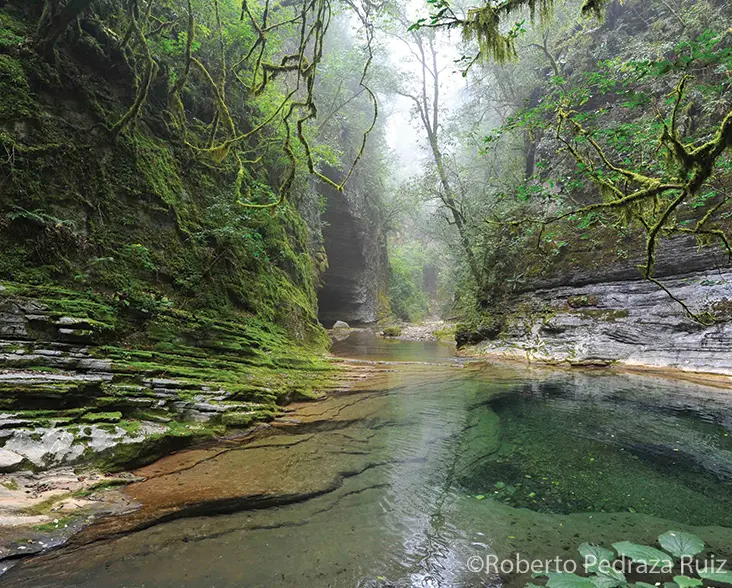
2018: Saving Mexico’s Ancient Forests

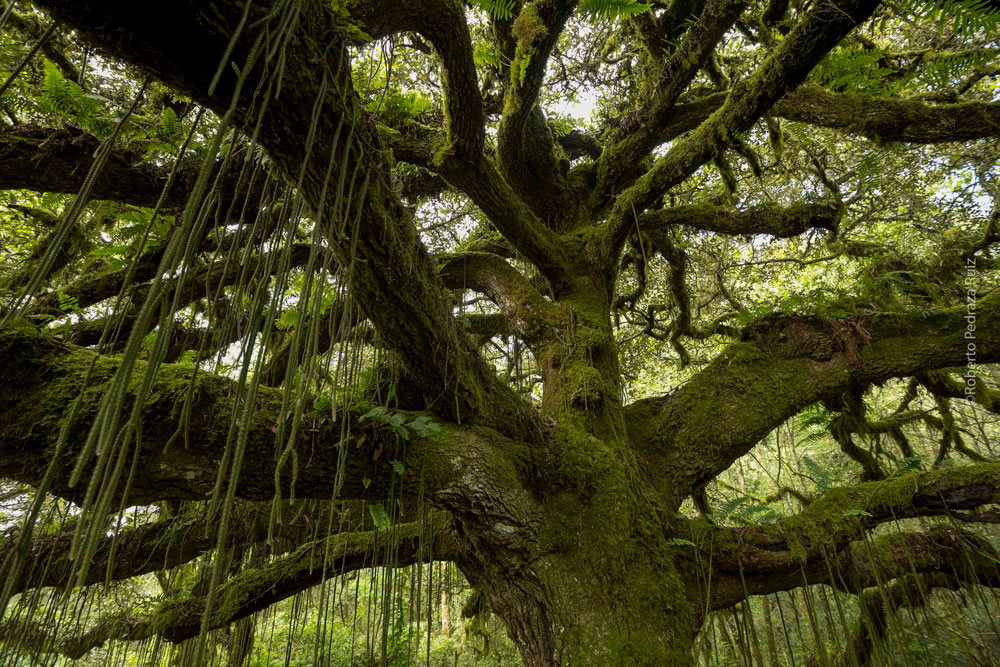
WLT launched an appeal to protect the cloud forests of Sierra Gorda, home to Monarch Butterflies, big cats and rare amphibians.
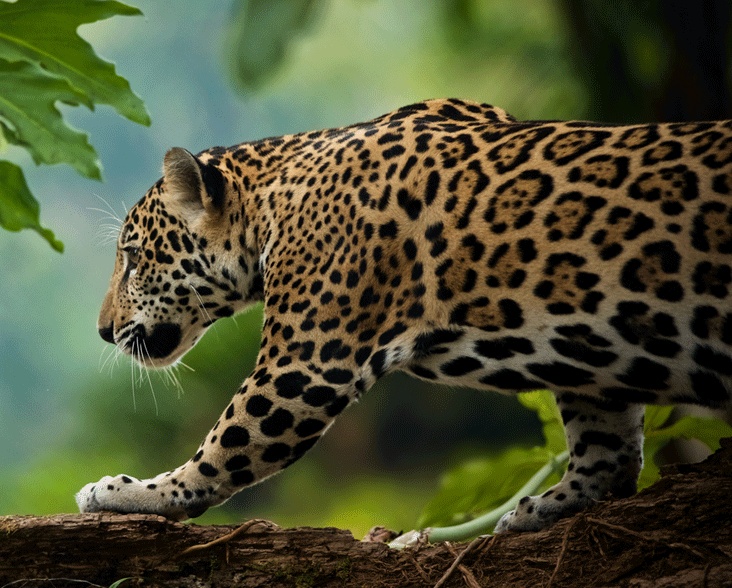
2018: Jungles for Jaguars

WLT reached its £600,000 target to secure over 8,000 acres in northern Belize, creating vital habitat for Jaguars and expanding the corridor through additional Buy an Acre support.

2018: Amazonian Andes

Supporters raised £165,000 to extend Ecuador’s Narupa Reserve, protecting 400 acres of pristine forest and preventing a road from fragmenting vital habitat.

2019: Save the Blue-throated Hillstar

An urgent appeal to protect the newly discovered Blue throated Hillstar achieved its target in under two weeks, safeguarding 70,000 acres of páramo habitat.
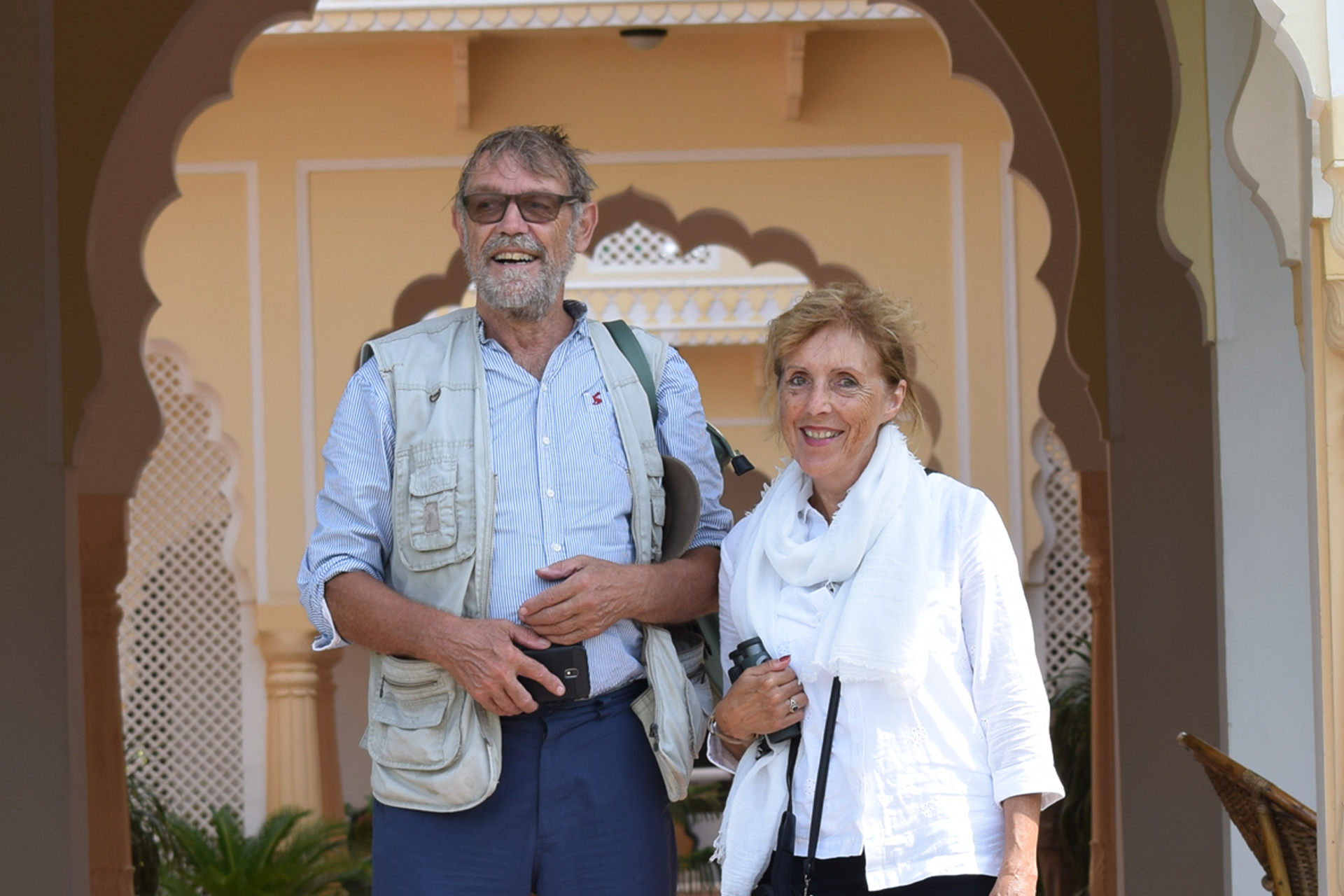
John and Viv Burton

2019: Founders John and Viv Burton step down

After three decades leading World Land Trust, founders John and Viv Burton stepped down from their roles, marking the end of an era in which they guided WLT from its beginnings in 1989 to becoming a global conservation organisation
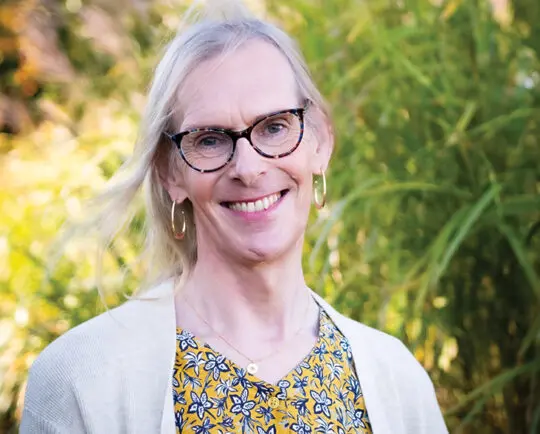
2019: Catherine Barnard becomes CEO

Dr Catherine Barnard joins WLT as CEO, bringing more than two decades of global conservation experience, spanning BirdLife International, RSPB, sustainable agriculture leadership and practical fieldwork across Africa, Asia and Latin America.

New Partners: 2019

Naturaleza y Cultura Sierra Madre (NCSM)

Naturaleza y Cultura Sierra Madre (NCSM)
To promote the conservation and protection of ecosystems and wild species in Mexico.

Tanzania Forest Conservation Group (TFCG)

Tanzania Forest Conservation Group (TFCG)

To improve the conservation of the unique and threatened biodiversity of Tanzania, the country home to Africa’s highest plant diversity, by preserving two crucial forest ecoregions: the coastal forests by the Indian Ocean and the Eastern Arc Mountains. By focusing on these globally recognised hotspots of natural life, TFCG envisages a world in which the protection of biodiversity results in a healthier, safer environment for the present and future generations in Tanzania.

2019: Dakatcha Woodland

WLT secured 810 acres of Kenya’s threatened coastal forest, protecting endangered species including Clarke’s Weaver, Golden-rumped Elephant Shrew and the Sokoke Scops owl

2019: Scorched Earth to Forest Haven

This appeal enabled restoration of land degraded by Agent Orange in Vietnam, funding the planting of 120,000 native trees and beginning recovery of Annamite forest habitat.
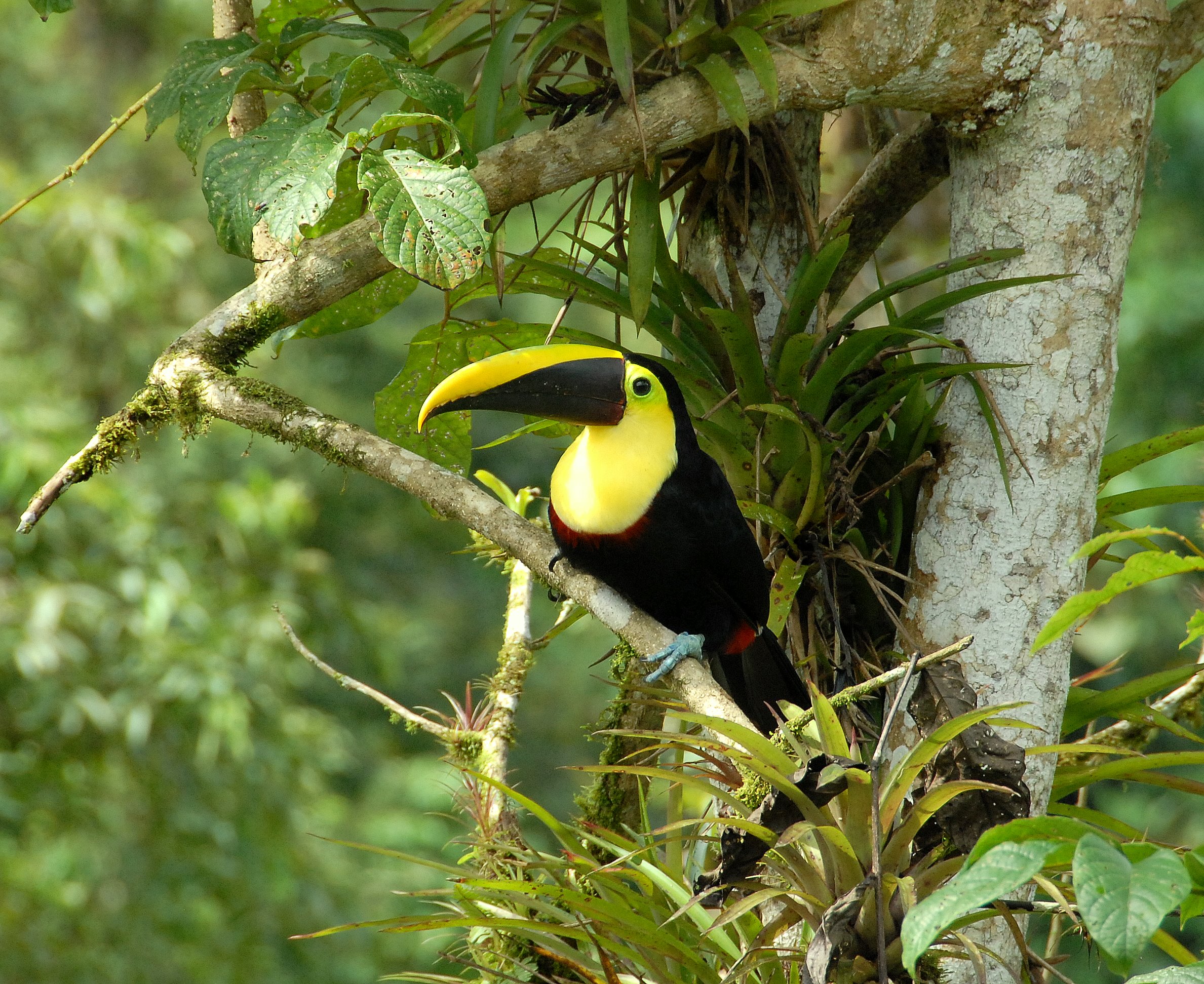
Choco Toucan

2020: Saving Ecuador’s Chocó Forest

A record response allowed WLT to help protect 4,843 acres of Ecuador’s Chocó rainforest, part of a rare remaining two per cent of this once vast ecosystem.
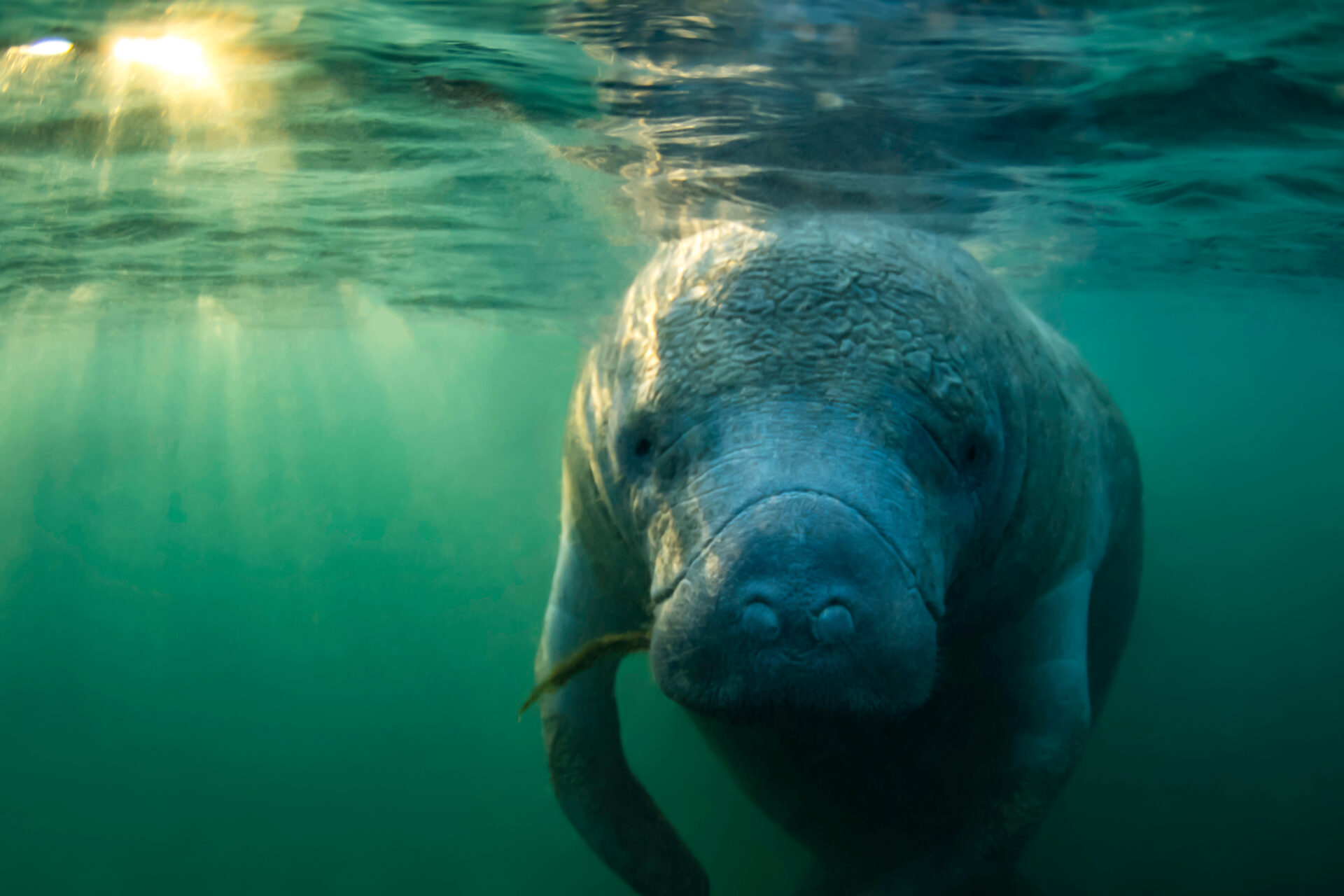
2020: Saving the Barbacoas

Supporters helped secure 642 acres of forest and wetlands in Colombia’s Barbacoas region, expanding protected areas and linking key reserves.

New Partners: 2020

A ROCHA KENYA (ARK)

A ROCHA KENYA (ARK)

Kenya
A Rocha Kenya (ARK) serves the natural world through scientific research, advocacy, environmental education, and sustainable community-based conservation programmes. By working with local communities, our partner aims to achieve the long-term conservation of threatened habitats and species, with a focus on the Important Bird Areas clustered around Watamu and Malindi on the Kenyan coast. ARK’s work restores habitats and empowers people to be agents and stewards of conservation.

Environment and Rural Development Foundation (ERuDeF)

Environment and Rural Development Foundation (ERuDeF)
Conserve biodiversity and protect environments through research, training, education and community engagement in Cameroon.

Natura Argentina

Natura Argentina

Natura Argentina is committed to the conservation of natural ecosystems through the creation of protected areas, promoting the participation of local stakeholders. In this way, we hope to preserve our natural and cultural values for future generations.

2021: Saving Tanzania’s Costal Forests

WLT backed TFCG in protecting part of the ancient Rondo Plateau, creating a community managed buffer of more than 49,000 acres and securing a critical wildlife corridor.

2021: Saving Borneo’s Orangutan Corridors

Two small but strategic land purchases at Pangi reconnected habitat between protected areas and the Kinabatangan River, reducing conflict and strengthening a key wildlife corridor.
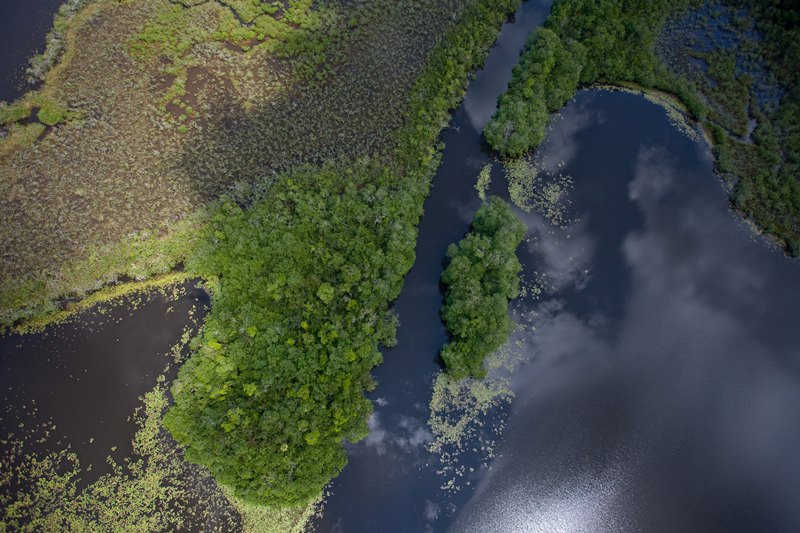
2021: Guardians of Nimla Ha’

This appeal expanded Guatemala’s Laguna Grande Reserve to nearly 5,000 acres, protecting mangroves, forests and over 700 species in a highly threatened Caribbean landscape.

New Partners: 2021

Fundación Hábitat y Desarrollo (FHD)

Fundación Hábitat y Desarrollo (FHD)

Fundación Hábitat y Desarrollo’s (FHD) mission in Argentina is to protect natural environments, endangered species and promote sustainable development in a fair society, promoting the joint action of the State, civil society and the private sector.

Projects

The Environmental Conservation Trust of Uganda (ECOTRUST)

The Environmental Conservation Trust of Uganda (ECOTRUST)

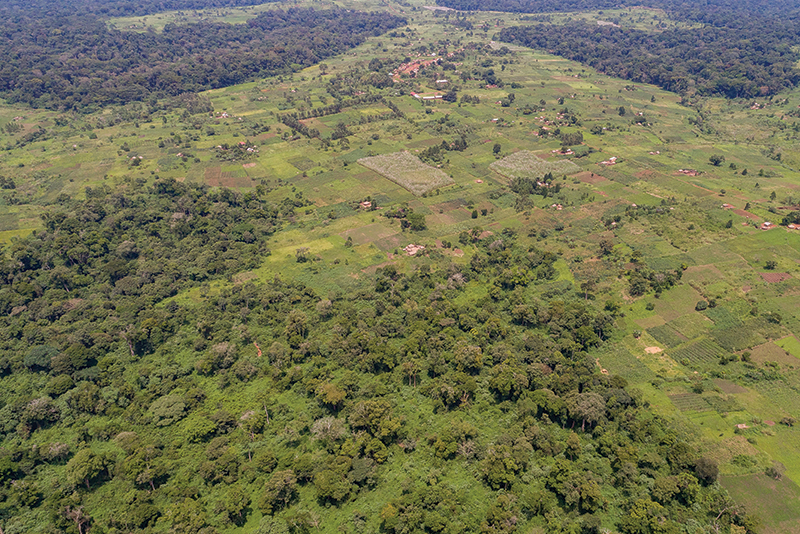
ECOTRUST works with different communities and stakeholders in Uganda to conserve natural resources and biodiversity while at the same time contributing to poverty alleviation, wealth creation, inclusive growth and resilience of communities against the risks associated with climate change.

Gorongosa Project

Gorongosa Project

The Gorongosa Project team in Mozambique aim to advance an integrated multi-partner approach to conservation and to people-centred development. The protection of Gorongosa National Park’s biodiversity and ecosystem services is a core part of the Project’s mission. Our partner also unlocks the park’s economic potential for the community inhabitants of the Gorongosa Buffer Zone in Mozambique’s Sofala Province and further afield. By balancing the needs of people and wildlife, Gorongosa Project hopes to create an immense, unfenced, connected mosaic of protected areas in central Mozambique. A large and multi-faceted organisation, the Project is involved in a number of conservation and development programmes, including habitat management, species reintroductions, social health, environmental education, sustainable development, and gender-focused projects.

2022: Project Mongma Rama

Supporters enabled the next phase of the Garo Green Spine in northeast India, securing land for a fourth elephant corridor and strengthening community managed reserves.
2022: Life on the Edge

2022 – Life on the Edge

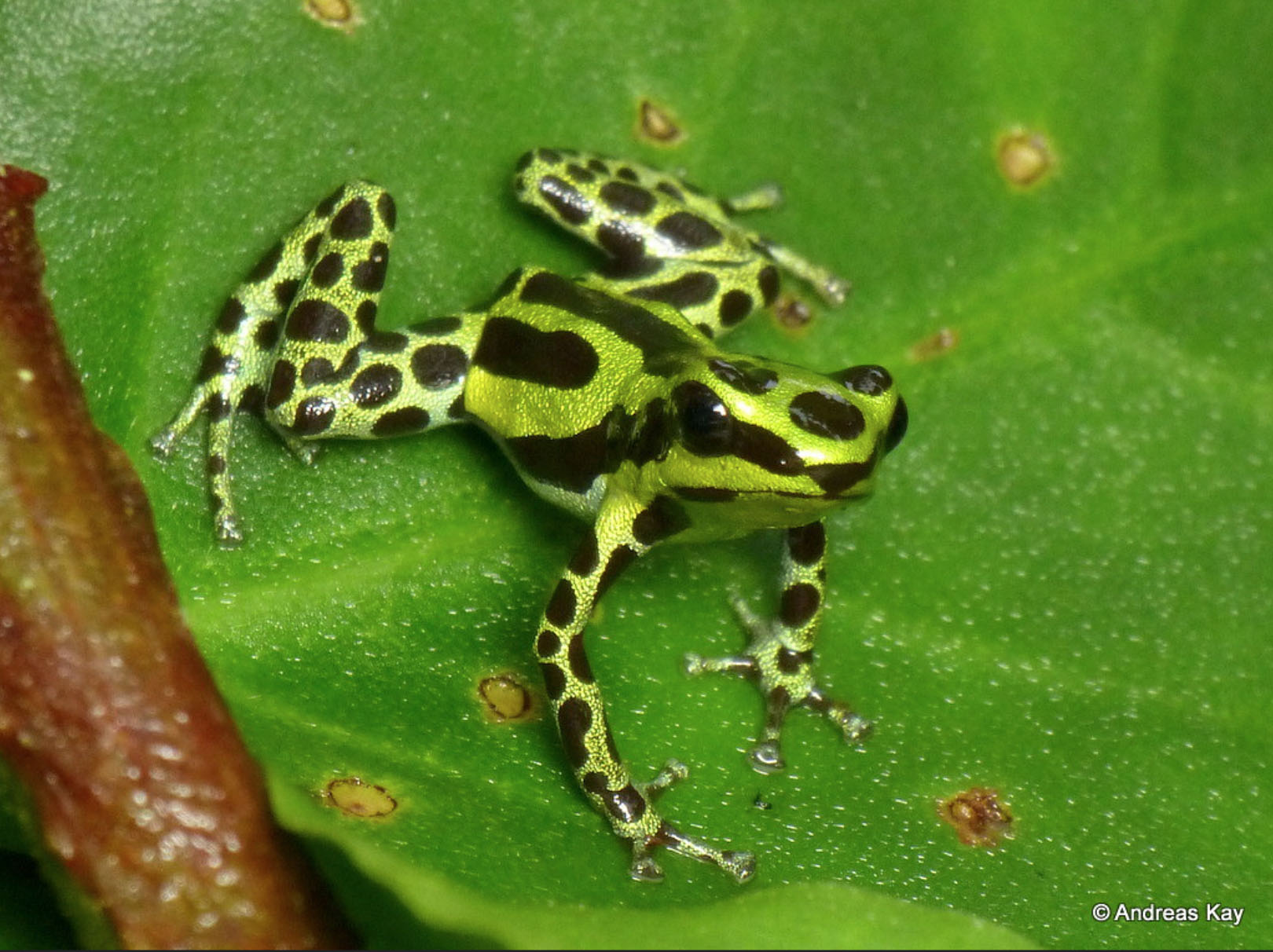
Funding doubled the protected area of the Anzu and Zúñac reserves in Ecuador, safeguarding unique foothill forests at risk from logging, agriculture and proposed oil projects.

New Partners: 2022
Big Life Foundation

Big Life Foundation

Big Life envisions a world in which conservation supports the people and people support conservation. Operating in Kenya and Tanzania, it seeks to protect and sustain East Africa’s wildlife and wild lands, including one of the greatest populations of elephants left in East Africa. Big Life’s objective is to use innovative conservation strategies and collaborate closely with local communities, partner NGOs, national parks, and government agencies. Their program objectives are organised around four main themes: wildlife protection, human-wildlife conflict mitigation, habitat protection, and community support.

Kara-Tunga Foundation (KTF)

Kara-Tunga Foundation (KTF)
Kara-Tunga Foundation (KTF) fosters peace, prosperity and conservation through ecotourism development in Uganda’s Karamoja region. Born from the commercially successful tour operator Kara-Tunga Tours (KT). KTF aims to improve community livelihoods, protect nature, and preserve cultural heritage as a not-for-profit.

Planet Madagascar

Planet Madagascar

Planet Madagascar Association (PMA) works to build sustainable forest communities, improve livelihoods, empower local people, and conserve Madagascar’s unique biodiversity. PMA’s project activities are based mainly in and around Ankarafantsika National Park, in the northwest of the country.

Fundação Kissama

Fundação Kissama

Fundação Kissama promotes the defence, protection, conservation, management, study and research of Angola’s biodiversity. The organisation implements conservation, biodiversity management and environmental education projects; promotes actions aimed at the preservation of important biodiversity hotspots and flagship species; and raises awareness of biodiversity-related problems.

Koshi Tappu Kanchenjunga Biodiversity Education Livelihood Terra-Studio (KTK-BELT)

Koshi Tappu Kanchenjunga Biodiversity Education Livelihood Terra-Studio (KTK-BELT)

Koshi Tappu Kanchenjunga Biodiversity Education Livelihood Terra-Studio (KTK-BELT INC) aims to catalyse new models of biodiversity conservation and environmental learning in eastern Nepal. Central to KTK-BELT’s mission is its concept of a “Vertical University” comprising the 8,000 metres of elevation between Koshi Tappu Wildlife Reserve and Mount Kanchenjunga. KTK-BELT hopes to provide a framework for local farmers to become “professors” of this living classroom, sharing indigenous knowledge while also conserving threatened species and landscapes.

Amazónicos por la Amazonía (AMPA)

Amazónicos por la Amazonía (AMPA)

Amazónicos por la Amazonía (AMPA) – Amazonians for the Amazon – is a Peruvian organization committed to the conservation of biodiversity and sustainable territorial development to improve the lives of the peoples of the Andean Amazon. AMPA “preserves life to share it with everyone”. The organisation works with a strategy of intervention grounded on their conviction in sustainable territorial management. This involves 4 cross-cutting axis to the implementation of all their initiatives: environmental, social, economic and political; where territorial order is the fundamental basis. Through these axis, they ensure their activities are consistent with the conservation of natural and cultural heritage.

Environmental Defenders

Environmental Defenders

Environmental Defenders are an environmental justice organisation that works to protect the Albertine Rift region between Uganda and the Democratic Republic of the Congo (DRC). By working closely with local communities, our partner aims to protect the environment while standing up for the rights of indigenous people, and their cultural practices and livelihoods. Environmental Defenders work to create both social and environmental justice, recognising that these are closely linked.

Projects

Conservación de Anfibios A.C.

Conservación de Anfibios A.C.

Conservación de Anfibios A.C. develops conservation programmes for Mexico’s native amphibians, with a focus on endemic and threatened species. Through research projects, habitat protection and environmental education, Anfibios A.C. makes strategic alliances with local communities to promote social, economic and environmental sustainability. Their vision is to maintain a generational commitment to initiatives, strategies, education and research on native amphibians, promoting them as flagship species and preserving the ecosystems that they rely upon.

Wild Tomorrow

Wild Tomorrow

Wild Tomorrow South Africa is dedicated to the protection of southern Africa’s threatened species and the habitats they depend on for survival. Our partner protects, restores and rewilds high-biodiversity areas at risk of development, with a focus on connecting properties to create larger reserves and wildlife corridors. They also work with local communities, helping the people living around protected areas to value, benefit from and engage with conservation.

Fundación Guanacas Bosques de Niebla

Fundación Guanacas Bosques de Niebla

To restore, conserve and expand forests, preserve water sources, generate and protect ecosystems, and promote natural harmony between humans and nature in Colombia.

2023: A Forest for the Future

This appeal reinforced Madagascar’s last forest in the Vangaindrano District, restoring degraded land, creating local jobs and protecting habitat for lemurs and endemic wildlife.

2023: Forest of Mist

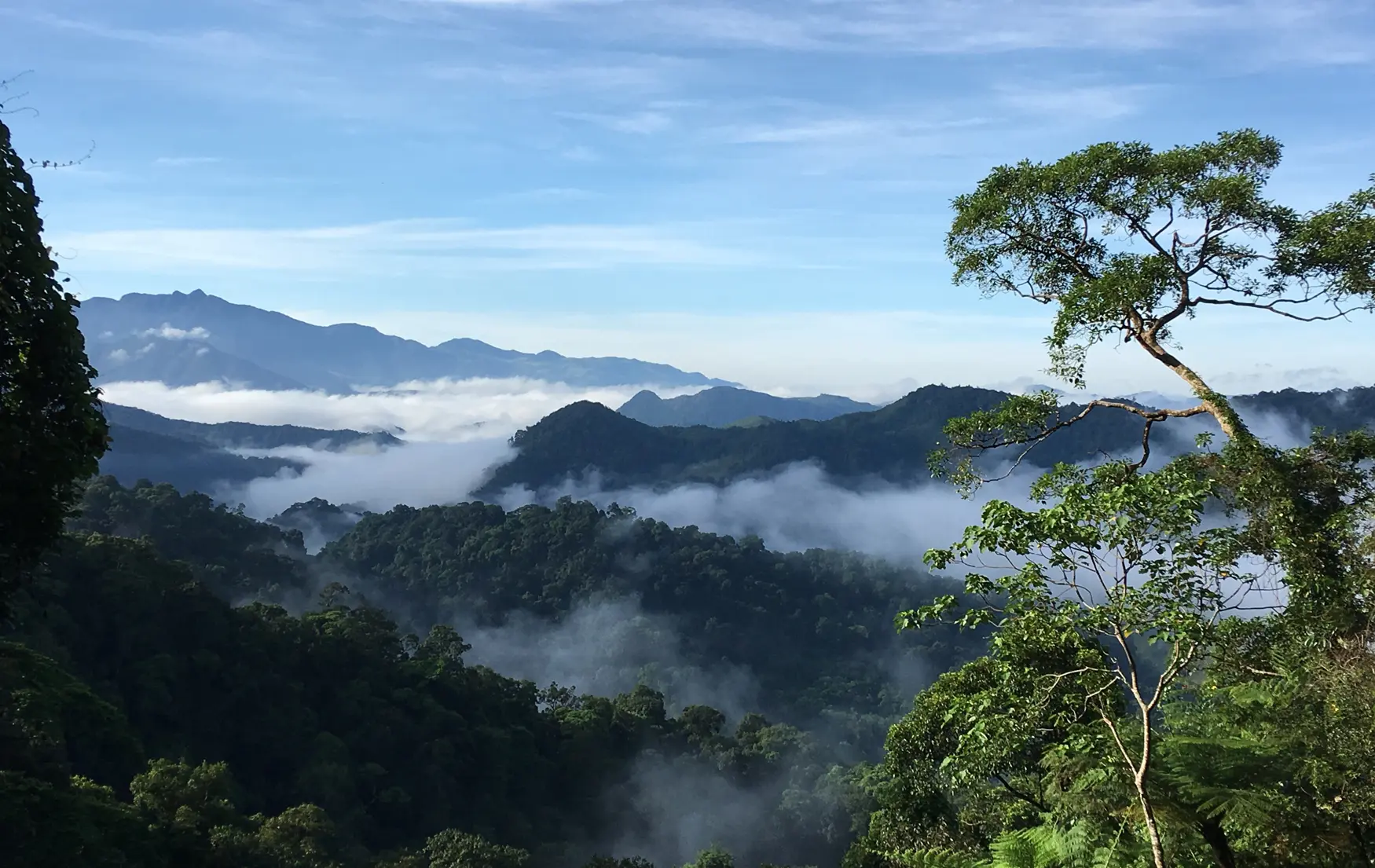
Supporters helped expand the Guanacas Reserve, protecting one of the few remaining cloud forests in Colombia’s Antioquia region and safeguarding 665 species.

New Partners: 2023

Instituto Marcos Daniel

Instituto Marcos Daniel
Instituto Marcos Daniel (IMD) was established as a private non-profit organisation in 2004 to carry out scientific research and biodiversity conservation, and to communicate and encourage a sustainable society in Brazil. IMD’s vital nature conservation work in the region is based on approaches from Conservation Medicine and the One World – One Health concept, and shape IMD’s between human, animal, and environmental health as interconnected. This approach is transdisciplinary and relates to IMD’s mission in pursuing a healthy environment to all living beings, by promoting the conservation of biodiversity and ecosystem protection.

Missouri Botanical Garden – Madagascar Programme (MBG-Madagascar)

Missouri Botanical Garden – Madagascar Programme (MBG-Madagascar)
The Missouri Botanical Garden is headquartered in the USA and in 1987 it launched its Madagascar Programme (MBG-Madagascar), which today is committed to understanding and safeguarding the island’s unique, diverse and highly threatened flora, and their ecosystems. Focused in and around 11 Priority Areas for Plant Conservation, MBG-Madagascar collaborates with communities at the local level to protect the rich biodiversity of the island and the natural heritage of the Malagasy people

Fundación Rewilding Argentina

Fundación Rewilding Argentina
Fundación Rewilding Argentina (FRA) is dedicated to promoting the complete recovery of Argentina’s ecosystems through active species’ reintroductions. Our partner works closely with local communities and provincial governments to develop sustainable ecotourism packages that promote coexistence between people and wildlife. Their vision is one of thriving complete ecosystems with healthy populations of all native species, including large predators such as Puma (Puma concolor) and Jaguar (Panthera onca).
World Land Trust logo

2024: Rebranded

We wanted a symbol that truly represented who we are. Our logo reflects the natural patterns that show how small changes can trigger wider reactions, with the circle expressing balance and wholeness. The Red-eyed Tree Frog felt like the perfect choice, as amphibians are vital indicators of environmental health yet are declining rapidly, with around a third of species now endangered mainly due to climate change and habitat loss.

2024: Connecting Ukuwela

Funding secured the missing link in South Africa’s Greater Ukuwela Nature Reserve, reconnecting habitats for over 1,200 species and enabling the land’s ecological recovery.

2024: Protecting the Ecuadorian Amazon appeal

This appeal supported plans to create a major Provincial Protected Area in Orellana Province, safeguarding 747,000 hectares across 14 ecosystems and strengthening Indigenous stewardship.
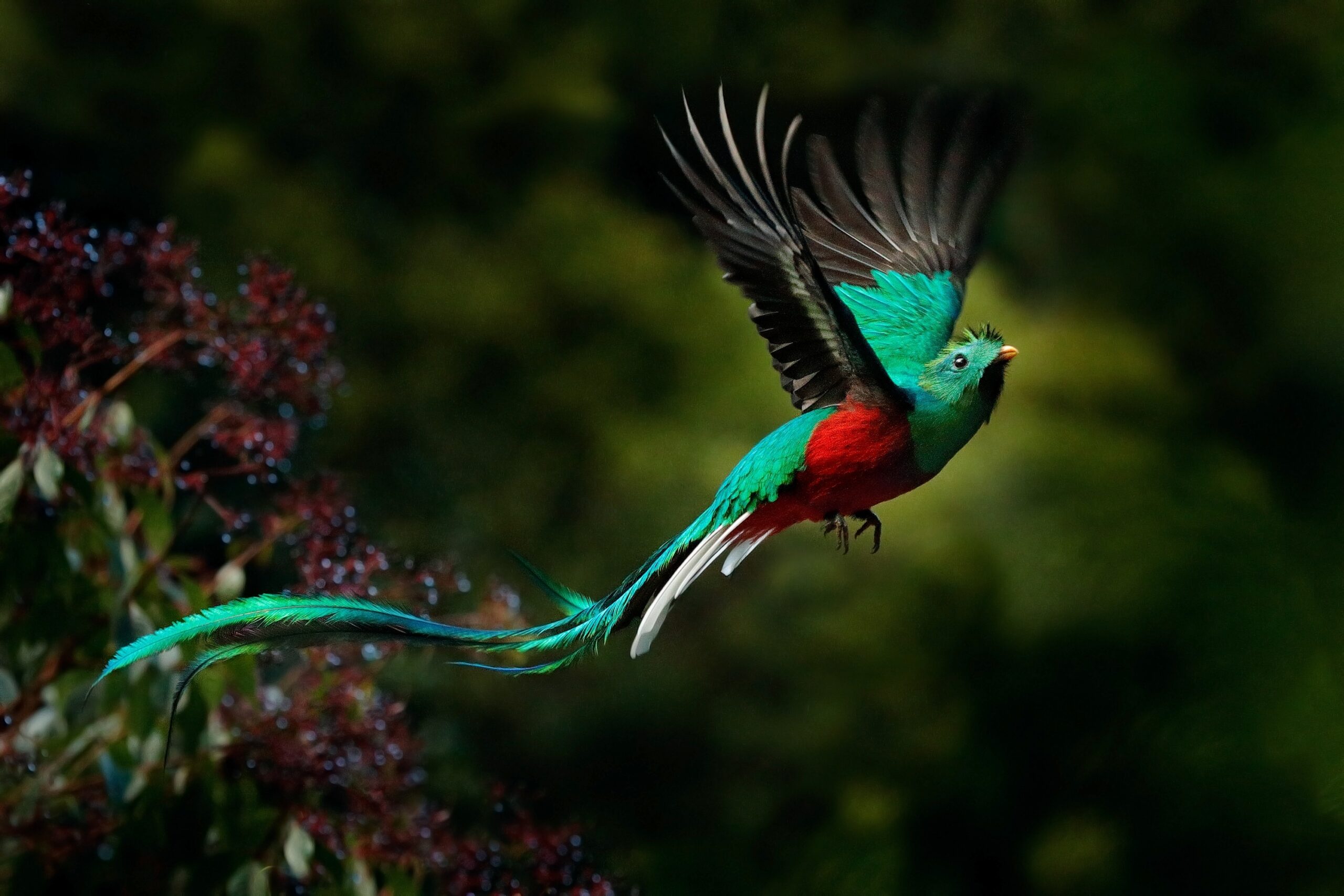
2025: Save the Cloud Forests of Honduras

Supporters enabled AESMO to purchase 91 hectares of cloud forest, protect critical water sources and support rangers safeguarding wildlife in the Mesoamerican hotspot.
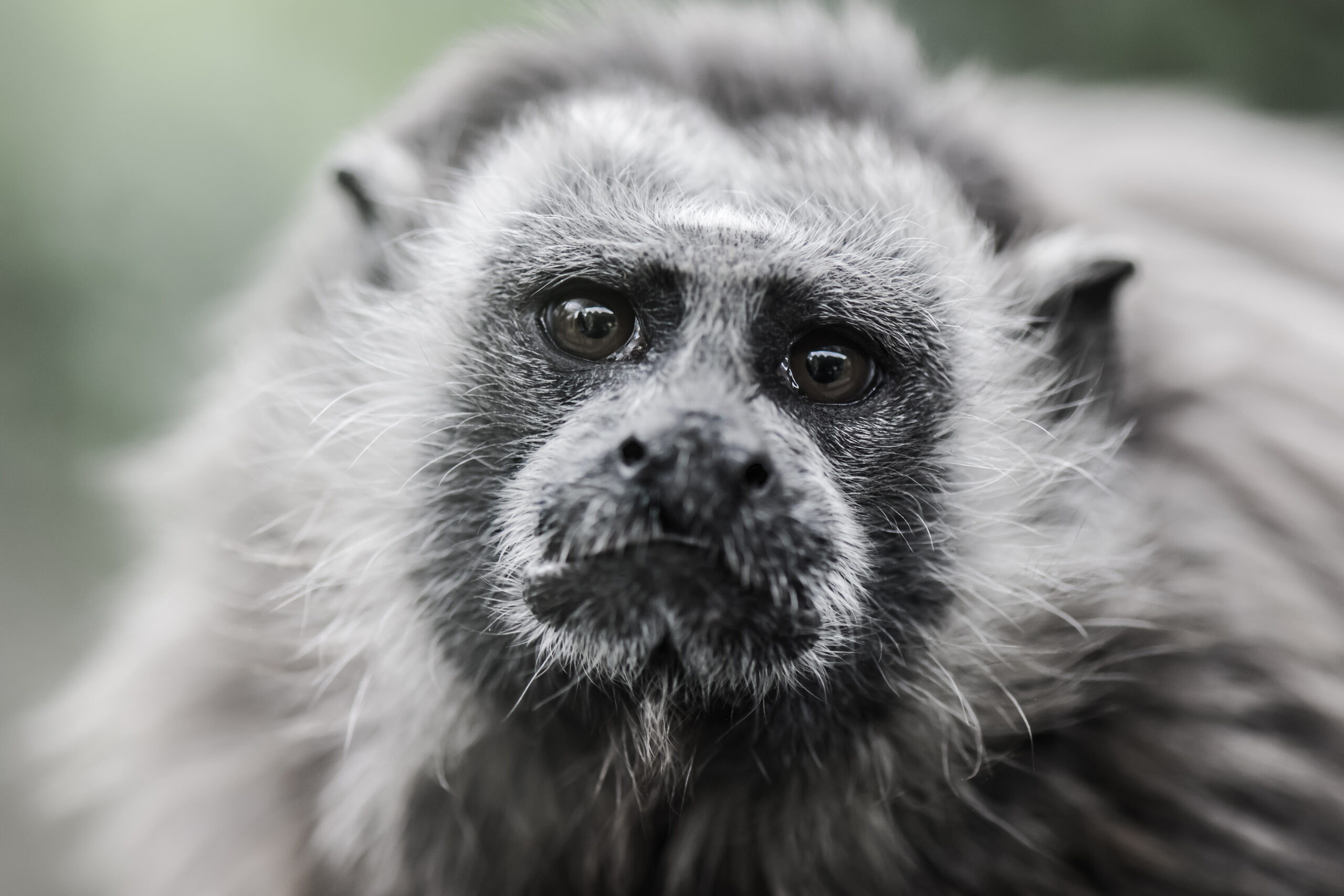
2025: El Silencio

This project expanded the El Silencio Reserve by 1,495 hectares, protecting remaining tropical forests and accelerating plans for a 6,000 hectare wildlife corridor in the Middle Magdalena Valley.

El Silencio

New Partner: 2025

Haribon Foundation

Haribon Foundation

Haribon Foundation for the Conservation of Natural Resources, Inc.(Haribon Foundation) is a pioneering conservation organisation dedicated to safeguarding the unique habitats and wildlife of the Philippines, through participatory and sustainable solutions. Founded to protect the Critically Endangered Philippine Eagle (Pithecophaga jefferyi), Haribon Foundation now serves as BirdLife International’s partner in the Philippines. Their work centres on four key areas: Conserving Sites and Habitats, Saving Species, Encouraging Sustainability, and Empowering People. Through a wide range of projects, Haribon Foundation trains, nurtures, and equips local community members to become the Philippines’ next generation of environmental leaders.