
Atlantic Forest
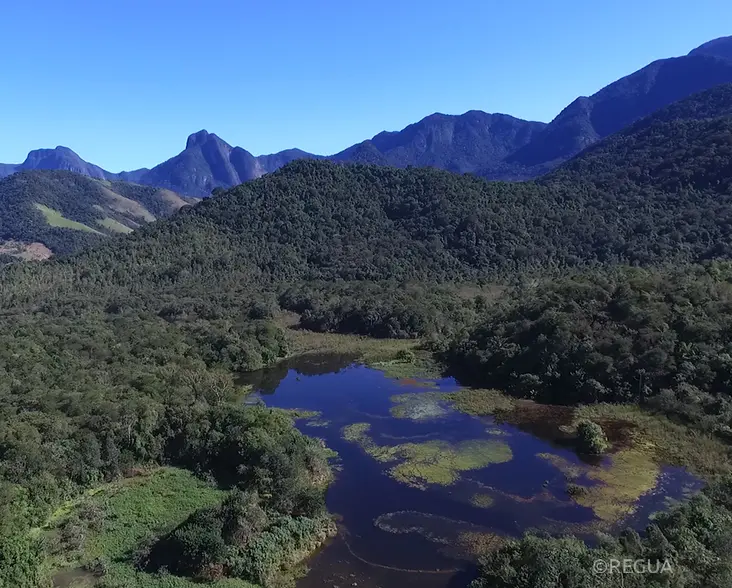
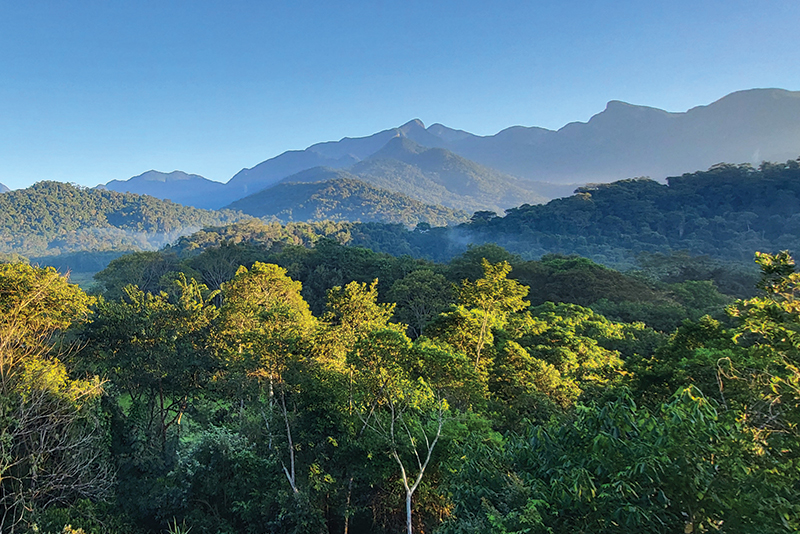
The Atlantic Forest is one of the world’s top biodiversity hotspots, with extremely high levels of endemism. After centuries of deforestation, just 7% of the Atlantic Forest remains, mainly in isolated remnants. Home to around 70% of Brazil’s population, the Atlantic Forest remains threatened by illegal deforestation, urbanisation, industrialisation and poaching.
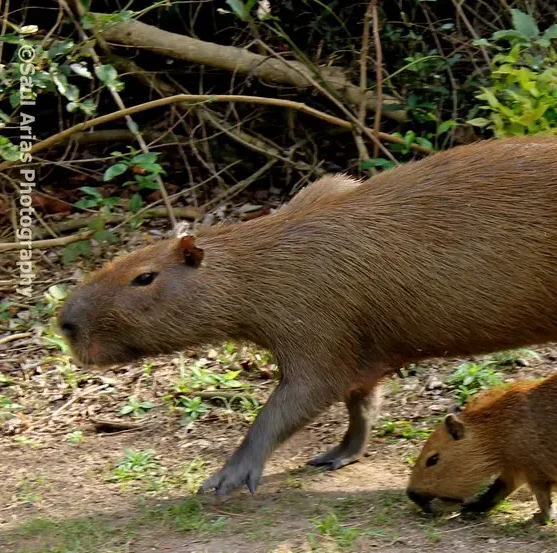
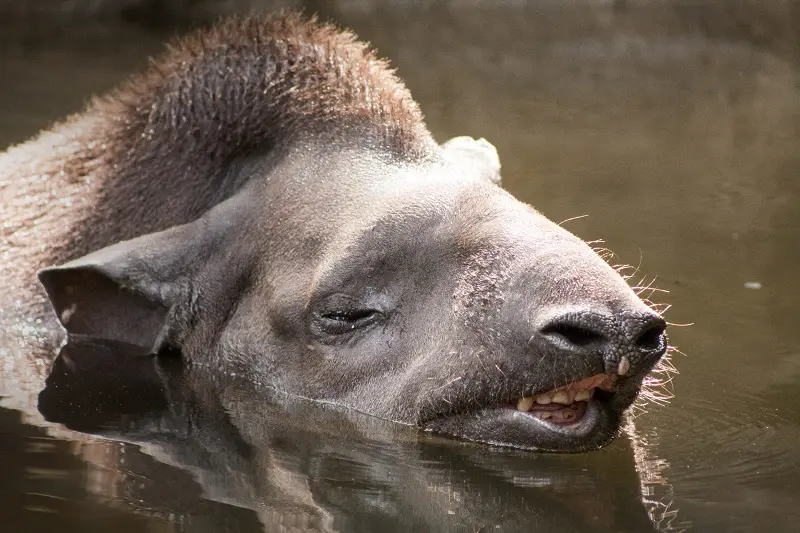
Established in 2001, Reserva Ecológica de Guapiaçu (REGUA) safeguards 11,274 ha (27,859 acres) of Brazil’s remaining Atlantic Forest in the Guapiaçu watershed, owning 7,695 ha and managing the rest in partnerships with landowners. With the help of WLT and other REGUA supporters, 388 ha (959 acres) of pastureland have been reforested, reconnecting isolated forest fragments through the planting of over 624,000 trees from 180 native species, grown mostly from seeds collected within the reserve and nurtured in REGUA’s nursery. REGUA’s team of local rangers protect against poaching, allowing the reintroduction of the Lowland Tapir.
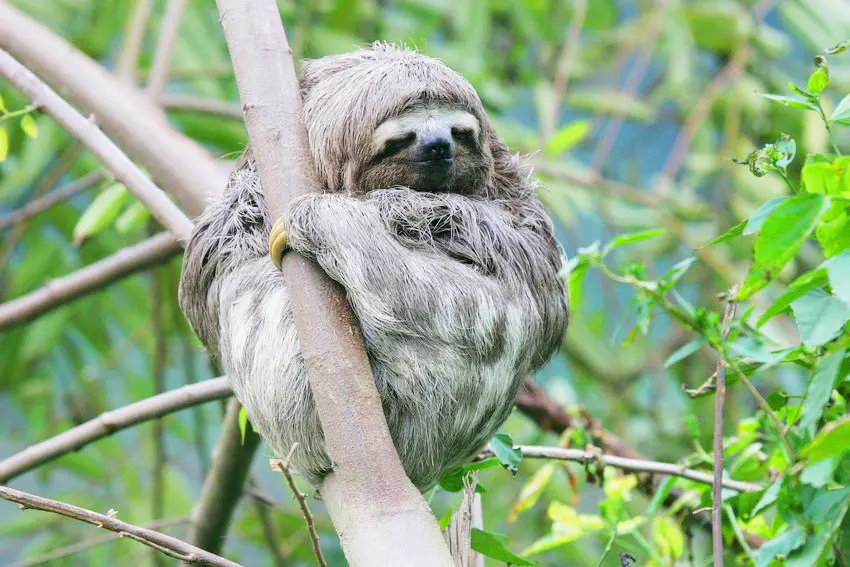
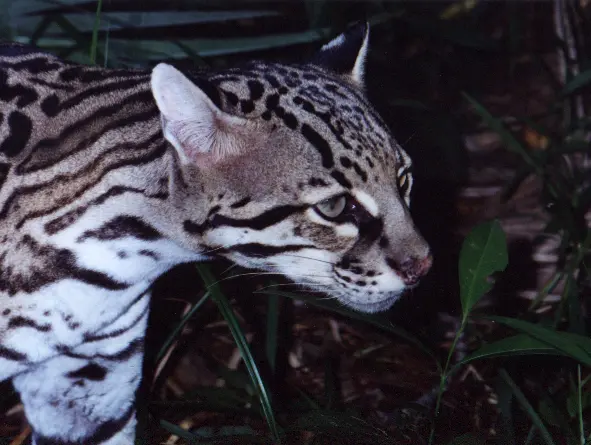
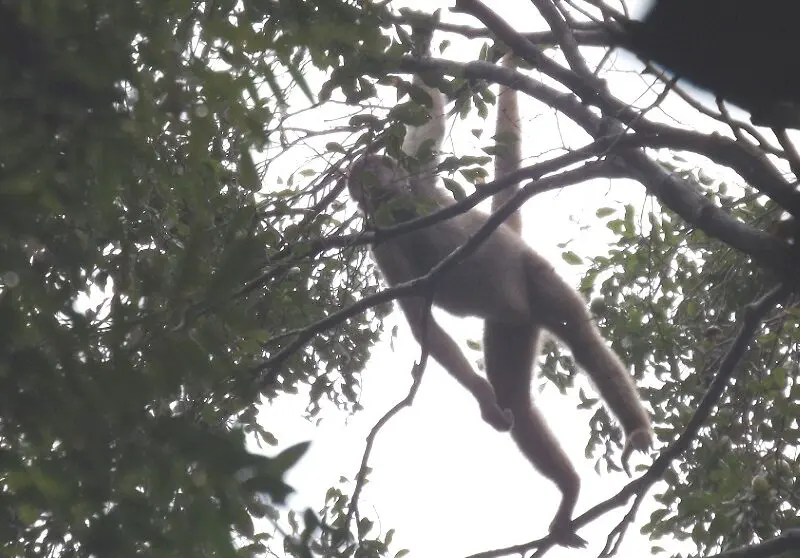
REGUA’s rich biodiversity includes 485 bird species—118 of which are Atlantic Forest endemics—as well as 73 mammal species including Puma, Ocelot, and the Southern Muriqui (Critically Endangered), and an astonishing 208 species of dragonfly.
WLT has supported REGUA’s restoration work since 2006, which continues through our latest Plant a Tree project that will fund 66,680 saplings between 2021 and 2024, restoring 40 ha (99 acres) of forest.
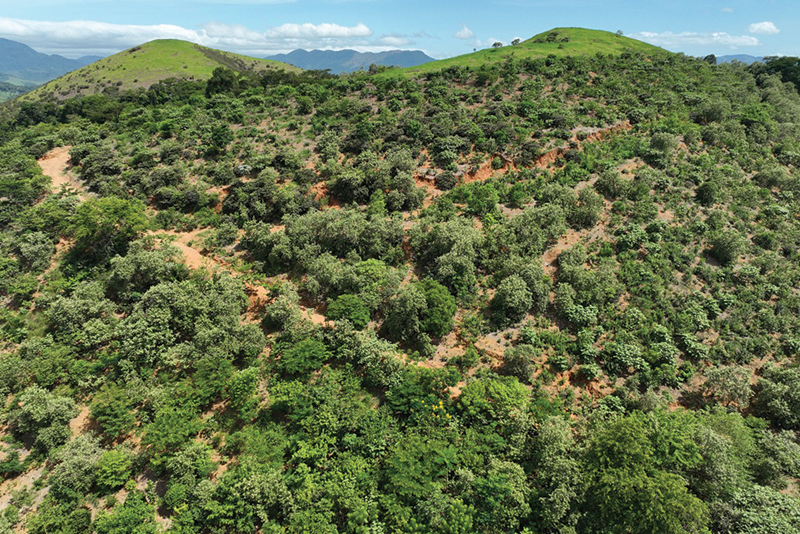
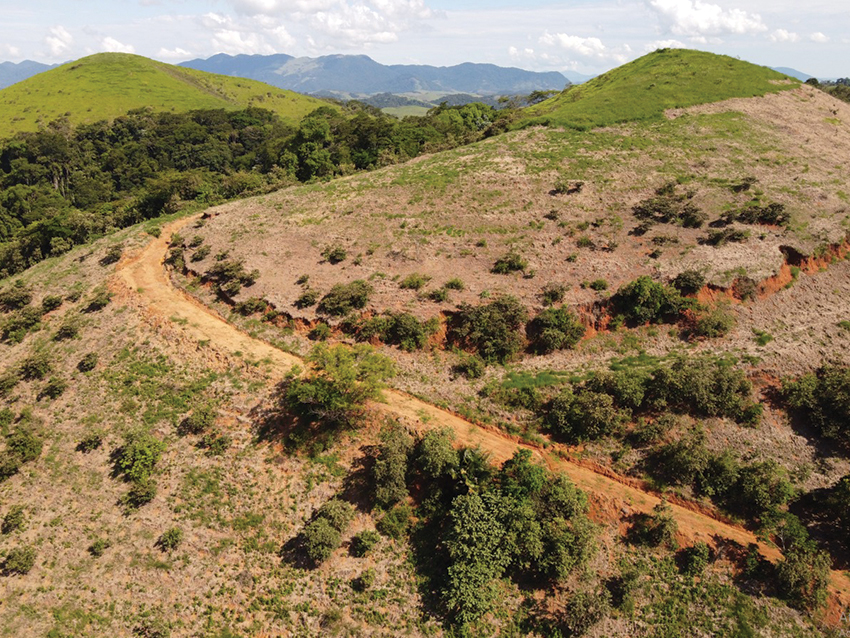
Reforestation in progress
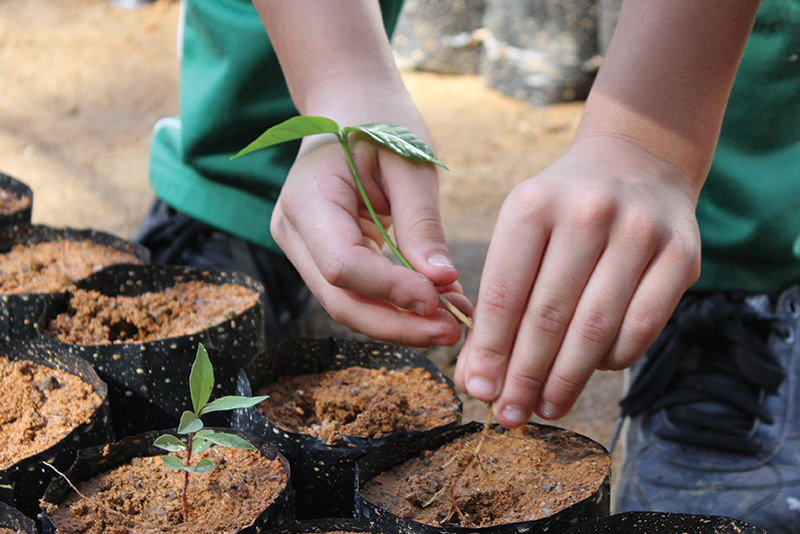 A child planting seedlings in the nursery at REGUA, Brazil.
 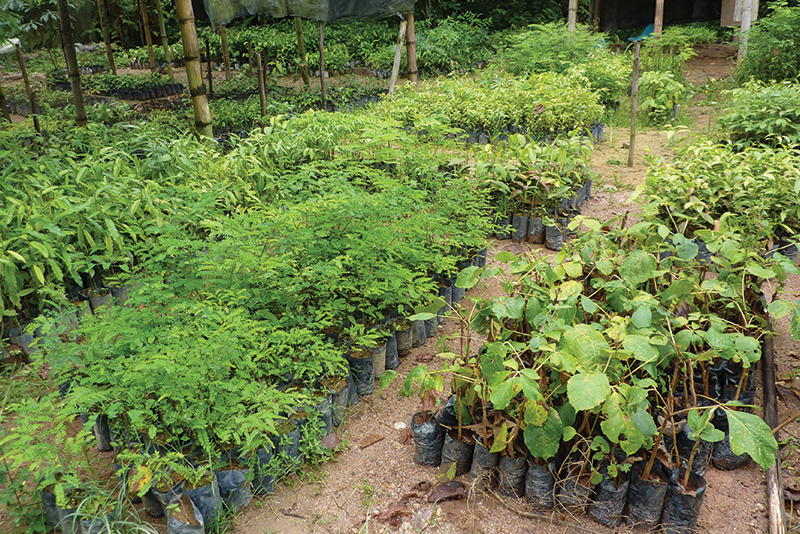 Saplings growing in the nursery at REGUA.
 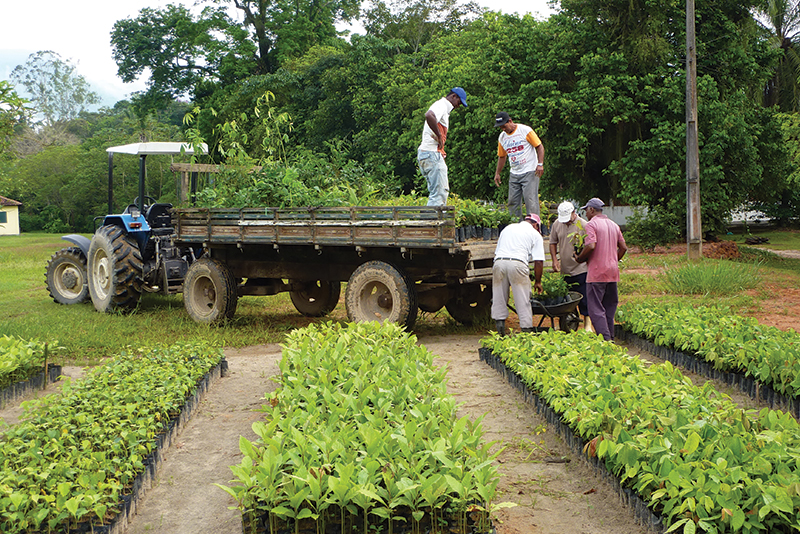 Saplings being loaded onto a trailer to be planted.
 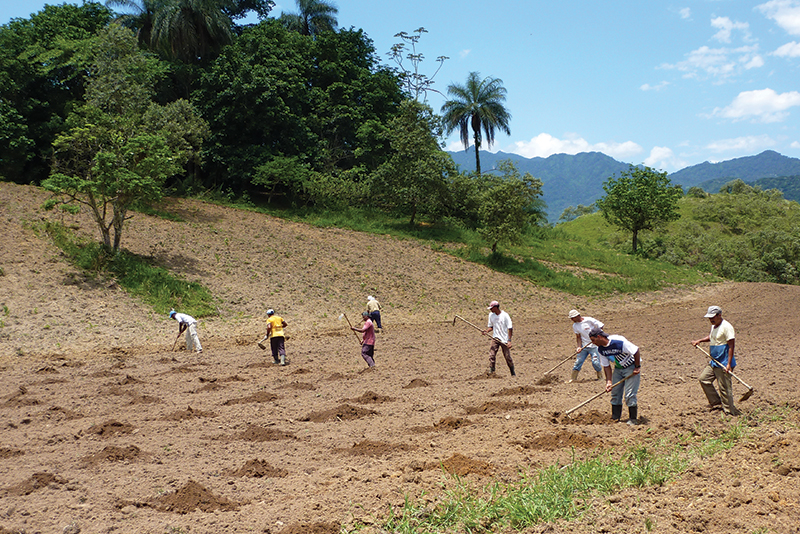 Preparing the ground for tree planting at REGUA.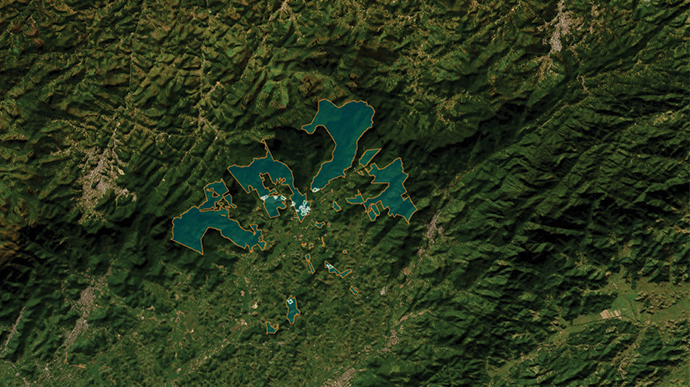
Explore the Atlantic Forest with our Interactive Map
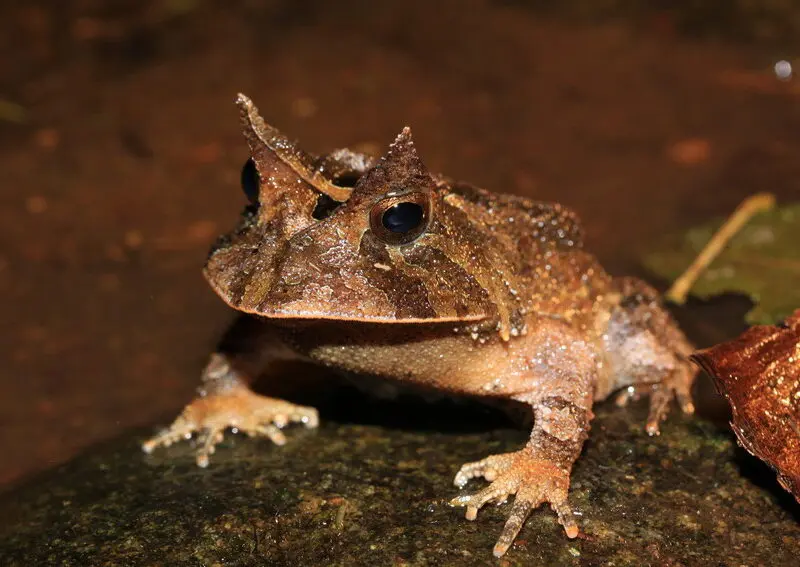
Key Species Protected by the Atlantic Forest
PROJECT PARTNERS
-
REGUA
REGUA’s mission is the long-term conservation of the Atlantic Forest and its biodiversity in the Guapiaçu watershed in the state of Rio de Janeiro, Brazil.