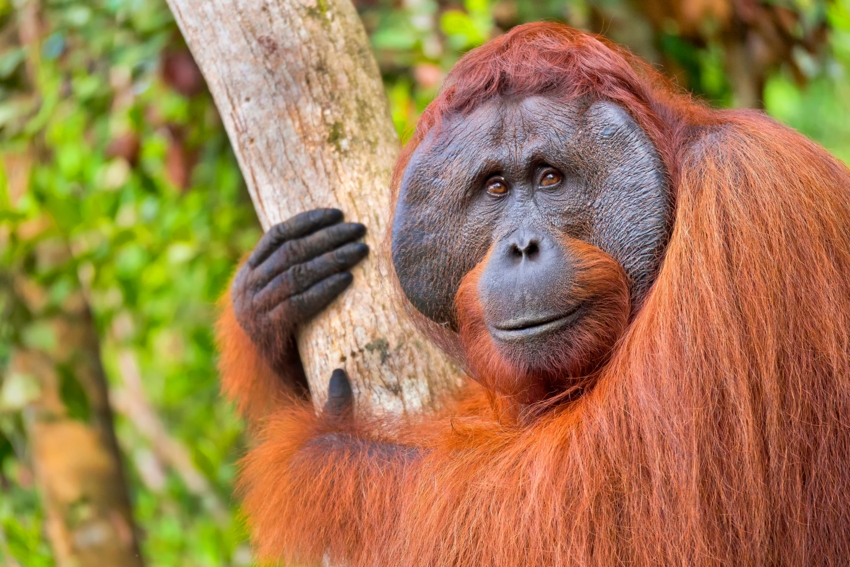
Act Now for Orangutans
This summer, we urgently need your support to raise £287,821 so our partner Hutan can secure 16 ha (40.1 acres) of critically important forest within Borneo’s Kinabatangan floodplain.
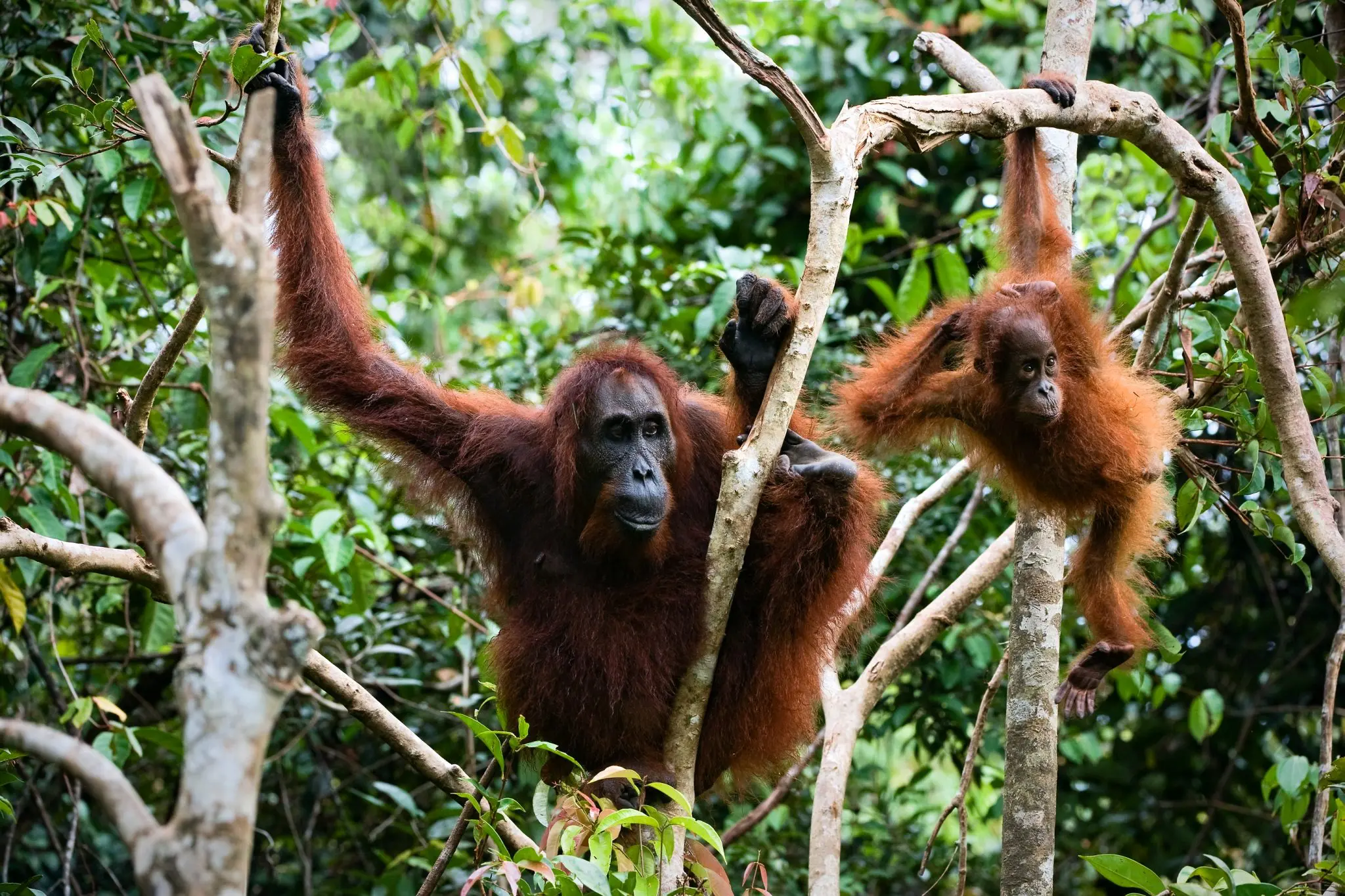
This summer, we urgently need your support to raise £287,821 so our partner Hutan can secure 16 ha (40.1 acres) of critically important forest within Borneo’s Kinabatangan floodplain.
In the week that we celebrate ‘A Million Acts of Hope’, we have some wonderful news to share about our Connecting Brazil’s Atlantic Forest appeal. Thanks to the generosity of our supporters, we’re delighted to announce that we’ve reached our full £197,260 fundraising target.
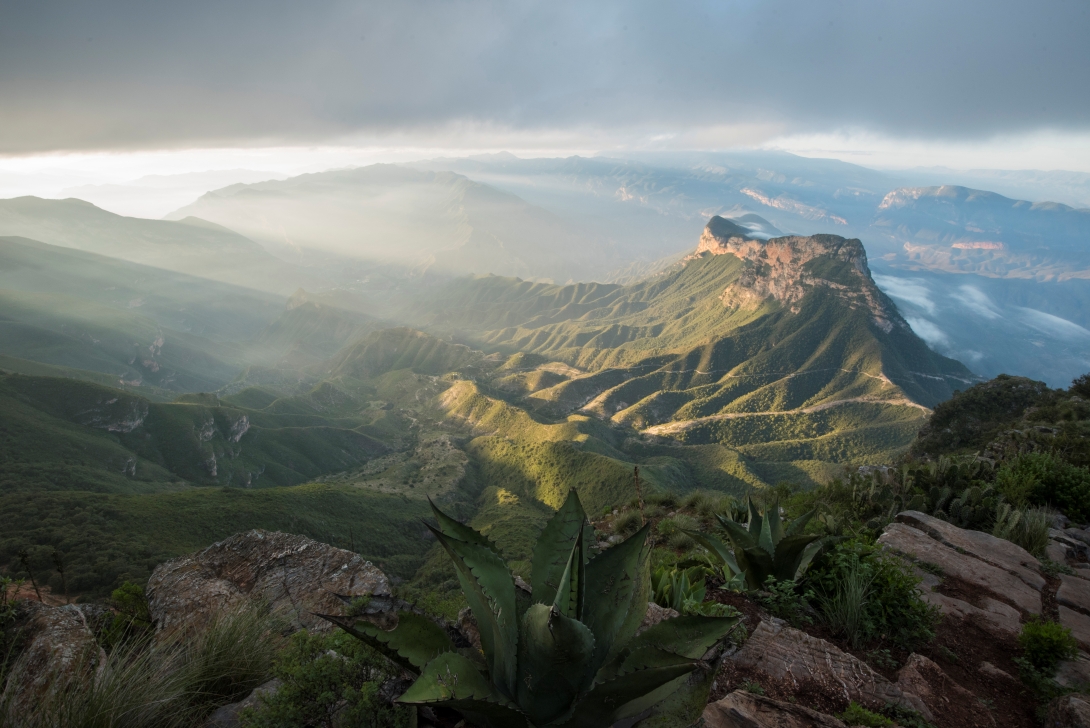
I recently attended the ChangeNOW Summit in Paris, where leaders from across sectors came together to discuss solutions to the climate and biodiversity crises. One thing that struck me was the disconnect between conversations taking place in global forums and the trajectory of the world beyond them.

In this feature, we’d like to share a month-by-month account of the work of our conservation partner Foundation for the Preservation of Wildlife and Cultural Assets (FPWC) in 2025.
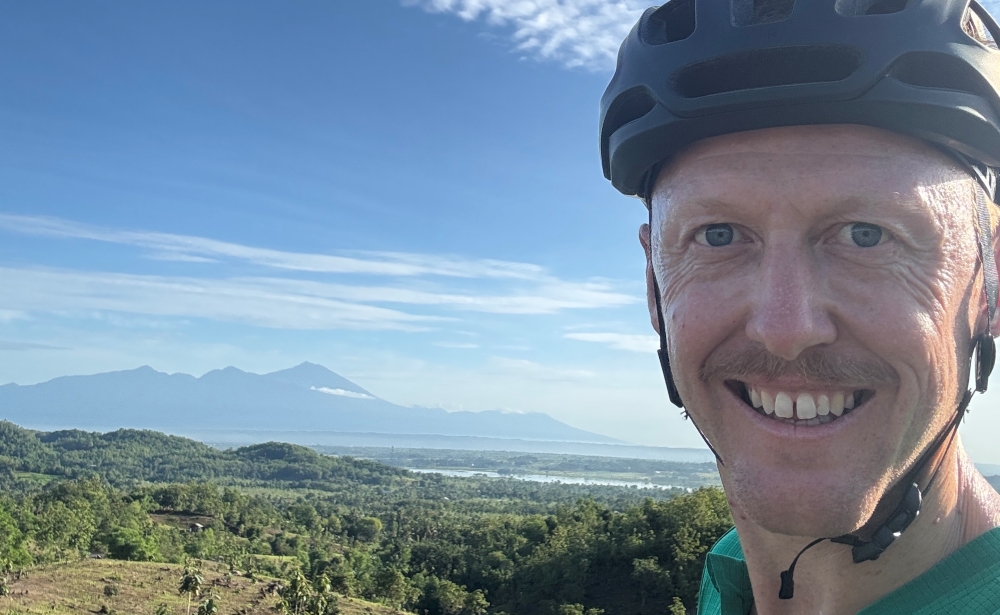
Today, Simon Jones, an amateur cyclist and keen supporter of World Land Trust (WLT), sets off on an extraordinary 35,000 km journey around the planet, aiming to raise £1 million – enough to safeguard 10,000 acres (4,047 hectares) of threatened wildlife habitat.
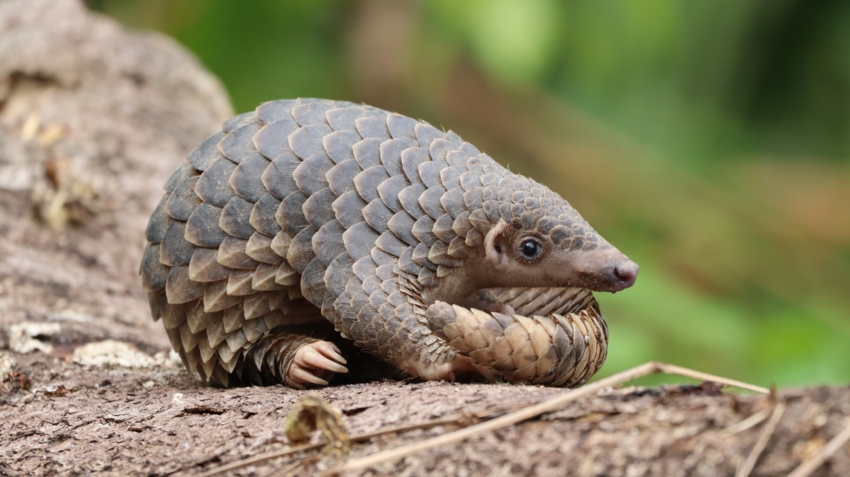
Can you picture a mammal covered head to toe in keratin scales? It may sound like a work of fiction, but pangolins prove otherwise. These unique creatures are much loved by wildlife fans, but also incredibly threatened by poaching and illegal trafficking. Let’s discover more about pangolins and what can be done to protect them.
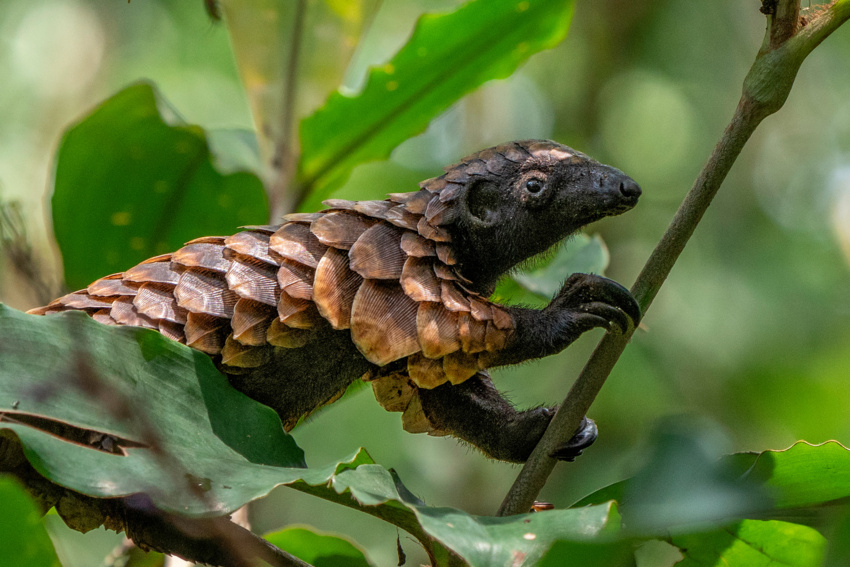
Pangolins are the world’s most trafficked mammal. They desperately need our help and, this week, you can make double the difference to protect them with the Big Give's Earth Raise campaign.
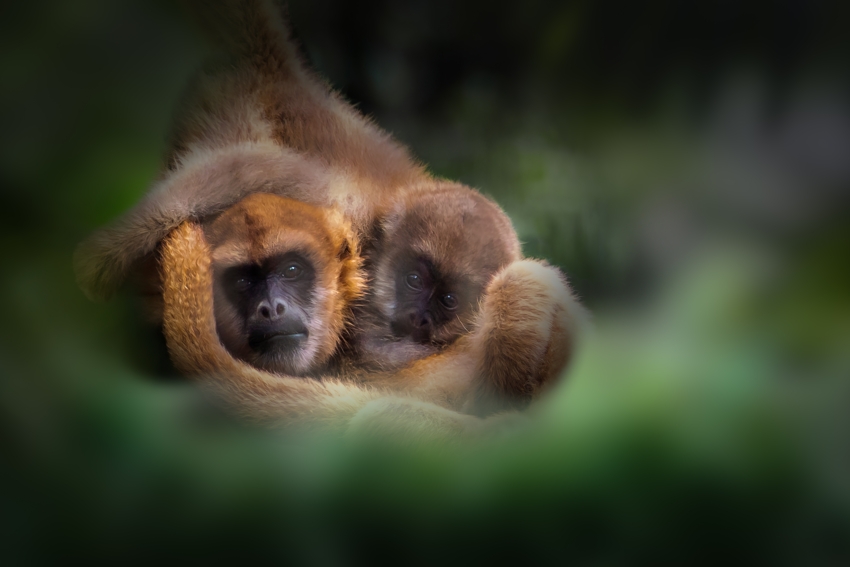
High in the canopy of Brazil’s Atlantic Forest lives the Southern Muriqui (Brachyteles arachnoides). Known locally as the mono-carvoeiro, meaning the “charcoal monkey” for its dark grey face, this long-limbed acrobat was once abundant throughout South America, but is now only found in the diminishing forests of Brazil’s Atlantic coast.
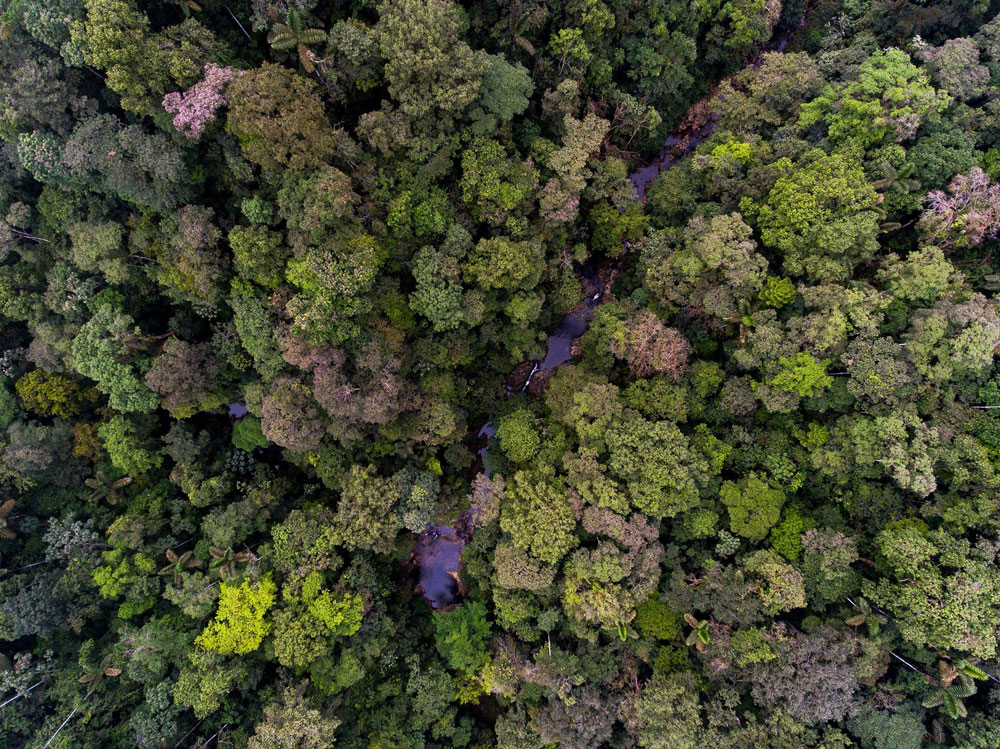
A groundbreaking new scientific study published in the leading science journal Nature has shown that when protected and given time to recover, tropical forests can regain more than 90% of their biodiversity within just 30 years. These findings come from our partner Fundación Jocotoco’s (Jocotoco’s) Canandé Reserve...
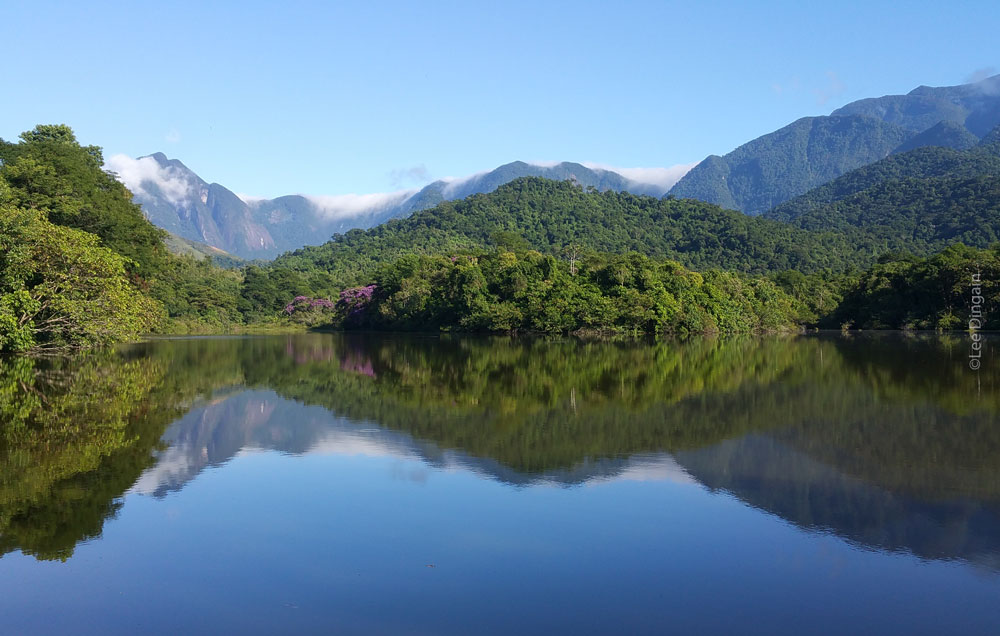
Covering a third of Earth's land surface, forests are not only the most biodiverse terrestrial ecosystems, but also perform ecosystem functions essential for all life. Integral to the global water cycle, forests also provide “ecosystem services” that quietly benefit human wellbeing and quality of life...
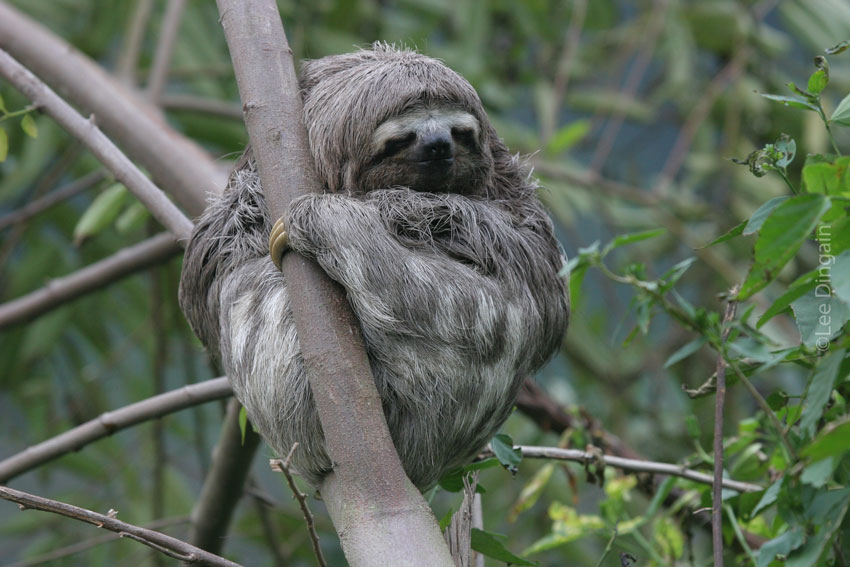
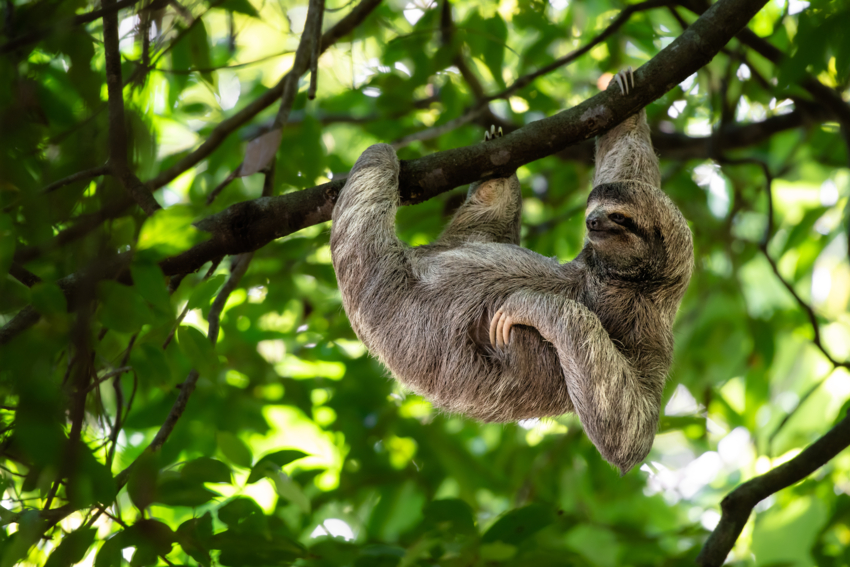
High in the canopy of Reserva Ecológica de Guapiaçu (REGUA), the movement of the Brown-throated Sloth (Bradypus variegatus) is almost imperceptible. Its shape shifts slowly among the leaves, limbs draped over a branch, peacefully minding its unhurried business as the busy forest hums all around...
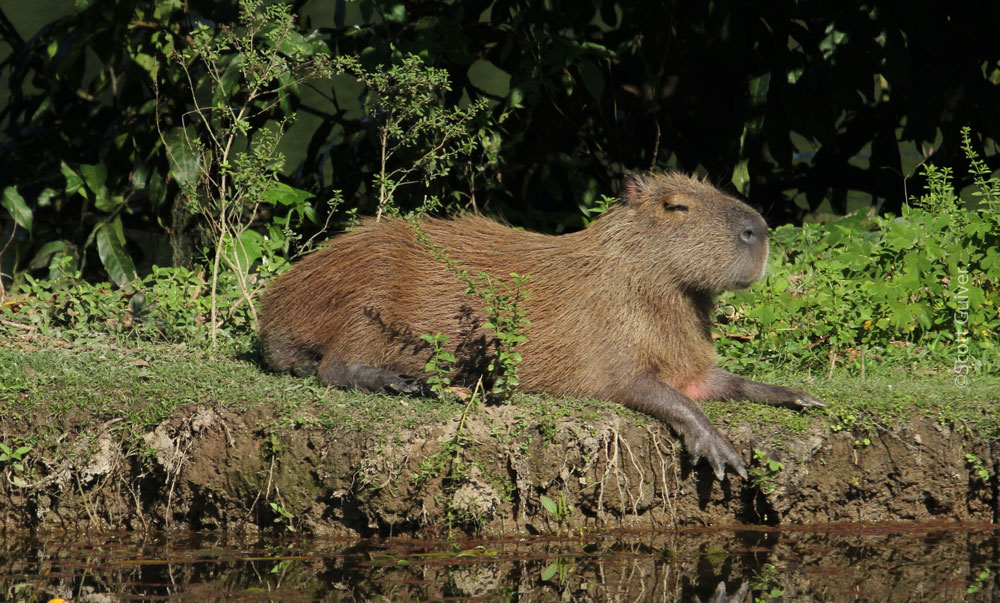
Capybara (Hydrochoerus hydrochaeris) might be one of the world’s most popular animals, and for good reason. An extremely social species that enjoys basking on the banks of rivers and soaking up the sun, they are often seen surrounded by fellow residents of the ecosystem...