Río Manduriacu officially recognised as a Wildlife Refuge
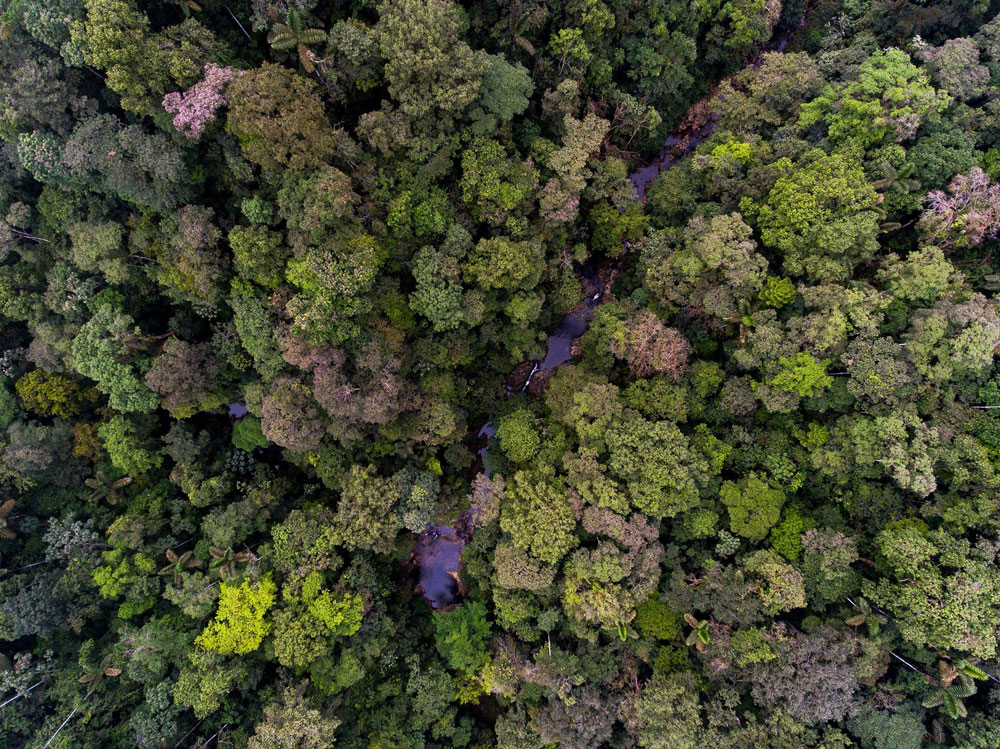
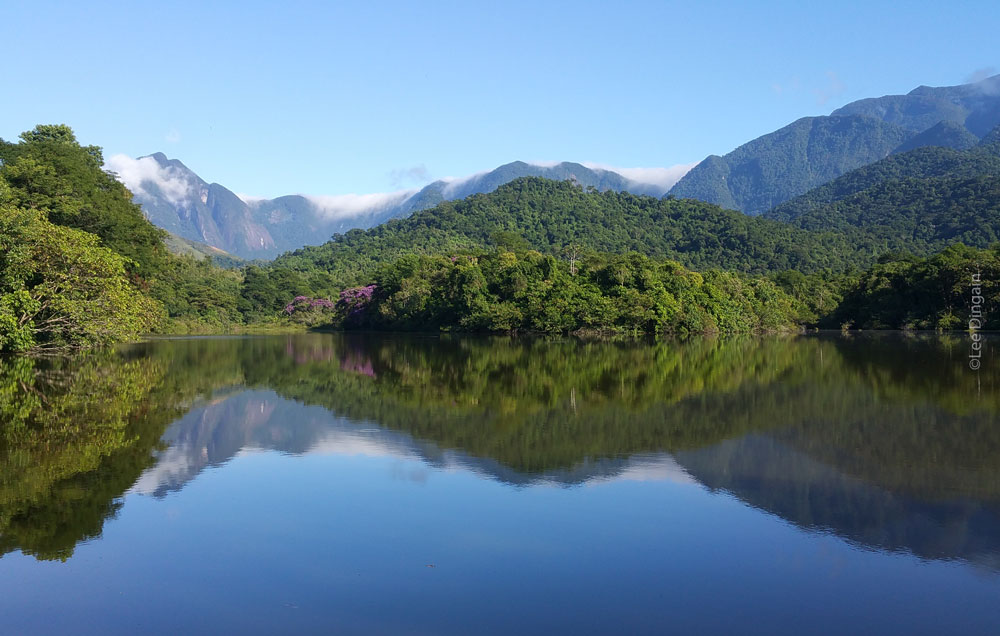
We are delighted to announce that our conservation partner Fundación Ecominga (EcoMinga’s) Río Manduriacu Reserve has been officially declared a Wildlife Refuge.
A flash of orange and black in the canopy has marked a major conservation milestone in India’s Western Ghats with the first ever sighting of a Painted Bat (Kerivoula picta) in the Ratnagiri district.
Found only in Colombia, the White-footed Tamarin (Saguinus leucopus) is a fascinating and little-known inhabitant of Colombia’s Middle Magdalena Valley.
A major scientific discovery has emerged from the forests of Ecuador: twelve new species of Bibrax beetles have been described – a dramatic expansion of a genus that, until recently, was believed to contain just two known species: Bibrax bradleyi from Panama and Bibrax popeye from Colombia.
From 9–15 October, World Land Trust’s (WLT’s) Conservation Team joined thousands of conservationists, researchers, Indigenous leaders, and policy experts for the 2025 IUCN World Conservation Congress in Abu Dhabi. This year’s Congress – the largest global gathering for nature – set out a collective vision for the next 20 years of conservation, with a strong emphasis on meaningful inclusion and cooperation across sectors.
A recently published paper “Are Carbon Offset Fixable?” out of Oxford University has once again called into question the effectiveness of carbon offsetting in the context of reducing atmospheric carbon levels at a global scale. The review paper, which looked at 25 years of evidence, discusses common issues with carbon credit schemes such as difficulties in properly quantifying the amount of carbon offset by projects, which the paper states can lead to over-estimating, double counting, and permanence.
When we were researching species to highlight for this year’s World Land Trust (WLT) autumn appeal, one name kept coming up: the Blue-billed Curassow (Crax alberti). And the more we heard, the more intrigued we became.
This year marks the 20-year anniversary of Fundación Biodiversa Colombia’s (FBC’s) founding. What began in 2005 as a passionate team of friends with a shared vision for Colombia’s landscapes and wildlife has now become one of Colombia’s most respected conservation organisations – and now you can be part of their mission.
In Colombia’s Middle Magdalena Valley, life follows the rhythm of the water. Each year, during the subienda – the annual fishing season – families from nearby towns and even Barrancabermeja and Puerto Berrío, two cities more than an hour away, set out in their boats towards the wetlands.
The Magdalena River Turtle (Podocnemis lewyana) is one of Colombia’s most remarkable species and one of its most threatened. Found nowhere else, this Critically Endangered freshwater turtle was recently named among the world’s most imperilled turtles in the 2025 report: Turtles in Trouble.
A manmade canal is cutting a course from the Magdalena River into the Barbacoas Lake, with potentially devastating consequences for both its wildlife and local communities. Credit: Fundación Biodiversa Colombia (FBC)
From tropical forests to flooded wetlands and charismatic primates to unique bird species, Colombia’s El Silencio reserve is brimming with beauty and life. Let’s explore it…