
Buy an acre
Habitat loss is the greatest threat facing wildlife worldwide. We believe that by protecting land, acre by acre, we are taking the best action to ensure a future for wildlife.
I recently attended the ChangeNOW Summit in Paris, where leaders from across sectors came together to discuss solutions to the climate and biodiversity crises. One thing that struck me was the disconnect between conversations taking place in global forums and the trajectory of the world beyond them. For many of us, it barely needs saying that we, as a planet are living through a period of extraordinary turbulence, more conflicts are taking place today than at any point since the Second World War. The humanitarian consequences are devastating and, in many cases, underreported.
But there is another dimension to this crisis that receives far less attention, despite its significance. While conflict devastates human lives and societies in the name of national security, it also has profound global environmental impacts that feed back into that very insecurity we claim to be trying to ameliorate.
Biodiversity loss, alongside climate change, is amongst the biggest medium to long term threat to domestic food production – through depleted soils, loss of pollinators, drought and flood conditions.UK National Security Assessment on Global Ecosystems
Conservation is continuously treated as an isolated issue, almost a luxury cause that can wait to be addressed in an ideal world once the ‘real and pressing’ problems have been dealt with. But the natural world is not some secondary concern to be set aside until the ‘real’ crises are over. Nature fundamentally underpins human security and that is now being formally recognised. As we saw in January, the UK government published a national security assessment examining how global biodiversity loss and ecosystem collapse could affect this country’s resilience, security and prosperity. It concluded that environmental degradation disrupts everything from food and water to health and supply chains because declining crop yields, water scarcity, and the loss of productive land and fisheries can drive geopolitical instability within and between nations. In other words, the erosion of nature is shaping geopolitics so why is it not bigger news? Why is it not treated as urgently as other threats to national security like economics and conflict?
As it stands, at precisely the moment when governments should be responding with seriousness, long-term thinking and a clear understanding of interdependence, we are seeing the opposite. We are seeing renewed militarisation and a rise in defence spending by a political culture that still behaves as though security can be delivered through force, while the ecological foundations of security are allowed to deteriorate. There is a deep contradiction here and we simply cannot claim to be responding to risk while actively driving the conditions that make instability worse.
The erosion of nature is shaping geopolitics so why is it not bigger news? Credit: ©Neelsky
A huge part of this problem is that the environmental impacts of conflict remain largely invisible in formal accounting. Military emissions, for example, are still not fully integrated into national reporting frameworks. Under the Paris Agreement system, reporting of direct and indirect emissions from military activities and armed conflict are voluntary and often excluded altogether. This creates a significant gap in our understanding of global emissions because a major source of greenhouse gas emissions is somehow exempt from the frameworks meant to track and mitigate them. Research shows that military emissions extend across a wide chain of activity that includes military bases, aviation and naval operations, weapons production, the destruction of carbon stores during war, and the vast reconstruction effort that often follows which can generate emissions in the hundreds of millions of tonnes of CO2.
We speak, rightly, about the human cost of war, although even that public conversation is often severely lacking, but we speak even less about what bombardment, scorched earth tactics, mass displacement, infrastructure destruction and reconstruction mean in carbon terms, in ecological terms, in land-use terms, and in the long-term degradation of water, forests, and soils. We do not often ask what happens when large numbers of people are forced into ever more precarious conditions with limited access to land, fuel, food, and clean water. If we continue to degrade the natural systems on which societies depend, we increase the likelihood of further conflict. If conflict then accelerates environmental degradation, we create a self-reinforcing cycle. Breaking that cycle requires a shift in how we think about power, security and our relationship with the natural world.
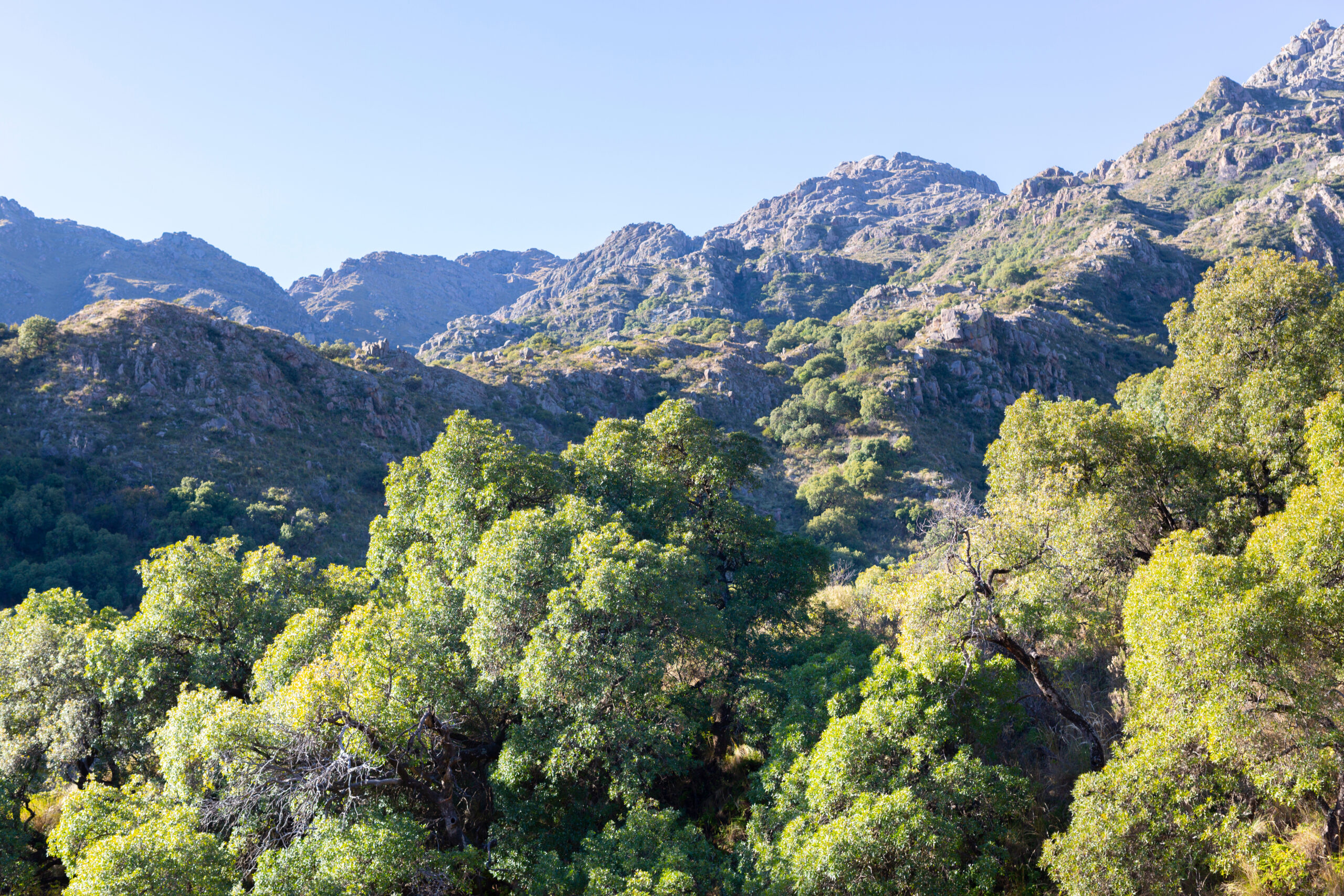
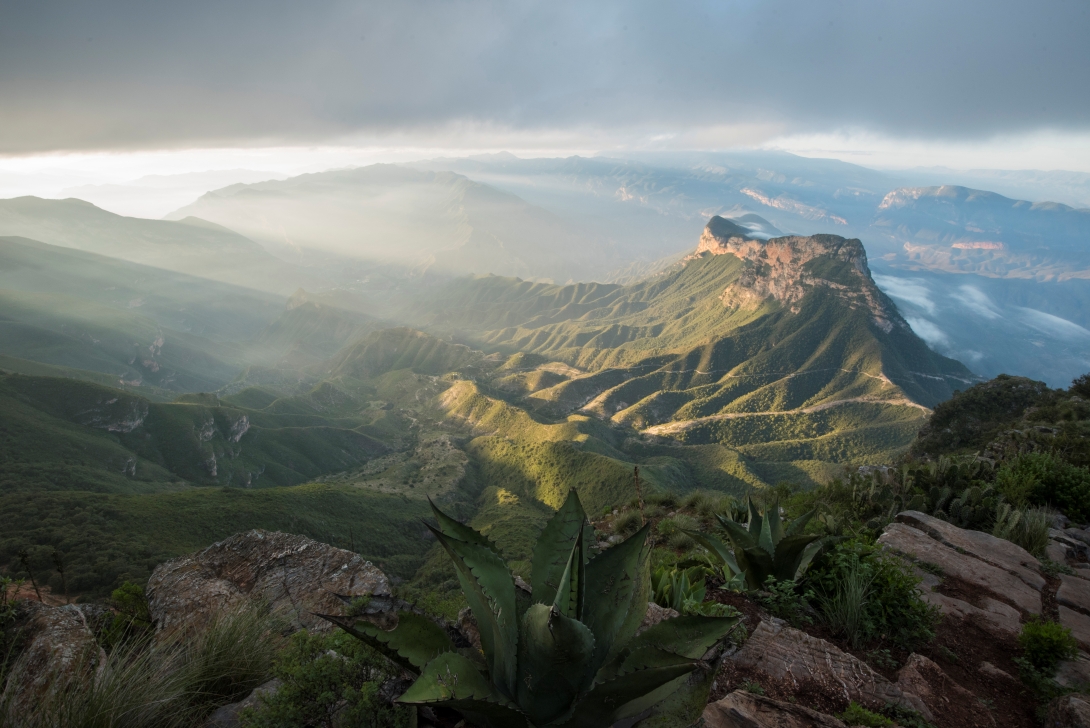
Breaking the cycle of conflict and environmental degradation requires a shift in our relationship to the natural world. Credit: ©Pablo Rodriguez
The UK government’s own assessment points in the same direction. It warns that nature is a foundation of national security, and that biodiversity loss is putting at risk the ecosystem services on which societies depend. None of this should surprise us. We have known for a long time that ecological breakdown and social breakdown are intertwined. Ecosystem changes reshape where people can live, how economies function, and what states and armed groups fight over. If current rates of biodiversity loss continue, the UK assessment warns that some ecosystems could begin collapsing from as early as 2030, with others following later. It also makes a stark point about food security: without significant increases in resilience, it is unlikely the UK would be able to maintain food security if ecosystem collapse drives geopolitical competition for food.
So where does that leave us? First, it means being honest about failure. The international community has been very good at producing declarations, targets, and speeches. It has been much less good at confronting the systems that continue to drive ecological decline and human insecurity together. We cannot continue with a model that treats nature as expendable. Second, it means recognising that a different approach already exists. Around the world, and across the World Land Trust network, and particularly within Indigenous and local communities, we see systems of land management that are based on long-term stewardship rather than short-term exploitation that are practical, adaptive and rooted in an understanding of limits.
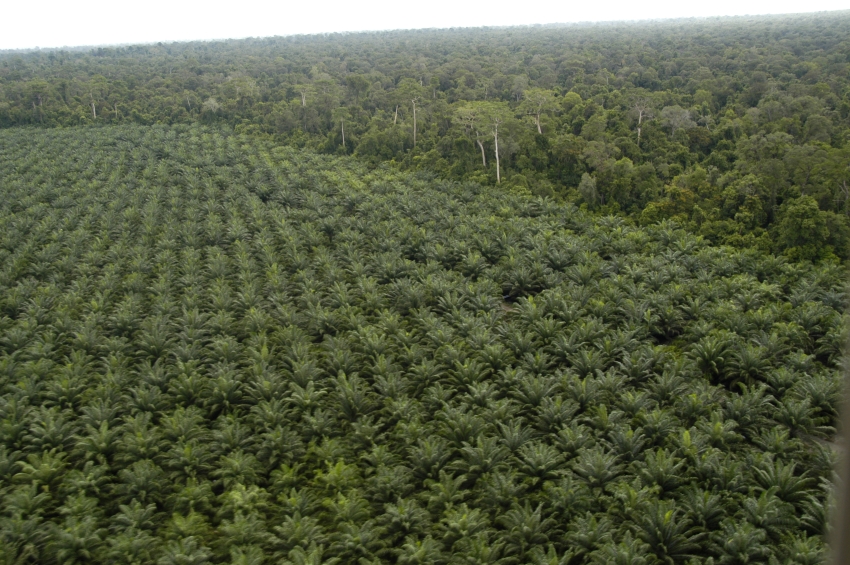
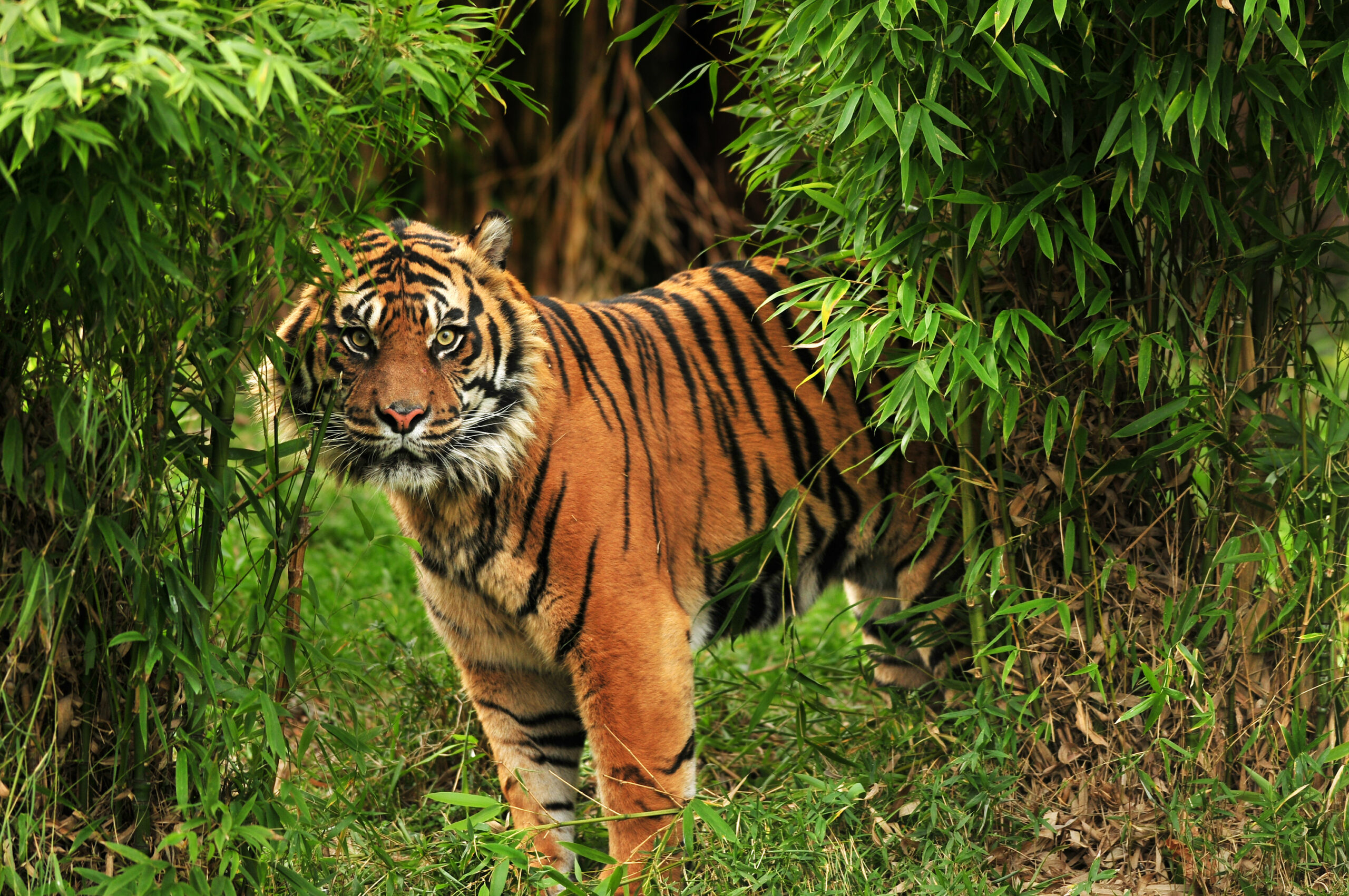
The international community has been very good at producing declarations, targets, and speeches. It has been much less good at confronting the systems that continue to drive ecological decline. Credit: ©Kirsty Burgess
At this year’s ChangeNow Summit, I was honoured to be recognised as one of the 25 Women for Change, a generous acknowledgement that I see very much as being on behalf of all the women in our network who are working in the face of innumerable barriers to make the world a better place. If we are serious about resilience, then we need to value the people and knowledge systems that have kept landscapes functioning over the long term. We need to support those who work with nature. This is why local, practical conservation matters so much, even in a world shaped by vast geopolitical forces. These efforts are not a substitute for political leadership, and they should never have to carry the burden alone. They protect forests, water sources, and livelihoods, strengthening resilience on the ground and showing, in tangible ways, that another model is possible.
The environmental cost of conflict is one of the great silences of our time. If we continue to ignore it, we will continue to misdiagnose the crisis we are in. Nature loss, climate change, conflict and insecurity are not separate emergencies competing for attention. Until our politics begins to reflect that reality, the gap between what leaders say and what the world needs will only widen. The task for the rest of us is to keep naming that truth, and to keep backing the people and partnerships already building something better.
Habitat loss is the greatest threat facing wildlife worldwide. We believe that by protecting land, acre by acre, we are taking the best action to ensure a future for wildlife.
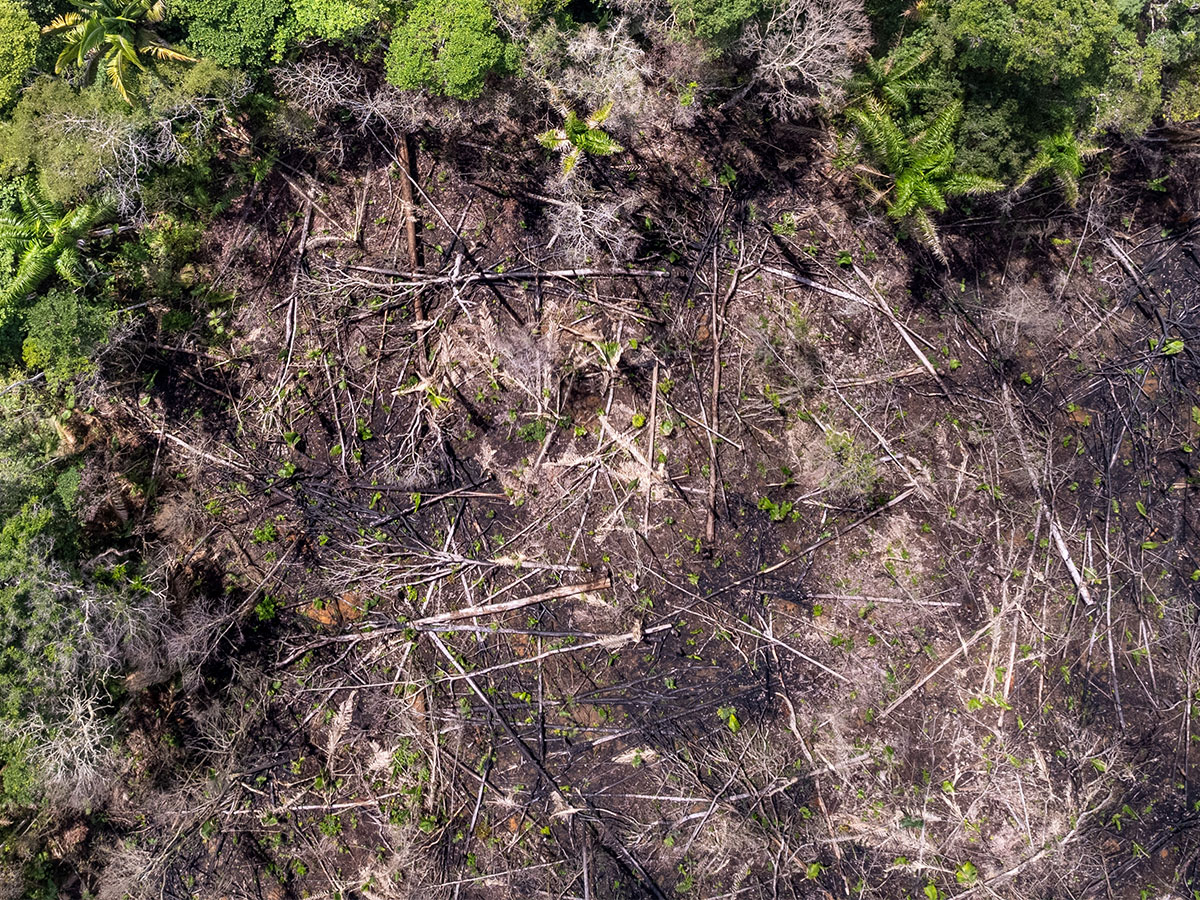

By donating to World Land Trust’s Action Fund, we are able to act quickly, whenever and wherever urgent conservation action is needed.
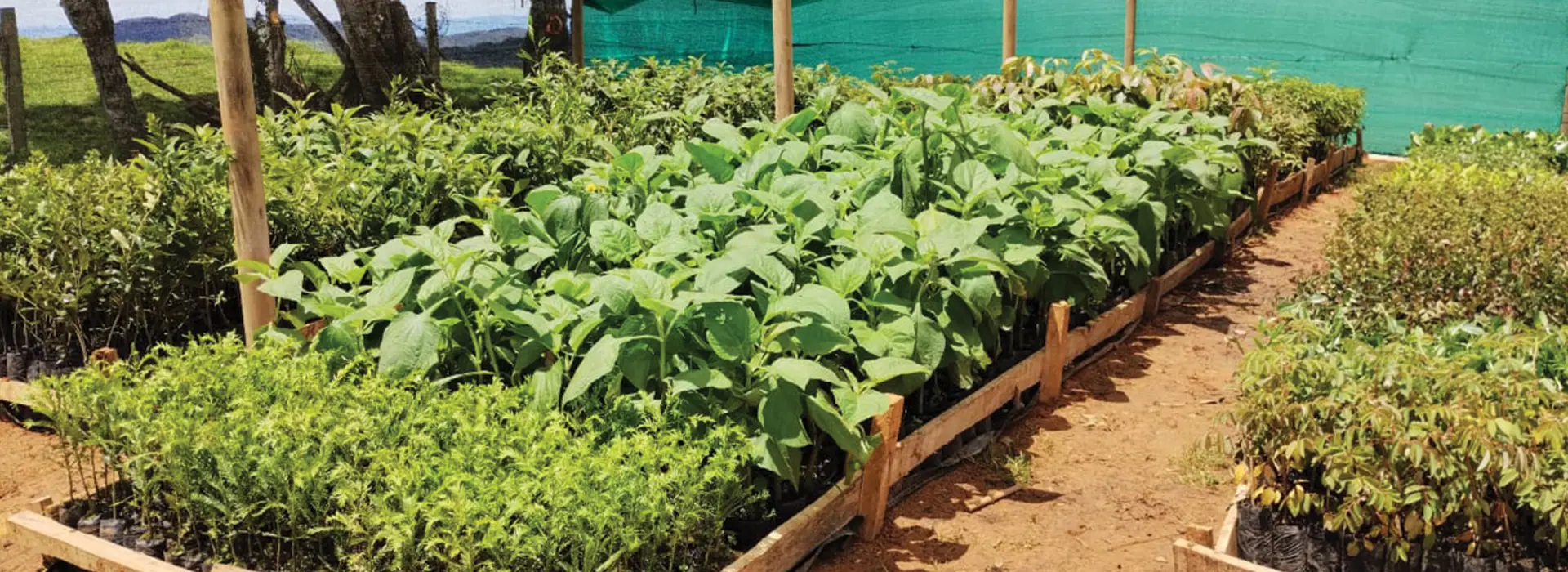

Reforestation is one of the main methods of restoring many damaged ecosystems, with Plant a Tree, you can bring vital forest habitats back to life.