
Action Fund
By donating to World Land Trust’s Action Fund, we are able to act quickly, whenever and wherever urgent conservation action is needed.
A groundbreaking new scientific study published in the leading science journal Nature has shown that when protected and given time to recover, tropical forests can regain more than 90% of their biodiversity within just 30 years.
These findings come from our partner Fundación Jocotoco’s (Jocotoco’s) Canandé Reserve in western Ecuador’s Chocó region and nearby landscapes. The reserve was the focus of our 2020 autumn appeal, with vital support from WLT supporters and the Brindle Foundation helping to secure and strengthen this critical area for wildlife. Together, these results provide powerful evidence of the impact of long‑term conservation.
We can witness the spectacular return of animals in our lives. The power to restore what we have lost is in our hands”Dr. Martin Schaefer, Biology and Conservation Scientist and CEO of Jocotoco.
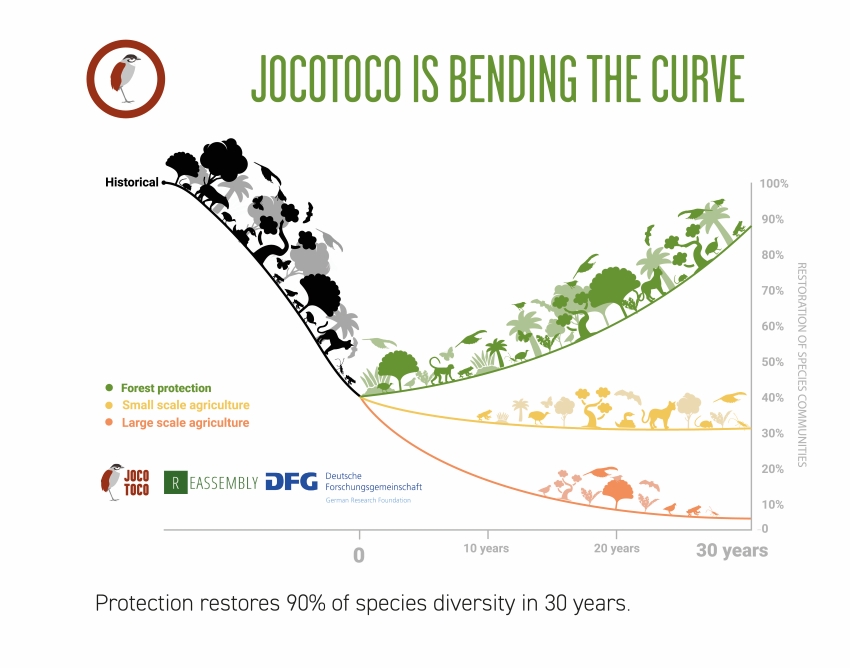
The new study shows how quickly degraded forests can recover once protected. Credit: Timo Metz et al.
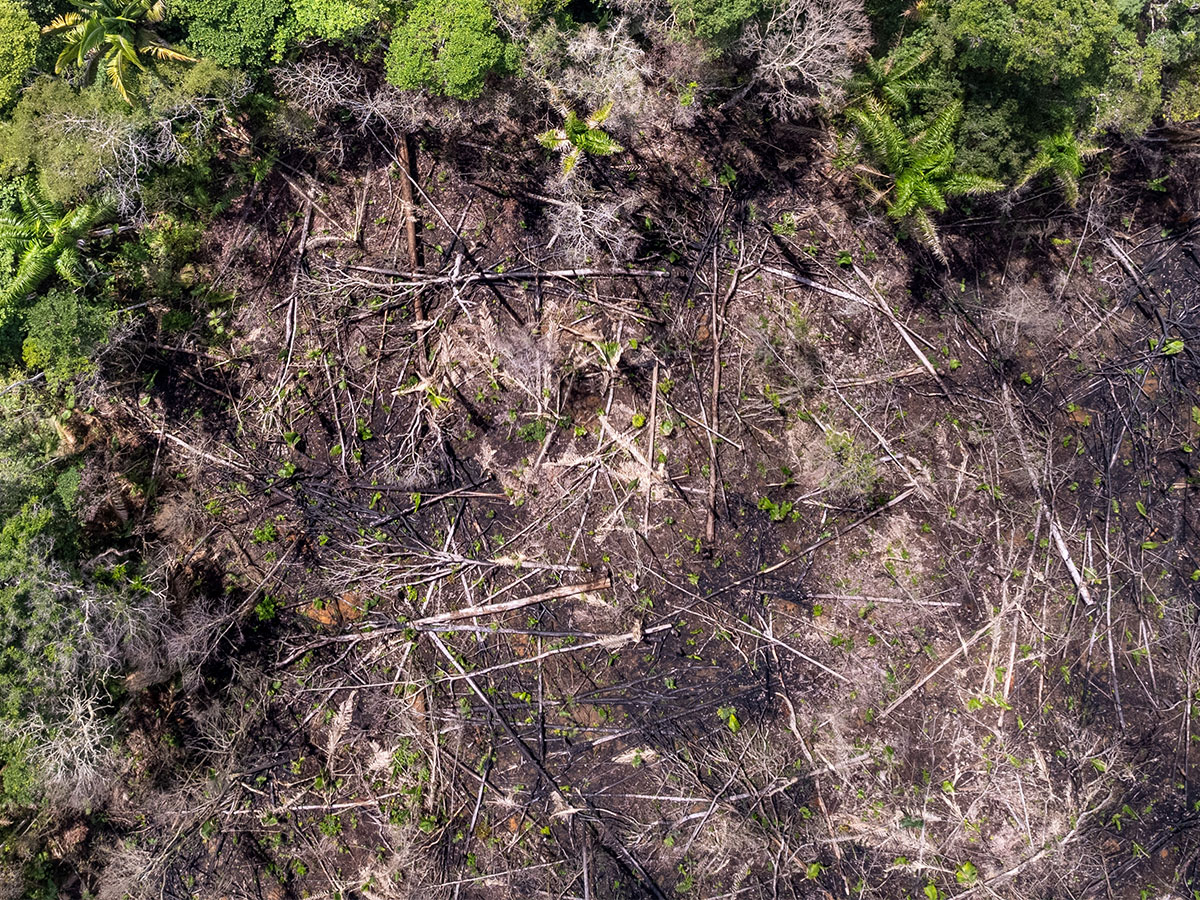
The research represents one of the most detailed assessments of tropical forest recovery ever conducted. It brought together over 30 universities from Ecuador and around the world to examine areas that had previously been cleared for cacao plantations and cattle pasture, comparing them with mature rainforest.
The study focused on the recovery of degraded ecosystems like this as well as cacao plantations and cattle pastures. Credit: Javier Aznar.
Lead authors Timo Metz and Nico Blüthgen developed the study alongside Jocotoco CEO Dr Martin Schaefer, ensuring the research was grounded in real‑world conservation practice.
By analysing more than 10,800 species and using cutting‑edge tools including AI‑assisted analysis, bioacoustic monitoring and environmental DNA (eDNA), the study found that:
◉ Within three decades, overall species diversity and animal biomass recovered to over 90% of that found in old‑growth forest
◉ Species composition reached around 75% similarity to mature forest
◉ Forest structure and ecological function began to rebalance naturally
While regenerated forests are not yet identical to old‑growth systems, the majority of original forest species returned, alongside additional species typical of recovering landscapes.
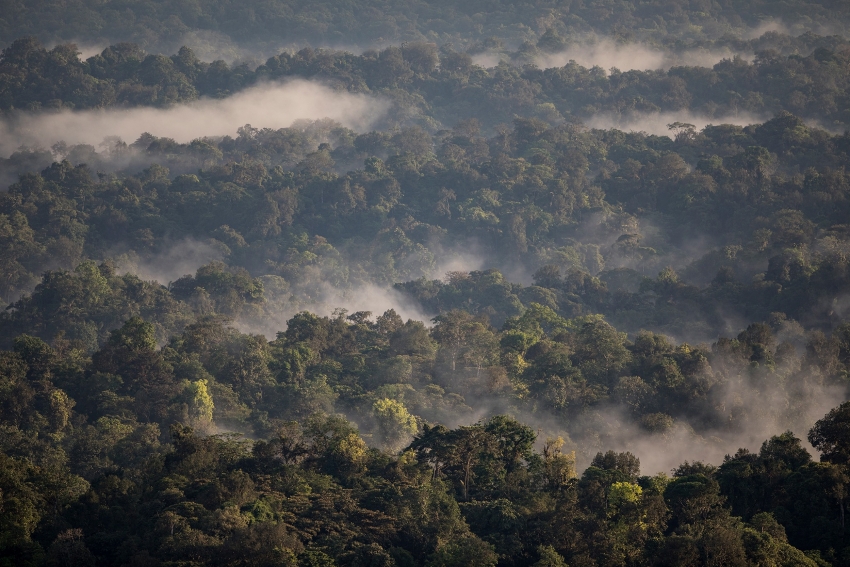
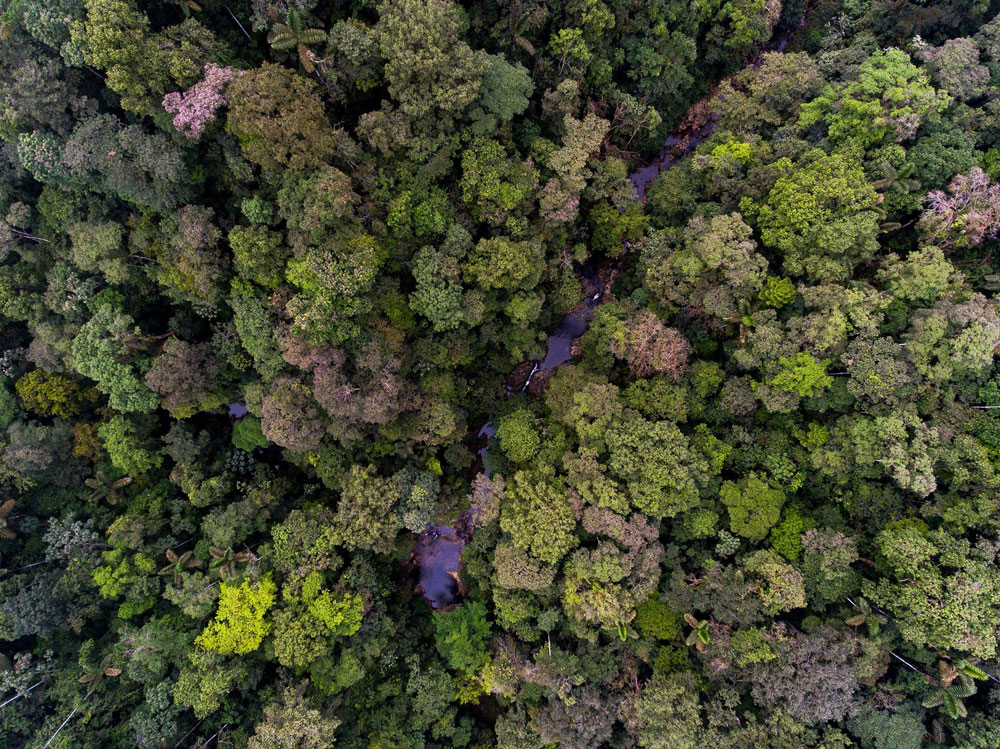
In only thirty years, species composition reached around 75% similarity to mature forest. Credit: James Muchmore
For Jocotoco, the findings provide powerful scientific validation of a conservation model based on land purchase, permanent protection and long‑term stewardship.
“This study provides the highest level of scientific validation for Jocotoco’s model of conservation,” says Dr Martin Schaefer. “By buying and protecting land, Jocotoco preserves the diversity of life and the foundations of our societies – soil, water, and the pollination of the plants that form the basis of our food supply.”
The study arrives at a critical moment. Less than 3% of western Ecuador’s original forest cover is believed to remain after nearly a century of deforestation. Protecting and reconnecting what remains is essential for the survival of the Chocó’s unique wildlife.
“Rainforests possess astonishing resilience and the ability to return to their original state. This stability has often been modelled theoretically, but until now it had not been demonstrated on the basis of such a comprehensive dataset.” Timo Metz, a lead author of the study.
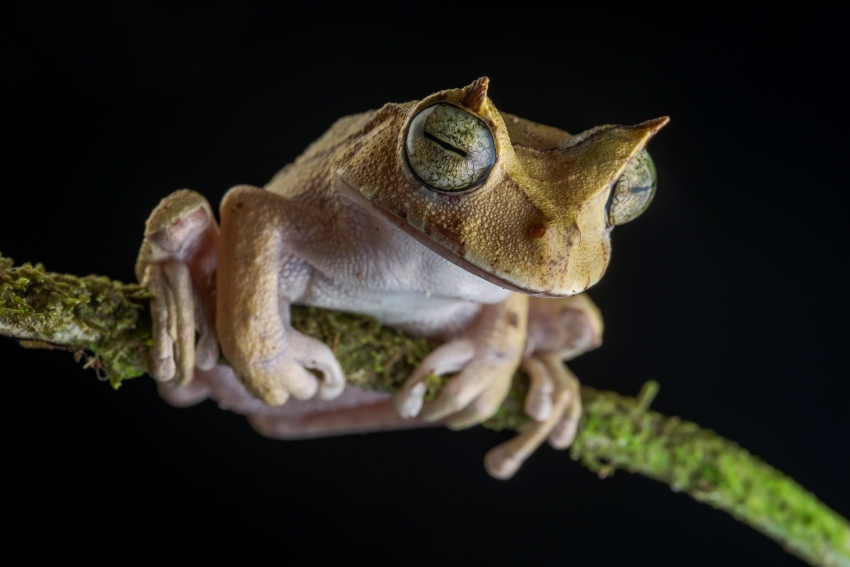
Once thought extinct, the Critically Endangered Horned Marsupial Frog is now recovering, thanks to Jocotoco’s conservation efforts. Credit: Javier Aznar
At the Canandé Reserve, Jocotoco’s rangers and field teams are witnessing the extraordinary results of this recovery first hand.
Species once thought lost from western Ecuador are returning to Canandé Reserve, including the Critically Endangered Horned Marsupial Frog (Gastrotheca cornuta), which was rediscovered in 2018. Other species rarely recorded in the region, like the Great Curassow (Crax rubra) and Giant Anteater (Myrmecophaga tridactyla), are now regularly seen once again.
Rare plant species are also recovering. The endemic magnolia Magnolia dixonii, once listed as Critically Endangered, was downlisted to Endangered just last year.
But perhaps best of all, there are now more Brown-headed Spider Monkeys (Ateles fusciceps fusciceps) of the Critically Endangered Ecuadorian subspecies in this region of Ecuador than the previous estimate for the entire world population.
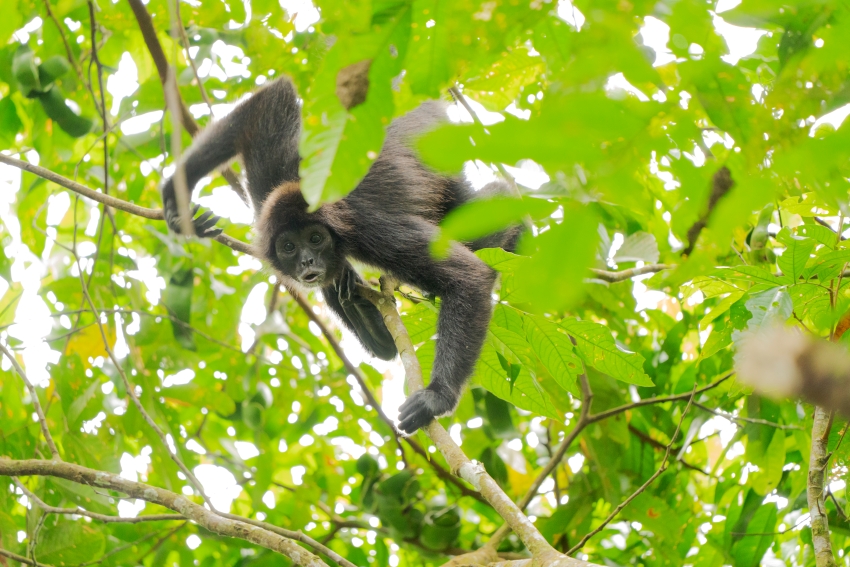
Brown-headed Spider Monkey is one of many highly threatened species whose future can be turned around if its forest home is protected. Credit: Javier Aznar
The research also explains why natural regeneration can be so effective.
Nico Blüthgen, Professor of Ecology at TU Darmstadt and spokesperson for the research unit Reassembly, which funded the research, describes this process.
“The many animal species that return quickly are not merely beneficiaries of forest regeneration, but are its key agents: bats, monkeys and other mammals, as well as birds, bring the seeds of trees back to the cleared areas; dung beetles bury the seeds in the soil; and hundreds of other animal species ensure pollination.”
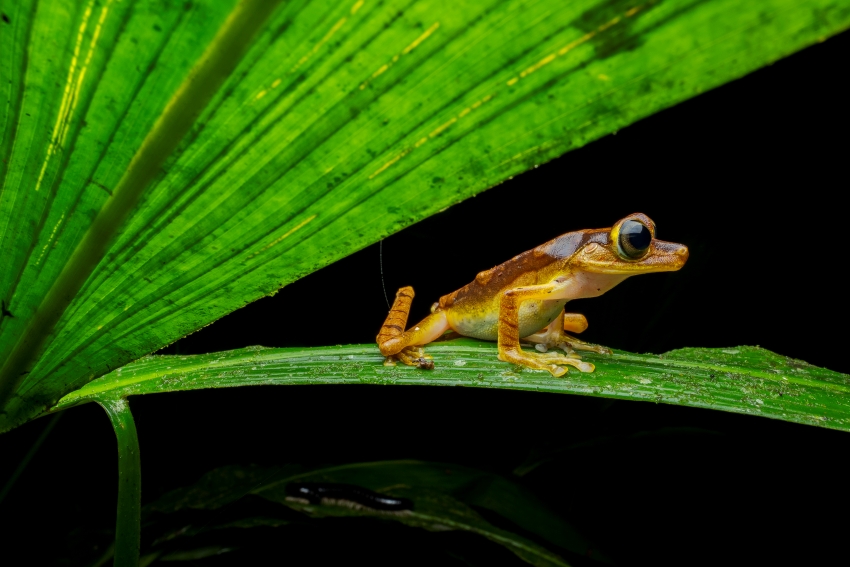
Species like the Imbabura Treefrog (Boana picturata) are protected by forest recovery. Credit: Javier Aznar
Going forwards, Jocotoco is working alongside community partners to scale its conservation efforts even further by expanding their conservation network across western Ecuador. This includes linking lowland Chocó rainforests with high‑altitude Andean páramos across an elevation range of nearly 5,000 metres, creating connected landscapes that are more resilient to climate change and human pressure.
By buffering existing protected areas from illegal activities and improving landscape connectivity, this work creates a powerful positive feedback loop: ecosystems that are more biodiverse and better connected regenerate even faster.
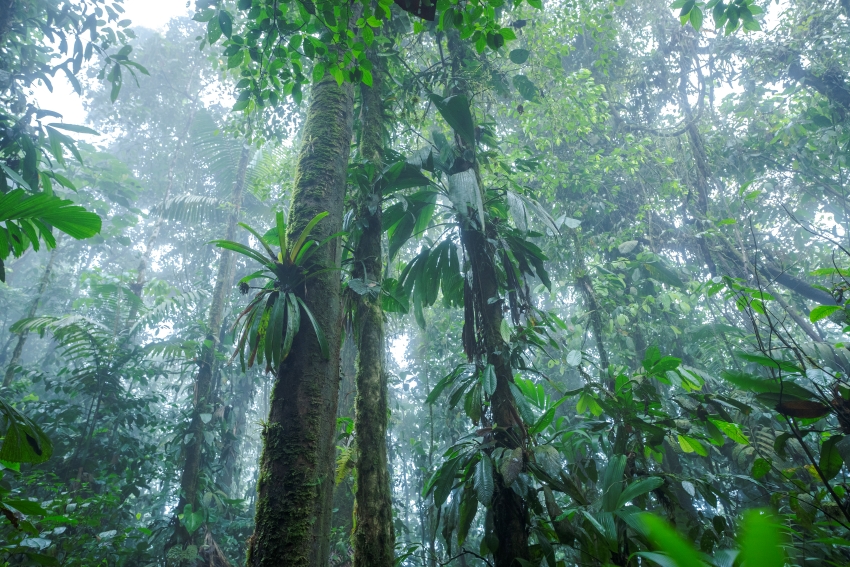
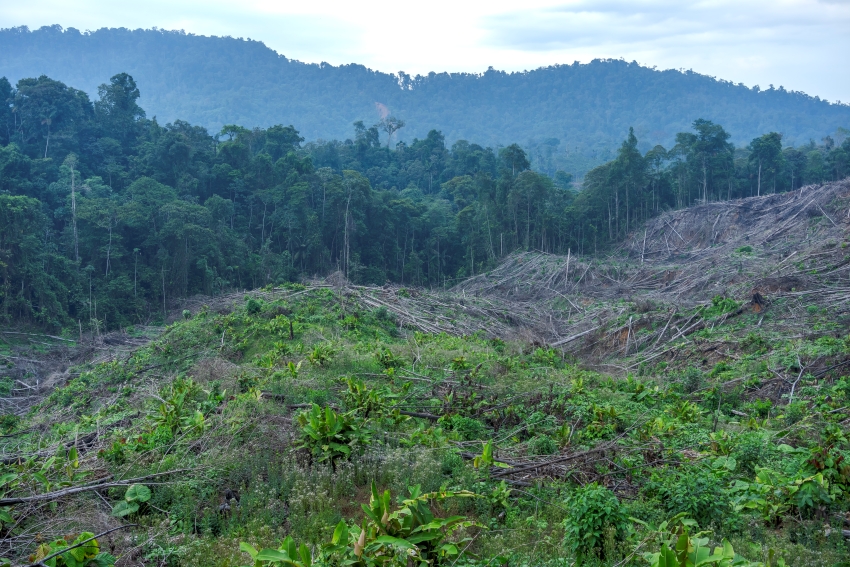
Once degraded, a new future is possible for western Ecuador’s forests and for other degraded tropical forests across the world. Credit: Javier Aznar
With an estimated 60% of tropical forests already lost or severely degraded, and around 70% of remaining tropical forests classed as secondary forests, the implications of this study extend far beyond Ecuador.
It demonstrates that natural regeneration is not only possible, but scalable, cost‑effective and fast – provided land is protected and managed for the long term.
In a world facing accelerating biodiversity loss and climate change, the recovery of Ecuador’s Chocó forests shows what can happen when nature is given space and time to recover and, most importantly, how quickly that recovery can begin.
By donating to World Land Trust’s Action Fund, we are able to act quickly, whenever and wherever urgent conservation action is needed.
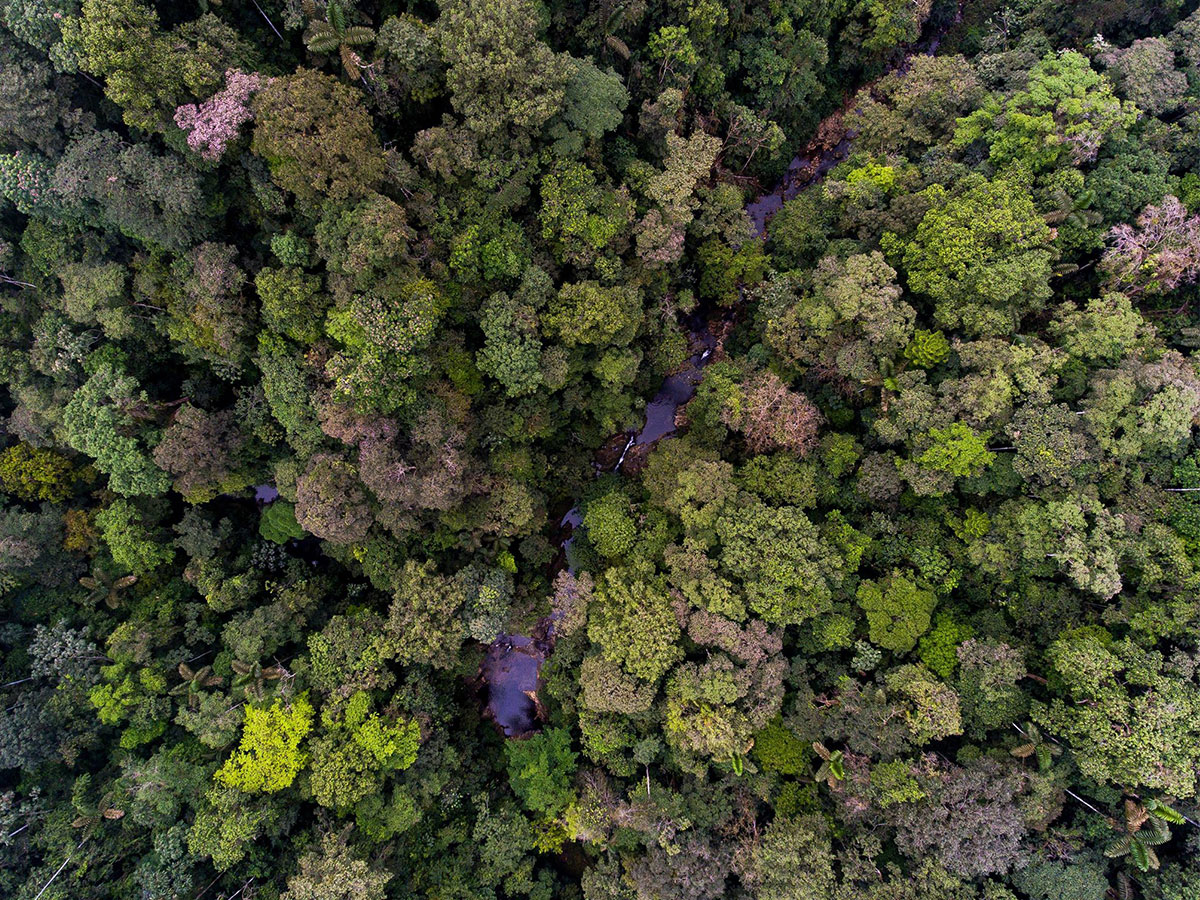
Habitat loss is the greatest threat facing wildlife worldwide. We believe that by protecting land, acre by acre, we are taking the best action to ensure a future for wildlife.
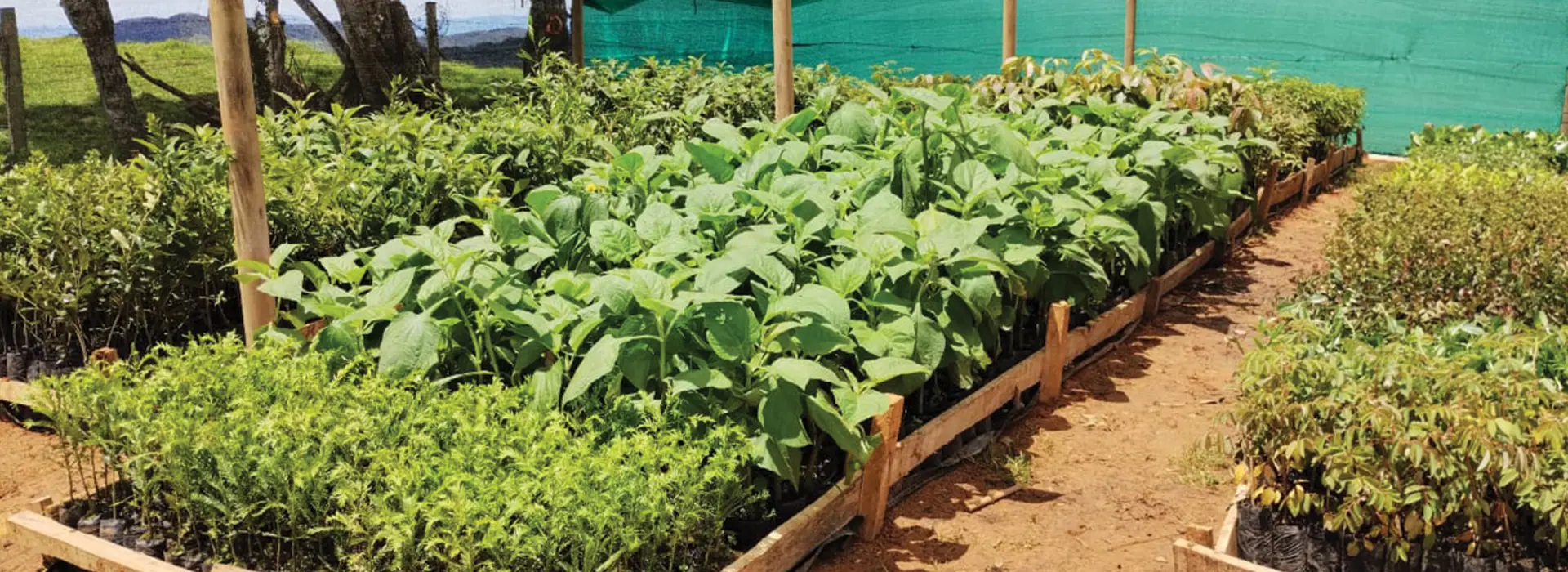

Reforestation is one of the main methods of restoring many damaged ecosystems, with Plant a Tree, you can bring vital forest habitats back to life.