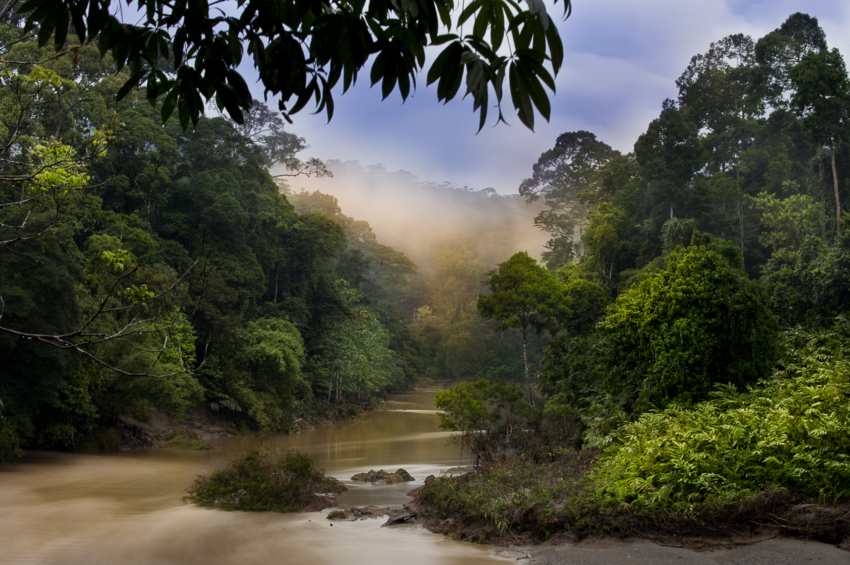
The Hidden Pygmy Shrew of Borneo
One of Borneo's least-known mammals, the Bornean Pygmy Shrew has remained a mystery for over a century. What can this tiny, elusive species tell us about the extraordinary biodiversity that exists beyond our view?
One of Borneo's least-known mammals, the Bornean Pygmy Shrew has remained a mystery for over a century. What can this tiny, elusive species tell us about the extraordinary biodiversity that exists beyond our view?
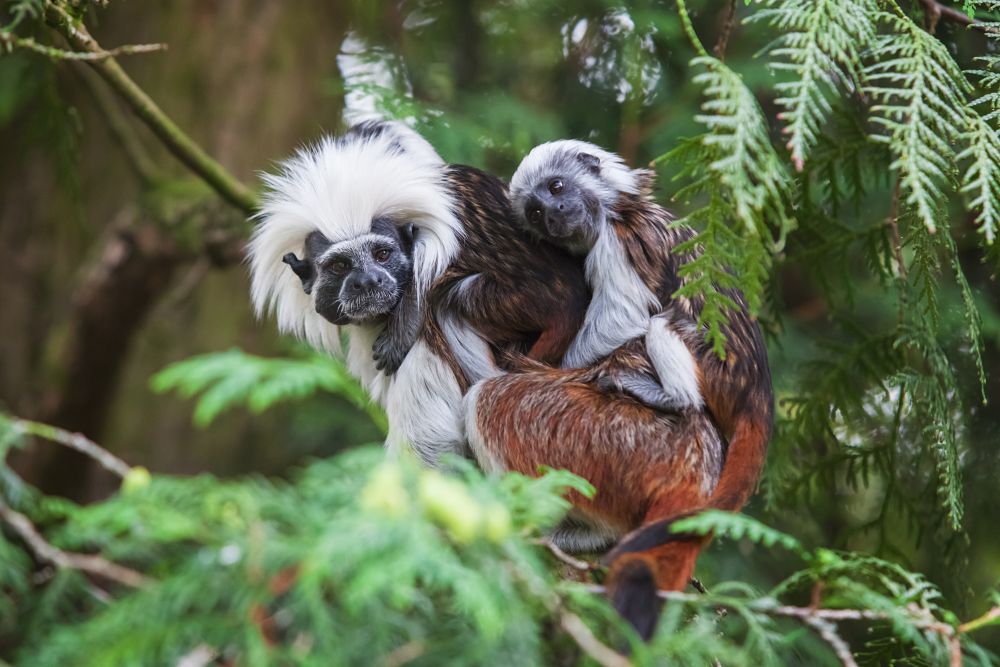
In 2026, World Land Trust (WLT) is partnering with Fundación Proyecto Tití (FPT) to restore Tropical Dry Forest within the Los Titíes de San Juan Reserve in northern Colombia, creating vital habitat for the Critically Endangered Cotton-top Tamarin (Saguinus oedipus).
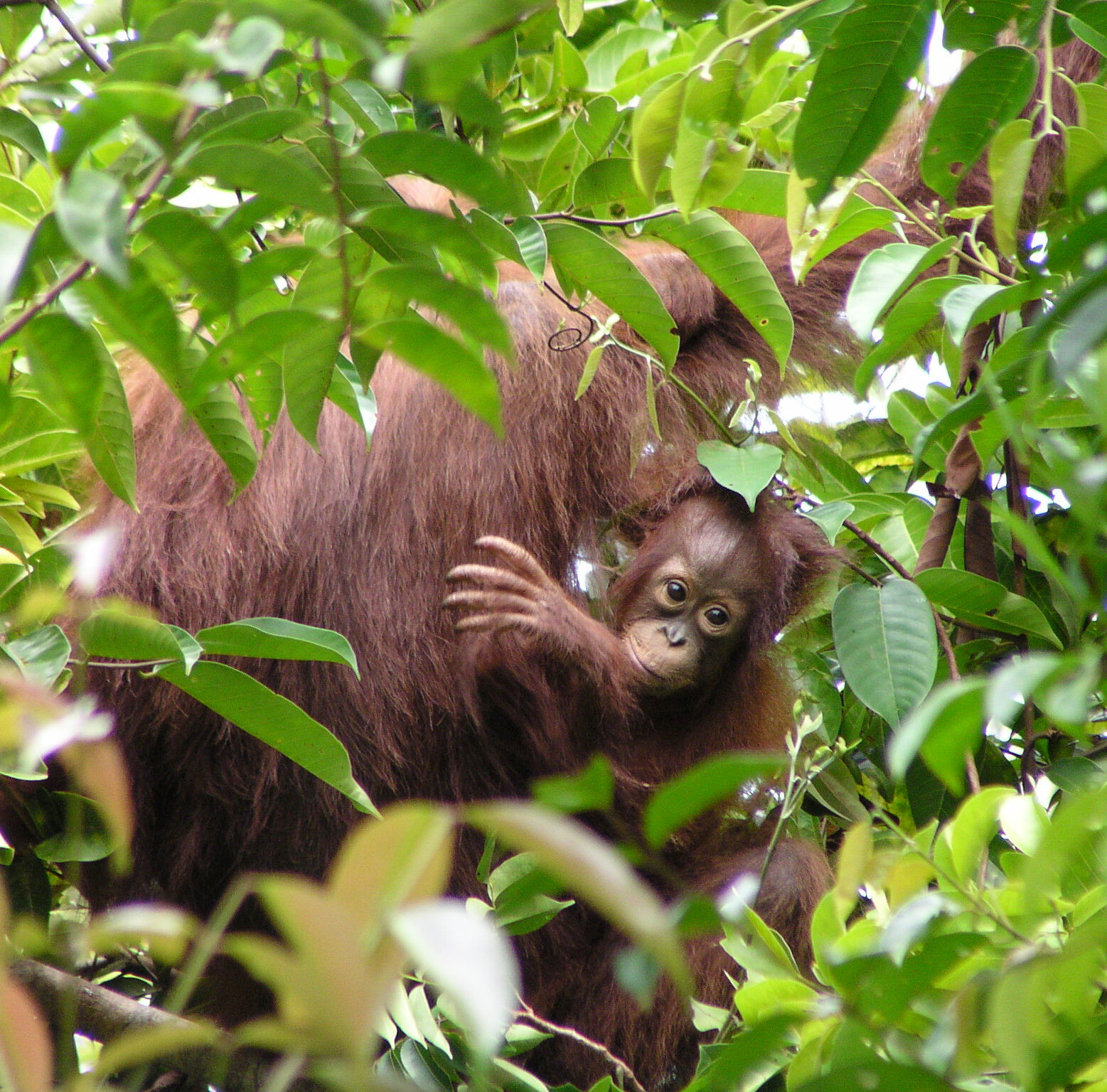
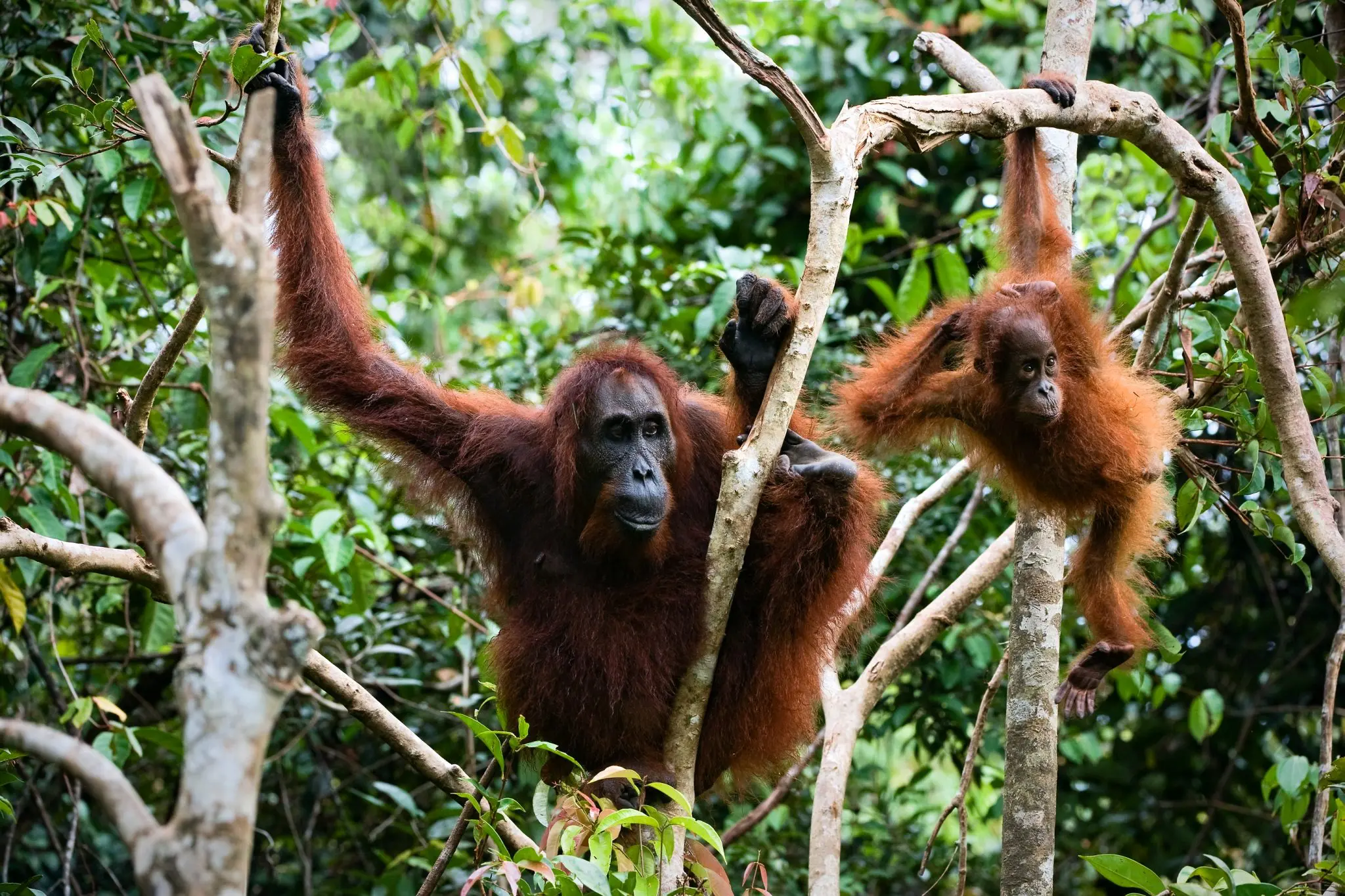
Orangutans raise single offspring over many years, making every individual vital to the survival of the species. Learn why connected forests are essential for Orangutans in Malaysian Borneo and how habitat restoration is helping to secure their future.
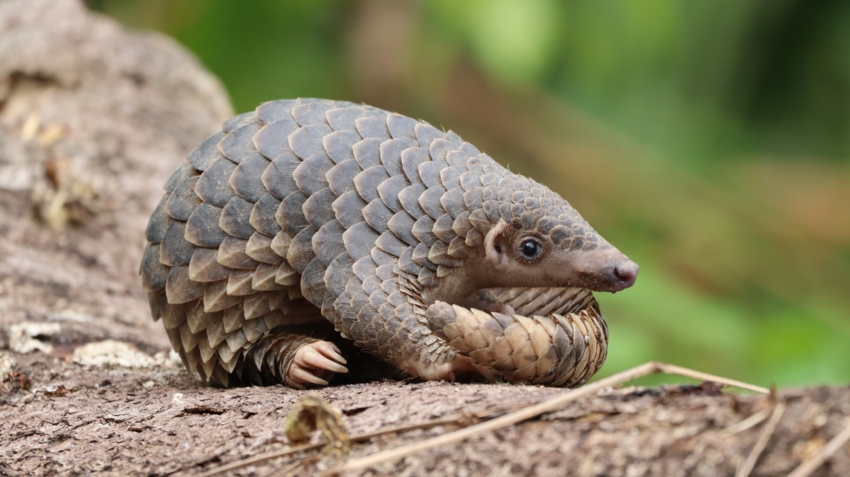
Can you picture a mammal covered head to toe in keratin scales? It may sound like a work of fiction, but pangolins prove otherwise. These unique creatures are much loved by wildlife fans, but also incredibly threatened by poaching and illegal trafficking. Let’s discover more about pangolins and what can be done to protect them.
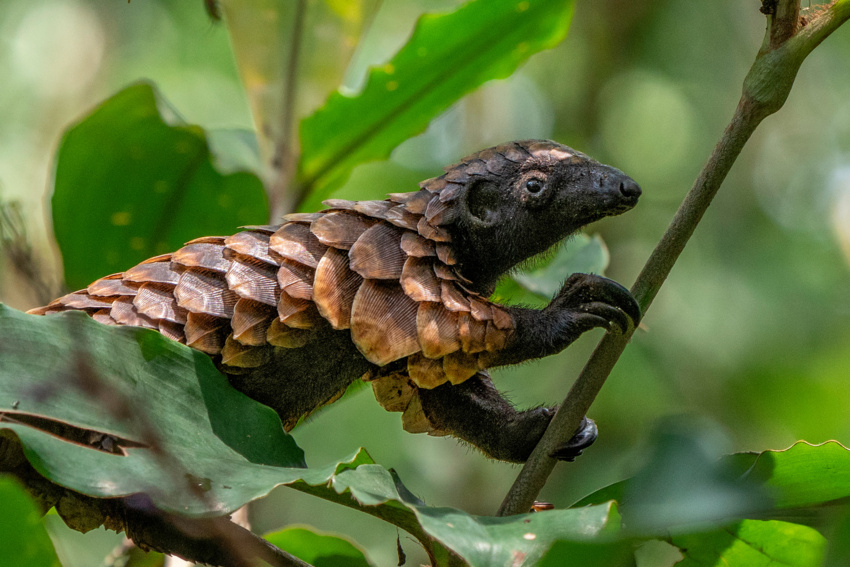
Pangolins are the world’s most trafficked mammal. They desperately need our help and, this week, you can make double the difference to protect them with the Big Give's Earth Raise campaign.
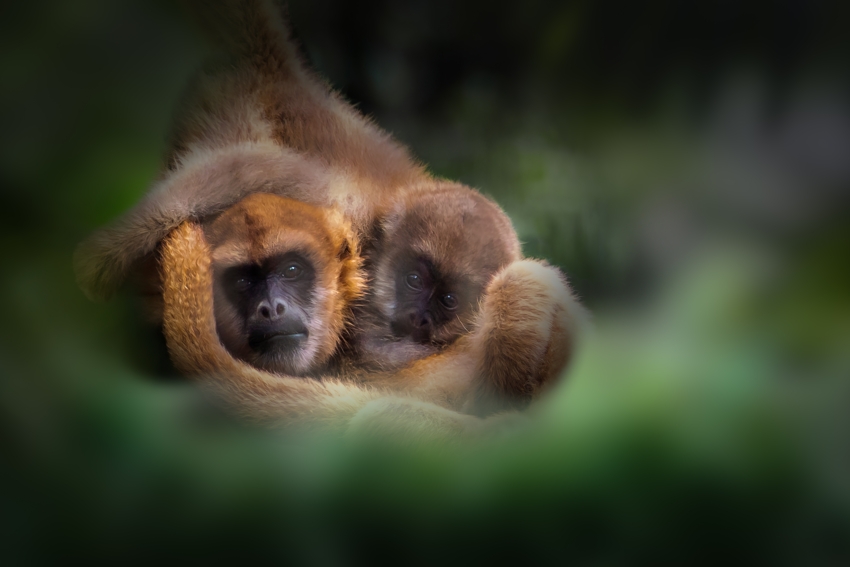
High in the canopy of Brazil’s Atlantic Forest lives the Southern Muriqui (Brachyteles arachnoides). Known locally as the mono-carvoeiro, meaning the “charcoal monkey” for its dark grey face, this long-limbed acrobat was once abundant throughout South America, but is now only found in the diminishing forests of Brazil’s Atlantic coast.
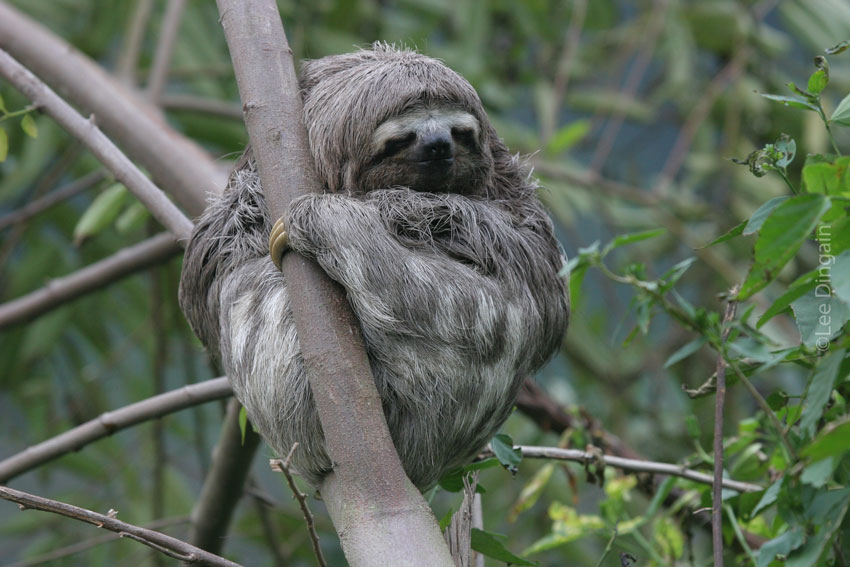
High in the canopy of Reserva Ecológica de Guapiaçu (REGUA), the movement of the Brown-throated Sloth (Bradypus variegatus) is almost imperceptible. Its shape shifts slowly among the leaves, limbs draped over a branch, peacefully minding its unhurried business as the busy forest hums all around...
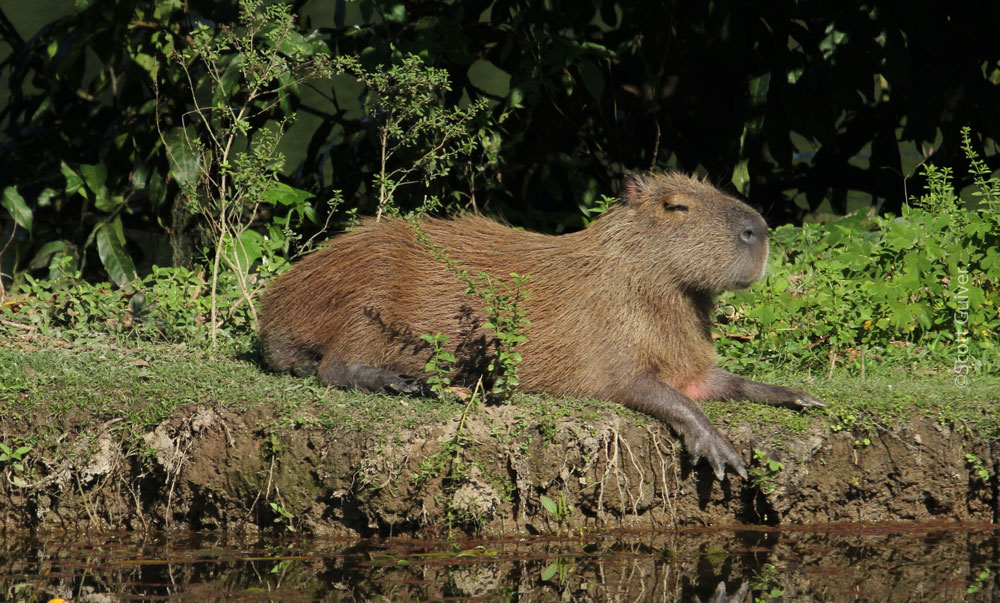
Capybara (Hydrochoerus hydrochaeris) might be one of the world’s most popular animals, and for good reason. An extremely social species that enjoys basking on the banks of rivers and soaking up the sun, they are often seen surrounded by fellow residents of the ecosystem...
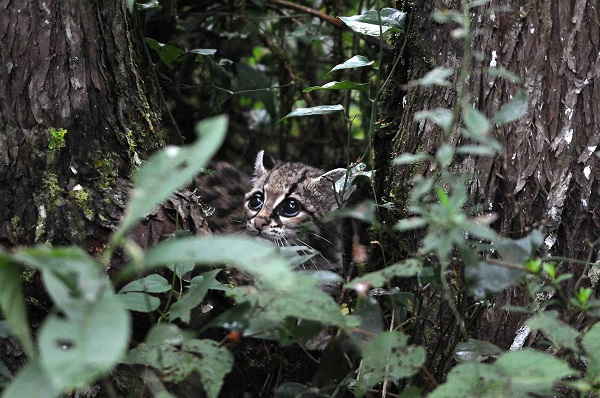
The spotted, slender, impossibly agile Margay (Leopardus wiedii), stalking the forests of South and Central America, is one of nature’s most elusive wildcats. One of the smaller cats and sometimes mistaken for an Ocelot (Leopardus pardalis), the Margay...

In the floodplain of Sabah’s Kinabatangan River, conservationists are testing a bold idea: can native forest and palm oil production thrive side by side? A project led by our partner HUTAN, a grassroots conservation organisation based in Malaysian Borneo...
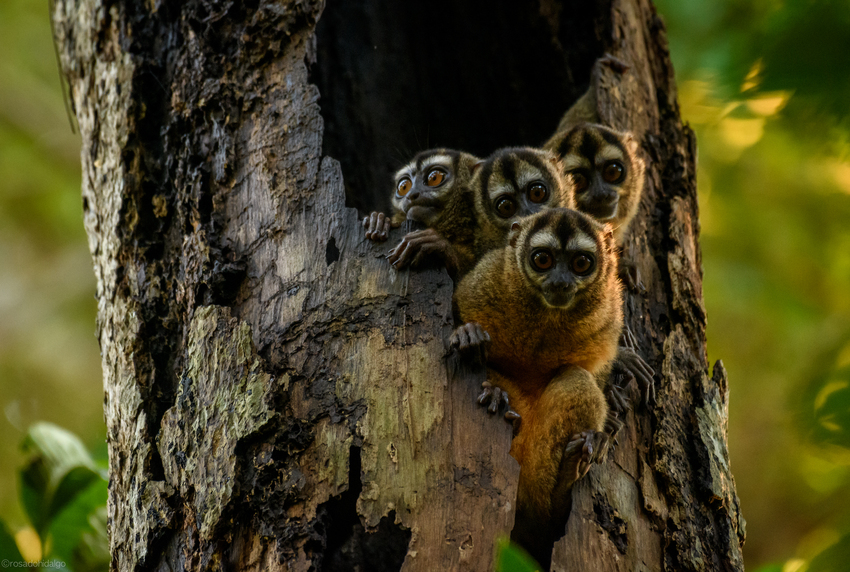
Shy, wide-eyed, and active only under the cover of darkness, the Grey-handed Night Monkey (Aotus griseimembra) is one of Colombia’s most enchanting primates. Found in forest canopies across Colombia and Venezuela, including those of Fundación Biodiversa Colombia’s (FBC’s) El Silencio Reserve.

The Antillean Manatee (Trichechus manatus manatus), gliding peacefully through the waters and streams of the Magdalena River, is one of Colombia’s gentle giants. A subspecies of the West Indian Manatee found in the shallow lagoons of the Gulf of Mexico and the Caribbean down to the riverine areas of South America, with its calm, meandering presence comes acute risk. Facing habitat loss and being caught up in human activities, these manatees are now classed as Endangered by IUCN.