World Land Trust, Puro Coffee and the Foundation for the Preservation of Wildlife and Cultural Assets unite to demonstrate the power of partnership in addressing today’s environmental and social challenges.
At a time when environmental, social and economic challenges are becoming increasingly interconnected, three organisations are coming together around a shared belief; lasting sustainability depends on reciprocity. When businesses support communities, communities help protect nature, and healthy ecosystems underpin both livelihoods and economies, everyone benefits.
World Land Trust (WLT), Puro Coffee (Puro) and the Foundation for the Preservation of Wildlife and Cultural Assets (FPWC) have announced a collaborative partnership founded on a simple principle; when organisations recognise their interdependence and work towards shared goals, they can create far greater impact than any one organisation could achieve independently.
While each organisation brings a different perspective and expertise, they share a common belief that thriving businesses, resilient communities and healthy ecosystems are fundamentally connected.
The partnership demonstrates how organisations from different sectors can come together around a shared vision of long-term sustainability, recognising that environmental protection, community wellbeing and economic resilience are not competing priorities, but mutually reinforcing outcomes.
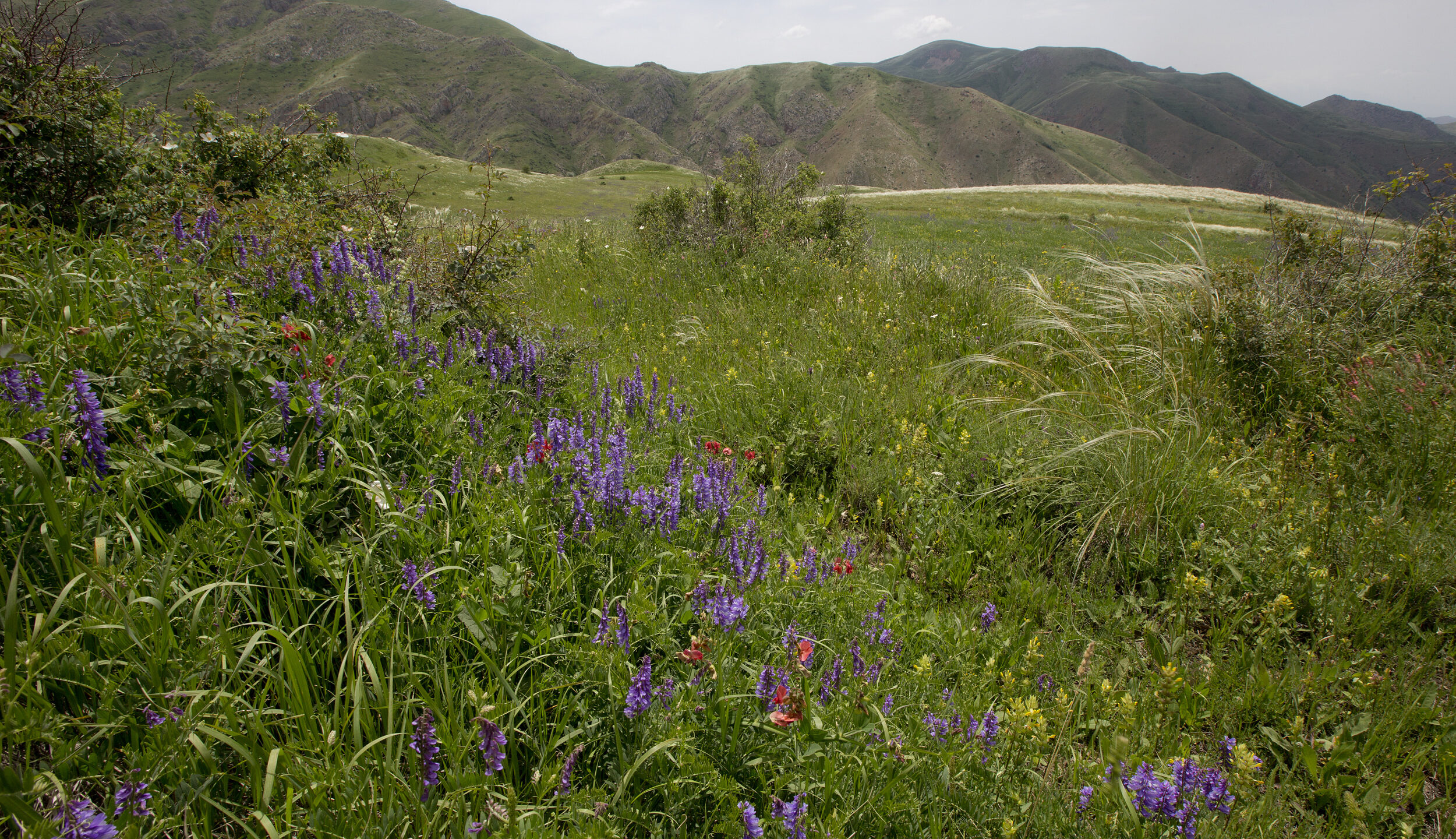
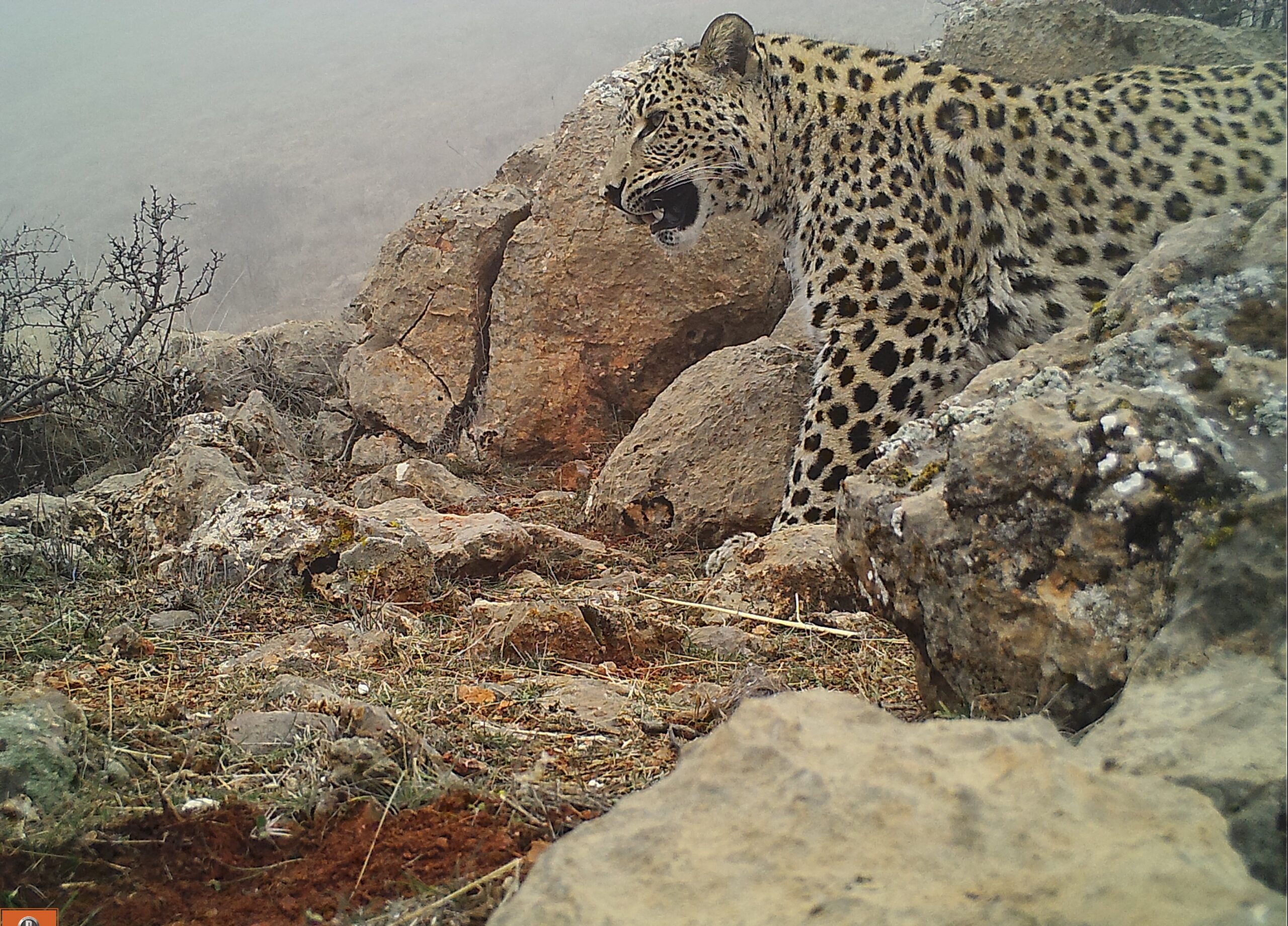
In practical terms, that collaboration will support an innovative conservation initiative in Armenia led by FPWC, helping to strengthen ecological connectivity around the Caucasus Wildlife Refuge. The project will secure the long-term protection of 3,000 hectares of high-biodiversity habitat through an approach that combines conservation, community partnership and renewable energy. The area helps connect a wider landscape of approximately 30,000 hectares, creating vital ecological connectivity for species such as the Caucasian Leopard, which can require territories of up to 10,000 hectares.
For WLT, the partnership reflects its long-standing commitment to supporting locally led conservation solutions that deliver lasting impact for both people and wildlife.
For Puro, whose business has long championed the relationship between commercial success and positive environmental and social outcomes, it represents a practical demonstration of how businesses can contribute to solutions that extend beyond their own operations.
The partnership also comes at a significant moment for Puro Coffee as the coffee of COP17, with coffee served across conference zones throughout the event. Through the partnership, coffee sales will help support conservation outcomes in Armenia, demonstrating how everyday commercial activity can contribute to the wider ambition of protecting the best and improving the rest.
For FPWC, one of Armenia’s leading conservation organisations, the collaboration strengthens efforts to protect and connect critical habitats while developing more sustainable approaches to long-term conservation finance.
Together, the organisations are supporting a project that seeks to address one of conservation’s greatest challenges: how to create lasting protection for nature without relying solely on continual external funding.
At a time when many conservation projects face increasing pressure to secure long-term financial sustainability, the partnership explores how business, communities and conservation organisations can work together to create more resilient funding models for nature.
The initiative includes the development of a solar energy project that will generate revenue to support the long-term lease and protection of biodiversity-rich land. It is a practical example of reciprocity in action: using technology to give help to wildlife. By linking renewable energy generation with habitat protection, the project aims to create lasting benefits for nature.
The protected landscape forms part of the South-Eastern Lesser Caucasus Biodiversity Hotspot and provides important habitat for endangered species including the Caucasian Leopard, Syrian Brown Bear and Armenian Mouflon. It also helps maintain ecological connections between existing protected areas and future restoration sites across the wider landscape.
Yet the significance of the partnership extends far beyond a single project.
It represents a broader belief that many of today’s most pressing challenges require collective action and shared responsibility. Businesses depend on healthy ecosystems. Communities depend on resilient landscapes. Conservation depends on strong local partnerships and sustainable sources of support.
When these relationships are recognised and strengthened, everyone benefits.
This partnership between WLT, Puro and FPWC is an example of what that approach can look like in practice: organisations with different strengths, working together towards a common purpose and creating positive outcomes that extend beyond any one sector.
For Puro Coffee, this will become its 30th Nature Reserve, contributing to a network of reserves spanning more than 100,000 hectares globally. For World Land Trust, it builds on a partnership model that has helped protect more than 1.4 million hectares of habitat and support the connection of more than 8.3 million hectares of landscapes worldwide, helping wildlife move more freely across increasingly fragmented ecosystems. For FPWC, this is the first step towards funding land protection through community-owned renewable energy rather than through donor grants alone. The new area strengthens FPWC’s contribution to Armenia’s progress towards the global 30×30 target agreed under the Kunming-Montreal Global Biodiversity Framework.
Because protecting nature is not just about protecting wildlife.
It is about recognising the connections that bind us all, and the power of partnership to build a more sustainable future.