The Mammal We Hardly Know Exists
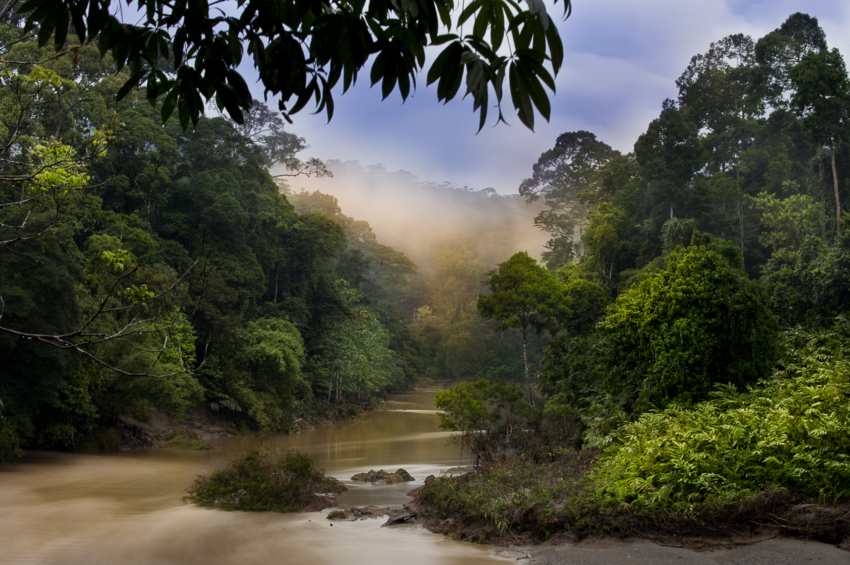
Beneath the rainforest canopies in Borneo lives a mammal about which science can say remarkably little. The Bornean Pygmy Shrew (Suncus hosei) is endemic to the island and was first described in 1893 by London’s Natural History Museum from a specimen collected by British zoologist Charles Hose along the Bakong River in the north of Malaysian Borneo. However, since then, this tiny mammal has remained elusive and is only spotted deep in the forests by rangers and researchers, including the team of our parter Hutan.
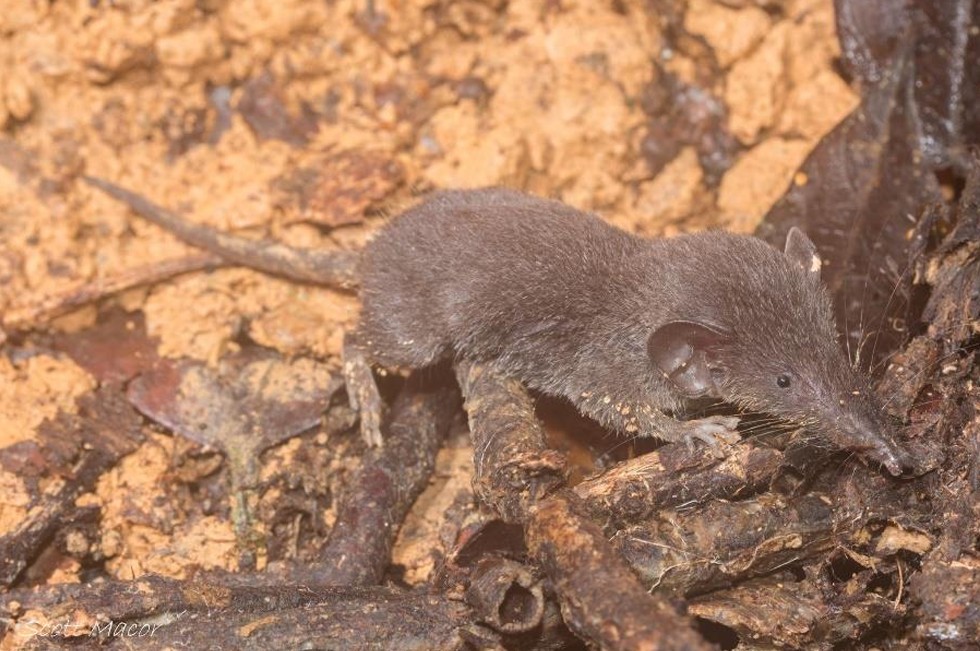
The Bornean Pygmy Shrew is so elusive, very few photos of it exist. Credit: Scott Macor
Like all shrews, it is tiny, smaller even than a dormouse, and this particular species has dark grey fur with a speckled white underbelly, small brown ears, and a shorter tail than others in its family. Very little is known about its behaviour and habits other than it being hard to find, though it is thought that the shrew lives on the forest floor, burying itself in the leaf litter for cover while it hunts for insects to eat. What’s more, the fact that it is so seldom seen suggests that the shrew does not adapt well to human disturbance and prefers the safety of intact forest.
In habitats such as the tropical forests in the floodplains of Borneo’s Kinabatangan floodplain, one of the only places the Bornean Pygmy Shrew has been observed, it is not unusual to encounter a only fraction of the wildlife that lives there. While iconic species like the Northeast Bornean Orangutan (Pongo pygmaeus ssp. morio) and Bornean Elephant (Elephas maximus ssp. borneensis) often capture international attention, there are countless smaller species living mostly unnoticed unless you know where to look. Some are encountered so infrequently that decades can pass between meaningful observations.
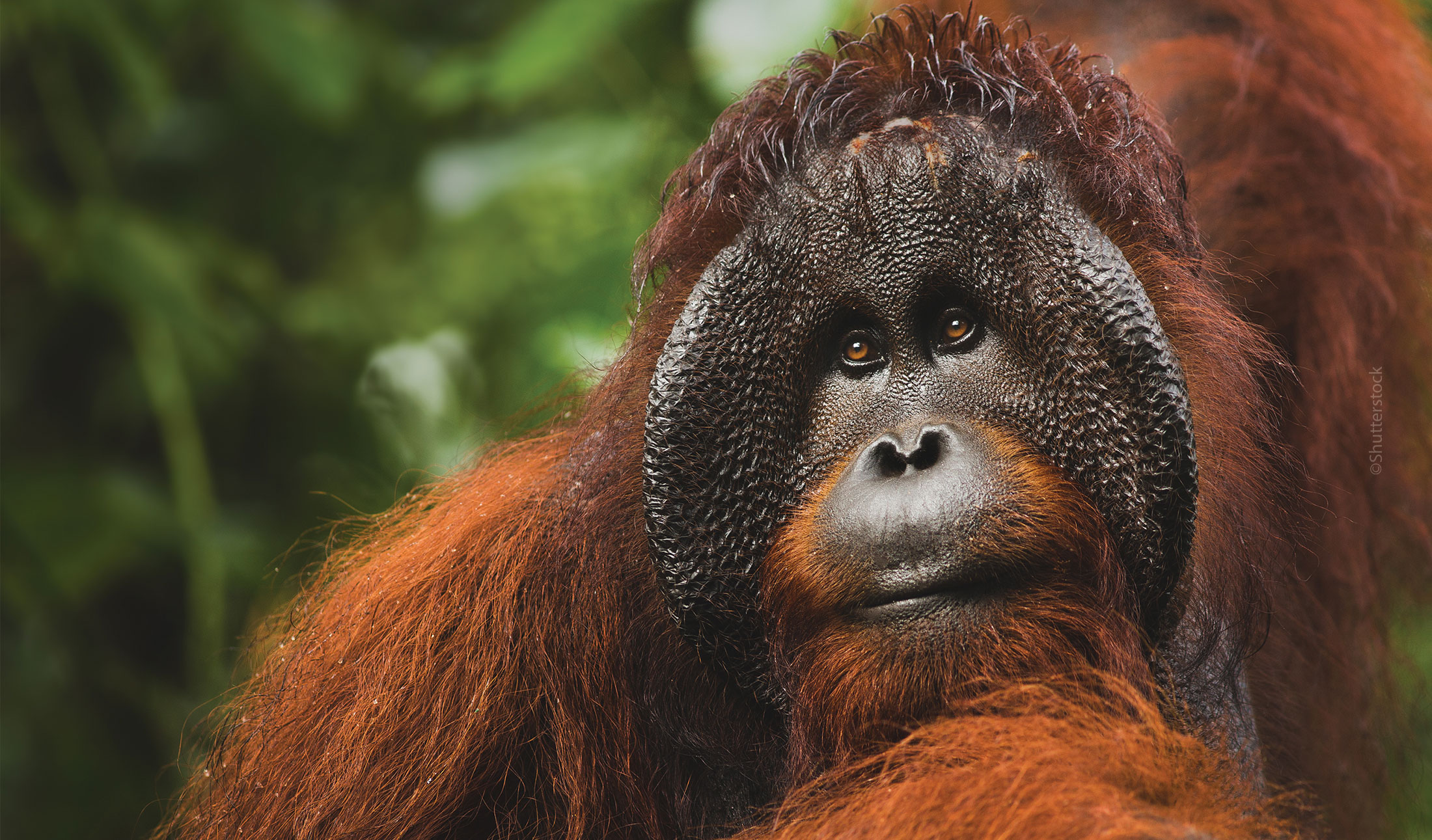
The forests surrounding the Kinabatangan River are home to countless species from the tiny Pygmy Shrew to the iconic Orangutan. Credit: Marketa Myskova
But, within a healthy ecosystem every plant and animal has a place and function, and the balance and biodiversity they create together is essential for a thriving landscape. This shrew is just one example; tiny insect-eating mammals recycle nutrients through the forest floor, regulate invertebrate populations, and become prey for larger animals, weaving themselves into ecological networks that scientists are still working to untangle. Unfortunately, removing one thread can have impacts that extend far beyond a single species.
This is why we are supporting our partner Hutan to protect the forest and strengthen connectivity of the landscape for all the wildlife that replies on it. Discoveries new to science are happening all the time in some of the world’s most vulnerable habitats, often in the quietest corners of the forest, among species that most people will never see but whose existence makes the rainforest richer, more complex, and more extraordinary than we yet realise.