Argentina is the second-largest country in South America and covers much of the southern portion of the continent.
At over 2,000 miles in length, it contains within its borders a diverse range of ecoregions.
In the subtropical north, Yungas Forest and Atlantic Forest are situated either side of the semiarid Gran Chaco, which gives way to savanna, wetlands, and the rolling plains of the Pampas in the east. High-altitude puna grasslands occupy the Andes Mountains to the west, while cactus-studded desert can be found in the central Argentine Monte. The vast, rugged expanse of Patagonia lies to the south, a land of lakes, fjords, glaciers and steppes which terminates in Tierra del Fuego, the closest mainland landmass to Antarctica.
Unsurprisingly for a country with such an array of habitats, Argentina is high in biodiversity.
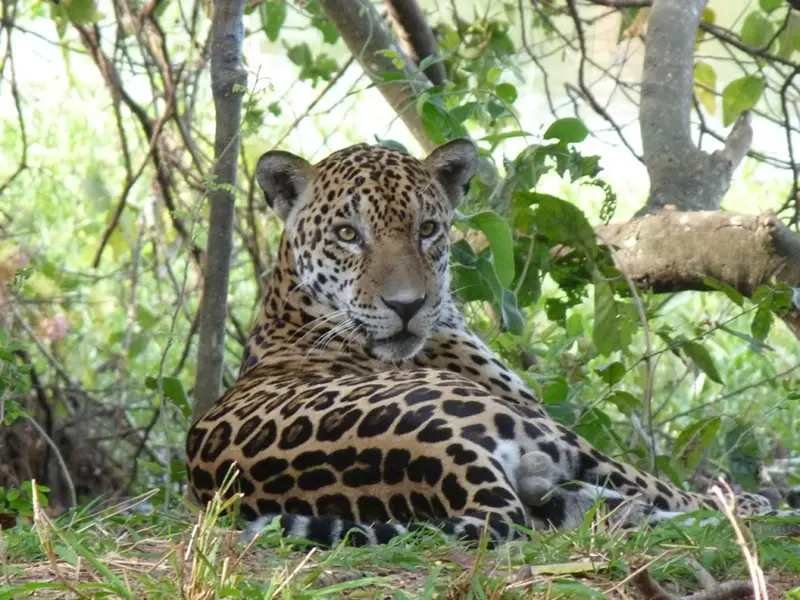
There are just over 1,000 species of bird here, as well as extensive flora and many hundreds of mammal, reptile and amphibian species, including Jaguars, Orcas, and Critically Endangered frogs.
Climate change and agricultural expansion pose a great threat to the life of Argentina, with droughts, floods and wildfires exacerbated by practices like cattle ranching that degrade habitat. The country lost 16% of its tree cover in the first two decades of the 21st century, and if we do not act now, Argentina’s rich biodiversity will continue to decline.
Our Partners in Argentina
-
Aves Argentinas
Aves Argentinas is a conservation organisation dedicated to protecting Argentina’s birds, habitats, and wider biodiversity, while supporting the sustainable use of natural resources.
-
Fundación Biodiversidad Argentina
FBA was established in 1999, as a result of the enthusiasm and willingness of people who share the same views on how to face the challenges of biodiversity conservation and sustainable development.
-
Fundación Hábitat y Desarrollo (FHD)
Fundación Hábitat y Desarrollo’s (FHD) mission in Argentina is to protect natural environments, endangered species and promote sustainable development in a fair society.
-
Fundación Patagonia Natural
Fundación Patagonia Natural (FPN) was founded in 1989 by local people from the community who were all concerned about Patagonia’s wildlife.
-
Fundación Rewilding Argentina
Fundación Rewilding Argentina (FRA) is dedicated to promoting the complete recovery of Argentina’s ecosystems through active species’ reintroductions.
-
Natura Argentina
Natura Argentina is committed to the conservation of natural ecosystems through the creation of protected areas, promoting the participation of local stakeholders.
Our projects in Argentina
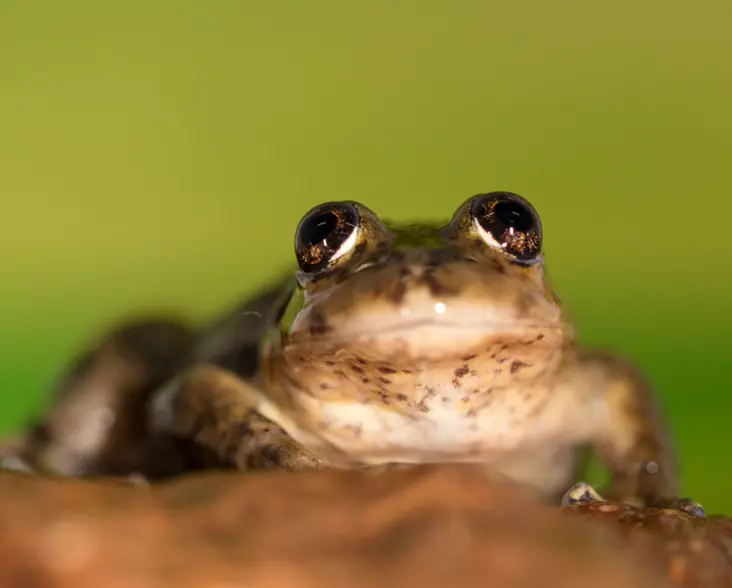
Somuncurá Plateau
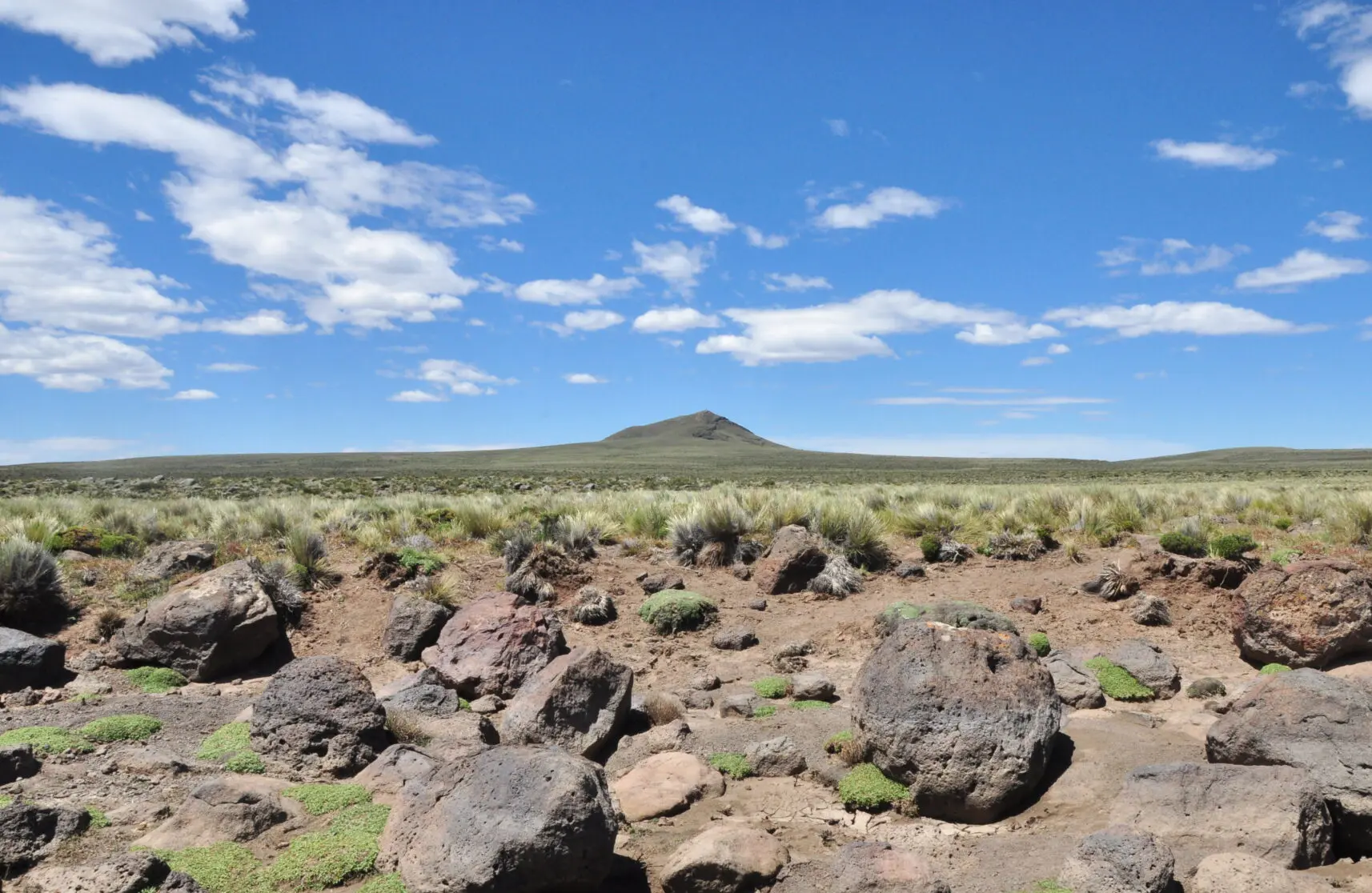
WLT partnered with Fundación Hábitat y Desarrollo’s (FHD) in 2021 to create the first effective reserve on the Somuncurá Plateau, where invasive species and unsustainable land-use practices are pushing a rich array of endemic species to the brink of extinction. With support from WLT’s Buy an Acre programme, this project will protect an initial property of 4,725 ha (11,675 acres) and also fund initial management of the reserve over the first three years.
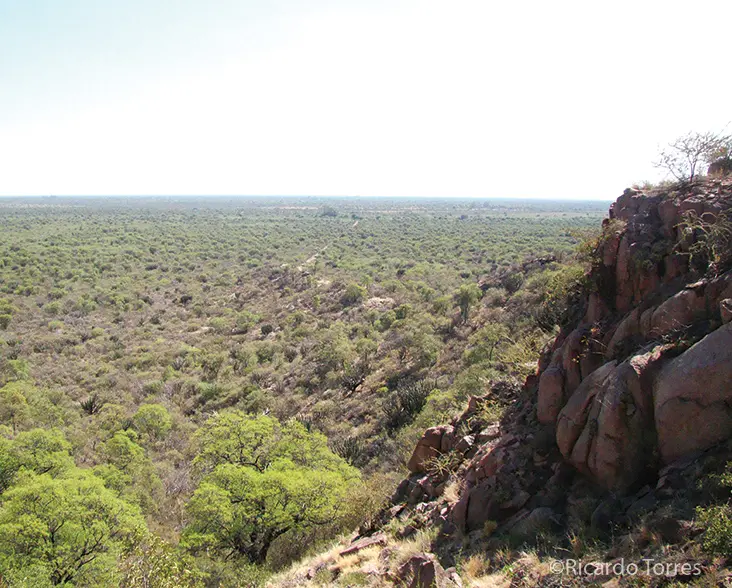
Traslasierra National Park
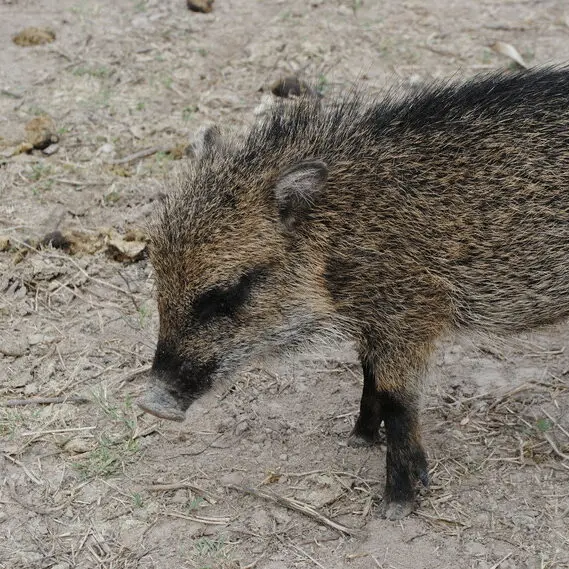
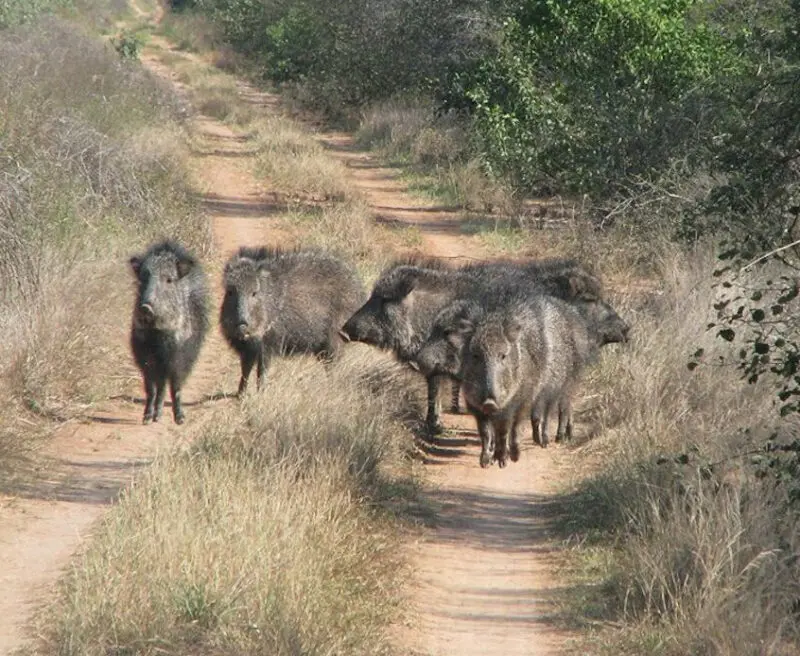
The Traslasierra National Park contains one of the southernmost strongholds of Dry Chaco forest within Argentina – a precious habitat home to an exceptional diversity of species. Among these are over 230 bird species and 35 mammal species, many of which are found nowhere else on Earth. These include the Chaco Owl (Strix chacoensis), Chacoan Peccary (Catagonus wagneri), and Chacoan Naked-tail Armadillo (Cabassous chacoensis).
Chaco Taguá Biological Corridor
In Argentina’s Córdoba Province, less than 5% of native forests remain following years of logging, wildfires and urbanisation.
The Chaco Taguá Biological Corridor will protect a significant portion of these forests as well as large parts of the Chaqueña, the second-largest forest area in South America, which itself has faced significant deforestation due to agricultural expansion.
With this project, our partner Fundación Biodiversidad Argentina aims to connect and expand two protected areas within Córdoba, preserving threatened ecosystems and allowing native wildlife – including the once-thought extinct Chacoan Peccary – to travel safely across the landscape.
Estancia la Esperanza
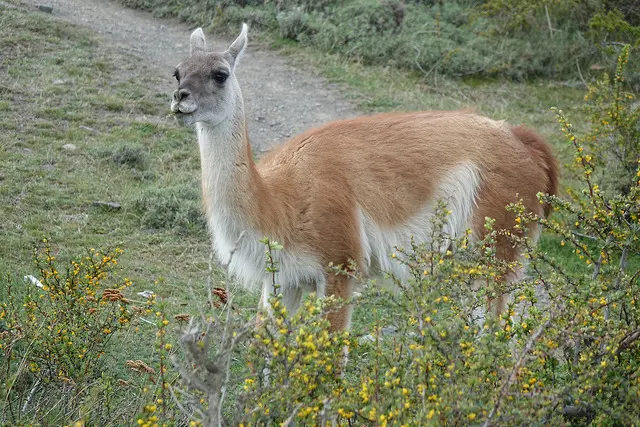
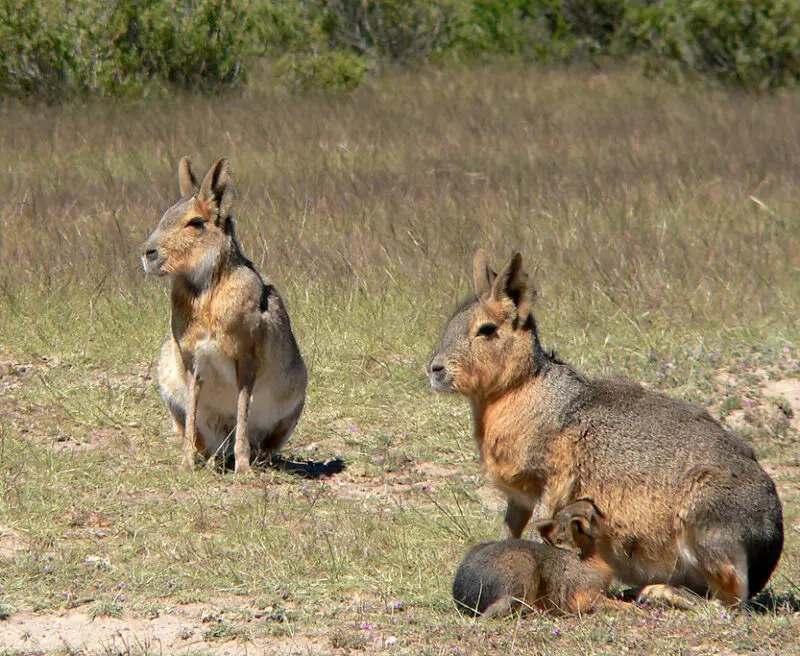
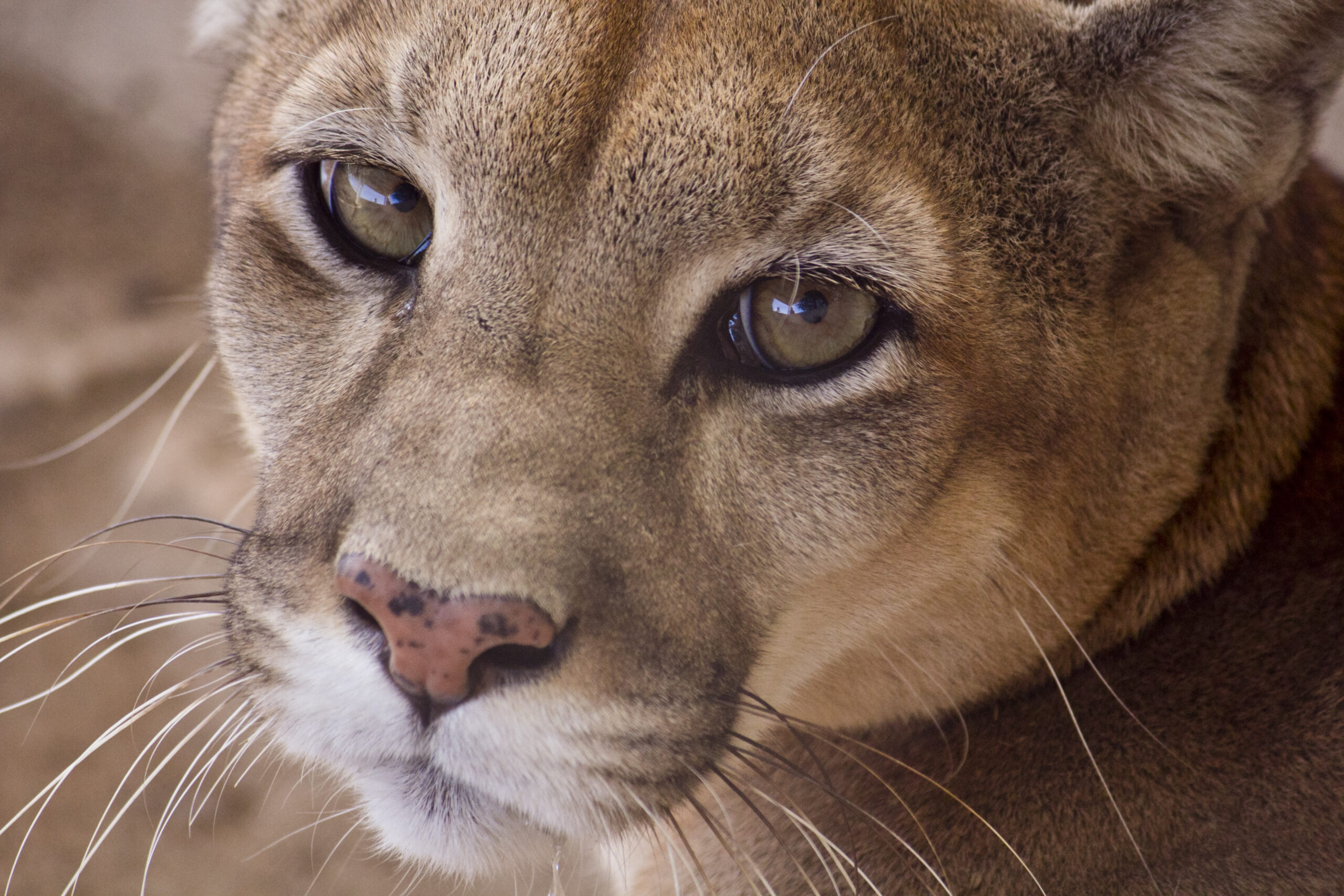
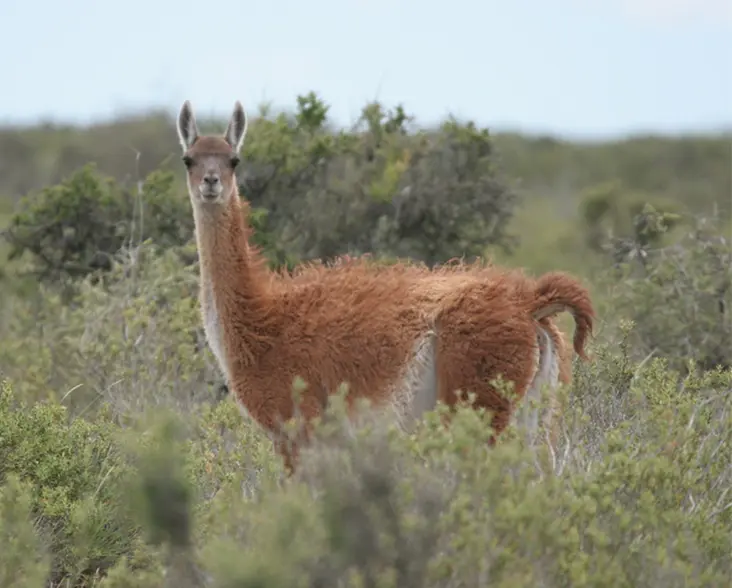
This former sheep ranch covers 16,555 acres (6,700 ha) of Patagonian Coastal Desert Steppe habitat in Chubut Province. It is now managed for its biodiversity, including important populations of Puma, Guanaco and Patagonian Mara, as well as offshore congregations of Killer Whale and Southern Right Whale.
Fundación Patagonia Natural (FPN) protect La Esperanza through their team of rangers, who are present on the site year-round to ensure that poaching, wildfires and other threats are minimised. To provide income for the ongoing management and protection of the reserve, FPN are currently establishing ecotourism opportunities and developing facilities for visiting students and volunteers.
The reserve was badly impacted by a major fire in 2016, which burned over 9,885 acres (4,000 ha) of the reserve. Since the fire, FPN have been monitoring the recovery of the vegetation and dependent wildlife (particularly Guanaco) and increasing firefighting training and capacity for their wardens.
El Pantanoso
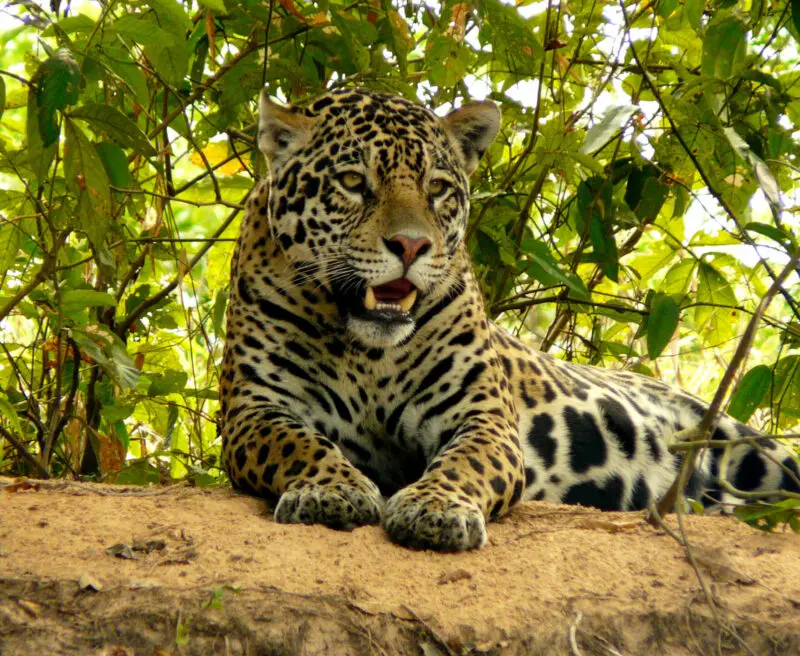
This reserve, managed by Fundación Biodiversidad Argentina, protects almost 11,000 acres (4,450 ha) of Yungas cloud forest in the north of the country. It serves as an important ecological corridor for the Jaguar and an Area of Importance for the Conservation of Bats (AICOM), while also providing habitat for the Tucumán Amazon, a parrot endemic to the Yungas ecoregion.
Protecting El Pantanoso is key for the conservation of the Yungas in Jujuy Province as it buffers Calilegua National Park and connects it to Estancia Urundel, restricting access for hunters, loggers and oil prospectors seeking to exploit these large, well-preserved rainforest blocks.
Following WLT’s support to create El Pantanoso in 2016, project activities now focus on the ongoing management of the reserve, funding a ranger salary, improvements to the access road and ongoing biological monitoring.