
Action Fund
By donating to World Land Trust’s Action Fund, we are able to act quickly, whenever and wherever urgent conservation action is needed.
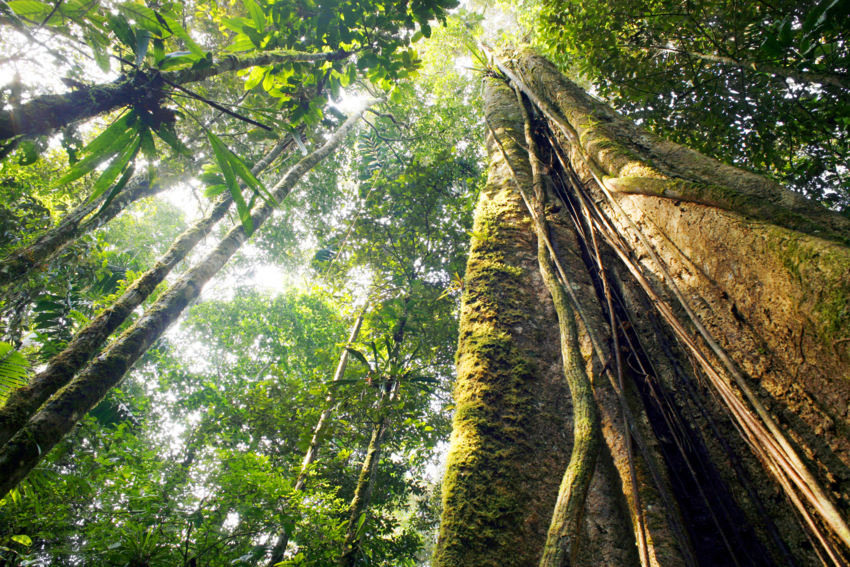
A new research study has just been published in the British Ecological Society’s People and Nature Journal with involvement from WLT partners and staff. Led by researchers from the University of Leeds and co-authored by two WLT staff members and staff from three WLT partners, the study explores how environmental NGOs use information from recent scientific findings about the impact of tropical forests on local climate.
By comparing recent research with NGO priorities, the study aimed to understand if the findings align with the information NGO’s need in their conservation work.
As described in the summary of the paper: “Tropical forests do more than store carbon; they also help shape local climates. They can cool surrounding areas and increase rainfall, which is important for both climate change mitigation and adaptation. When people understand these local climate benefits, they may be more motivated to protect or restore tropical forests, creating wider gains for the environment, the economy, human health, and biodiversity. Environmental NGOs often act as a bridge between scientific research and decision-makers, yet we know little about how well they understand these local climate benefits or how they use this knowledge.”
As part of the study, discussions were held with 44 environmental NGOs working across 24 tropical and subtropical countries. All the NGOs interviewed were WLT partners, showcasing an important contribution from our partner organisations and a great opportunity for collaboration.
The interviews found that many WLT partners are already using research on the climate impacts of forests and particularly value local or real-time information, as well as findings that show how tropical forests affect local rainfall, temperature, and biodiversity. Overall, the study found that better local-scale information and improved tools would help partners more effectively communicate forest benefits.
Following the study, the University of Leeds have produced an online interactive map as WLT partners were particularly interested in a map linking deforestation with local temperatures. The University have also produced infographics for NGOs to use in their communication work, which are now available in seven languages. These new tools demonstrate how the study is already enabling ways to make research more relevant and usable for WLT partners and other conservation organisations going forwards.
By donating to World Land Trust’s Action Fund, we are able to act quickly, whenever and wherever urgent conservation action is needed.
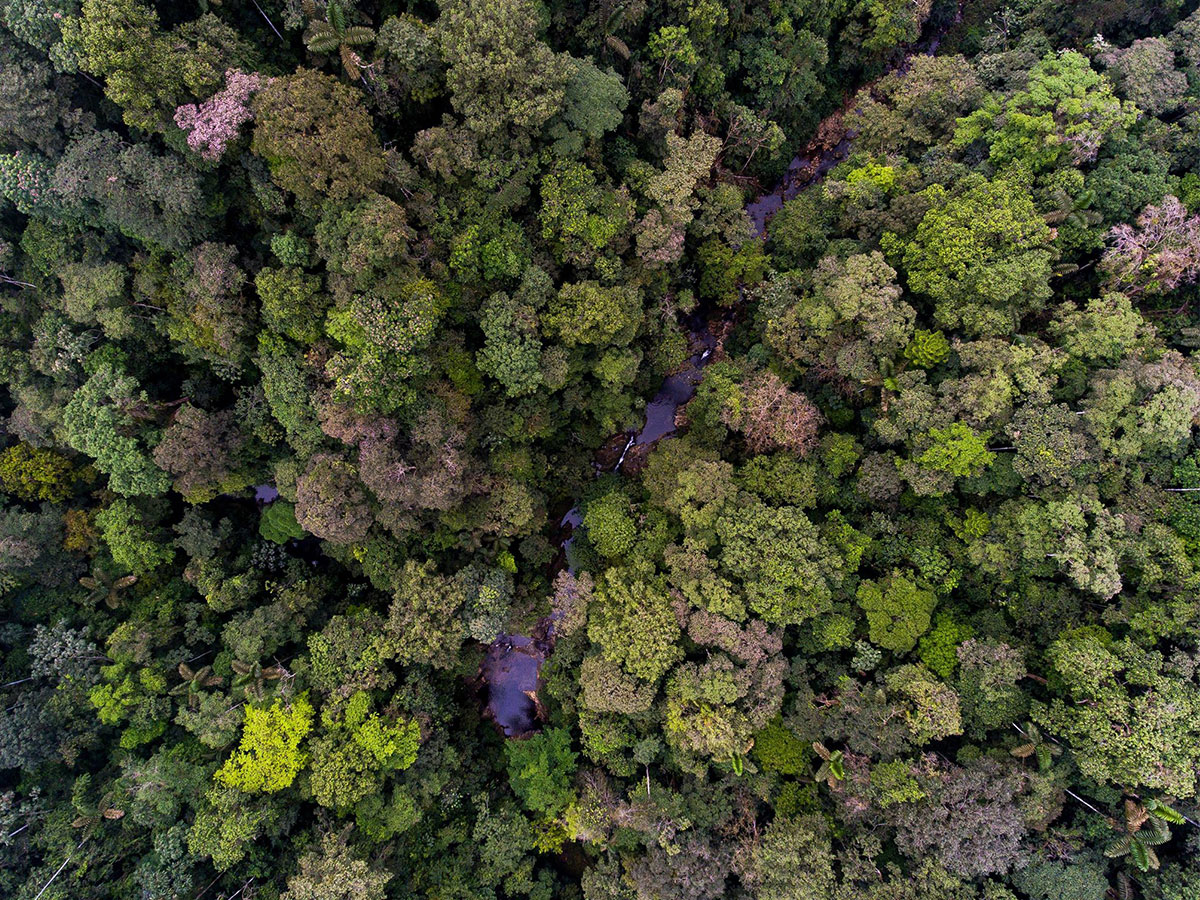
Habitat loss is the greatest threat facing wildlife worldwide. We believe that by protecting land, acre by acre, we are taking the best action to ensure a future for wildlife.
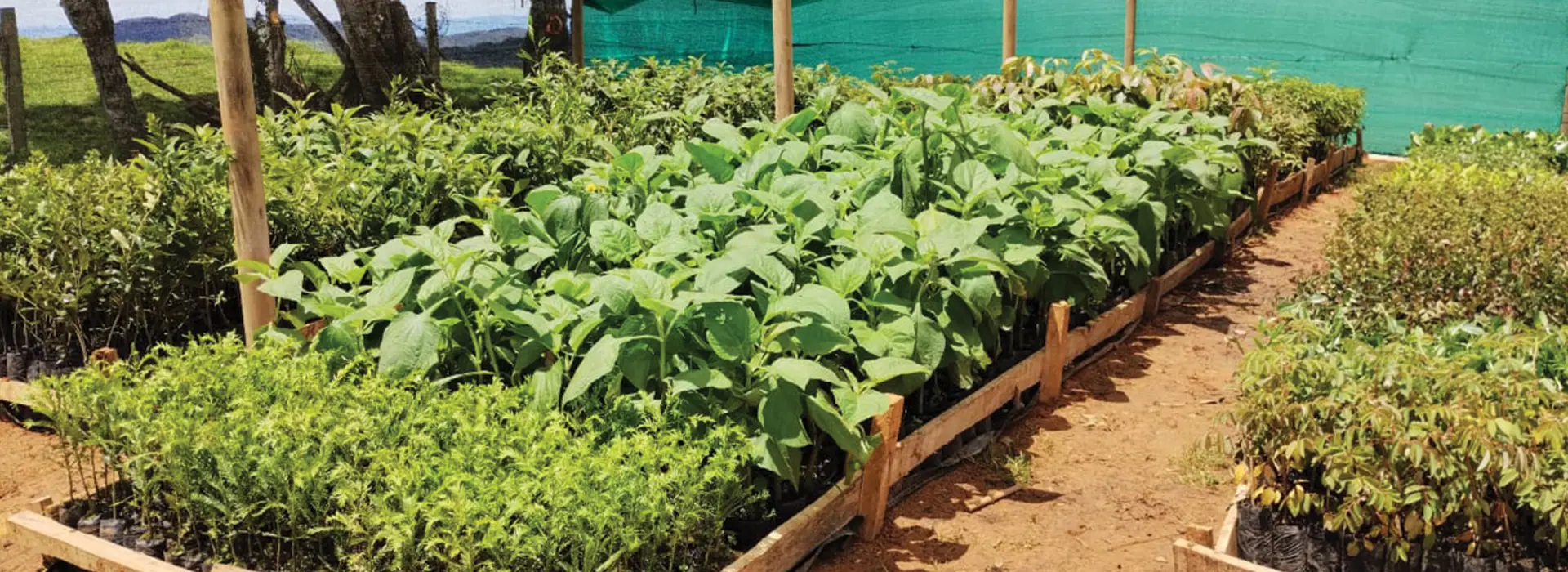
Reforestation is one of the main methods of restoring many damaged ecosystems, with Plant a Tree, you can bring vital forest habitats back to life.