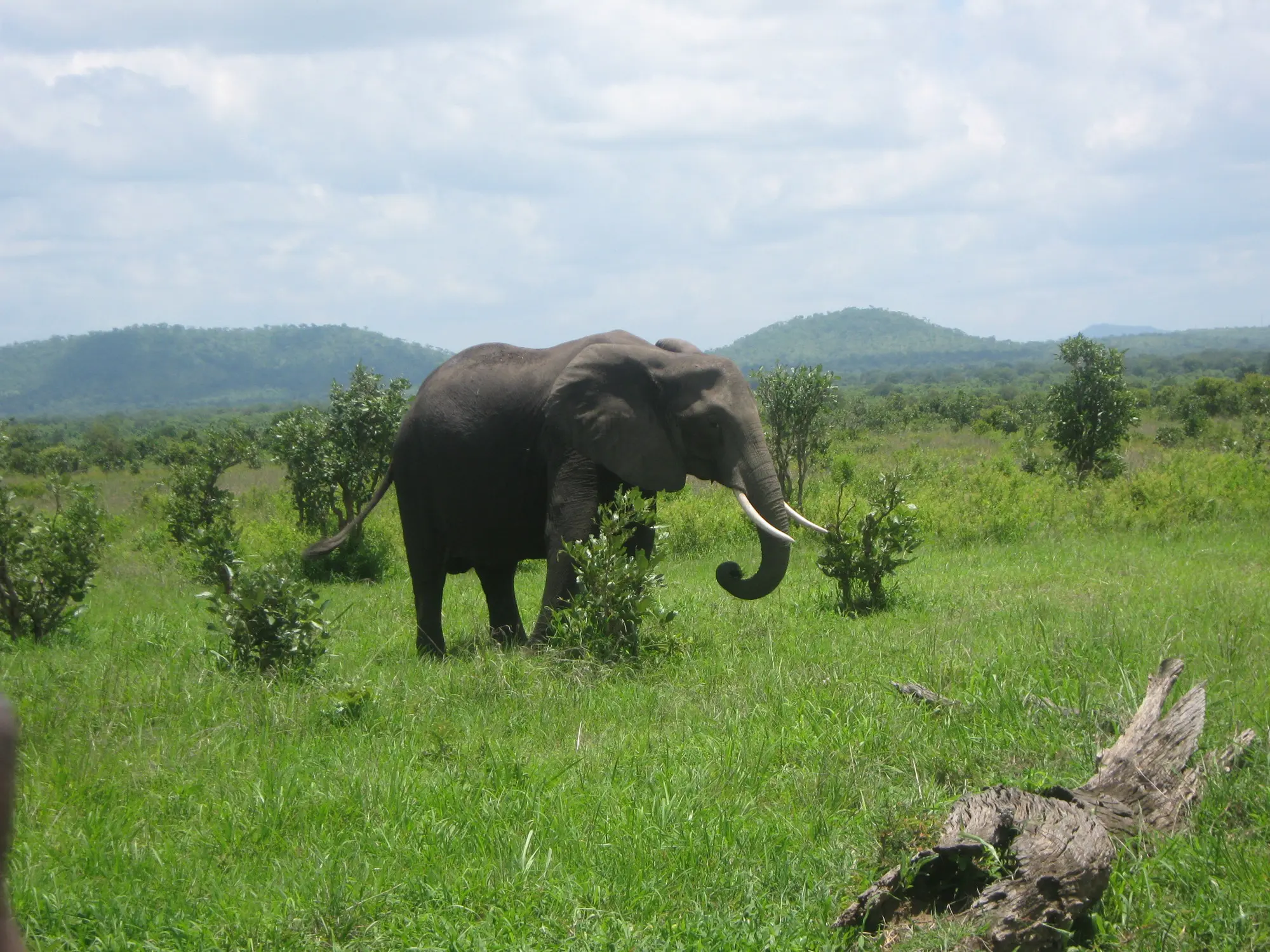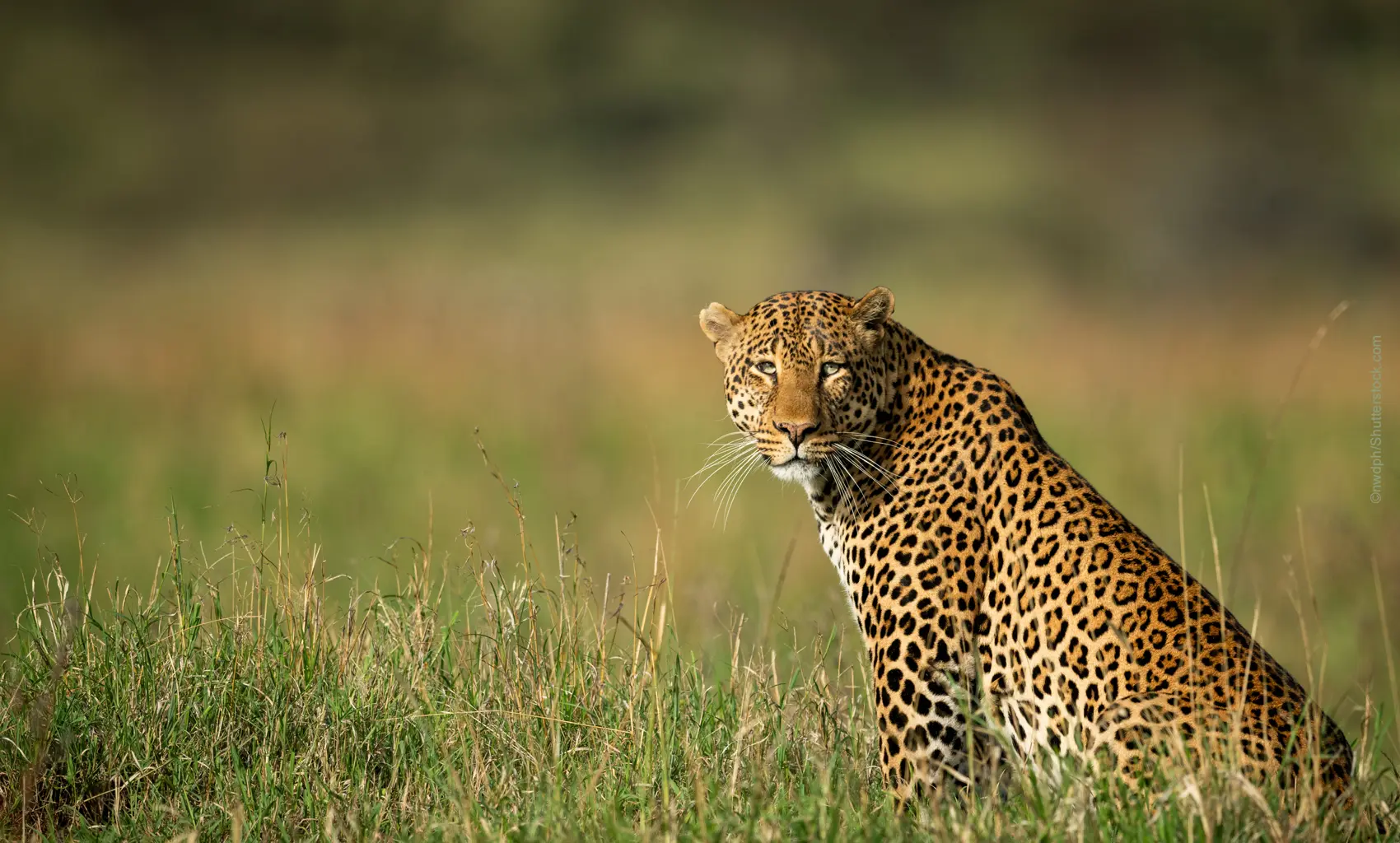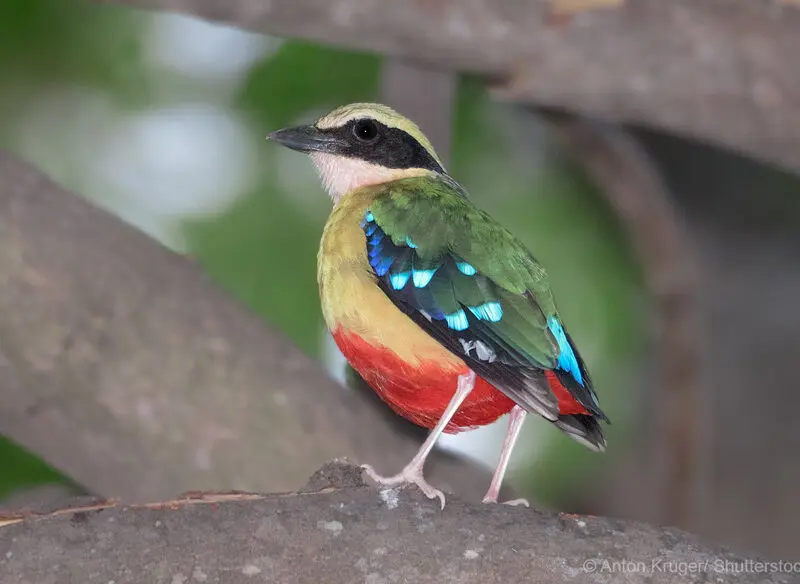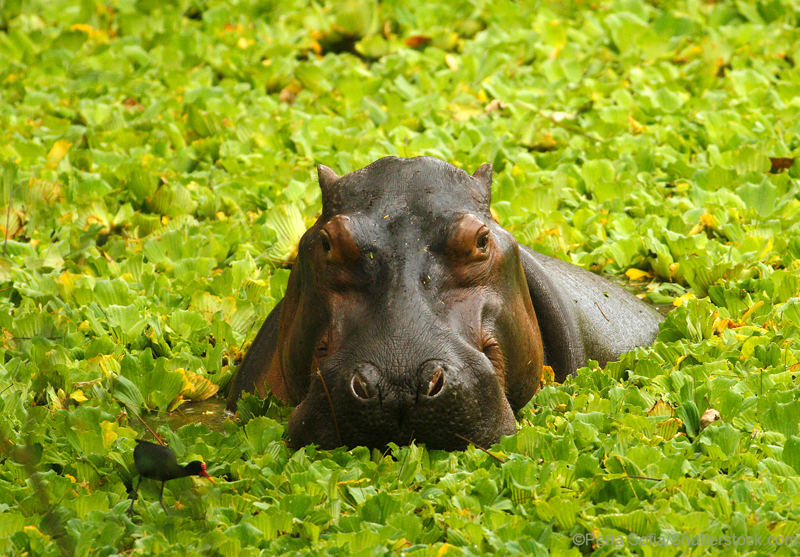
Mozambique boasts three separate biodiversity hotspots, one of Africa’s longest coastlines, and more mangroves than any other country on the continent, aside from Nigeria. Half of the country is forested, but there are also grasslands, wetlands, mountains, plateaus, coral reefs and seagrass meadows, as well as Lake Malawi (home to more fish species than any other lake in the world).
6,000 species of plant are found here, over 330 of which are endemic. The list of fauna includes 726 bird species, 171 reptile species, 85 amphibian species, and many of Africa’s most famous large mammals. The latter in particular were devastated during the Mozambican Civil War of 1977-1992, but in the years since, government efforts to protect biodiversity and the success of projects like Gorongosa National Park promise good things for the people and wildlife of Mozambique.
Our Partners in Mozambique
-
Gorongosa Project
The Gorongosa Project team in Mozambique aim to advance an integrated multi-partner approach to conservation and to people-centred development. The protection of Gorongosa National Park’s biodiversity and ecosystem services is a core part of the Project’s mission. Our partner also unlocks the park’s economic potential for the community inhabitants of the Gorongosa Buffer Zone in Mozambique’s Sofala Province and further afield.
Our projects in Mozambique

LOFE Reserve
A former timber concession, this 29,600-acre (12,000 ha) area was fully acquired by Gorongosa Project in March 2022, with funding from World Land Trust (WLT). Our partner is now consulting with local communities to develop a sustainable development and management plan which will also be funded by WLT.
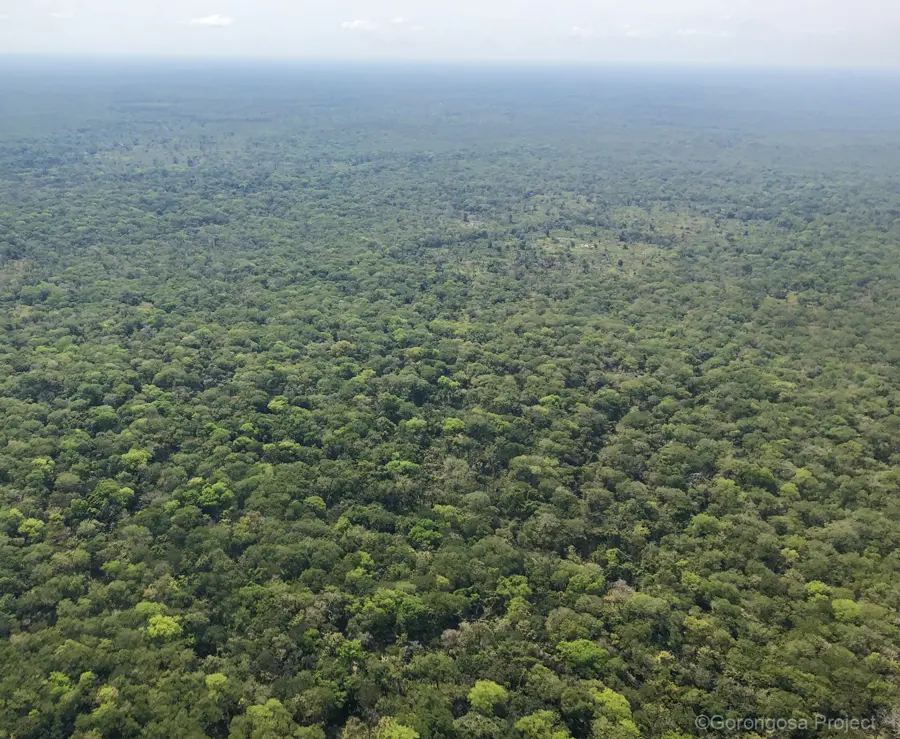
Situated around 35km to the east of Gorongosa National Park, the reserve contains miombo woodland that offers vital connectivity for wildlife in the wider Gorongosa landscape. It will also form a key part of our partner’s ‘Mountains to Mangroves’ landscape corridor. There is strong potential here to restore biodiversity to historically healthy levels – something Gorongosa Project has proven adept at.
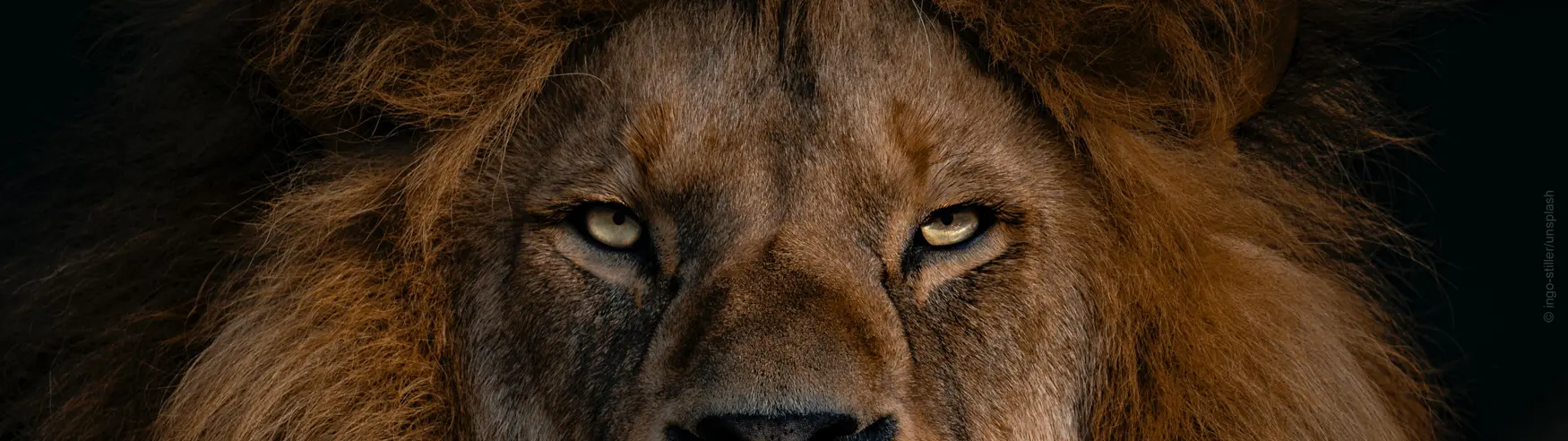
The project area falls within a Key Biodiversity Area that harbours a significant number of rare, endemic, and threatened species, including Painted Dog (Endangered), African Lion and African Leopard (Vulnerable), Zambezi Flapshell Turtle (Endangered) and White-headed Vulture (Critically Endangered).