Brazil is the fifth-largest country in the world and the largest country in South America, covering most of the eastern half of the continent’s landmass.
Extending over a staggering 8,515,770 km² (3,287,957 square miles) and stretching approximately 4,350 km (2,703 miles) from north to south, Brazil contains six terrestrial biomes with an enormous diversity of ecosystems.
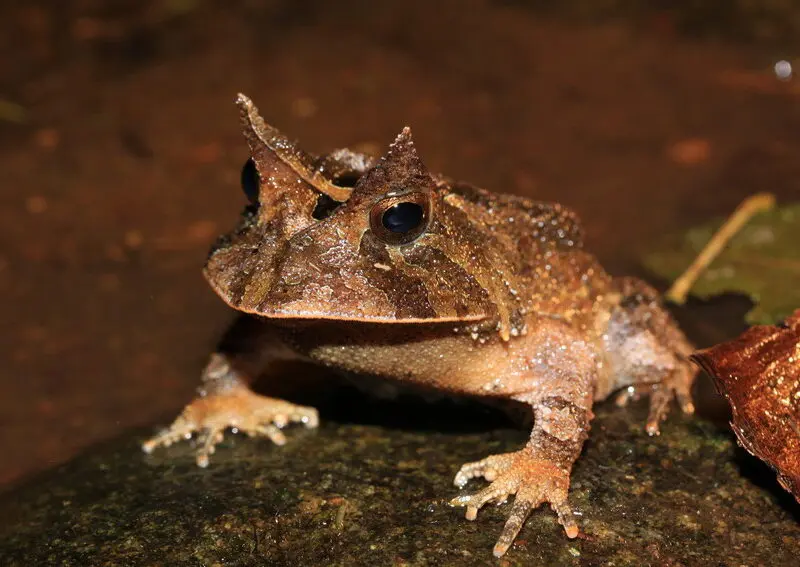
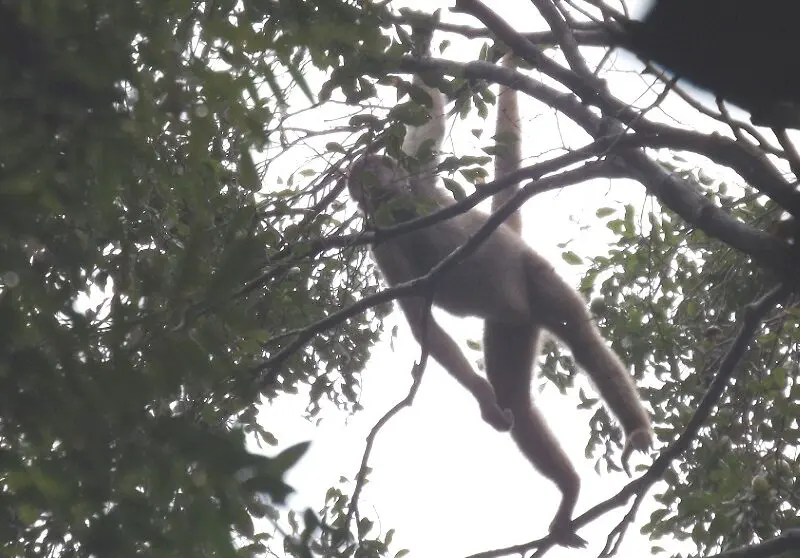
Brazil ranks top of the world’s 17 megadiverse countries identified by the UN. Around 20% of the Earth’s biodiversity is found here, including 1,188 species of amphibians, 848 species of reptiles, 5,940 species of fungi, and 35,700 species of flowering plants. Brazil has the second-richest avifauna on Earth, with over 1,800 bird species, 257 of which are endemic. Among the 153 globally threatened birds in Brazil are the Cherry-throated Tanager and recently rediscovered Blue-eyed Ground-dove (Critically Endangered), and the Red-billed Curassow and Lear’s Macaw (Endangered). The 720 species of mammals include the iconic Jaguar and Maned Wolf, while other threatened mammals include the Northern and Southern Muriquis (Critically Endangered), Golden Lion Tamarin, Amazon River Dolphin (Endangered), and the Giant Anteater (Vulnerable).
Brazil’s staggering wildlife is highly threatened by deforestation from cattle ranching and soy, cotton, corn, and oil palm plantations, as well as by climate change, wildfires, poaching, and hydroelectric dams. WLT has supported forest protection and reforestation in Brazil’s Atlantic Forest since 2006.
Our Partners in Brazil
-
Instituto Marcos Daniel
Instituto Marcos Daniel (IMD) was established as a private non-profit organisation in 2004 to carry out scientific research and biodiversity conservation, and to communicate and encourage a sustainable society in Brazil.
-
Reserva Ecológica de Guapiaçu (REGUA)
REGUA’s mission is the long-term conservation of the Atlantic Forest and its biodiversity in the Guapiaçu watershed in the state of Rio de Janeiro, Brazil.
Our Projects in Brazil
ATLANTIC FOREST PLANT A TREE PROJECT
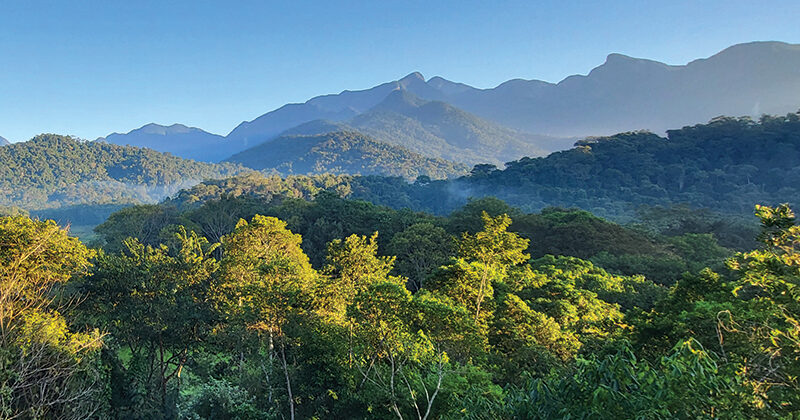
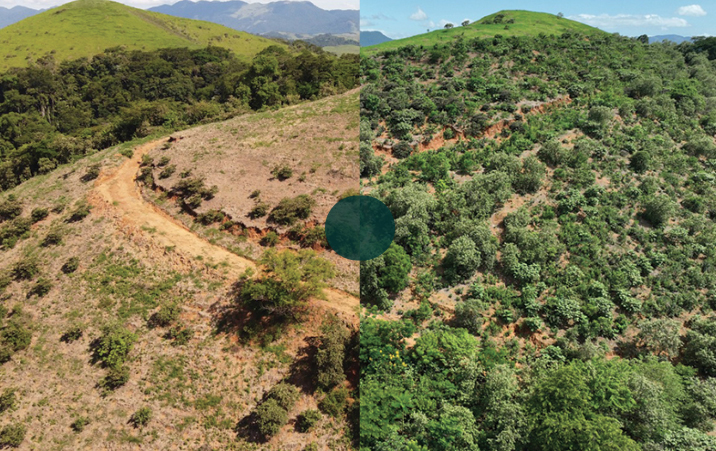
The Atlantic Forest is one of the world’s top biodiversity hotspots, with extremely high levels of endemism. After centuries of deforestation, just 7% of the Atlantic Forest remains, mainly in isolated remnants.
Reserva Ecológica de Guapiaçu (REGUA)
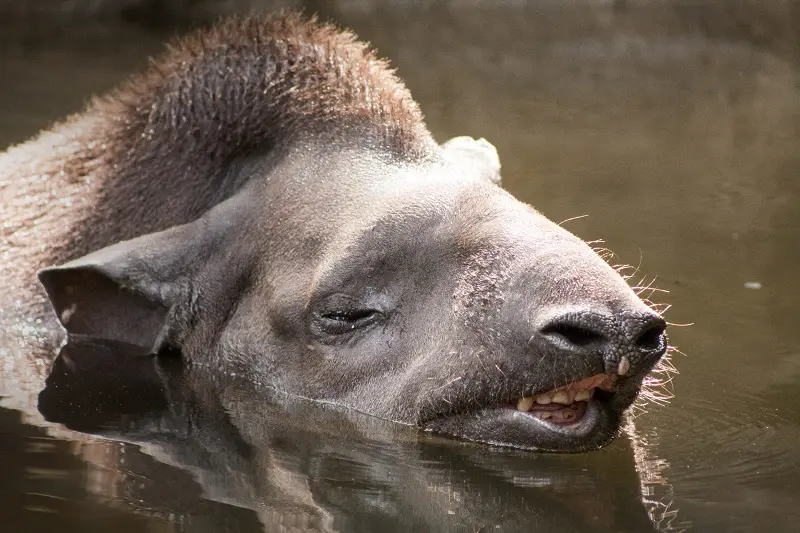
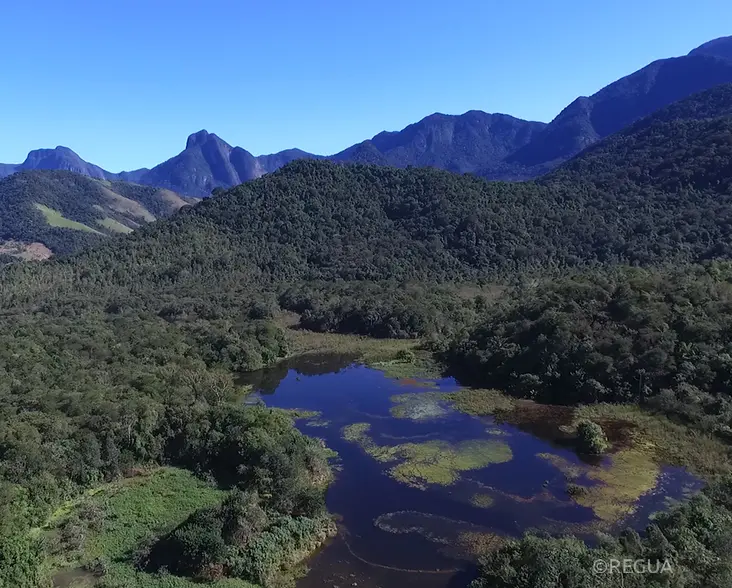
Established in 2001, Reserva Ecológica de Guapiaçu (REGUA) safeguards 11,274 ha (27,859 acres) of Brazil’s remaining Atlantic Forest in the Guapiaçu watershed, owning 7,695 ha and managing the rest in partnerships with landowners. With the help of WLT and other REGUA supporters, 388 ha (959 acres) of pastureland have been reforested, reconnecting isolated forest fragments through the planting of over 624,000 trees from 180 native species, grown mostly from seeds collected within the reserve and nurtured in REGUA’s nursery. REGUA’s team of local rangers protect against poaching, allowing the reintroduction of the Lowland Tapir.
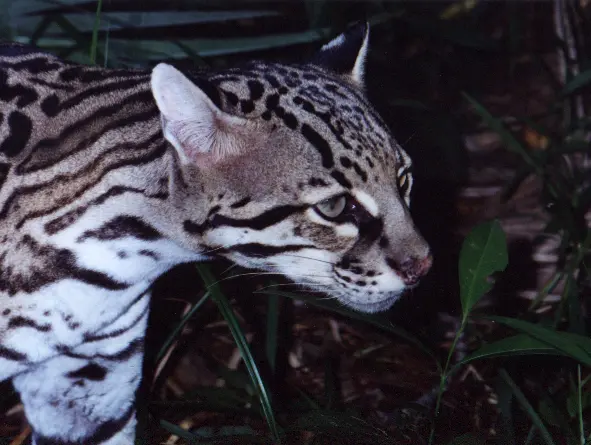
REGUA’s rich biodiversity includes 485 bird species—118 of which are Atlantic Forest endemics—as well as 73 mammal species including Puma, Ocelot, and the Southern Muriqui (Critically Endangered), and an astonishing 208 species of dragonfly.
WLT has supported REGUA’s restoration work since 2006, which continues through our latest Plant a Tree project that will fund 66,680 saplings between 2021 and 2024, restoring 40 ha (99 acres) of forest.
Kaetés Reserve
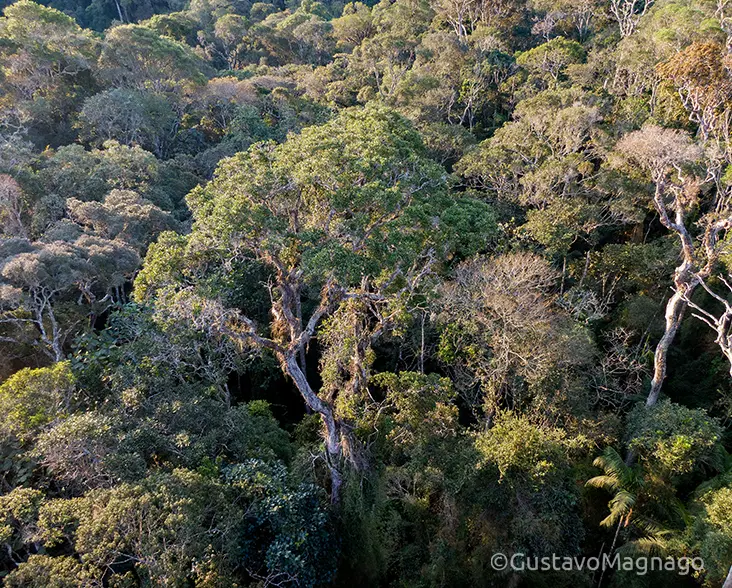
In 2023, WLT partnered with Instituto Marcos Daniel (IMD) to support another project in the Brazilian Atlantic Forest. IMD began their research into the Cherry-throated Tanager in 2016 and established the Kaetés Reserve in 2021, protecting one of only two known locations where the Critically Endangered bird still survives.
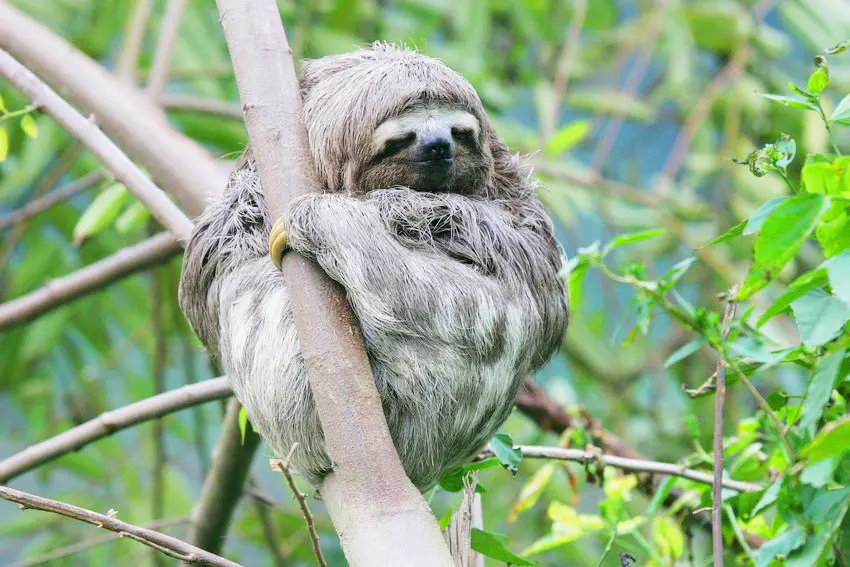
The reserve also protects the only habitat of the Caetés Catfish, also Critically Endangered. Threatened by ongoing deforestation and habitat fragmentation, WLT and IMD are now working to expand the Kaetés Reserve by 351 ha, safeguarding the future for the two flagship species as well as five globally threatened birds, a rare and Critically Endangered population of marmoset, and the Three-toed Maned Sloth (Vulnerable).
Kaetés is the latest reserve to be established by IMD in the Atlantic Forest of Espírito Santo State. IMD’s various projects focus on researching and tackling the threats facing the incredible biodiversity of the Atlantic Forest, such as tapirs, caimans, bromeliads, and the 891 bird species present, 24% of which are endemic. Our partner has also developed a series of important environmental education programmes around these threatened species, and has carried out initiatives around complex issues of hunting, bird trafficking, and the harvesting of palm hearts in the area.