
Vulnerable
In accordance with IUCN criteria, a species is considered to be Vulnerable if it is facing a high risk of extinction in the wild.
Species data
Class
Aves
Order
Gruiformes
Family
Rallidae
Scientific Name
Rufous-faced Crake
Reserve locations
Bolivia
Description
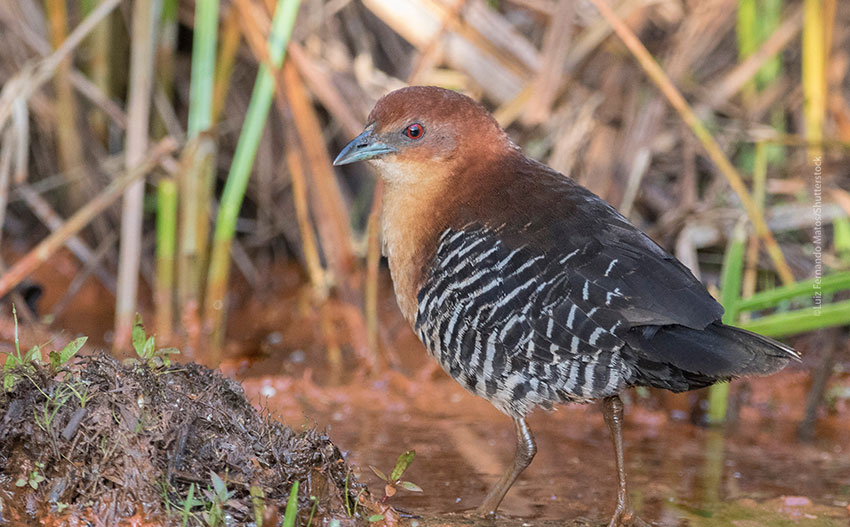
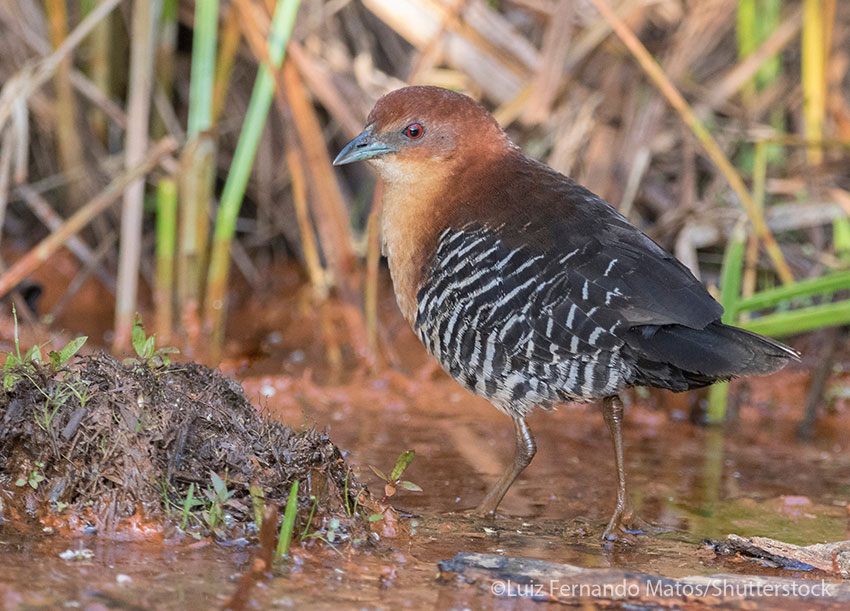
The Rufous-faced Crake is a small, elusive wetland bird found in Bolivia, Paraguay and Brazil. Measuring around 14 cm in length, it is distinguished by its rich rufous face, hindneck and upper back, contrasting with a white throat and belly.
One of the least-known members of the rail family, the Rufous-faced Crake remained virtually unknown to science for many years and is still only recorded from a small number of locations across its range.
Behaviour
Very little is known about the Rufous-faced Crake’s behaviour. The species is highly secretive, spending most of its time concealed within dense vegetation and is most often detected by its distinctive call, a drawn-out churring trill accompanied by soft notes.
Its diet and foraging habits remain poorly understood, although it is thought to feed in a similar way to other members of the rail family, searching through wetland vegetation for invertebrates and other small food items.
Habitat
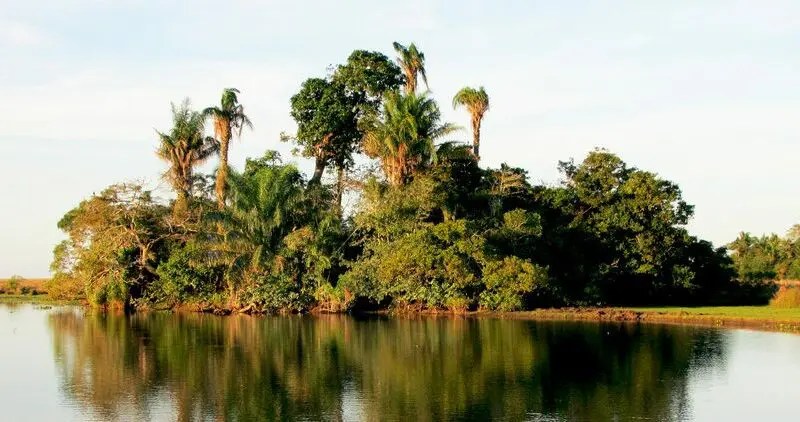
The Rufous-faced Crake is found in northeastern Bolivia’s Beni Department, central Paraguay and parts of south-central Brazil. It inhabits seasonally flooded grasslands, marshes and wetlands, where dense tussocky vegetation provides shelter and nesting opportunities.
Threats and Conservation
The Rufous-faced Crake is threatened primarily by habitat loss and degradation. Across its range, wetlands and natural grasslands are increasingly being converted for agriculture, particularly soybean cultivation and cattle production. In some areas, plantations of eucalyptus and pine trees have also replaced suitable habitat.
Because the species is known from relatively few locations and has a small, declining population, the loss and fragmentation of its remaining wetlands pose significant challenges to its long-term survival. Conservation efforts focused on protecting and restoring wetland grasslands are therefore critical for safeguarding this little-known bird.