Double your donation for Pangolins
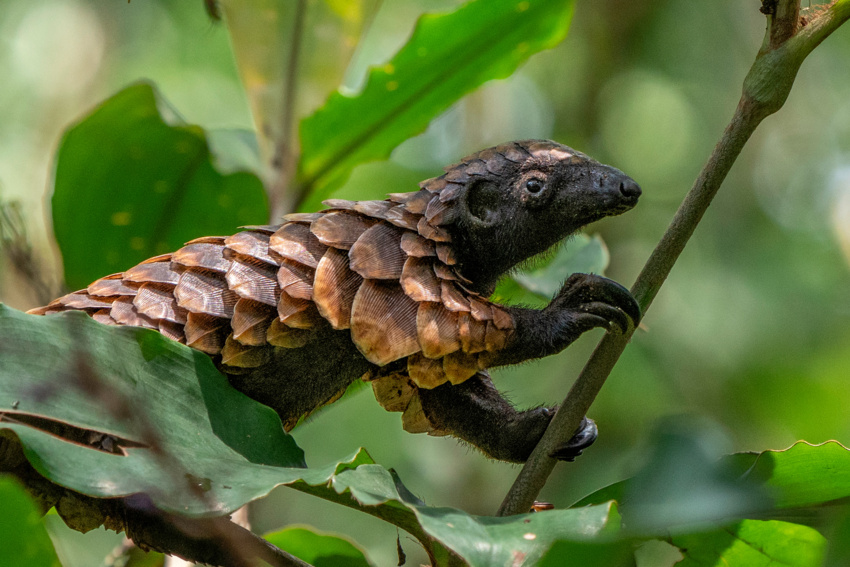
Pangolins are the world’s most trafficked mammal. They desperately need our help and, this week, you can make double the difference to protect them with the Big Give's Earth Raise campaign.
Pangolins are the world’s most trafficked mammal. They desperately need our help and, this week, you can make double the difference to protect them with the Big Give's Earth Raise campaign.
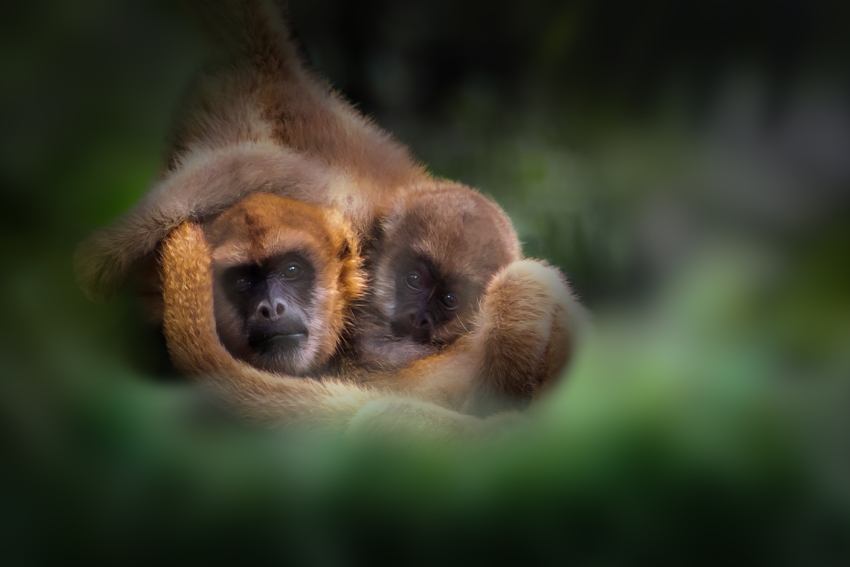
High in the canopy of Brazil’s Atlantic Forest lives the Southern Muriqui (Brachyteles arachnoides). Known locally as the mono-carvoeiro, meaning the “charcoal monkey” for its dark grey face, this long-limbed acrobat was once abundant throughout South America, but is now only found in the diminishing forests of Brazil’s Atlantic coast.
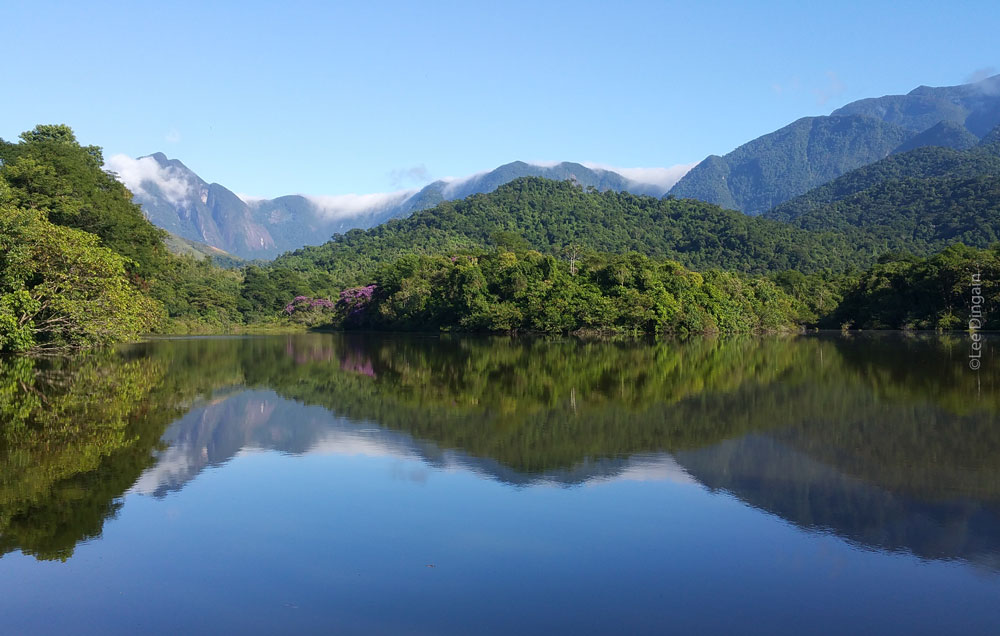
Covering a third of Earth's land surface, forests are not only the most biodiverse terrestrial ecosystems, but also perform ecosystem functions essential for all life. Integral to the global water cycle, forests also provide “ecosystem services” that quietly benefit human wellbeing and quality of life...
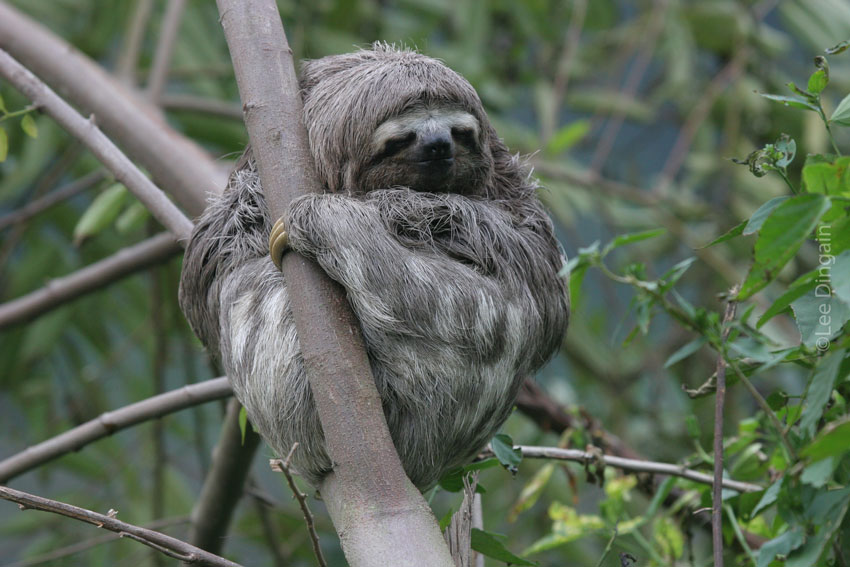
High in the canopy of Reserva Ecológica de Guapiaçu (REGUA), the movement of the Brown-throated Sloth (Bradypus variegatus) is almost imperceptible. Its shape shifts slowly among the leaves, limbs draped over a branch, peacefully minding its unhurried business as the busy forest hums all around...
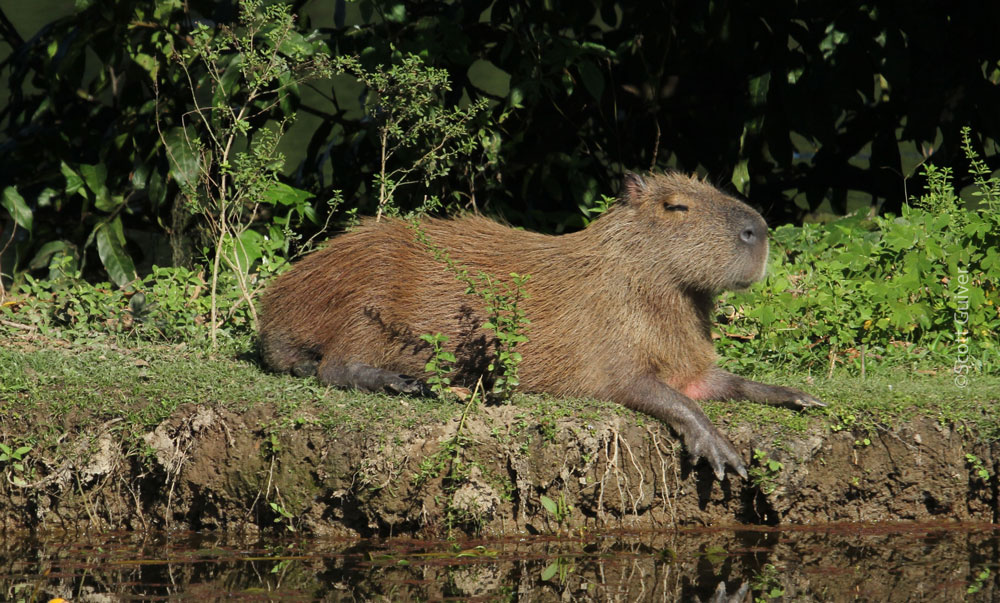
Capybara (Hydrochoerus hydrochaeris) might be one of the world’s most popular animals, and for good reason. An extremely social species that enjoys basking on the banks of rivers and soaking up the sun, they are often seen surrounded by fellow residents of the ecosystem...

Journey through the Mata Atlântica with Dan Bradbury, Director of Brand and Communications at World Land Trust. In July 2025 I had the chance to visit Reserva Ecológica de Guapiaçu, or REGUA, a place I had heard so much about during my time at World Land Trust (WLT) but never experienced in person...
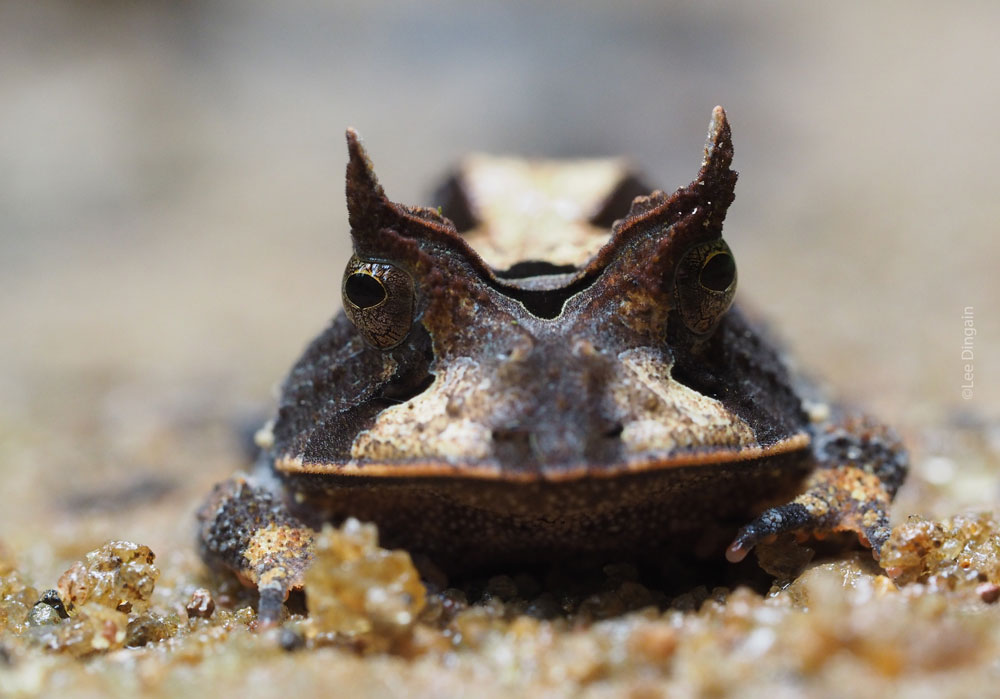
Rivalling the Amazon rainforest for species richness, the Atlantic Forest is one of the world’s top biodiversity hotspots, and home to unique species found nowhere else. Once covering 150 million hectares across Brazil, Paraguay, and Argentina, the Atlantic Forest has been cleared to a tiny fraction of its original size...
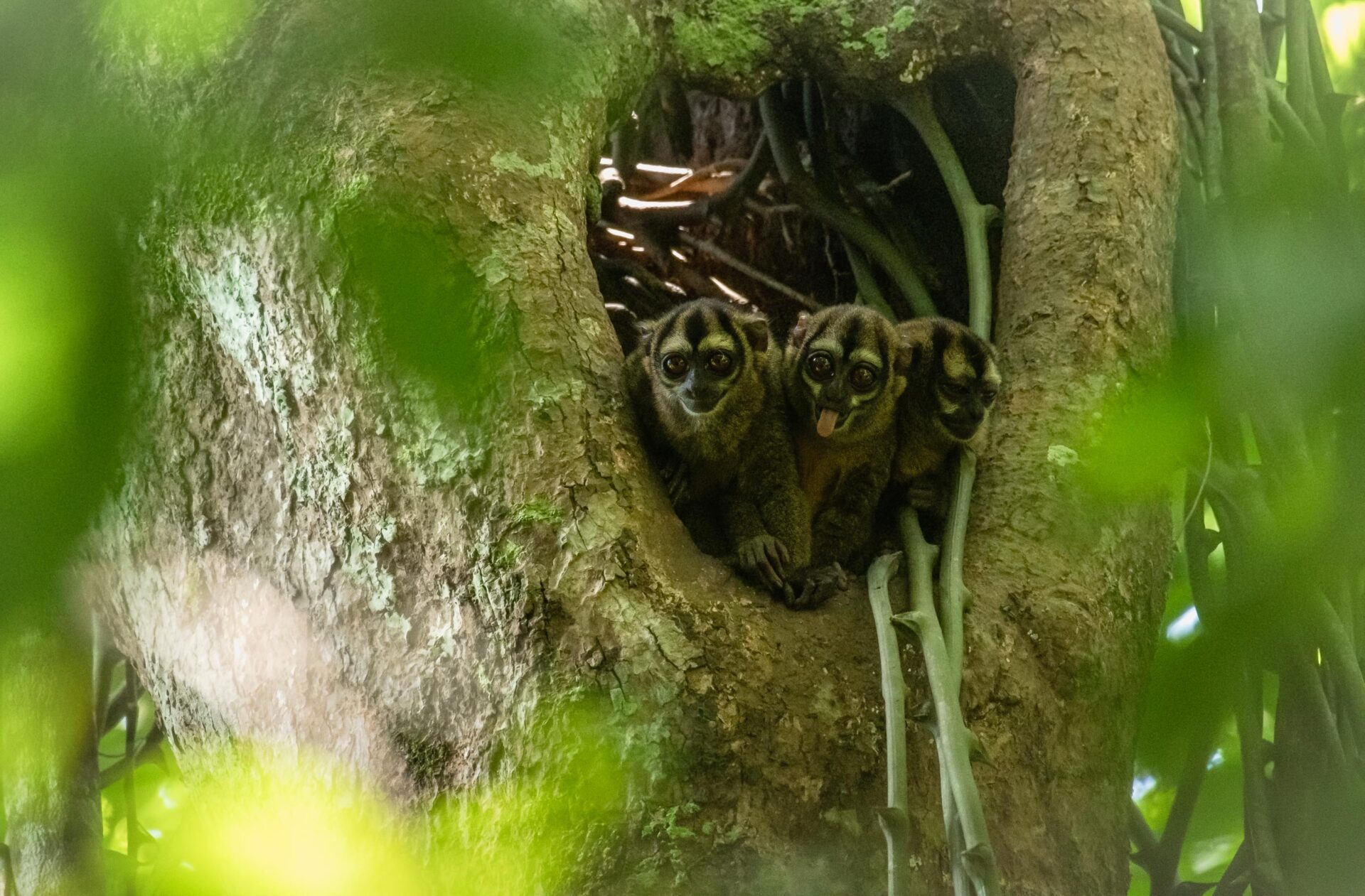
Last Autumn we asked for your help to save vital forests and wetlands as part of our ‘Expand Colombia’s El Silencio Reserve’ appeal. And today, we’re delighted to announce that we have reached our full £2,188,483 fundraising target – the largest amount we’ve ever raised for an appeal!...
Donate to our spring appeal and help us raise £197,260 to secure 180 hectares (444 acres) of highly threatened land in Brazil’s Atlantic Forest, before it’s lost to the threats of deforestation and development. The Atlantic Forest is one of the world’s top biodiversity hotspots and home to hundreds of endangered species...
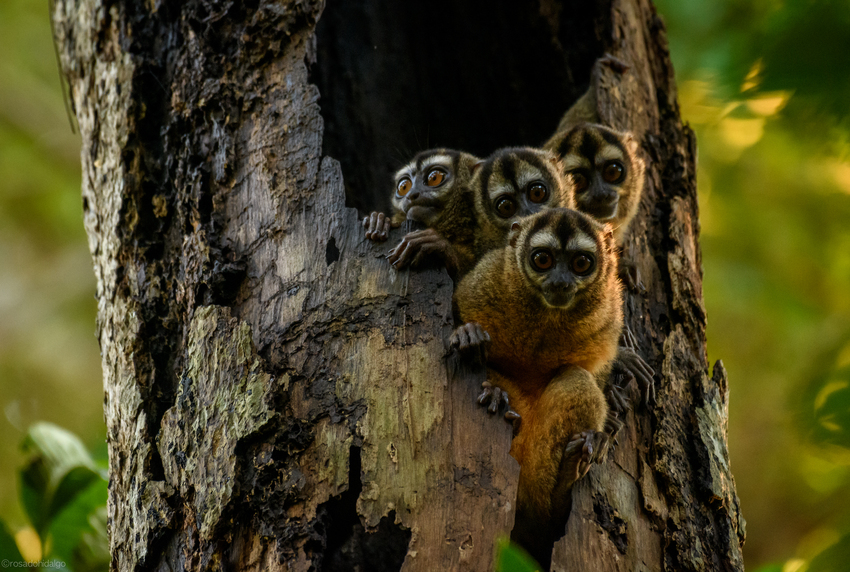
Shy, wide-eyed, and active only under the cover of darkness, the Grey-handed Night Monkey (Aotus griseimembra) is one of Colombia’s most enchanting primates. Found in forest canopies across Colombia and Venezuela, including those of Fundación Biodiversa Colombia’s (FBC’s) El Silencio Reserve.

Community lies at the heart of our conservation partner Fundación Biodiversa Colombia’s (FBC) conservation work and nowhere is this clearer than in the Middle Magdalena Valley. Here, dialogue and listening are essential tools for protecting wildlife and supporting the people who live alongside it.

“I came here because I’m better off than down there in the wetland,” says José Cruz, who once earned his living as a fisherman. He smiles wryly. “Down there, even my mattress got wet. But here, “I don’t get wet. I’m better, fresher, and I want to stay here all my life.”