As dawn breaks over the grasslands and sand forests of Wild Tomorrow’s Ukuwela Reserve, rangers Bongani Peter Mbuyazi and Musa Masinga are already preparing for another day on patrol.
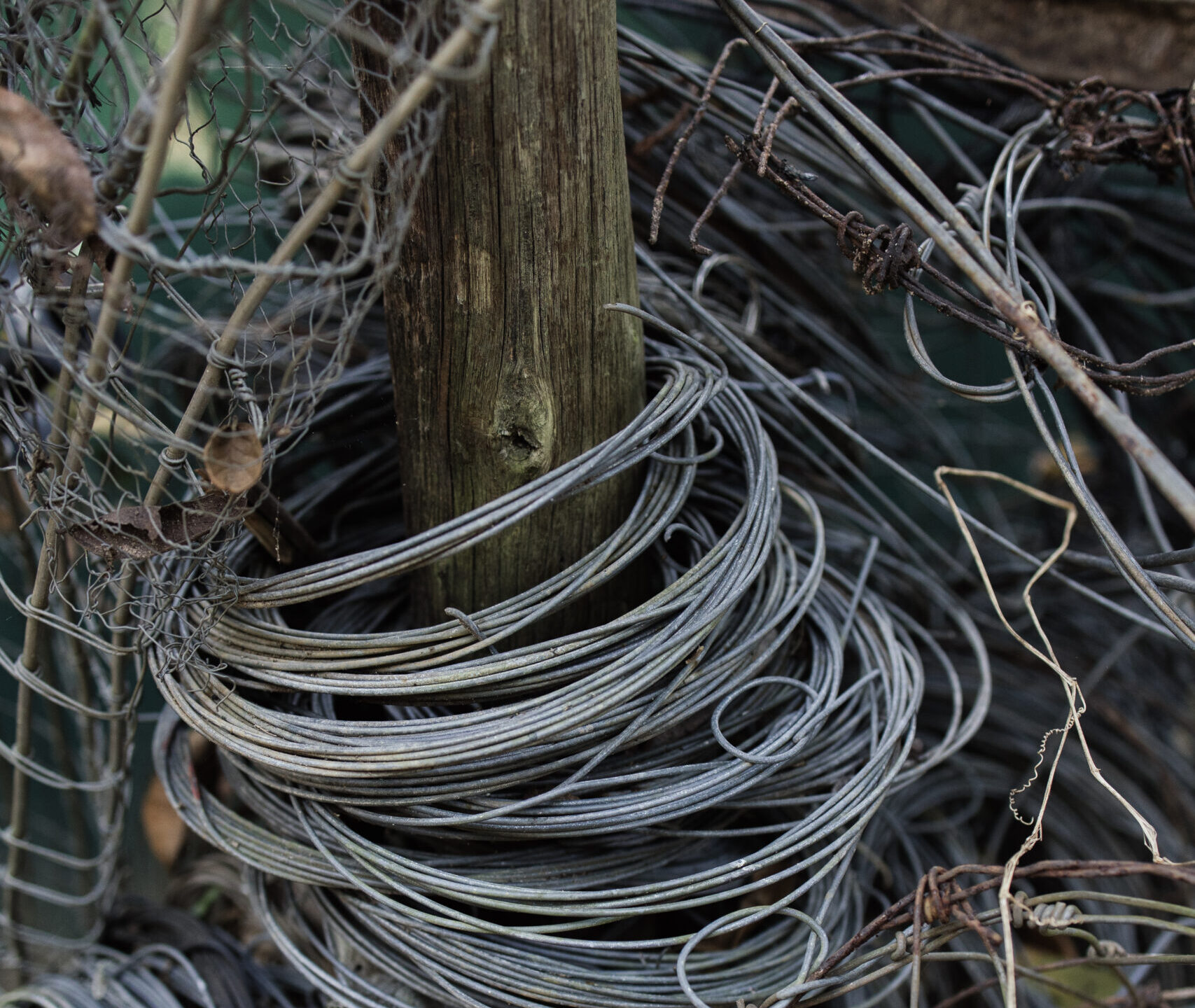
Some days they are repairing fences damaged overnight. Other days they are removing snares hidden in the bush or tracking and arresting poachers who have broken into the reserve. No matter the task, their goal is the same: protecting the wildlife and habitats that make Ukuwela such a special place.
Bongani describes how this is deeply rewarding work. “I most enjoy the opportunity to protect the animals because this is a priority. Every day I get to see incredible wildlife and sights many other people don’t get to see. It’s a real privilege.”
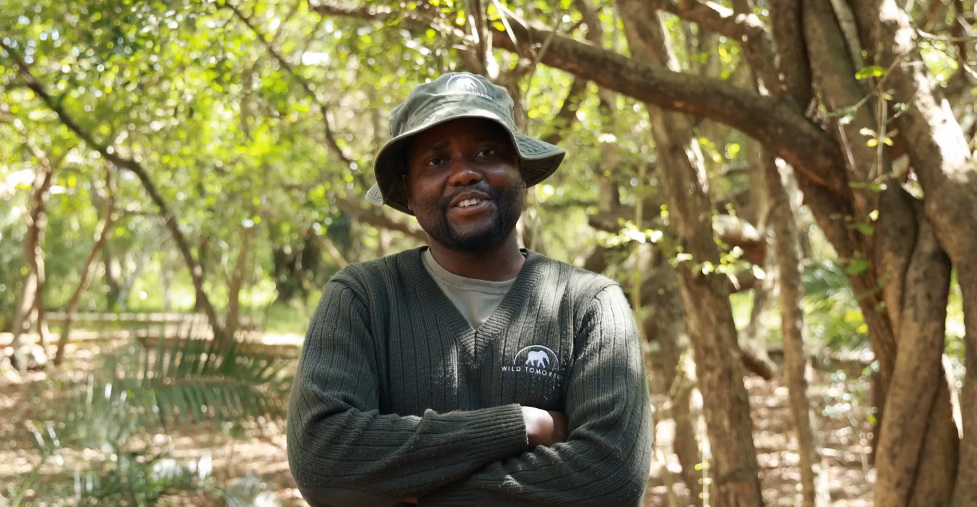
Bongani remembers helping his grandfather with herding cattle, saying how it helped give him an early appreciation for nature. Credit: ©Chantelle Melzer
Facing the unknown
Life as a ranger can involve long stretches of routine work, from checking fences to removing litter before it can harm wildlife. But Bongani knows that a day in the field can change quickly.
“When we get poachers in the bush, you go there without knowing what you will face,” he says.
Confronting poachers is among the most challenging parts of the job. Rangers never know who they may encounter or what awaits them beyond the next thicket, making teamwork essential.
"If they have weapons, I work together with the other rangers as a group. I tell myself, 'I will die where my group dies!’ My work is like that, my team is so important, and there is so much trust between us."Bongani Peter Mbuyazi, Wild Tomorrow Reserve Ranger
For Musa Masinga, who has spent six years working across Ukuwela Reserve, the focus is often on identifying threats before they become larger problems. As well as tackling poaching, his work includes repairing damaged fences and removing litter.
“If species eat plastic, they’ll get sick and might die,” he explains. “It’s very important to do these patrols daily so we make sure everything is under control.”
What may seem like small actions can have a major impact. A discarded plastic bottle can be mistaken for food, while a damaged fence may allow animals to wander onto nearby roads or towards waiting poachers.
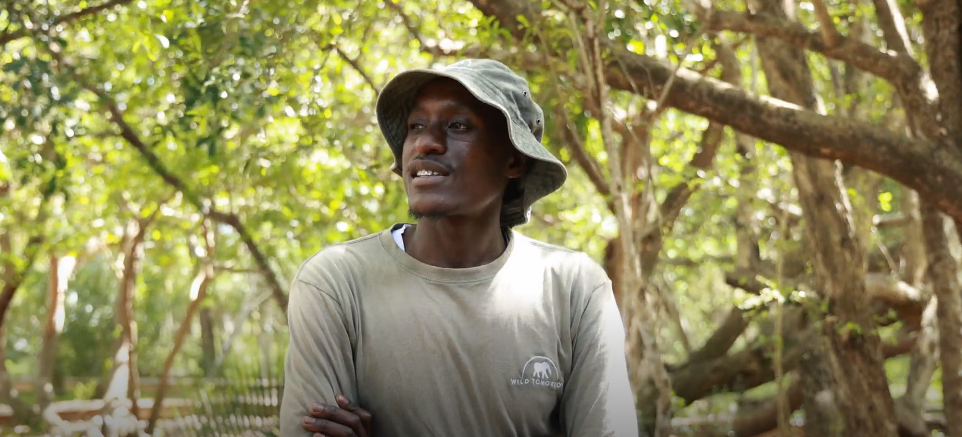
Together with Bongani, Musa is responsible for carrying out patrols to stop poaching in its tracks. Credit: ©Chantelle Melzer
Wins for wildlife
Bongani explains how their regular patrols is helping to reduce illegal poaching and hunting of wildlife.
“Snaring was bad before, but now it’s getting better and better,” he says. Earlier this year, he was also involved in arresting three poachers, a moment that demonstrated how much he had learned since joining the team as a ranger.
“I didn’t have the experience to arrest poachers before, but now I know the steps to follow.”
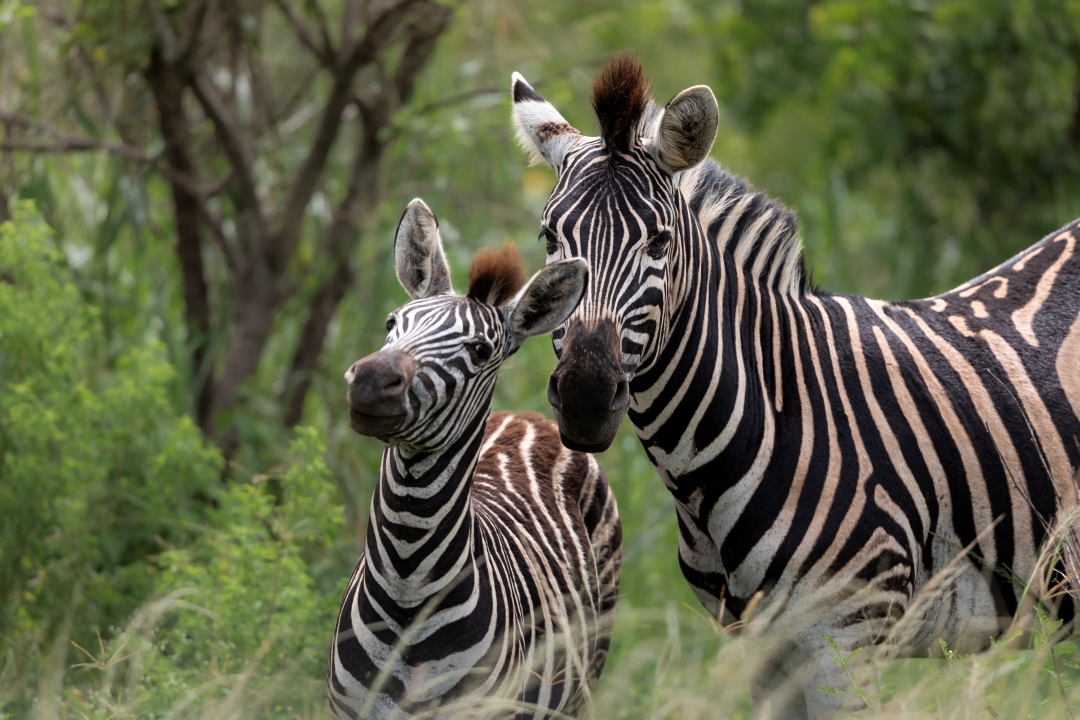
The Ukuwela Reserve is home to a wealth of wildlife, all of which Wild Tomorrow's rangers help to protect. Credit: ©Chantelle Melzer
Supporting conservation on the frontline
Conservation at Ukuwela depends upon the dedication of rangers like Bongani and Musa, who spend their days on the frontline protecting wildlife and habitats. Both are quick to emphasise that this work would not be possible without the support of donors.
“I really appreciate our donors because I see our conservation is always expanding every year,” says Bongani. “Our community is also benefiting.”
Musa shares the same message of gratitude.
“I’d like to thank those who are supporting us for everything they’ve done,” he says. “They must support us more and more so we have the energy to protect and preserve nature for our new generations.”
Thanks to the commitment of rangers like Bongani and Musa, Ukuwela’s grasslands and forests remain a refuge for nature, today and far into the future.
Two Threatened Landscapes. One Urgent Mission
In South Africa, we can strengthen a wildlife corridor along the Elephant Coast by securing strategically important habitat before it is lost forever.