
Action Fund
By donating to World Land Trust’s Action Fund, we are able to act quickly, whenever and wherever urgent conservation action is needed.
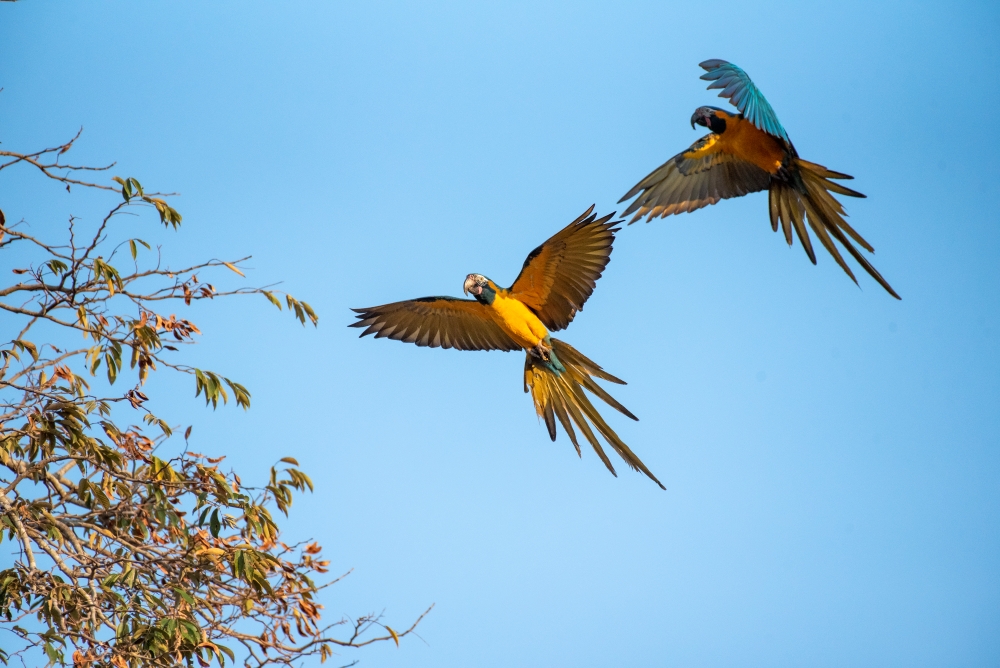
Our ongoing work with Asociación Armonía supports one of the most remarkable conservation stories of the 21st century.
Since 2008, World Land Trust (WLT) supporters have partnered with Asociación Armonía to protect habitat for one of the world’s rarest parrots, the Critically Endangered Blue-throated Macaw (Ara glaucogularis). Together, we have helped safeguard key feeding, roosting and breeding sites, helping to bring one of the world’s rarest parrots back from the brink.
“From what started as a small experiment, we are now protecting the largest known breeding population of this Critically Endangered Species.”Tjalle Boorsma, Conservation Programme Director at Asociación Armonía
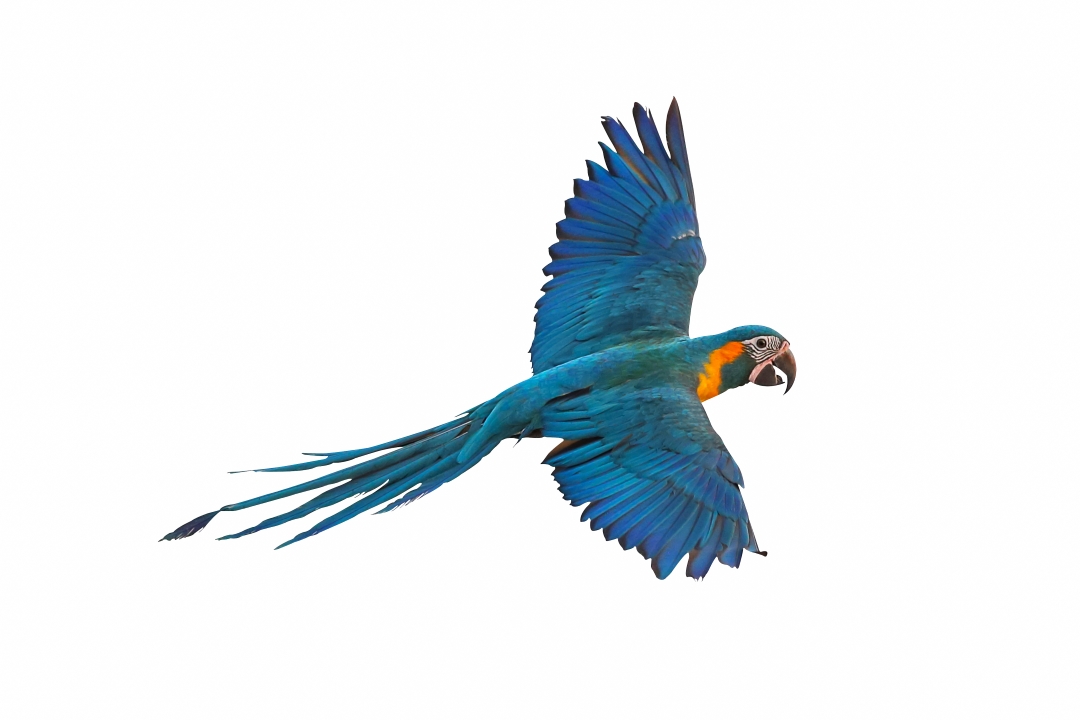
By the late 1980s, scientists feared the Blue-throated Macaw was extinct. After several years with no confirmed sightings, many assumed they had been wiped out by trapping for the international pet.
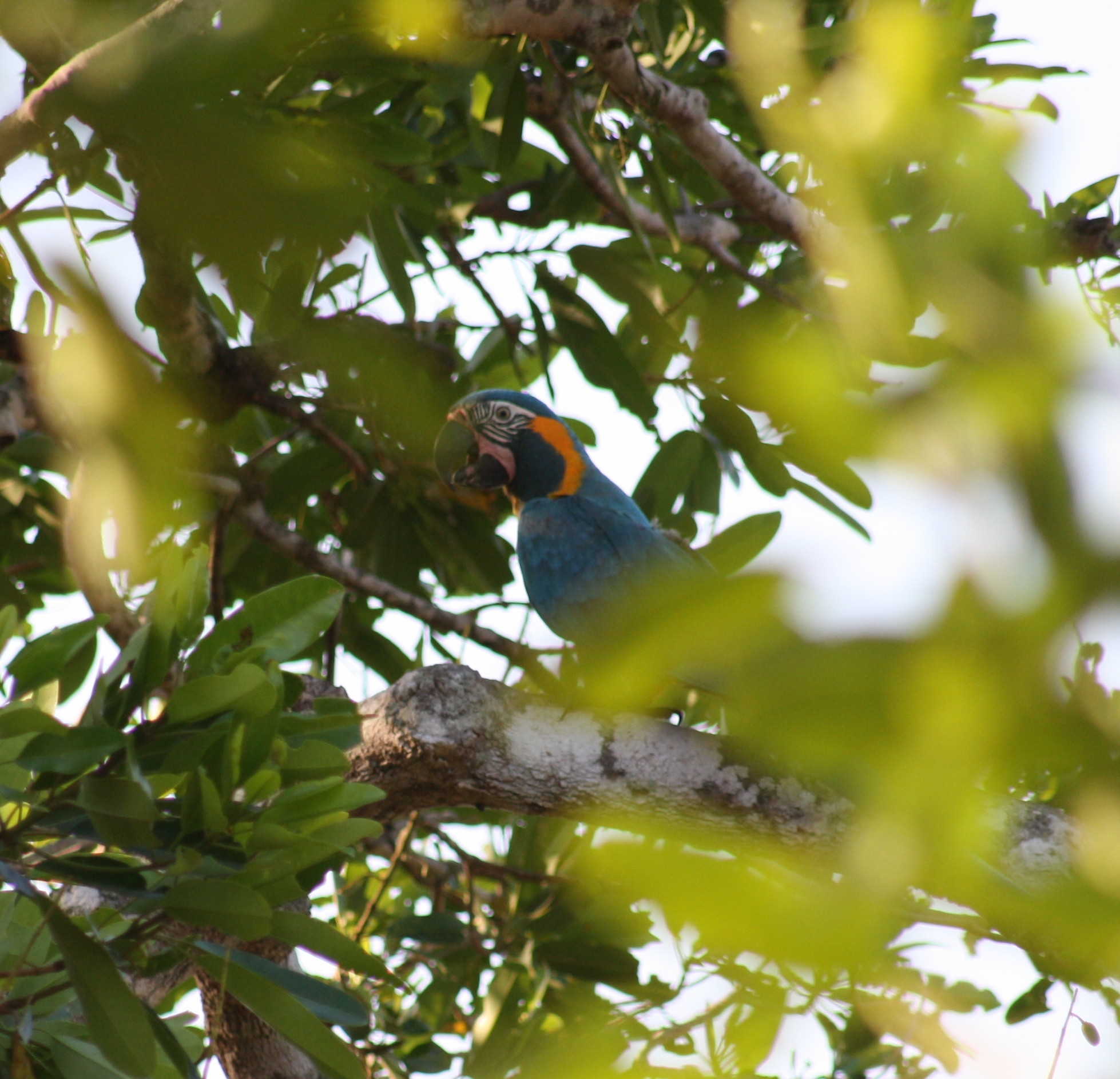
In 1992, a local poacher inadvertently revealed a nesting site to a trustee from the World Parrot Trust, who was posing as a wildlife photographer.
This accidental tip-off led researchers to discover that around 100 Blue-throated Macaws were still present in Bolivia's Beni Savannah.
Although the Blue-throated Macaw had been rediscovered, very little was known about how it survived. Where did it roost? How far did it travel? And what would it take to bring it back from the brink?
In 1996, Armonía was set up to find answers.
By the early 2000s, Armonía had identified some of the most important habitats remaining for the Blue-throated Macaw. The challenge now was securing and protecting them before they were lost.
This is where World Land Trust supporters stepped in.
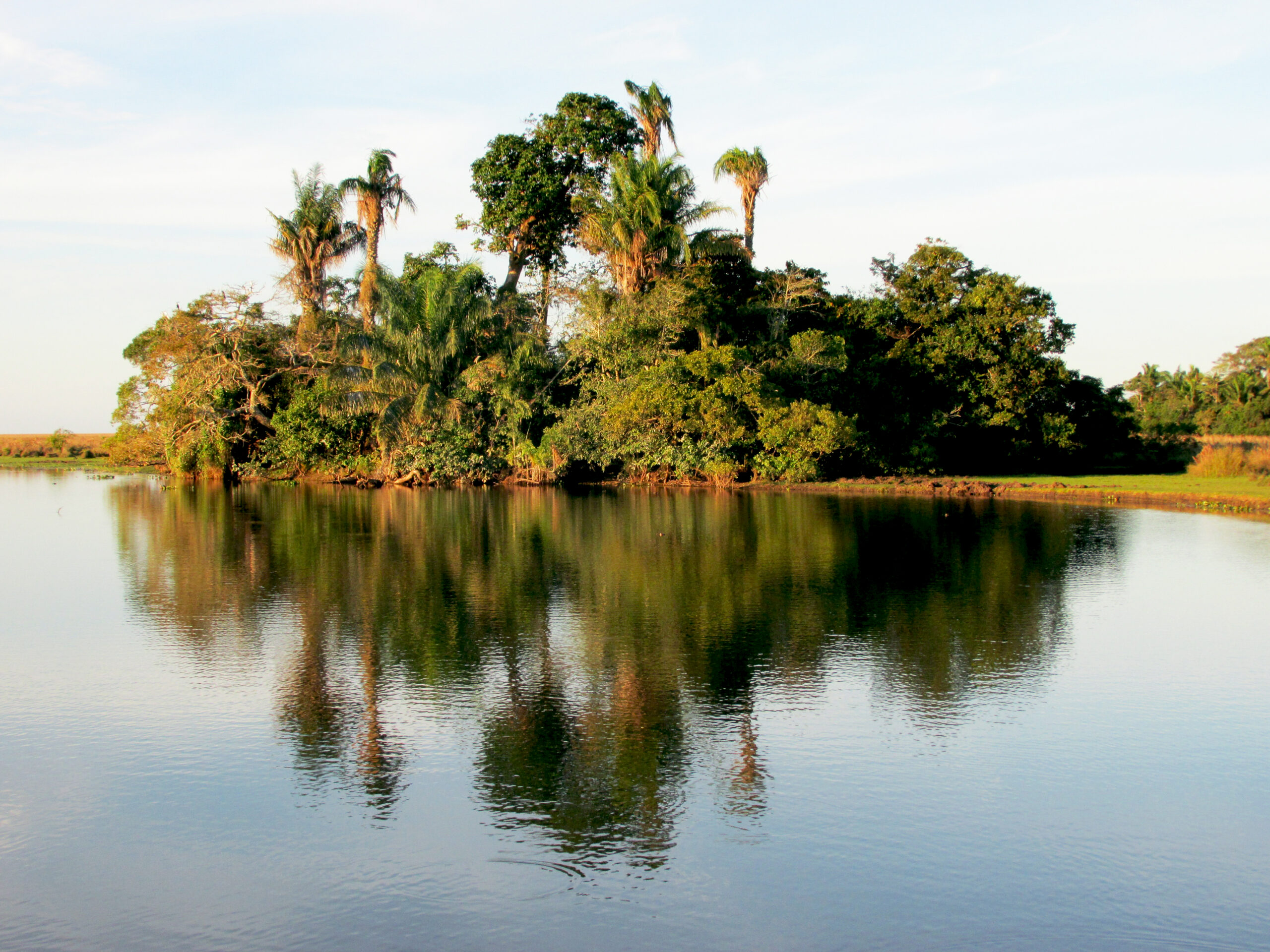
In 2008, WLT supporters help establish Barba Azul Nature Reserve – the world's first protected area dedicated to the Blue-throated Macaw. This safeguarded key feeding and roosting habitat for more than 100 individuals.
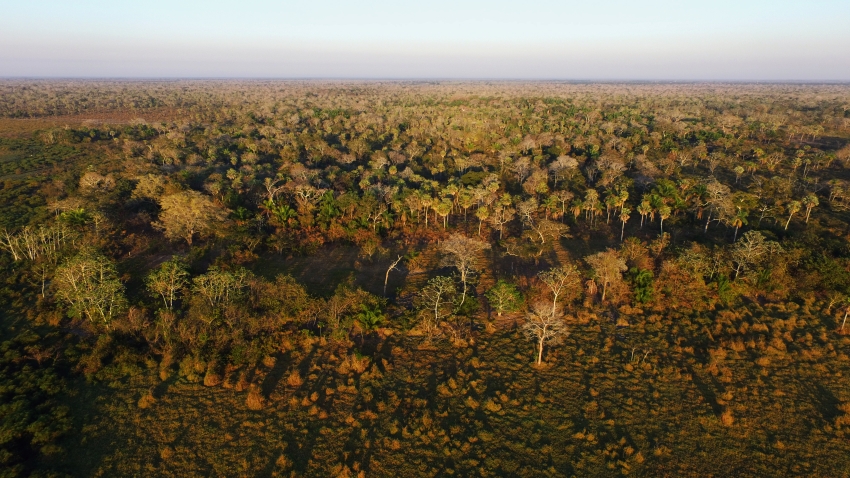
In 2018, WLT helps Armonía purchase the 680-ha Laney Rickman Reserve, protecting the macaw’s largest known breeding area, and Bolivia's most important stopover site for the Vulnerable Buff-breasted Sandpiper.
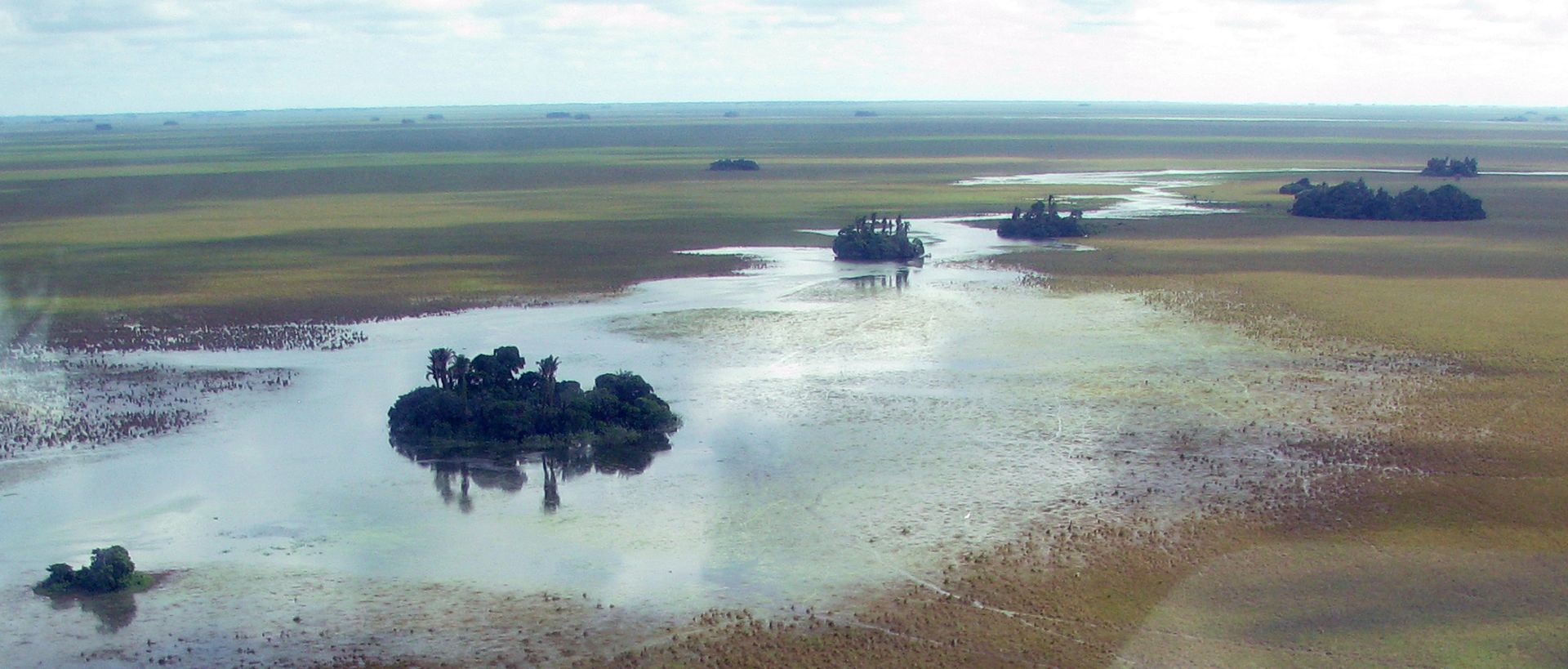
In 2024, WLT grant funder supported the acquisition of the El Tacuaral ranch, expanding the Barba Azul Nature Reserve by 1,200 ha to its existing 12,200 ha.
Thanks to decades of conservation action, the future of the Blue-throated Macaw is far brighter than when it was first rediscovered in 1992. But as populations recover, protecting strategic sites today will determine how successfully the species can continue its recovery in the future.
“The Blue-throated Macaw population is increasing, which means we need more nesting habitat, more foraging habitat and more space for the species to expand.Bennett Hennessey, Director of Development, Armonía
By securing more land now, we will not only protect habitat for today's macaws, we will help create the habitat future generations will depend on.”
By donating to World Land Trust’s Action Fund, we are able to act quickly, whenever and wherever urgent conservation action is needed.
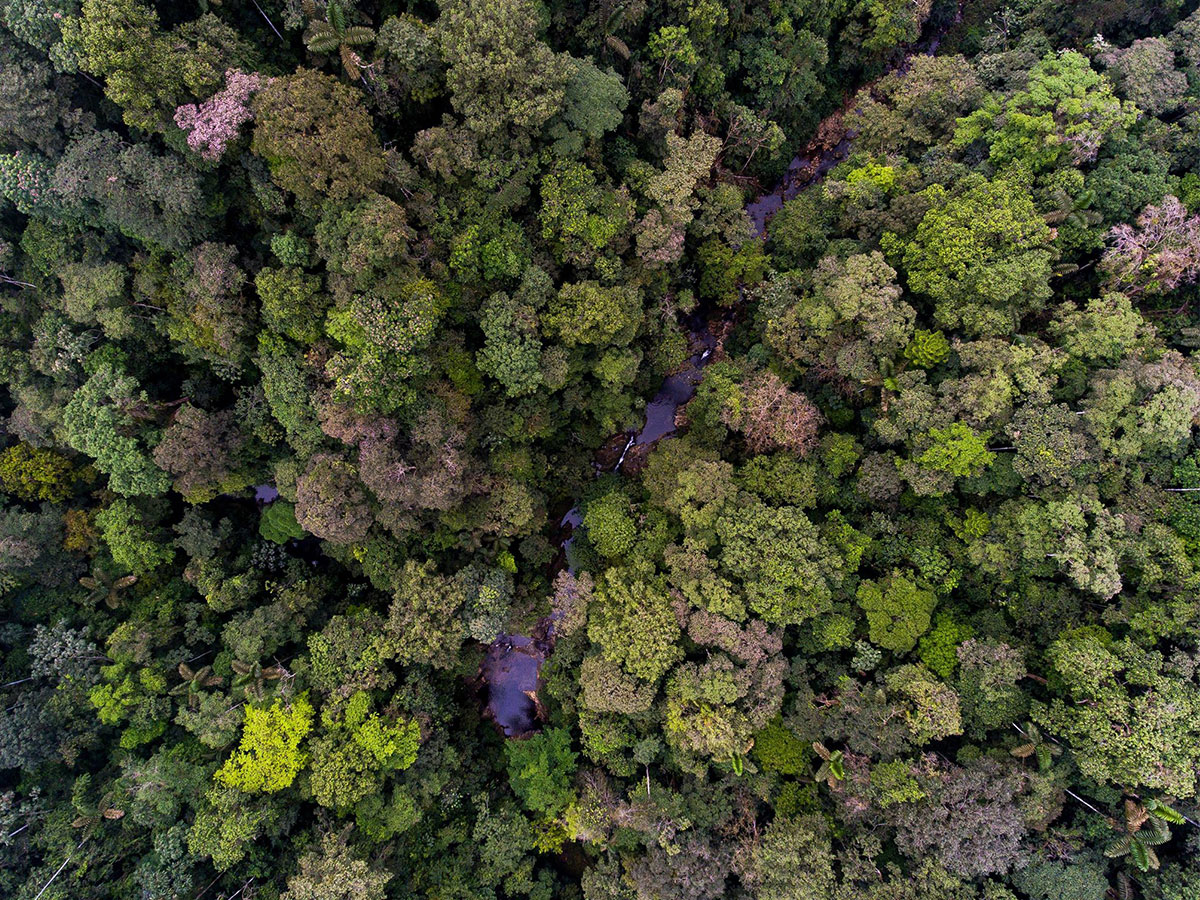

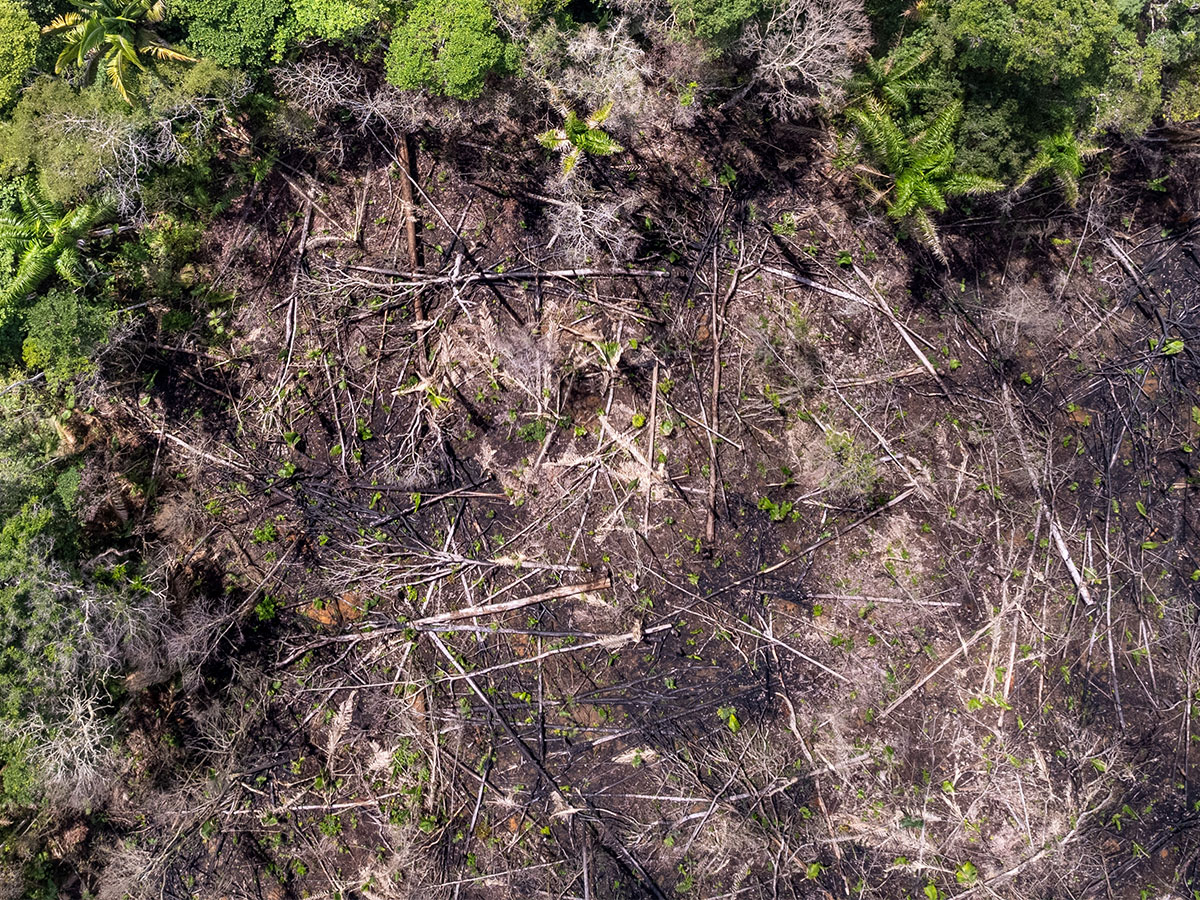
Habitat loss is the greatest threat facing wildlife worldwide. We believe that by protecting land, acre by acre, we are taking the best action to ensure a future for wildlife.
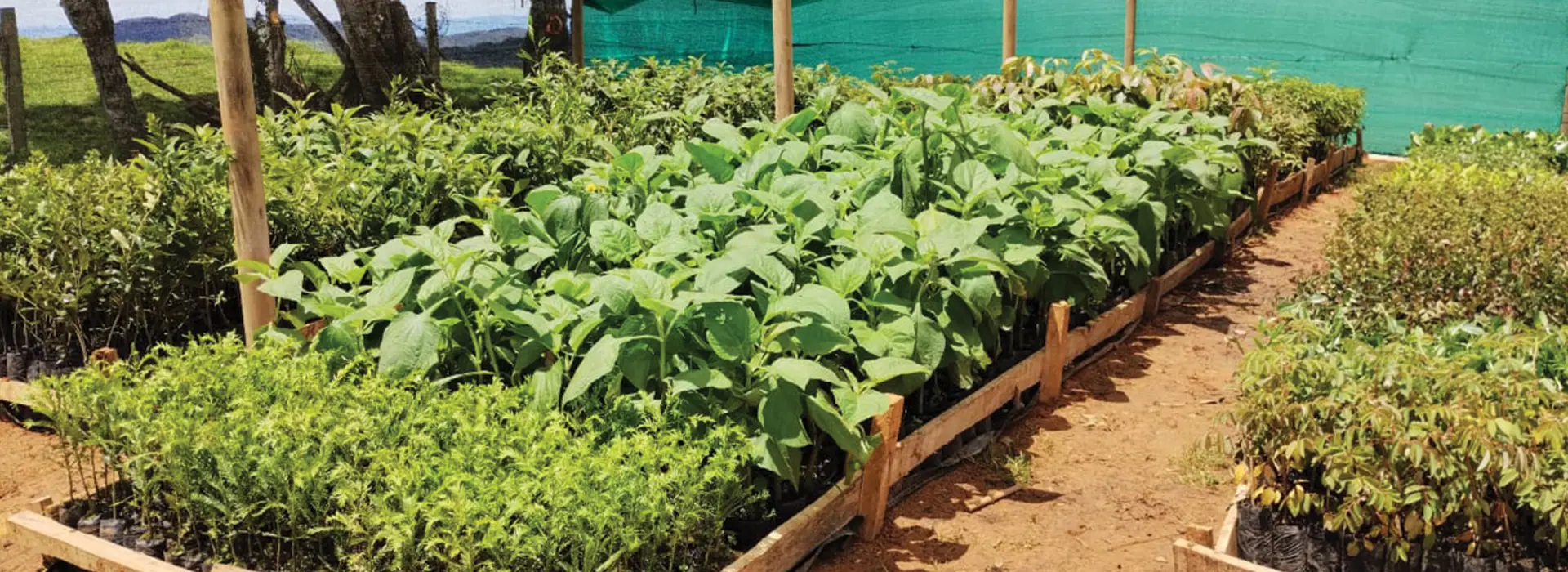

Reforestation is one of the main methods of restoring many damaged ecosystems, with Plant a Tree, you can bring vital forest habitats back to life.