Action Fund
By donating to World Land Trust’s Action Fund, we are able to act quickly, whenever and wherever urgent conservation action is needed.
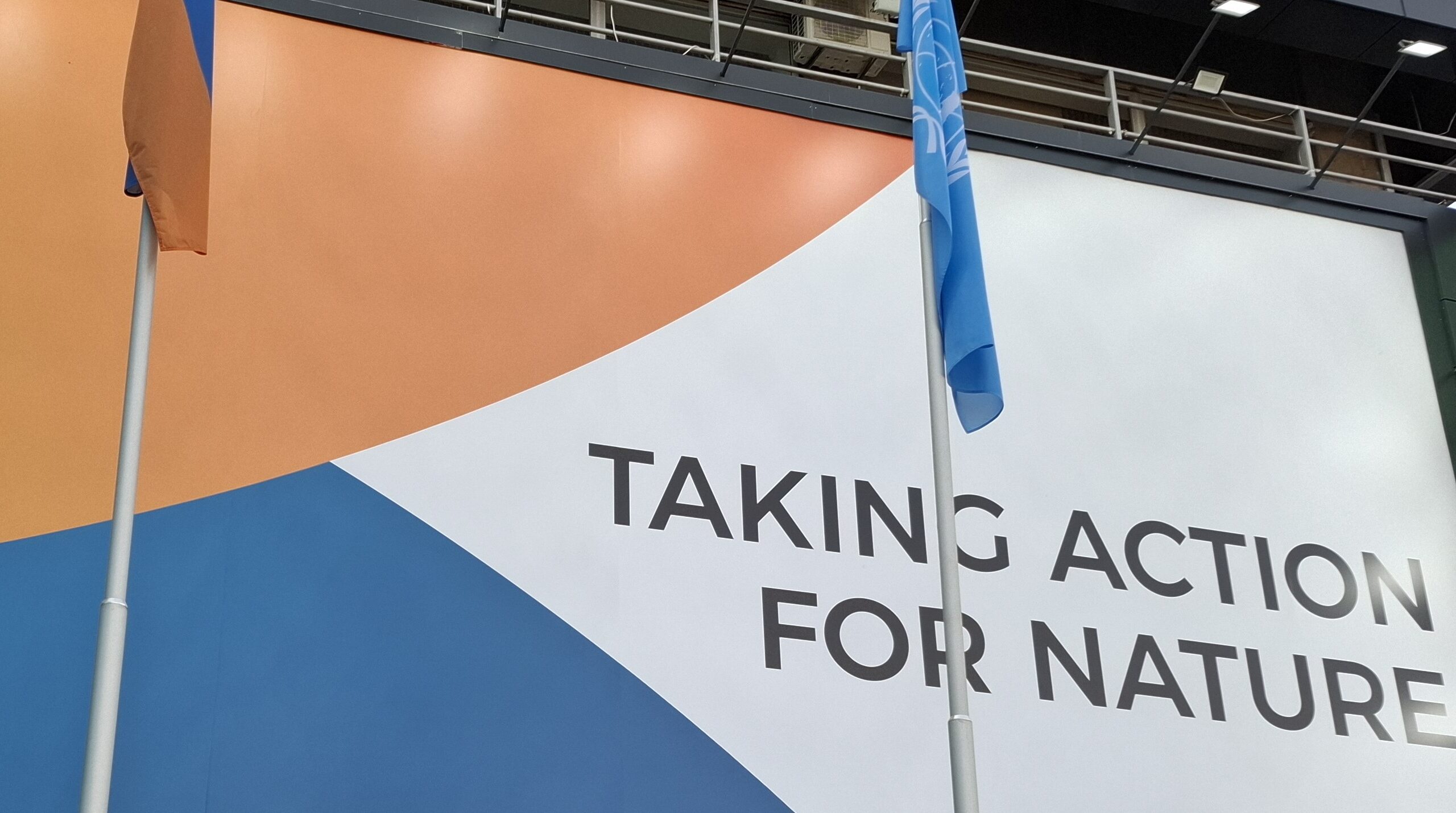
Between 19 and 30 October 2026, governments, conservation organisations, Indigenous leaders and environmental experts gathered in Yerevan, Armenia, for COP17, the latest Conference of the Parties to the United Nations Convention on Biological Diversity (CBD).
Four years after countries adopted the Kunming-Montreal Global Biodiversity Framework, COP17 marked the first major assessment of progress towards its targets. With 2030 fast approaching, the focus was clear: how do we turn global ambition into action?
For World Land Trust (WLT) CEO Dr Catherine Barnard, Interim Director of Conservation Charlotte Beckham, and Carbon Programme Manager Mary McEvoy, the week began at a pre-COP symposium led by WLT partner Foundation for the Preservation of Wildlife and Cultural Assets (FPWC) that explored one of conservation’s most important questions: who gets recognised for protecting nature?
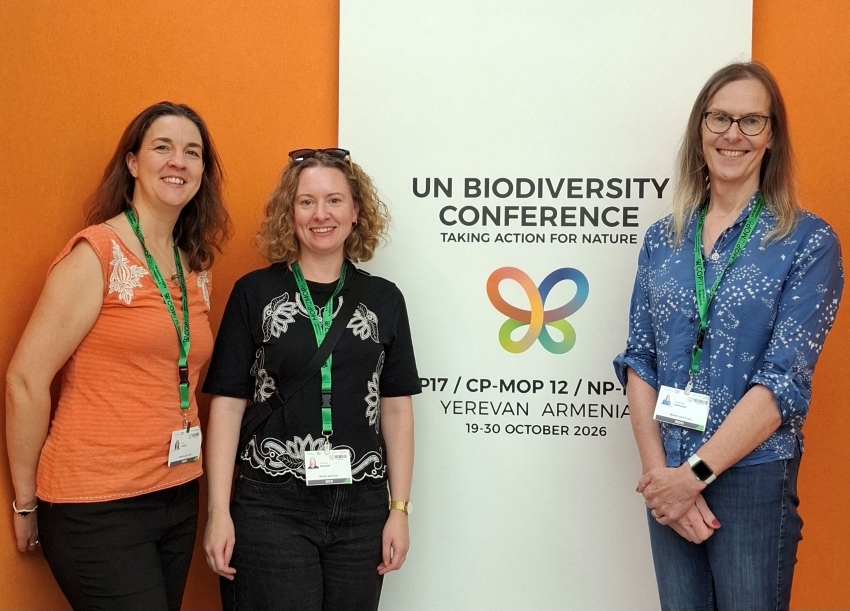
In October, World Land Trust (WLT) CEO Dr Catherine Barnard, Interim Director of Conservation Charlotte Beckham, and Carbon Programme Manager Mary McEvoy (pictured right to left) attended COP17 in Yerevan, Armenia. Credit: ©Catherine Barnard/WLT
The symposium focused on a growing blind spot in global conservation. Across the world, Indigenous peoples, local communities, NGOs and private landowners protect vast areas of wildlife habitat, yet many of these landscapes remain outside official protected-area systems and are often excluded from national reporting against biodiversity targets.
Participants argued that achieving the world’s “30×30” goal, protecting 30% of land and sea by 2030, will require governments to better recognise privately protected areas and Other Effective Conservation Measures (OECMs).
These discussions culminated in the Yerevan Call to Action, which calls for stronger legal recognition and support for these areas, and their integration into national conservation strategies. Its message was simple: the world cannot meet its biodiversity targets while overlooking many of the people already helping to deliver them.
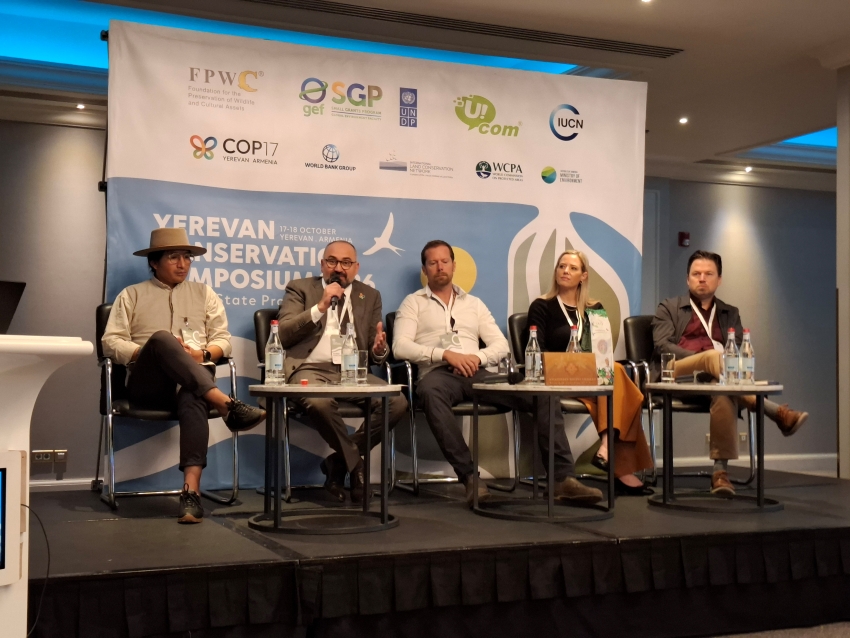
FPWC CEO Ruben Khachatryan (second from left) leads a panel discussion at the Yerevan Conservation Symposium during COP17. Andy Orchard of WLT Corporate Partner Puro Coffee is pictured in the centre. Credit: ©Catherine Barnard/WLT
The discussions quickly broadened to Indigenous rights. Across much of the world, Indigenous peoples are among the most effective custodians of biodiversity, yet many participants felt conservation frameworks continue to rely on Indigenous stewardship without adequately recognising Indigenous leadership, rights or access to funding.
The debate highlighted a wider shift within conservation, away from viewing Indigenous peoples as stakeholders and towards recognising them as rights holders, partners and leaders.
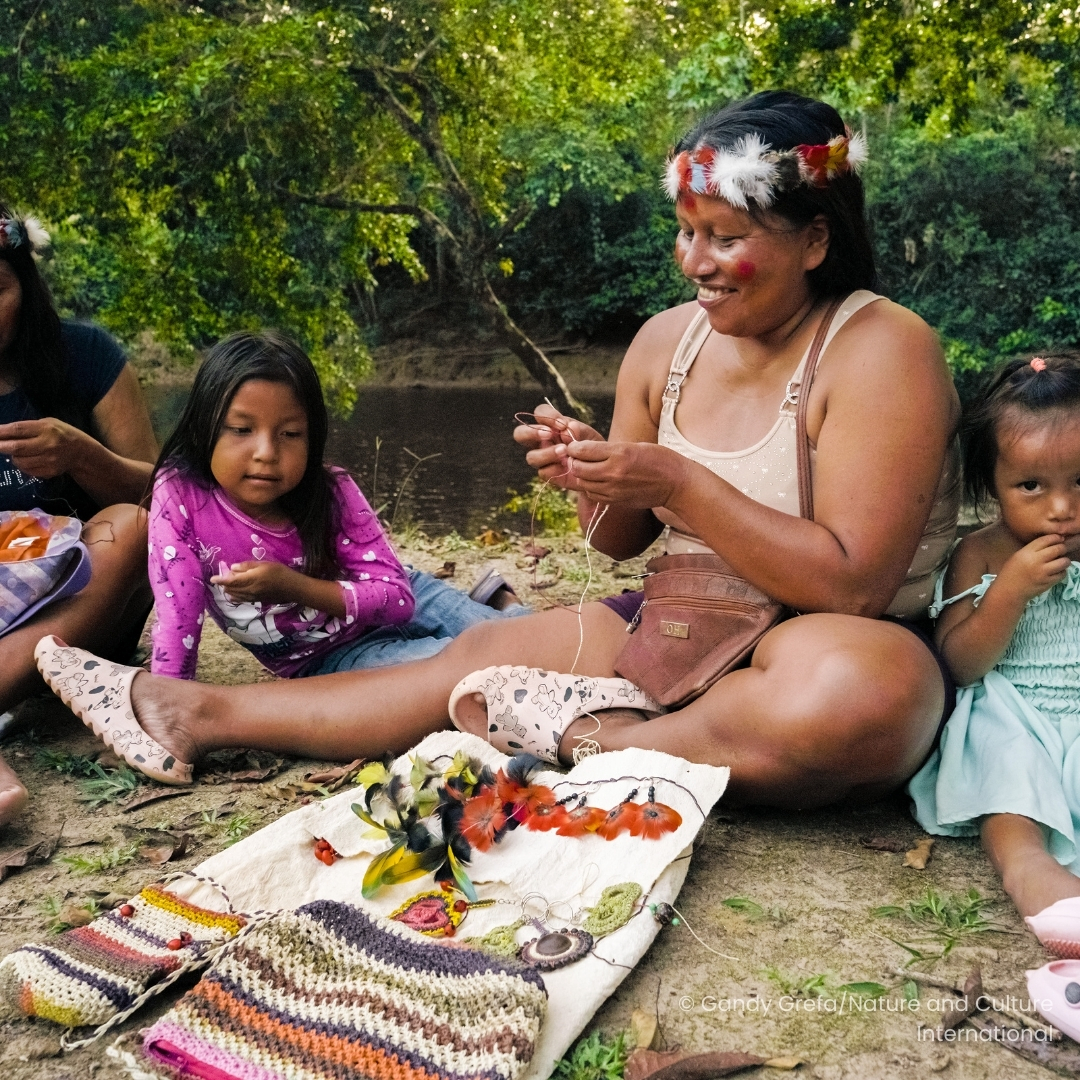
Indigenous Peoples and Local Communities (IPLCs) play a central role in conservation. It is vital that their conservation leadership is recognised. Credit: ©Gandy Grefa/Nature and Culture International
The main conference focused on reviewing progress towards the Global Biodiversity Framework’s targets, including protecting 30% of the planet, restoring 30% of degraded ecosystems and reforming US$500 billion of environmentally harmful subsidies each year.
Despite progress in some areas, delegates repeatedly returned to the same concern: action is not matching the scale of the crisis.
“There was definitely talk about acceleration, urgency and scaling up,” said Charlotte. “But there was a recognition that not enough is being done higher up the chain.”
With only four years remaining until 2030, the challenge is no longer agreeing on what needs to happen, but implementing it.
Finance emerged as one of the conference’s defining themes.
Conservation remains chronically underfunded, yet governments continue to spend vast sums subsidising activities that drive biodiversity loss, from fossil fuels to environmentally damaging agriculture.
Under Target 18 of the Global Biodiversity Framework, countries agreed a goal of reforming or phasing out at least US$500 billion per year in environmentally harmful subsidies by 2030. These include subsidies for fossil fuels and agricultural practices that contribute to habitat loss and biodiversity decline. However, progress towards the target remains limited.
For Mary, this contradiction sat at the heart of many discussions.
“Our progress is being hindered by the huge amounts of money each year going to damaging subsidies. Actually addressing these would be truly transformational.”

Every year, US$2.6 trillion of public money is spent by governments on activities that damage ecosystems and accelerate biodiversity loss. ©Arvindh Vallabh/Unsplash
Similar themes emerged throughout COP17, including during a high-level panel discussion and biodiversity finance sessions attended by Catherine. Echoing concerns about damaging subsidies, she emphasised that there is enough money in the global economy to address the biodiversity crisis. The challenge is ensuring it reaches the people and organisations delivering conservation on the ground, especially Indigenous Peoples and Local Communities (IPLCs) and other environmental guardians.
Negotiations showed how politically difficult this remains. While some countries pushed for stronger language on subsidy reform, the final review text merely encouraged governments to accelerate implementation of Target 18 “in accordance with national circumstances”.
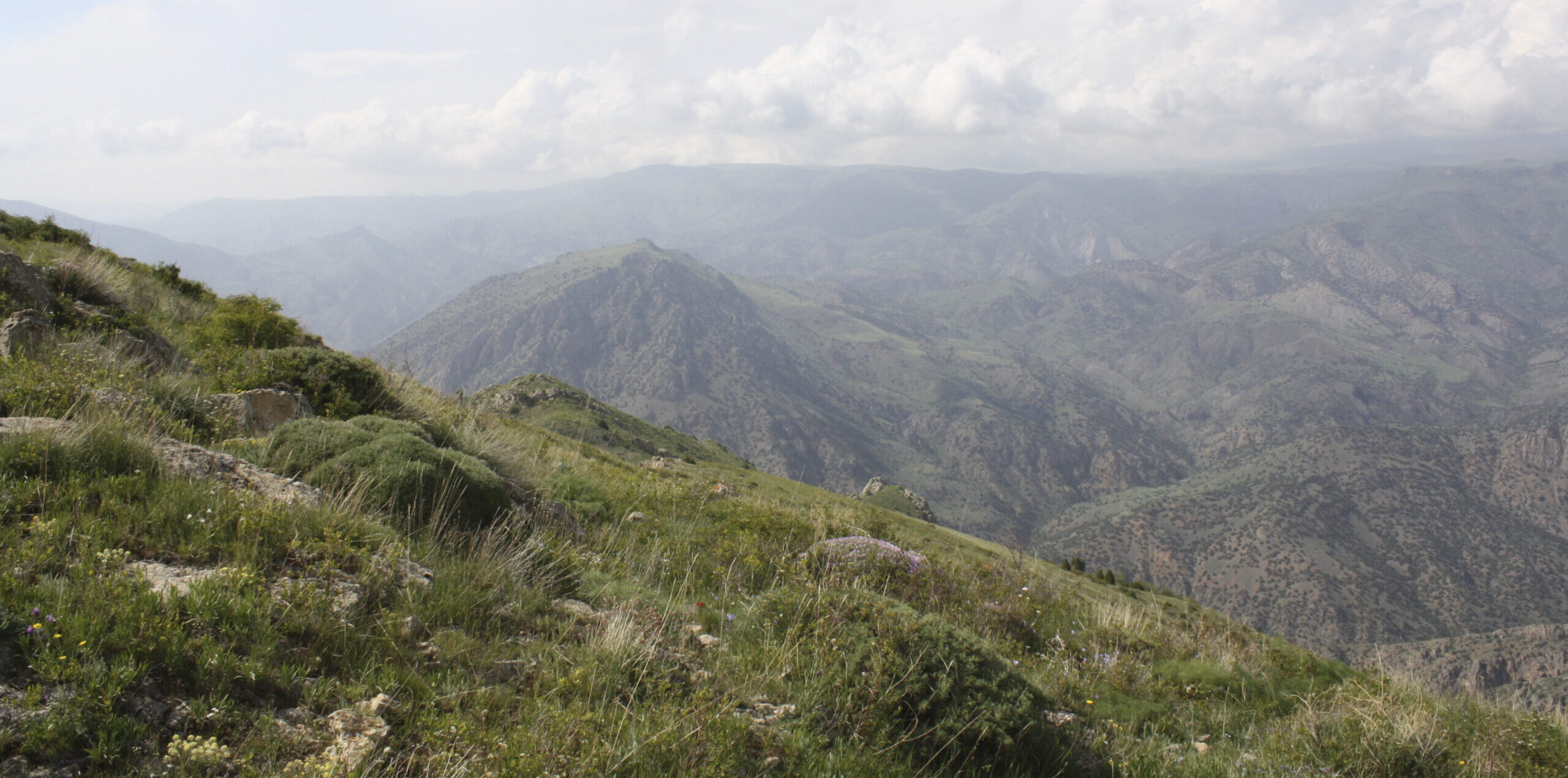
The Caucasus Wildlife Refuge, protected by WLT partner FPWC, has become a flagship model for conservation in Armenia. ©Mary McEvoy/WLT
Amid discussions of slow progress, COP17 also offered a reminder of what long-term conservation can achieve.
For the WLT team, one of the highlights was seeing the prominence of WLT partner FPWC. When WLT first began supporting conservation in Armenia more than a decade ago, the landscape looked very different. Today, FPWC is one of the country’s leading environmental organisations and played a prominent role throughout the conference.
Among its activities, FPWC hosted an International Cross-Party Parliamentary Delegation from the UK to the Caucasus Wildlife Refuge, accompanied by Catherine. During the visit, the delegates were introduced to FPWC’s key conservation efforts, including its forest restoration programme and Wildlife Rescue Centre, where Brown Bears (Ursus arctos) rescued from captivity are rehabilitated and released.
For those who have witnessed Armenia’s conservation journey first-hand, the contrast was striking. FPWC’s prominence reflected years of persistence, partnership and on-the-ground conservation work, while Armenia’s strong engagement with COP17 demonstrated how far conservation has climbed up the national agenda.
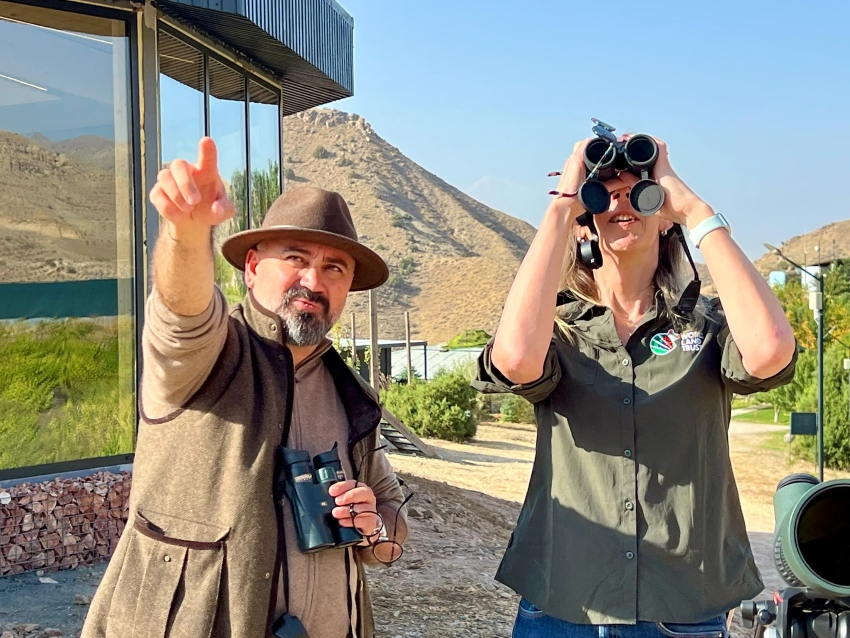
Catherine Barnard with Ruben Khachatryan on a visit to FPWC's Caucasus Wildlife Refuge for their pre-COP Symposium. Credit: ©Catherine Barnard/WLT
COP17 highlighted both the challenges and opportunities facing global conservation. The science is clear, the targets are agreed and examples of success can be found around the world.
With four years remaining until 2030, the task now is implementation.
Whether through recognising Indigenous stewardship, strengthening protected areas or reforming the incentives that drive biodiversity loss, the next four years will determine whether global commitments translate into lasting gains for nature.
By donating to World Land Trust’s Action Fund, we are able to act quickly, whenever and wherever urgent conservation action is needed.
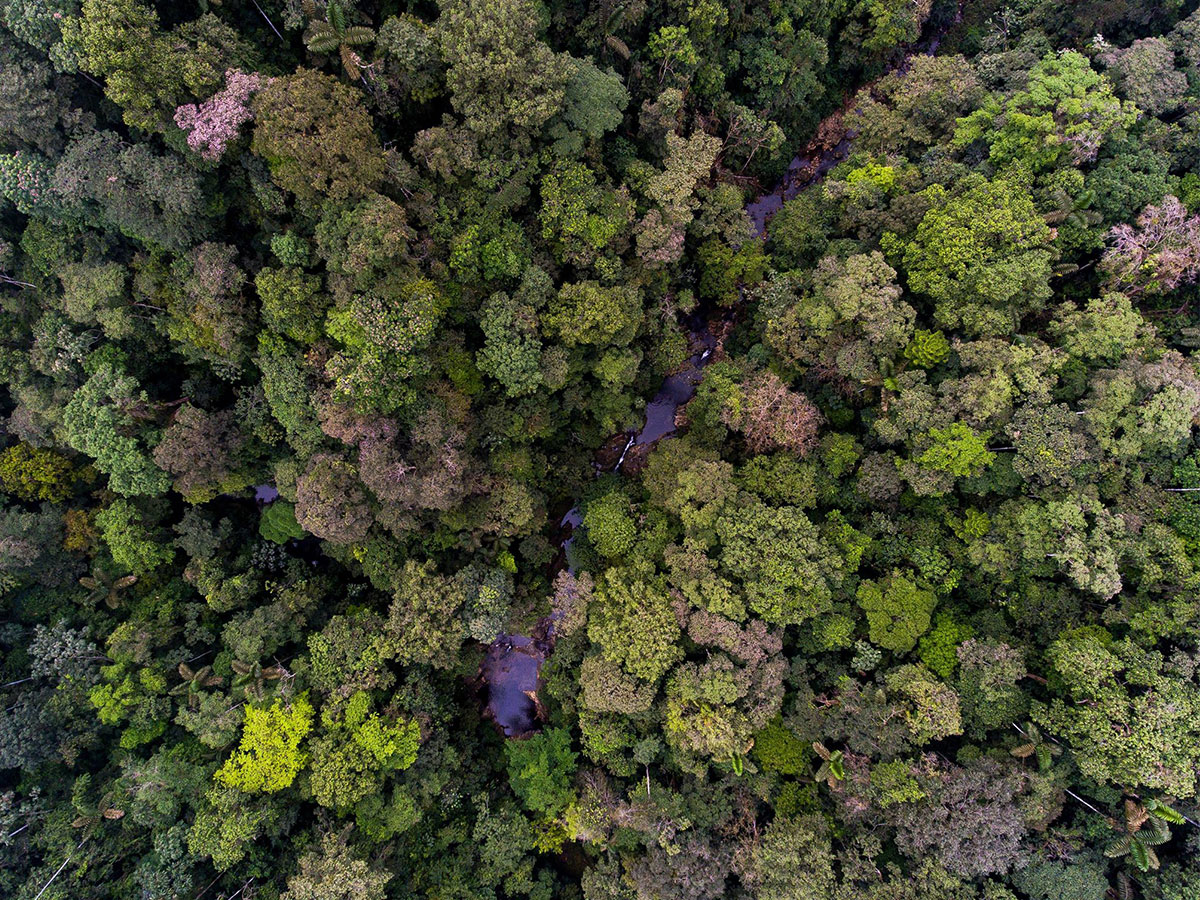
Habitat loss is the greatest threat facing wildlife worldwide. We believe that by protecting land, acre by acre, we are taking the best action to ensure a future for wildlife.
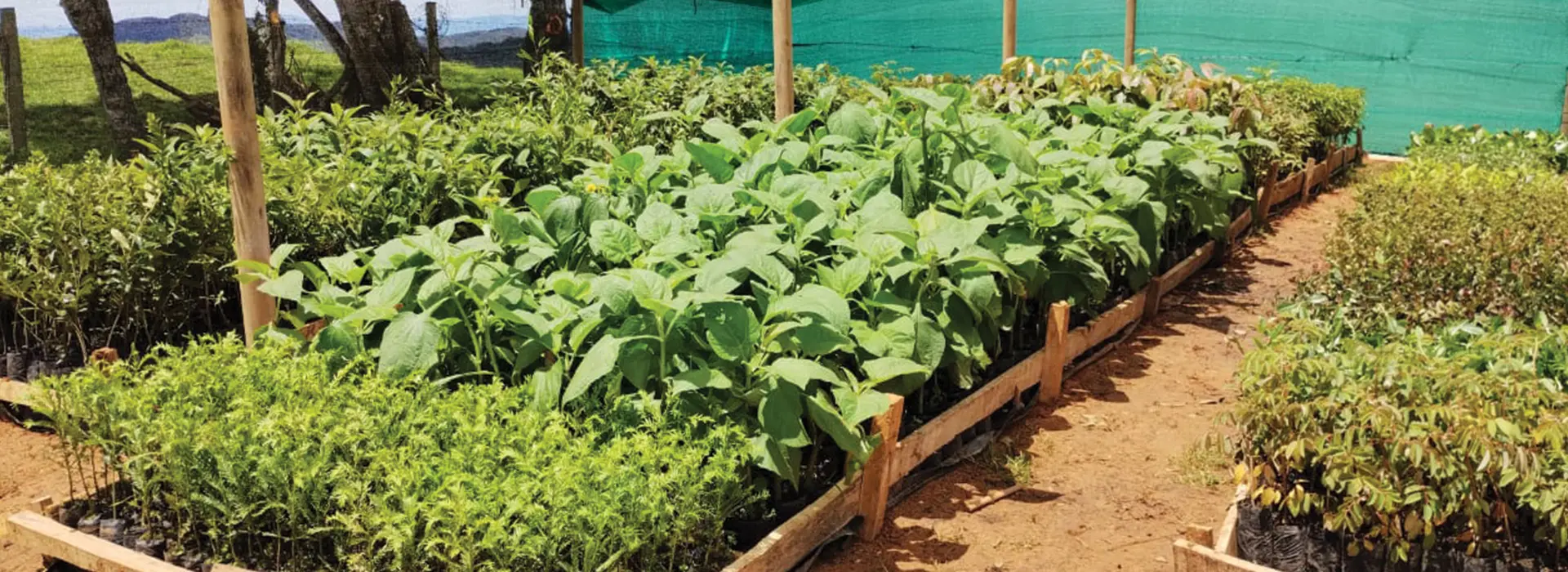
Reforestation is one of the main methods of restoring many damaged ecosystems, with Plant a Tree, you can bring vital forest habitats back to life.