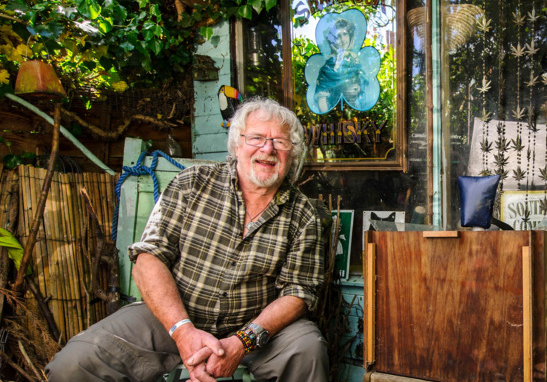
We were in adjacent seats as we flew back from a World Land Trust project in Borneo. In Economy, naturally. As usual Bill Oddie and I adopted different strategies: I read, fidgeted and dozed; Bill hid behind his headphones and sank into a musical trance that took him from the South China Sea to the English Channel.
It was round about here that we spoke for the first time in many hours. “I love music more than almost anything. I know it sounds stupid and naïve,” he said. “But music reminds of the good things in the world.” So spoke the composer of The Funky Gibbon and The Angus Prune Tune.
Bill had been diagnosed bipolar and was rather too well acquainted with the black dog of depression. But – or perhaps that should read “therefore” – he had a soul-deep love of nature and was an indefatigable supporter of wildlife conservation in general and of the World Land Trust in particular.
He and I were both council members and we overlapped for a decade or so. It’s fair to say that neither of us was at our best in committee.
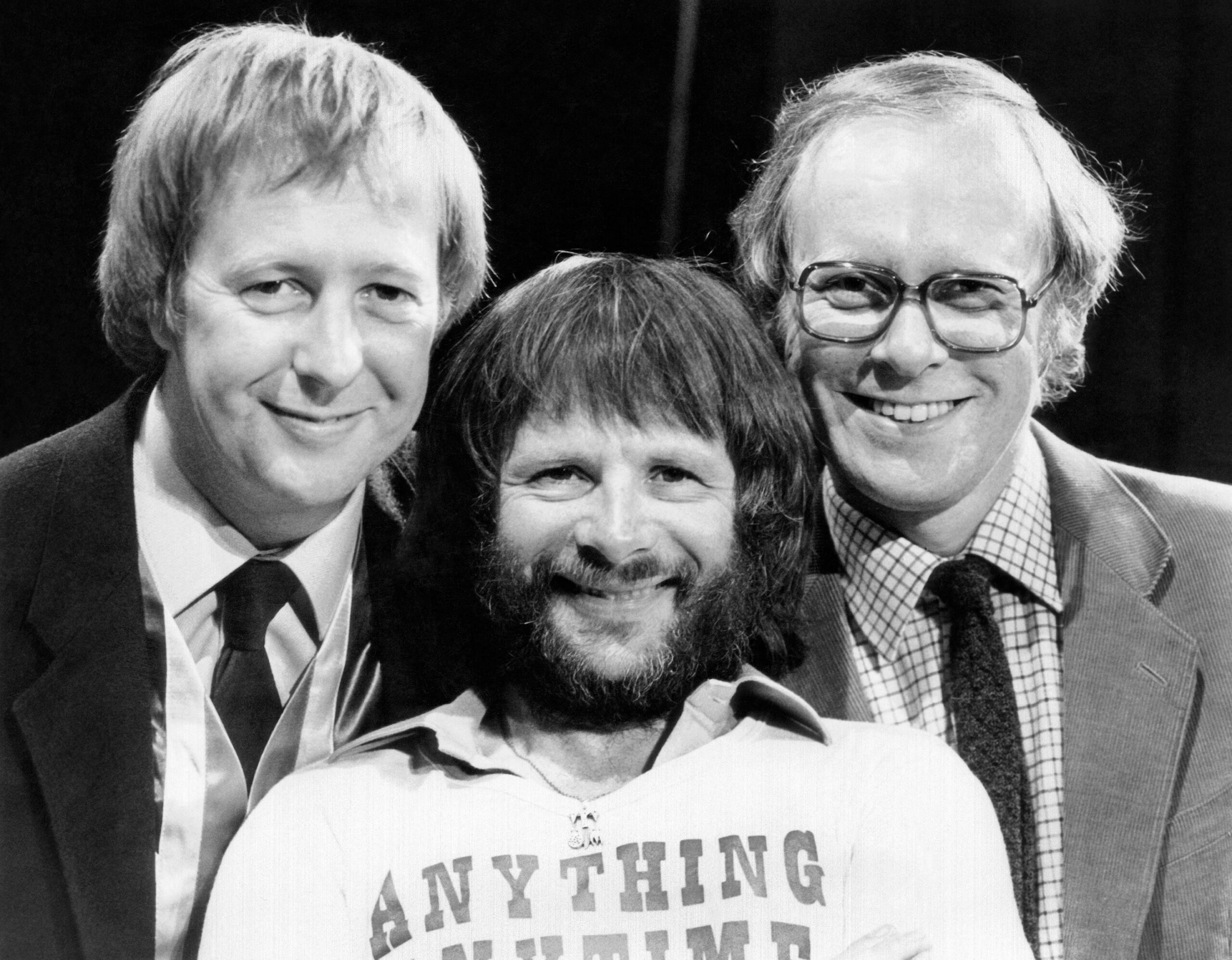
THE GOODIES, from left: Tim Brooke-Taylor, Bill Oddie, Graeme Garden, 'Robot,' January 9, 1982
I knew Bill long before he knew me, of course. I had listened to the radio programme I’m Sorry I’ll Read That Again and being a schoolboy, loved its schoolboy humour. A skit on the undersea documentaries of Hans and Lotte Haas: “Undt here is Lottie telling me she has only two minutes oxygen left.” Later I watched as The Goodies attempted to rid London of a giant kitten called Twinkle.
The newspaper tributes to Bill reflected a certain bewilderment: how could a comedian suddenly start presenting programmes on wildlife? The fact is that Bill was (a) brilliantly funny and (b) a brilliant birder. No contradiction here: rather, this was the completion of a man you don’t meet every day.
A long journey through the mountains of Armenia. “Stop!” What is it Bill?” “I think I can hear thrush nightingale.” So we piled out of the vehicle and the faint calls became clear to all of us: and of course, he was right. So we stayed and we listened and another joined in and then another. It was as if Bill had called this glorious trio into existence by the force of his love for birds.
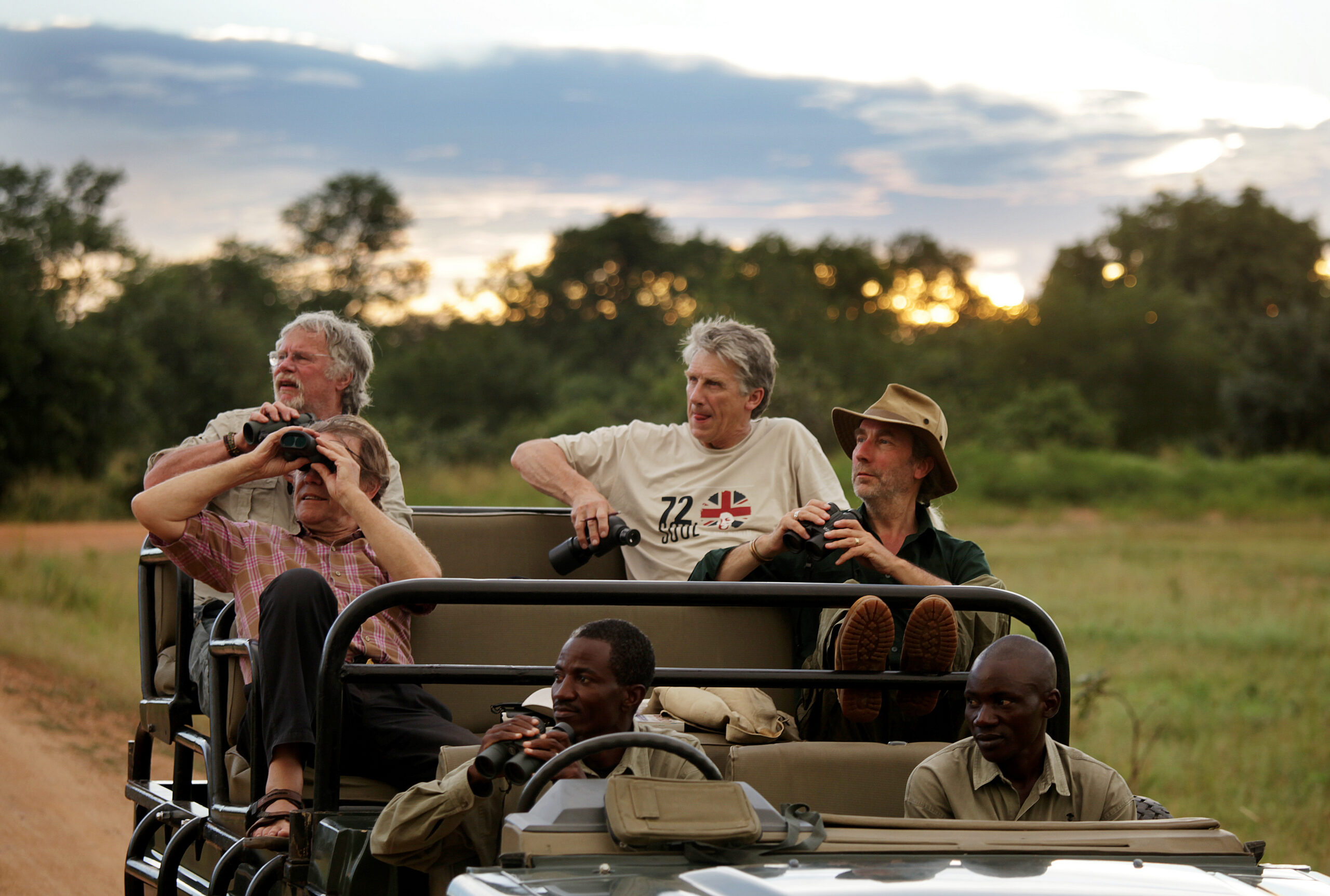
Myself with Bill Oddie, Bruce Pearson, John Burton (binoculars) and guide Abraham Banda (front left) in the South Luangwa National Park – Picture – David Bebber
And for everything else in nature. In certain moods when the love overwhelmed him he would break into a muttered running commentary. I remember a voice in my ear when yet more elephants appeared as we visited a WLT project in Zambia: “Is this possible?”
Or the Kinabatangan River in Borneo, where we saw an old male orang-utan making his bed for the night with the absorption of a true craftsman, a group of petite (is this possible?) pygmy elephants and six species of hornbill – and then hijacked a boat to visit a place that sold beer.
One thing about travelling with WLT: it reminds you of the good things in the world. On every trip you link up with people from the local partner organisation and it’s always the best craic. There’s an instant bond between people who genuinely love nature and it can’t help but bust down all the barriers of language and culture.
Meeting the people at the sharp end of saving nature is invariably inspiring: oh brave old world that has such people in it! We always came back from these trips filled with the urge to do all we could for them and for the glorious places they are seeking to protect.
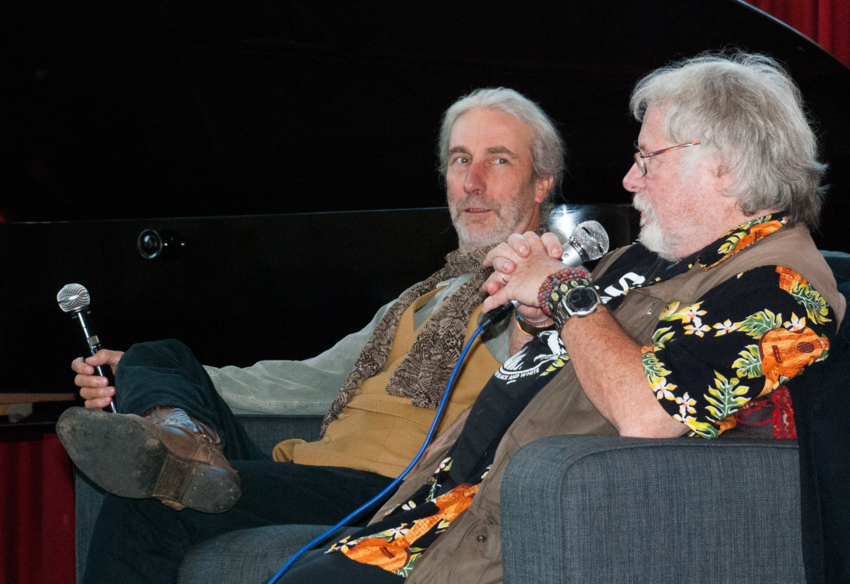
Here I am considering various strategies for getting Bill back onto cricket. None of them worked.
As a result Bill and I did a series of gigs and shared a stage several times: Bill in his natural element, me relying on hard work and preparation. We did an evening with the former England cricket captain and patron of WLT, David Gower: “And if we could return to the cricket, Bill…”
To love nature is to make a pact with sadness and come to terms with loss: not something you’d necessarily prescribe to a depressive. I remember talking to Bill round a dinner table in Zambia: there’s a difference, he said, between depression and dealing something you’re entitled to feel bad about: “Some things can be pretty miserable, but not because you’re bipolar.”
And course, the joys of nature are always there: not just the peak moments when you meet elephants and at last the rhinoceros hornbill, but just being there in the shade of the forest, the chill of the mountains or beneath the vast skies of the savannah. Bill was aware of all the stuff that makes a nature-lover miserable: and he did all he could to turn it into joy. There’s a chunk of riverside forest in Borneo that Bill helped WLT to secure: what better memorial?