
Action Fund
By donating to World Land Trust’s Action Fund, we are able to act quickly, whenever and wherever urgent conservation action is needed.
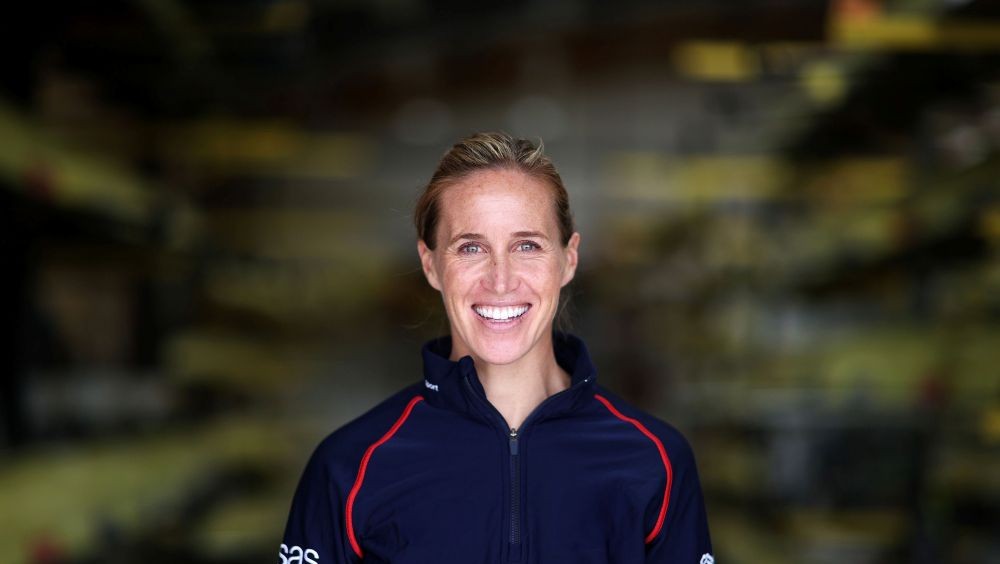
World Land Trust (WLT) is delighted to speak with one of our excellent ambassadors: British double Olympic, triple World, and quadruple European champion rower Helen Glover OBE. Helen now also formally supports WLT alongside her husband, WLT Patron Steve Backshall and talks to us about how her passion for nature grew into using her international platform to advocate for its protection.
WLT: You’ve represented the UK all over the world and had incredible success as an athlete. What has inspired you to use your platform for environmental conservation?
Helen: It’s a huge privilege. When you lift your head from sport, you realise you have a platform that gives you authenticity and a voice. With that comes a bit of pressure to decide who you are, what you stand for and what your passions are. Sport is something I love, but alongside that has always been the environment. I grew up in Cornwall, so these issues were on my doorstep early on. I was brought up having conversations about how precious our world is.
That made it real for me. Instead of just worrying, I became more proactive and started to ask what I could do. Meeting Steve helped me find answers. Through him I discovered WLT and places where real solutions exist. That made me feel empowered to act rather than just be aware or saddened. Being able to stand up and say “I support this cause because I believe in it” is really important.
One Wild Night with Steve and Helen Backshall and friends in aid of The World Land trust at the Royal Geographical Society, London. Credit: ©David Bebber
WLT: Was there a particular moment that sparked your passion for protecting nature?
Helen: It’s less about moments and more about people. My parents instilled a love of the outdoors. Steve gave me the belief that we can make change. And my children made me ask what kind of world I want to leave behind for them. They ask questions every day and I want to look them in the eye and say “Yes, I’m trying”.
WLT: Many of our supporters are parents and families. How do you talk to your children about protecting nature for future generations?
Helen: The longer I’m a parent, the more I realise how different my children are. One is very sensitive to negative news and can become anxious. Another prefers hearing blunt facts. I try to read the child and lead with positivity about the impact they can have.
We celebrate the small wins. My kids are brilliant at picking up litter and every time they do it they feel like champions. I tell them they’ve made an impact and maybe saved an animal’s life by doing that. Reinforcing those positives is so important because they also absorb the negatives.

Helen Glover photographed for a Cornwall Wildlife Trust campaign. Credit ©Alastair Sopp/ Cornwall Wildlife Trust
WLT: As an athlete and public figure, how do you see the connection between sport, health and the natural environment?
Helen: They’ve always been intertwined for me. My sport depends on clean waterways. Without them, rowing wouldn’t exist. I don’t think you can be a sportsperson and not care about the environment. If you’re health conscious, you have to recognise that the world is bigger than the pitch, the gym or the stretch of river you train on. Everything is connected.
When ecosystems are damaged, you see the impact quickly through things like sewage or waste. Rowers understand that because if the water is dirty, you feel it in a very direct way. World Rowing works hard to make regatta sites as green as possible. People who love sport and exercise have a strong reason to love and protect the outdoors.
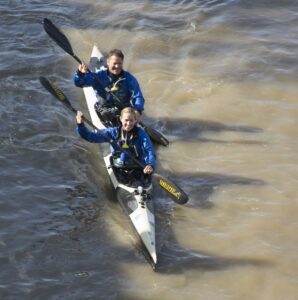
Steve Backshall and Helen Glover completed the Devizes to Westminster Race April 2017. Credit: ©Dan Bradbury/WLT
WLT: You’ve travelled widely during your career. Have you seen firsthand the pressures on landscapes and wildlife that WLT works to address?
Helen: I haven’t visited WLT sites directly, but when we were in Rio during the Olympic rainforest campaign, it was inspiring to see how passionate the local communities were about their forests. People cared deeply about protecting their rainforests and stopping pollution from flowing into waterways.
What WLT does well is highlight these issues in a clear and manageable way. There are many problems around the world, and WLT helps break them down so they don’t feel overwhelming, whether you’re a child, an adult or a conservation expert.
WLT: Conservation can feel overwhelming. What gives you hope for the future?
Helen: The number of passionate people gives me hope. When those voices combine, they are powerful. People can worry about where to give their support and who to trust. For me, WLT is a safe place to land because they have a proven track record of making a difference. That trust removes a weight from your shoulders when you wonder how to help.
Once you have a platform, it matters how you use it. You can choose to promote something trivial, or you can choose to champion causes that matter. I always tell people to look back at WLT’s projects, understand their impact and feel excited about what the future can hold.
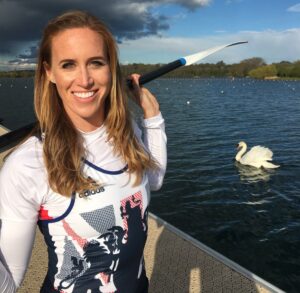
“One of the great things about WLT is that there are clear, tangible targets that you can work towards together.” Credit: ©Helen Glover
WLT: Looking ahead, what role do you see yourself playing in helping WLT spread its message?
Helen: I’m an advocate for WLT and excited to be an ambassador. I want to be part of the face of the organisation and shout about it wherever I can. I’d love to take on another project in the future and do targeted fundraising. Once I have a clear goal, I can focus on it. That’s one of the great things about WLT. There are clear, tangible targets that you can work towards together.
By donating to World Land Trust’s Action Fund, we are able to act quickly, whenever and wherever urgent conservation action is needed.
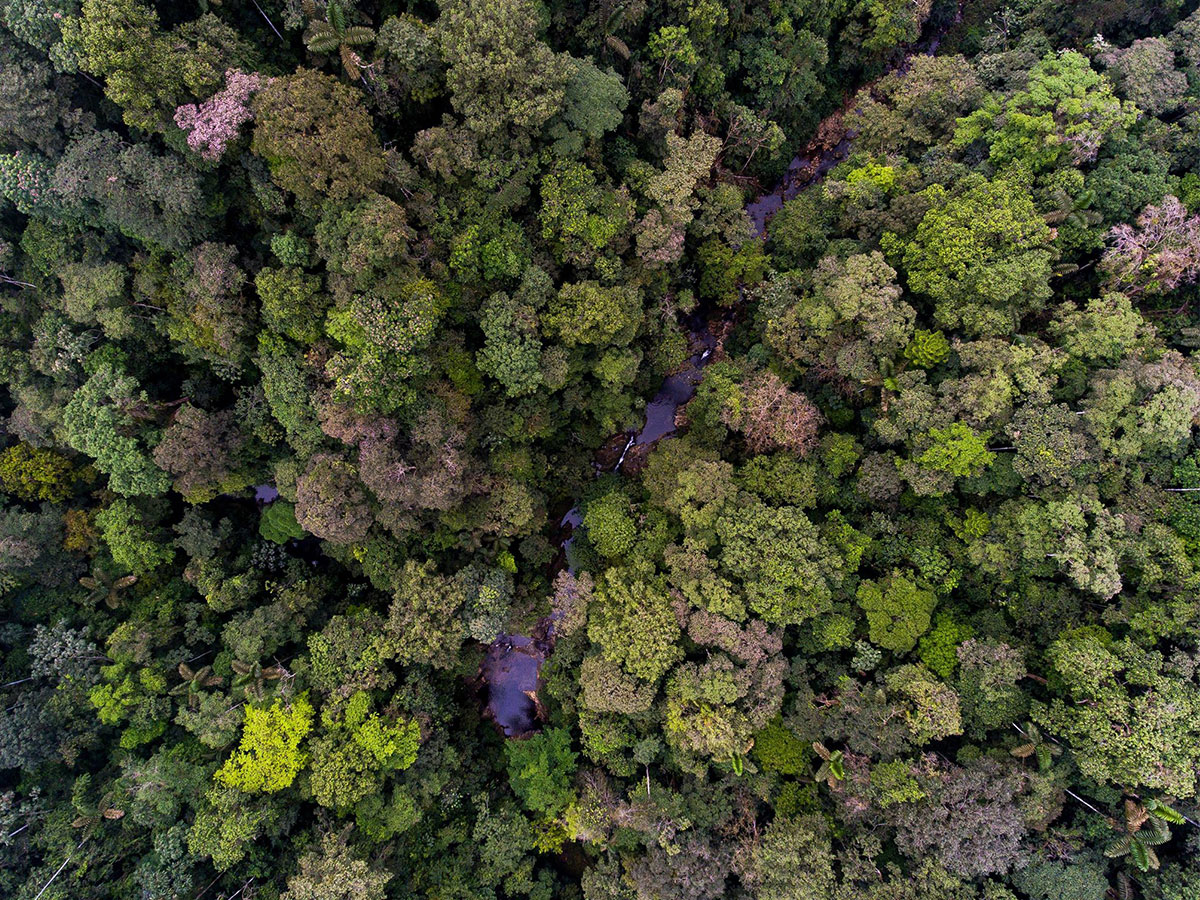
Habitat loss is the greatest threat facing wildlife worldwide. We believe that by protecting land, acre by acre, we are taking the best action to ensure a future for wildlife.
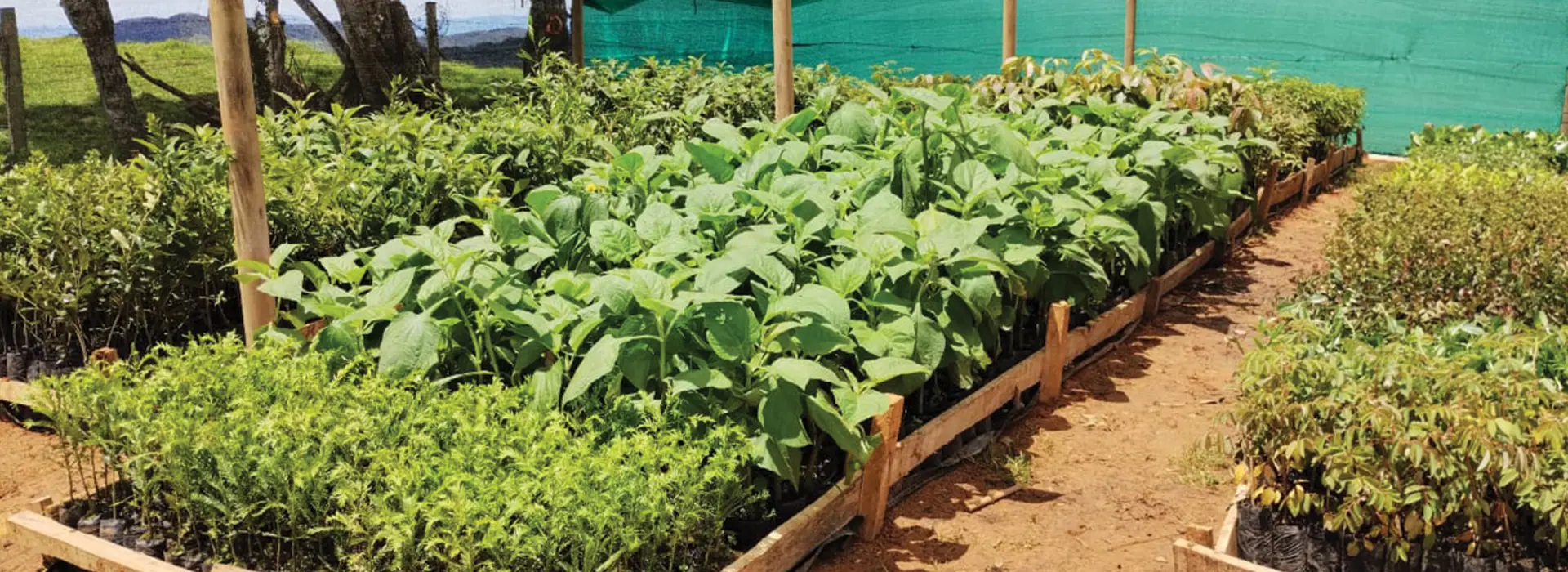
Reforestation is one of the main methods of restoring many damaged ecosystems, with Plant a Tree, you can bring vital forest habitats back to life.