
Action Fund
By donating to World Land Trust’s Action Fund, we are able to act quickly, whenever and wherever urgent conservation action is needed.
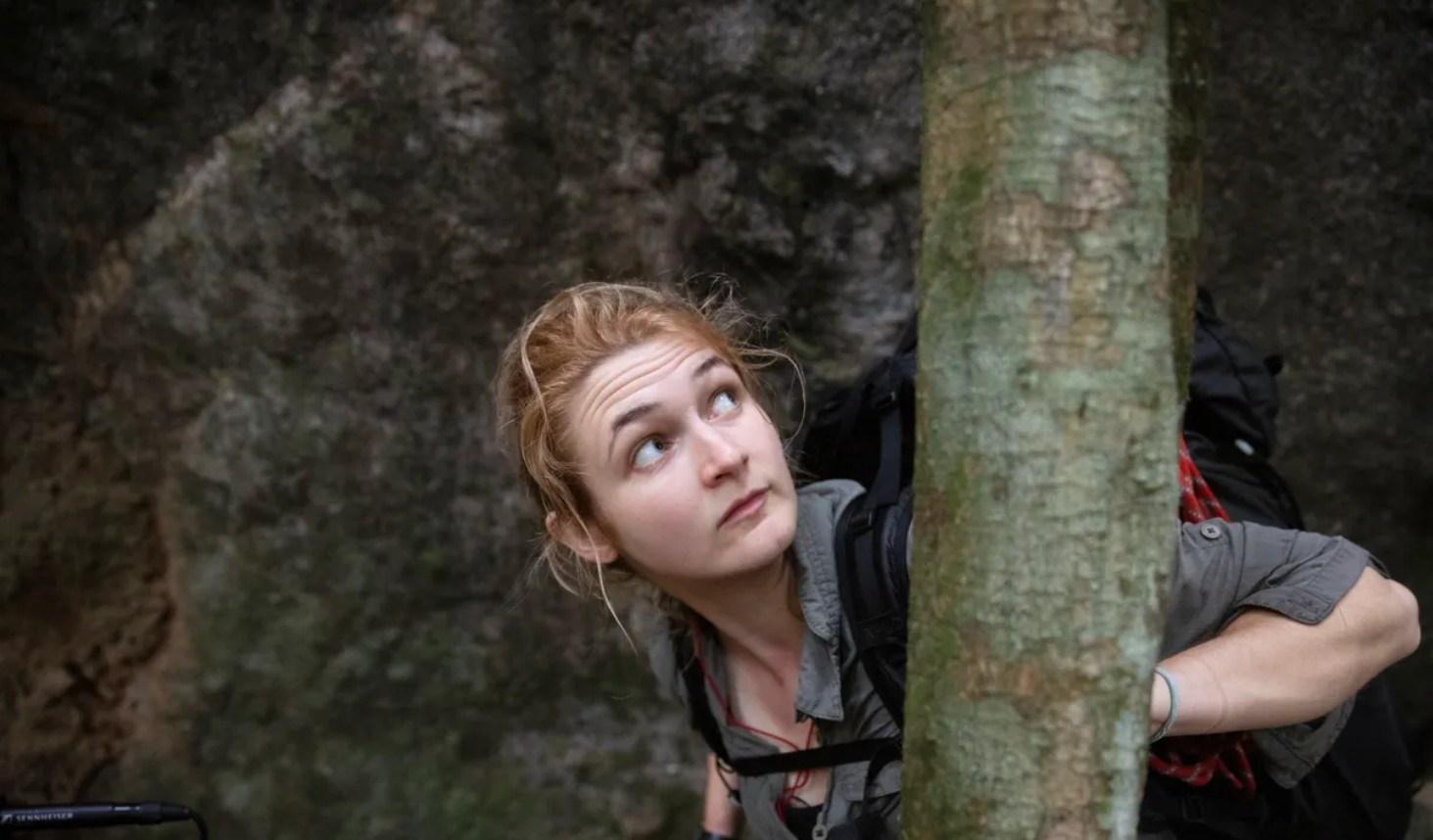
It wasn’t just the adventure that drew me in, but the feeling of being somewhere so delicate and fragile, yet also quite frightening. I came back feeling almost confused by how urgent everything felt to me, from climate change to nature loss, and how little that urgency seemed to register elsewhere.Lucy Shepherd
We spoke to one of our newest WLT Ambassadors who you may recognise from her work with the likes of Channel 4 and the BBC: explorer Lucy Shepherd. From Arctic expeditions to walking across the Serengeti, her journeys are driven by the deep urgency to protect the world’s most fragile places. Here, Lucy tells us about the childhood spark that set her on this path and the extraordinary journey she has had so far.
You’ve spoken before about how your relationship with the natural world began very early. What do you remember most vividly from childhood?
Lucy: I think, like a lot of kids, I spent most of my time just playing outside. I grew up in rural Suffolk and I was an only child, so a lot of that time was spent in my imagination, climbing trees, roaming fields. That was my escapism. I loved adventure stories, but I never thought of exploration as something you could actually do as a career.
As I got older, into my teenage years, I became aware that sense of awe and curiosity was starting to fade. I noticed it happening and I really wanted to hold onto it. That urge to leave home and explore became very strong. When I was 15, I went to Scotland on a two-week adventure school programme, and that was the moment I realised: this is my thing. It was also the first time I heard the word “expedition” used seriously, and I understood that these kinds of journeys were still possible.
And that led quite quickly into your first major expedition?
Lucy: Yes. Not long after, I saw an advert for an Arctic expedition. It was ten weeks long and only ten people were selected. I worked incredibly hard to get on it and was lucky enough to be chosen straight after school.
That expedition changed everything. It wasn’t just the adventure that drew me in, but the feeling of being somewhere so delicate and fragile, yet also quite frightening. I came back feeling almost confused by how urgent everything felt to me, from climate change to nature loss, and how little that urgency seemed to register elsewhere. People said, “What an amazing once-in-a-lifetime experience,” but I couldn’t stop thinking: how do I keep going? How do I see more of these places that feel like they’re in trouble?
"I couldn’t stop thinking: how do I keep going? How do I see more of these places that feel like they’re in trouble?" Credit: WLT
When you’re planning an expedition now, how does that process begin?
Lucy: It usually starts with a gut feeling. Sometimes it’s just a place name, sometimes a landscape. If that early research phase excites me, if it feels iconic or almost mythical in a way, then I start digging deeper.
For television, I’m involved in everything: developing the idea, organising the expedition, putting the team together, filming, writing. It’s very small teams and a lot of trust from the people I work with. You never really know what’s going to happen out there, and that’s what I love. Adventure storytelling has become very glossy and over-scripted. I think we’ve lost some authenticity, and I’m trying to bring that back.
Being physically present in these environments, has that changed how you feel about conservation?
Lucy: Absolutely. You can’t unsee things once you’ve been there. Whether it’s illegal gold mining polluting rivers in the Amazon, or returning to the Arctic year after year and watching the landscape change, it’s impossible not to feel it deeply.
I often feel like I’m grieving what’s already gone. What frustrates me most is how often we frame environmental collapse as something for our children or grandchildren. That disconnects us. This is happening now. If you speak to people living in the jungle, or communities in northern Norway, they’ll tell you, often with tears in their eyes, how their livelihoods are already changing. There’s a ticking clock. We know there are tipping points, and the priority has to be stopping things from getting worse. But I don’t believe doom-laden storytelling works either. That frustration I feel has to be turned into fuel.
You’ve had some extraordinary encounters with wildlife. Is there one that stands out?
Lucy: There are so many, but one that’s very vivid because it’s recent was during my last expedition for Channel 4, walking across Tanzania. When we reached the Serengeti, I assumed the wildlife would keep its distance. That’s not how it works. We were travelling through extremely remote areas, far from tourist routes, and there are a lot of lions there.
One night, a male lion came right up to my tent and lay down between mine and my teammate’s. He rolled over, completely at ease, while a whole pride was nearby. We’d been taught never to move or make a sound. I lay there convinced no one would ever believe this if I survived it. Eventually they moved off, and only then did we breathe. Even the guides I was with had never experienced anything that close. It was terrifying. But it also showed how alive that landscape still is when it’s protected.
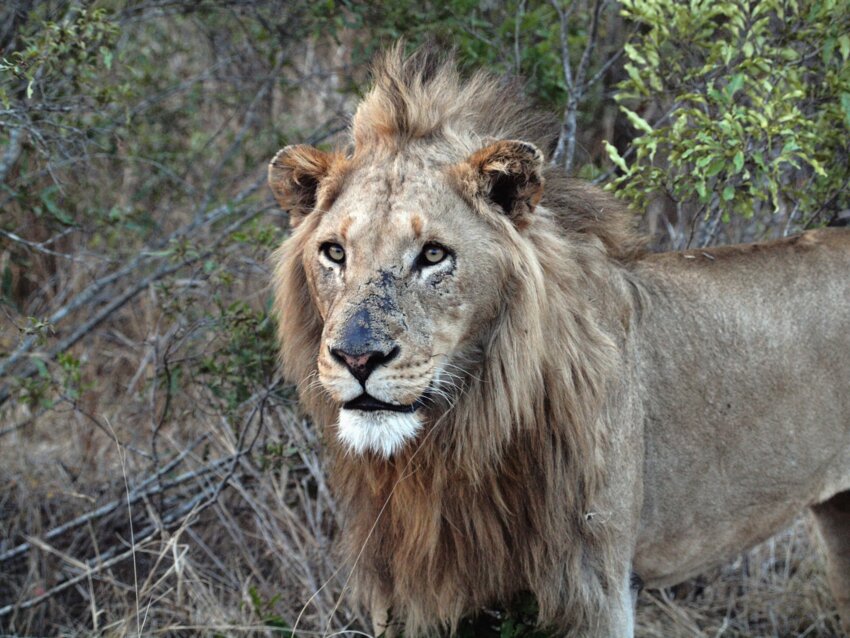
"We’d been taught never to move or make a sound. I lay there convinced no one would ever believe this if I survived it" Credit: Jo Dale
That resilience is something WLT often speaks about.
Lucy: Exactly. Places like the Serengeti show what happens when land is properly protected. Nature bounces back incredibly quickly if it’s given the chance. That’s why the work of WLT matters so much. Protecting what we still have, right now, is everything.
You often work closely with local and Indigenous communities. How central is that to your expeditions?
Lucy: It’s fundamental. The people I travel with aren’t guides in the conventional sense. Many don’t speak English. I look for people who want to explore their own country in a new way. We all bring different skills, and they are the real experts.
They’re the heroes of the story. Through them, you gain a completely different relationship with the landscape. And you learn constantly: about restraint, about taking only what you need, about leaving enough so ecosystems can recover. Even small things stay with me, like recognising bird calls that signal rain, or living by daylight rather than clocks. Those ways of being in the world feel quietly radical.
Finally, what’s next for you?
Lucy: The next project is under wraps, but my new series Secret Africa: Into the Wild is coming out this spring, and my first book Into the Wild is being published around the same time. As for places I still want to go? There are countless. The world is huge, and as soon as I start learning about a place, I want to go there. That curiosity hasn’t gone anywhere.
By donating to World Land Trust’s Action Fund, we are able to act quickly, whenever and wherever urgent conservation action is needed.
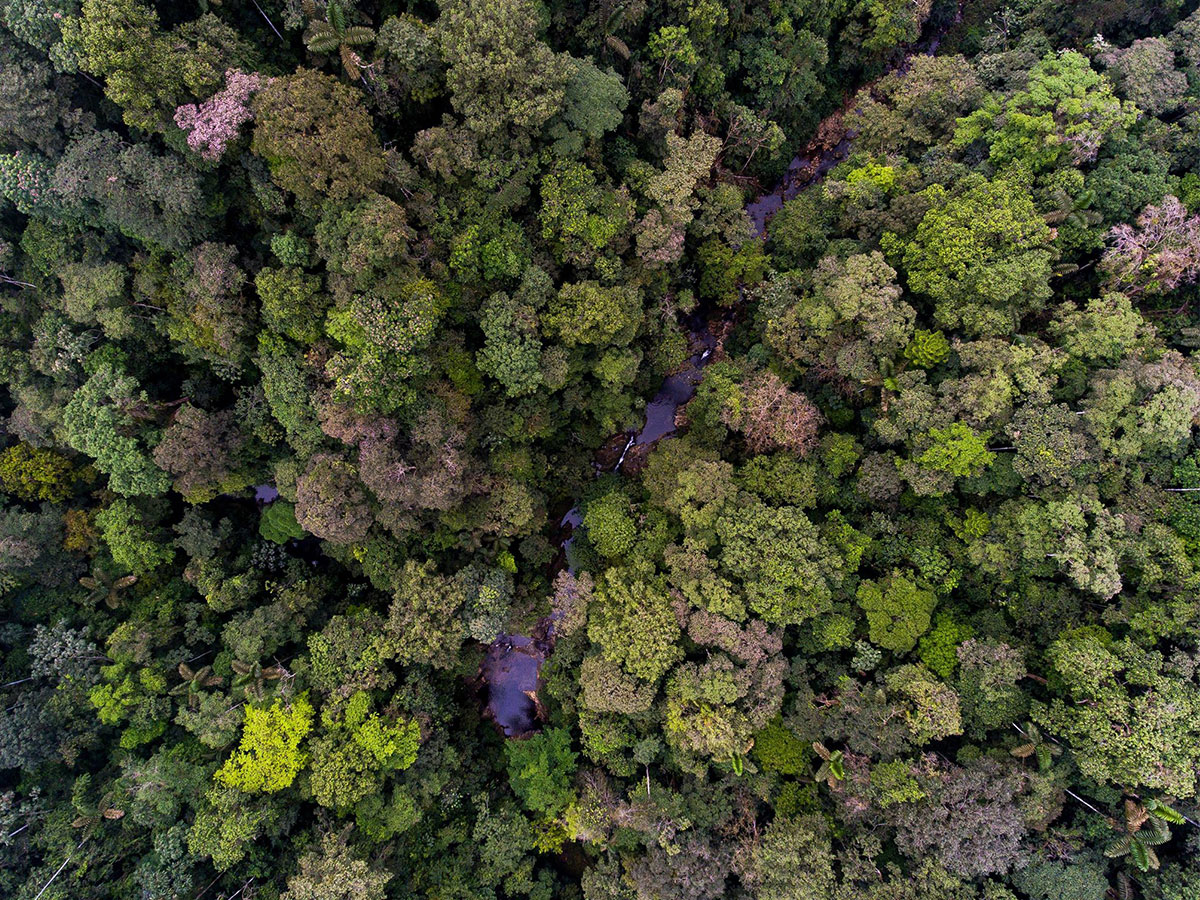
Habitat loss is the greatest threat facing wildlife worldwide. We believe that by protecting land, acre by acre, we are taking the best action to ensure a future for wildlife.
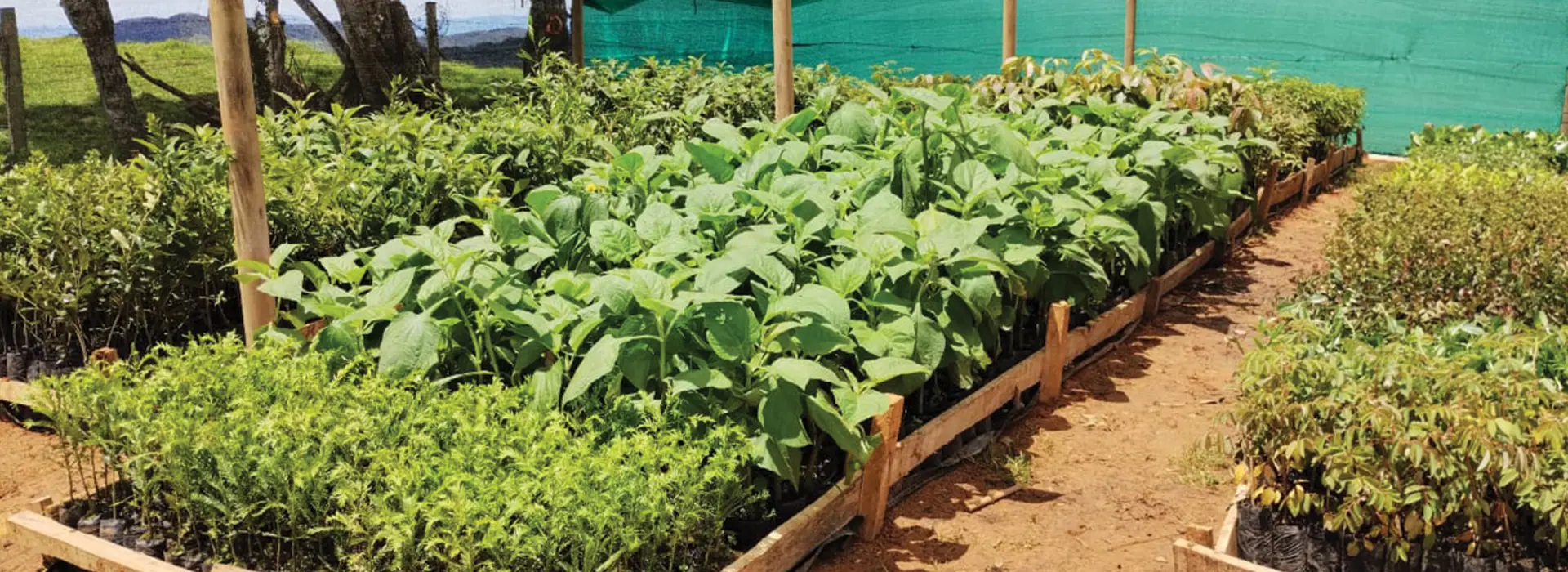
Reforestation is one of the main methods of restoring many damaged ecosystems, with Plant a Tree, you can bring vital forest habitats back to life.