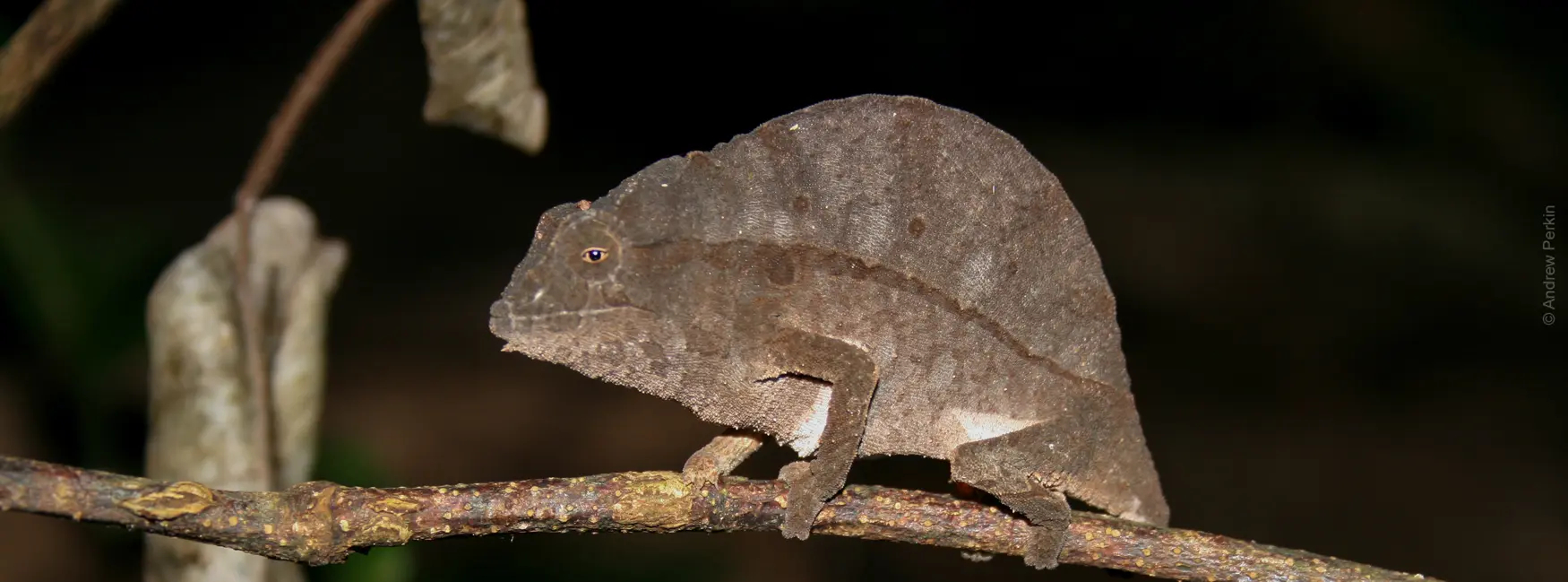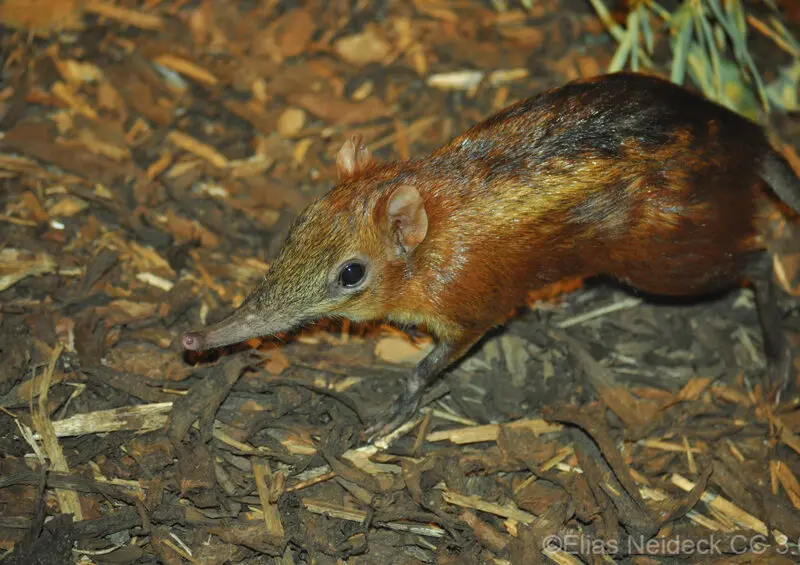
The East African nation of Tanzania is the home of over 55,000 species, at least 900 of which are threatened with extinction. Its importance to conservation is such that six of the 25 biodiversity hotspots recognised worldwide fall within its borders: the forests of the Eastern Arc, the Great Lakes of Africa, the coastal forests along the Indian Ocean, the tropical coral reefs, the alkaline lakes of the Rift Valley, and the grassland savannas like the world-famous Serengeti.
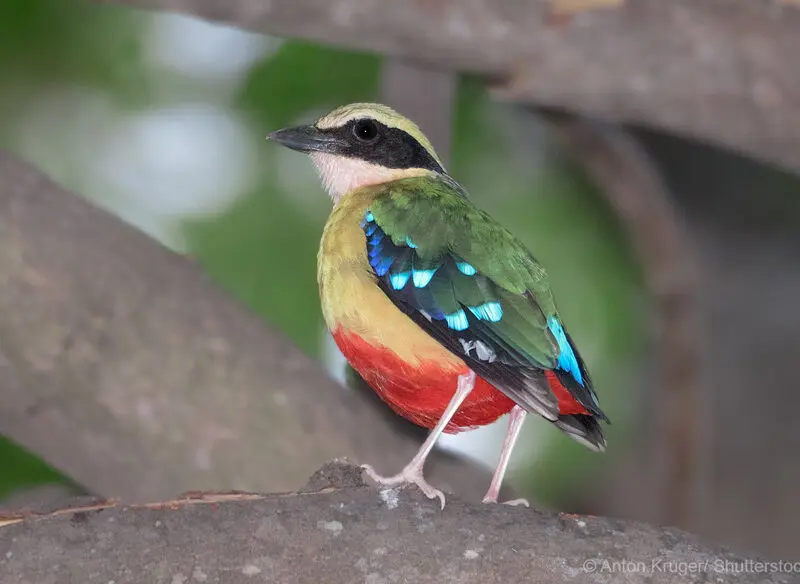
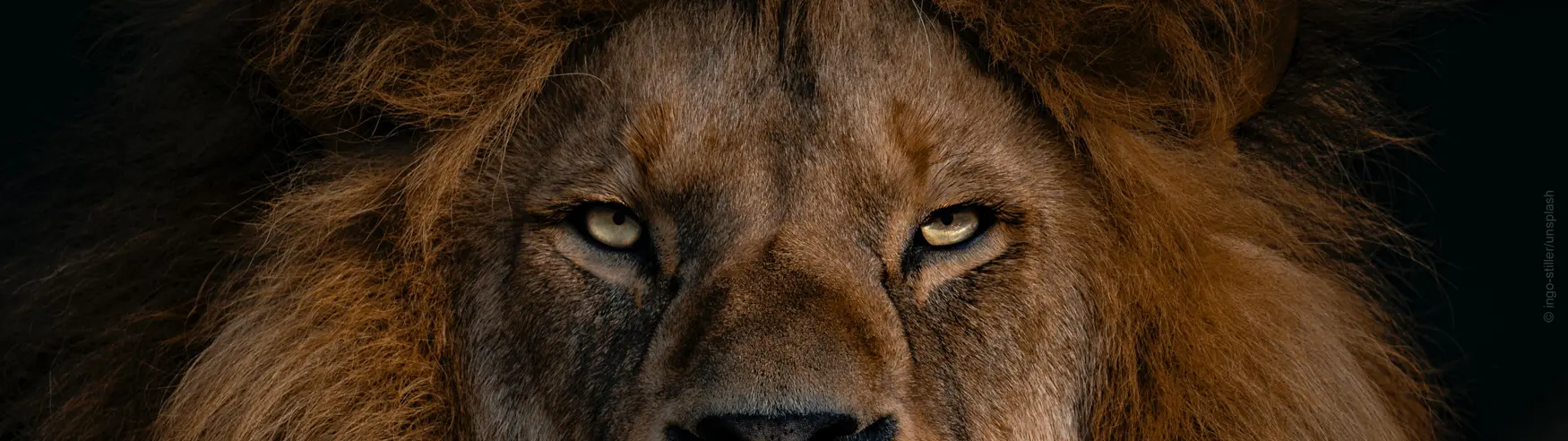
Tanzania is a land rich in biodiversity: despite accounting for just 3% of Africa’s landmass, it holds a staggering 20% of its large mammal population, from elephant to lion, leopard, zebra, giraffe and hippo. More than 1,100 bird species have been recorded in Tanzania – a total surpassed by only 11 other countries. A third of Africa’s plant species can also be found within its borders.
With over 1 million acres of forest lost every year to development, unsustainable land-use and other threats, Tanzania is in need of urgent conservation action if the rich nature it protects is to survive. WLT supporters are now playing their part, funding projects that safeguard the natural resources that both people and wildlife rely on in one of the oldest continuously inhabited areas on Earth.
Our Partners in Tanzania
-
Southern Tanzania Elephant Programme (STEP)
STEP is a Tanzanian-registered non-profit elephant research and conservation organisation based in southern Tanzania. Believing in the importance of strong protected areas and the welfare of people living around their boundaries, STEP works with a range of partners towards long-term security for elephants, a critical keystone and umbrella species of the ecosystems.
-
Tanzania Forest Conservation Group (TFCG)
To improve the conservation of the unique and threatened biodiversity of Tanzania, the country home to Africa’s highest plant diversity, by preserving two crucial forest ecoregions: the coastal forests by the Indian Ocean and the Eastern Arc Mountains. By focusing on these globally recognised hotspots of natural life, TFCG envisages a world in which the protection of biodiversity results in a healthier, safer environment for the present and future generations in Tanzania.
Our projects in Tanzania
COASTAL FORESTS
In 2021, our Saving Tanzania’s Coastal Forests appeal brought WLT supporters word of a biodiversity hotspot so threatened only 10% is still standing. The coastal forests of Tanzania’s Lindi District and their endemic life were, our partner TFCG warned at the time, at risk from the large-scale plantations that had destroyed so much habitat in that area.
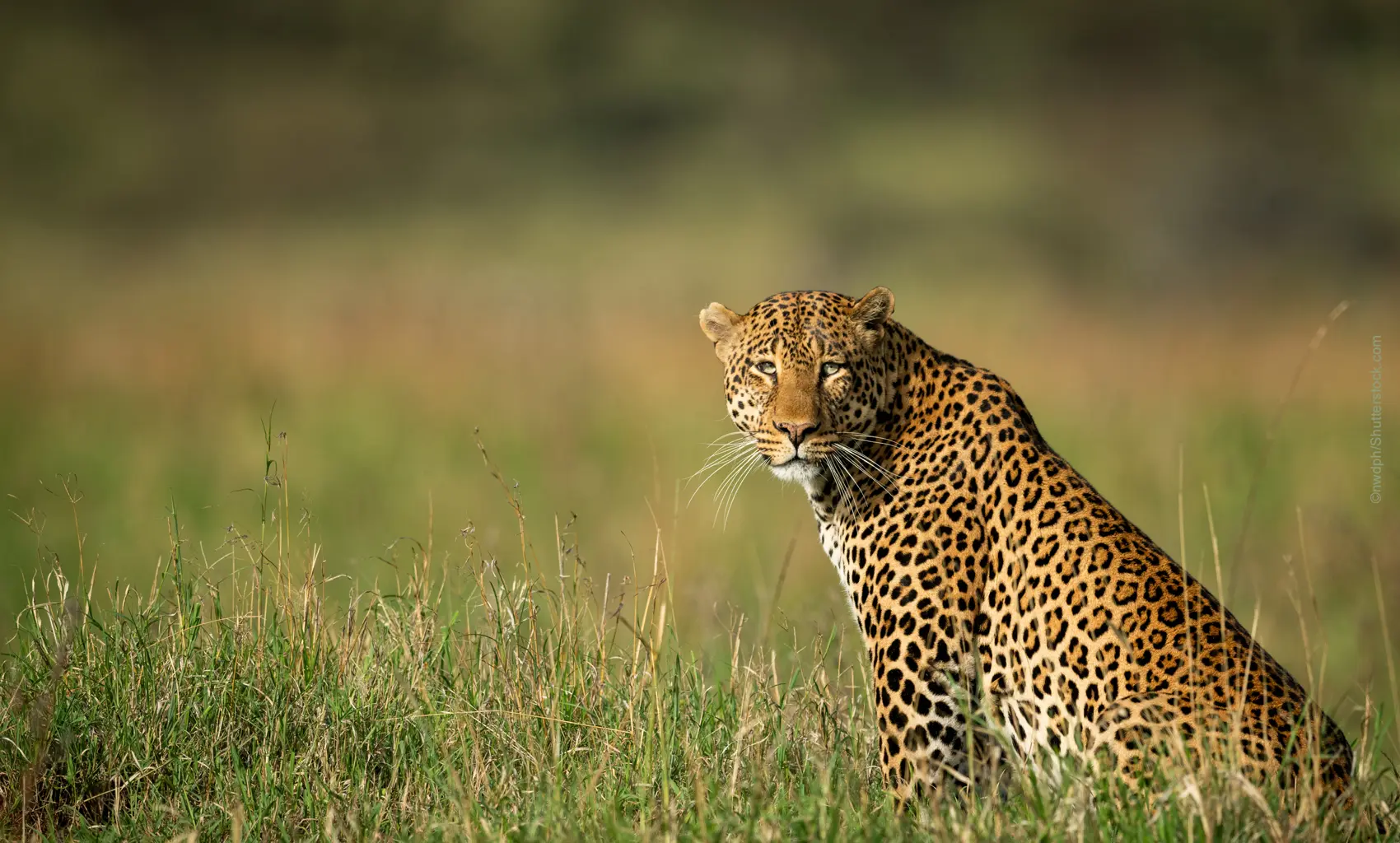
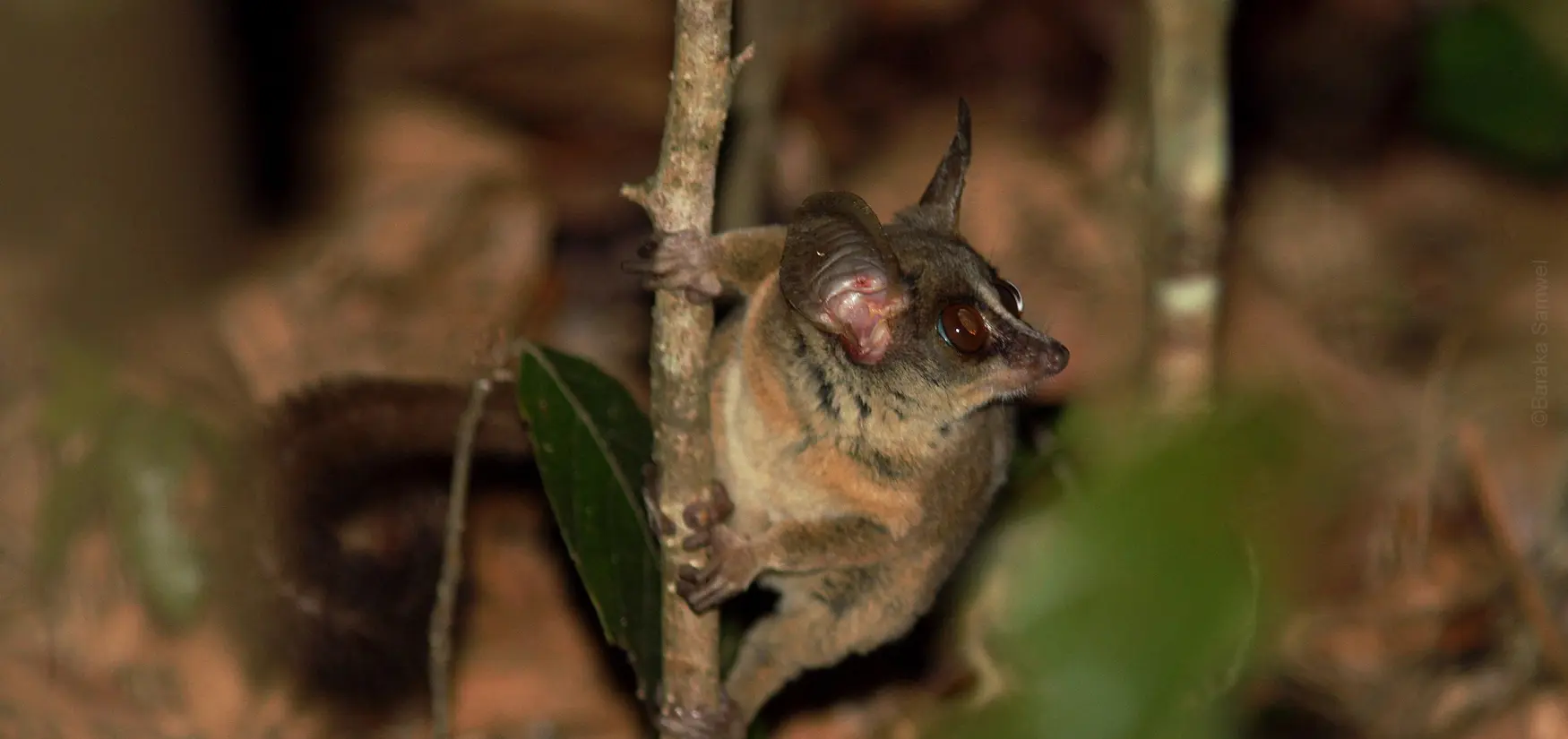
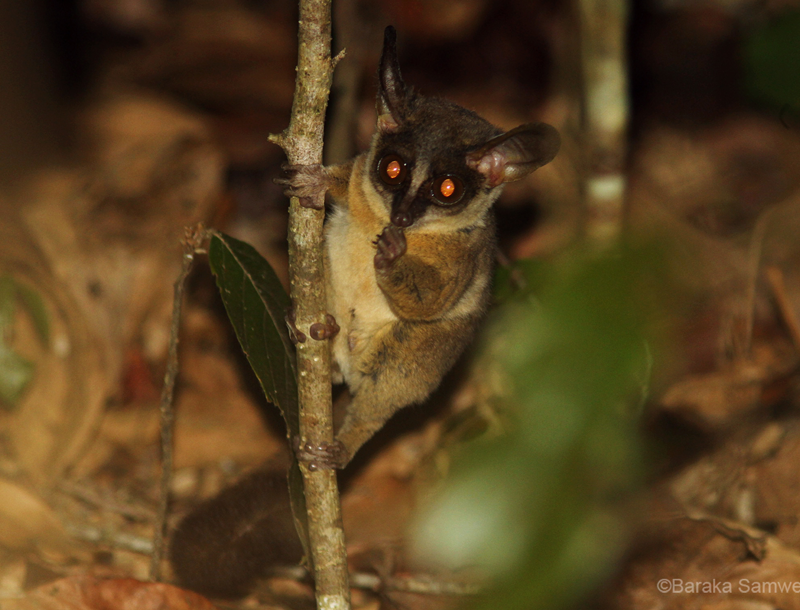
Thanks to WLT supporters, a better future is already unfolding. With help from the £400,000 donated in 2021, TFCG is establishing 10 reserves owned, co-managed and co-protected by local people. At a time when safe migratory routes for elephants are closing, over 20,700 ha will now be protected along a crucial corridor for the species. This protected land will also benefit lion, leopard, 179 bird species and small forest specialists such as the Rondo Galago, one of the world’s most threatened primates.
As with so many other projects we support, this is as much about people as it is about planet. With designation of the 10 reserves now underway, the communities who will own them have already been benefitting through loans for small businesses – clothing stores and restaurants, among others – and a tree nursery that will act as a food source in an area plagued by water scarcity.
KILOMBERO VALLEY
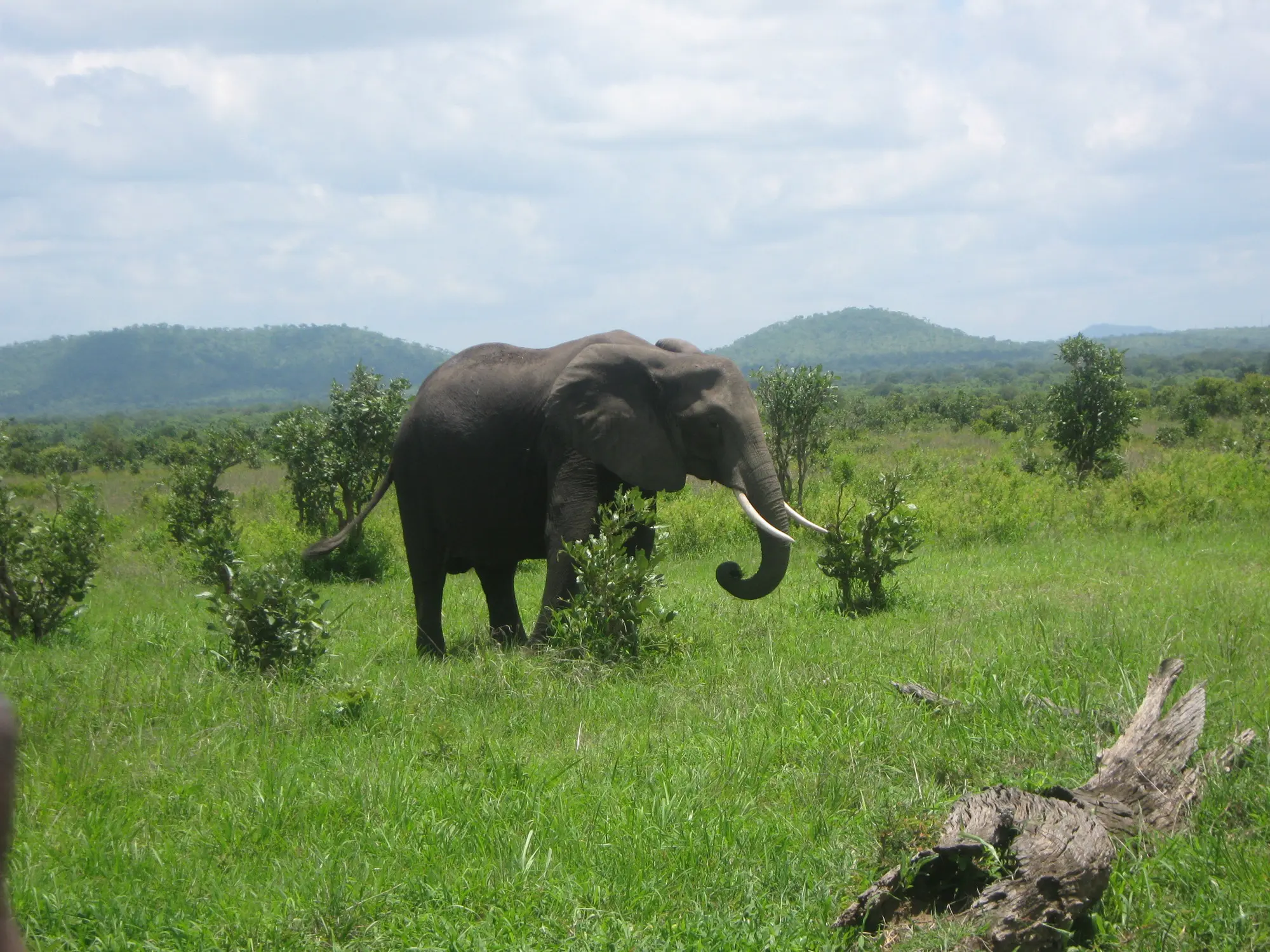
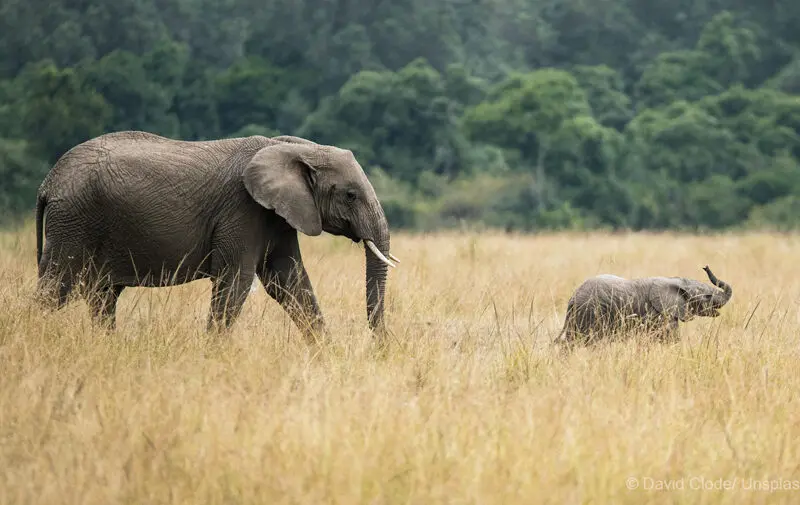
In Tanzania’s south, a stretch of Eastern Arc wilderness has already lost two of its three elephant corridors. With help from our supporters, STEP is saving the one that remains, with donations to WLT allowing our partner to safeguard the Kilombero corridor between Udzungwa Mountains National Park and Magombera Forest Nature Reserve.
Over 12 kilometres long and 150 metres wide, this fenced, community-managed passageway is the last viable elephant crossing between Tanzania’s west and south. More than 30,000 of these gentle giants – 35% of East Africa’s population, or 7% Africa-wide – will potentially benefit, as will populations of leopard, lion, buffalo and hyena, as well as primates like the Udzungwa Red Colobus that is unique to these mountains.
Connectivity for wildlife and a safe link between forests are not the only positives being brought about by this project. Before, forest loss forced elephants to pass near the area’s homes, schools and crops, but now a managed corridor will give both animals and communities the space they need, reducing human-wildlife conflict. Having helped to map this corridor they have agreed on, the villages of Kanyenja, Man’gula A and Sole will also be compensated for the land they sell for conservation, and benefit through employment and income-generating projects.