
Action Fund
By donating to World Land Trust’s Action Fund, we are able to act quickly, whenever and wherever urgent conservation action is needed.

In accordance with IUCN criteria, a species is considered to be Least Concern if it does not qualify for Critically Endangered, Endangered, Vulnerable or Near Threatened. Widespread and abundant taxa are included in this category.
Class
Amphibia
Order
Anura
Family
Microhylidae
Scientific Name
Chiasmocleis lacrimae
Reserve locations
Brazil
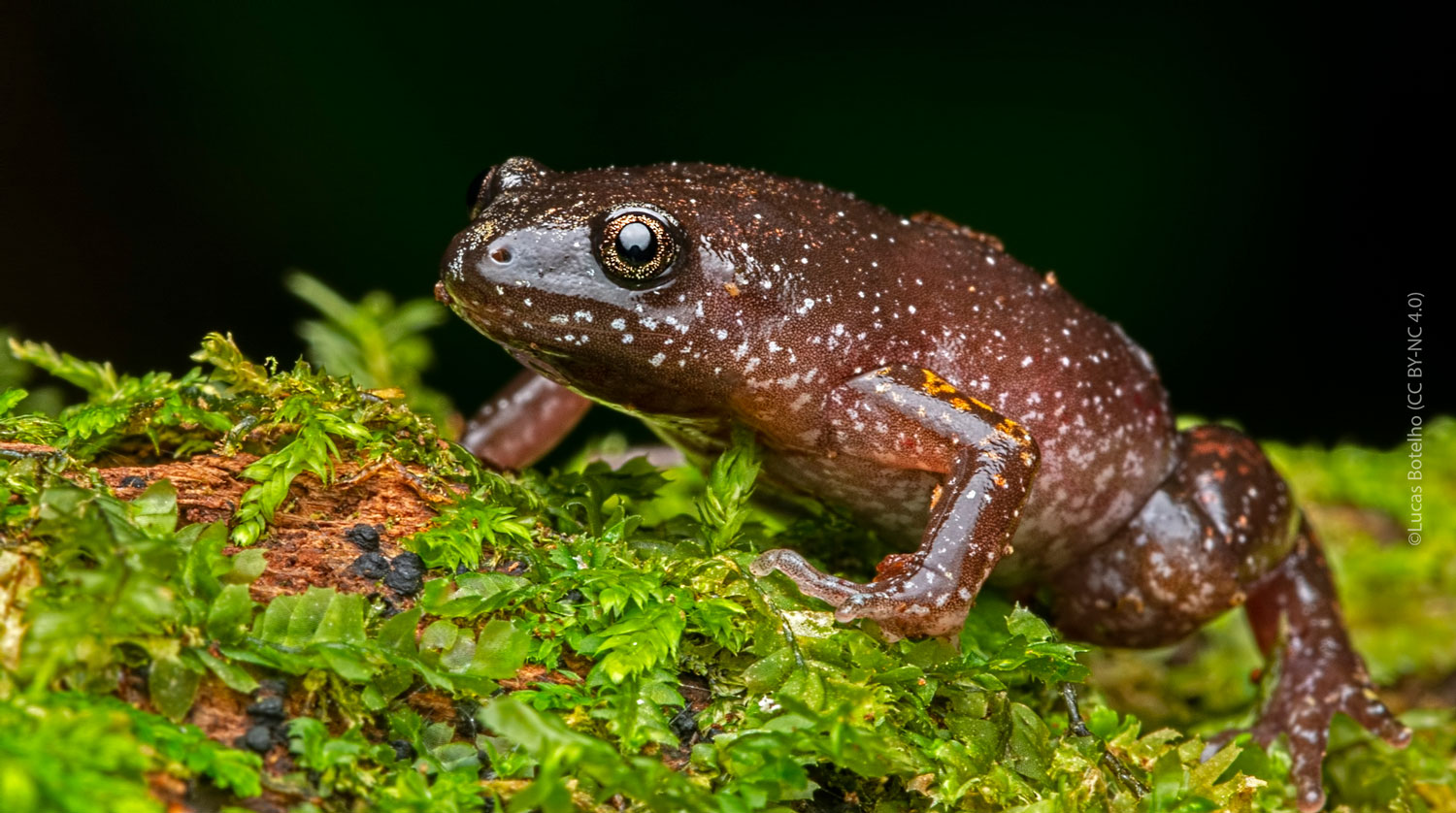
The Central Humming Frog is a small amphibian belonging to the family Microhylidae, a group commonly known as narrow-mouthed frogs. Members of this family are typically compact, round-bodied frogs with short limbs and small heads, well-adapted to life among leaf litter on the forest floor.
This species forms part of the genus Chiasmocleis, commonly referred to as humming frogs because of the soft, humming or buzzing calls produced by males during breeding periods. These calls can often be heard after rainfall when water pools form in the forest.
The species was formally described in 2014 and occurs within the highly biodiverse forests of Brazil. Like many forest-dwelling amphibians, it is rarely encountered outside the breeding season due to its secretive and largely subterranean habits.
Central Humming Frog. Credit: ©Lucas Botelho
Central Humming Frogs spend a lot of their time concealed beneath leaf litter or in loose soil on the forest floor, often only emerging during very humid weather conditions when they won’t dry out. Their shy behaviour and small size make them difficult to observe in the wild.
During the rainy season, males gather around pools or water-filled puddles on the forest floor. Here, they practice their distinctive humming calls to attract females. Breeding events are often short and are closely linked to rainfall, which is a common strategy among tropical amphibians that rely on small temporary water bodies for their reproduction.
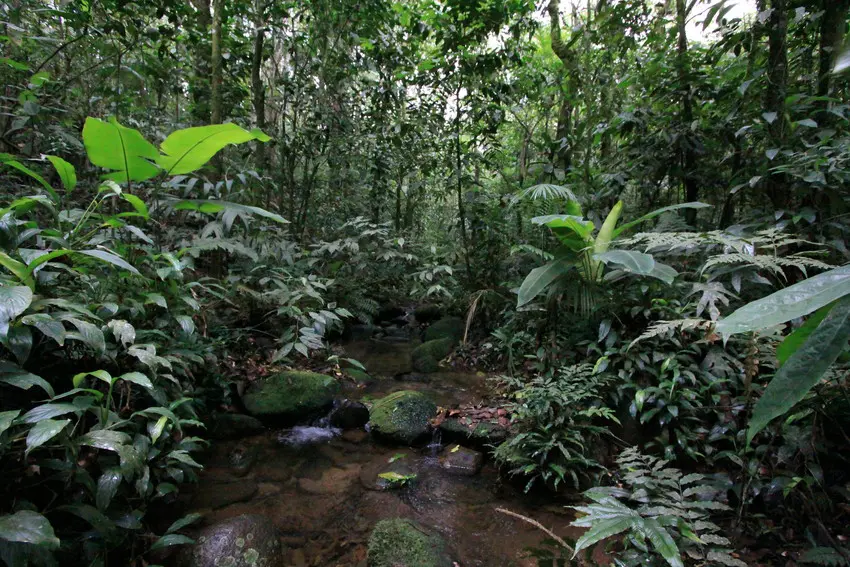
Forest and river view at REGUA, Brazil. Credit: ©Chris Knowles
The Central Humming Frog is endemic to Brazil and found nowhere else in the world. It inhabits lowland tropical forest, where the warm temperatures combined with high humidity and seasonal rainfall create the perfect conditions for amphibian life.
These forests provide the moist leaf-litter habitat required by adults as well as temporary breeding pools that form after heavy rains. The species is mostly only found in intact forest environments and depends on the humid microclimate carefully maintained by forest canopy cover, it does not seem to do well in degraded forest.
The Central Humming Frog is currently classified as Least Concern on the IUCN Red List as the species still occurs across a relatively wide area.
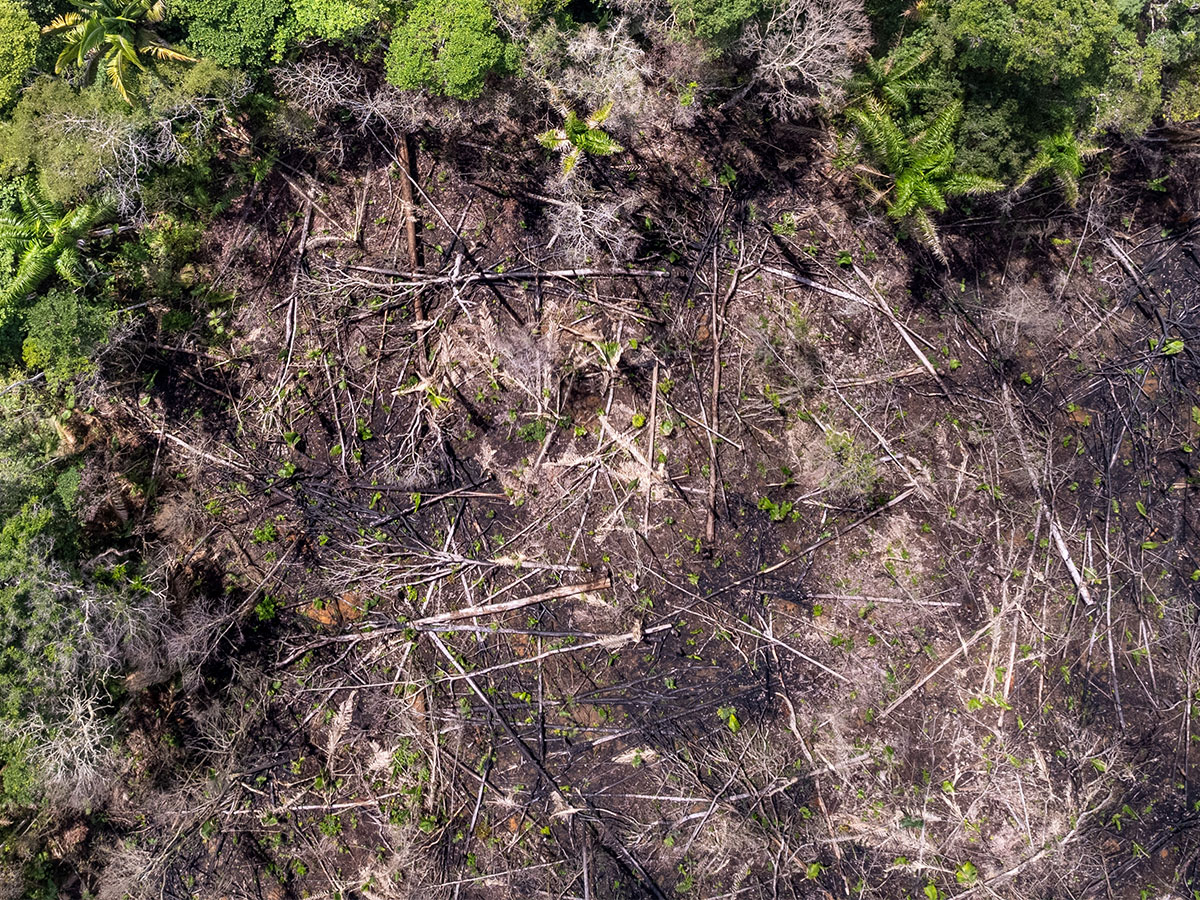
However, like many amphibians living in tropical forests, the species remains sensitive to habitat change. Deforestation, habitat fragmentation and land-use change in Brazil’s forest regions can reduce suitable habitat and alter the humid microclimates required by forest-floor amphibians.
Continued monitoring and the protection of remaining forest habitat such as the work carried out by WLT partner Reserva Ecológica de Guapiaçu (REGUA) will be important to ensure that populations remain stable.
By donating to World Land Trust’s Action Fund, we are able to act quickly, whenever and wherever urgent conservation action is needed.
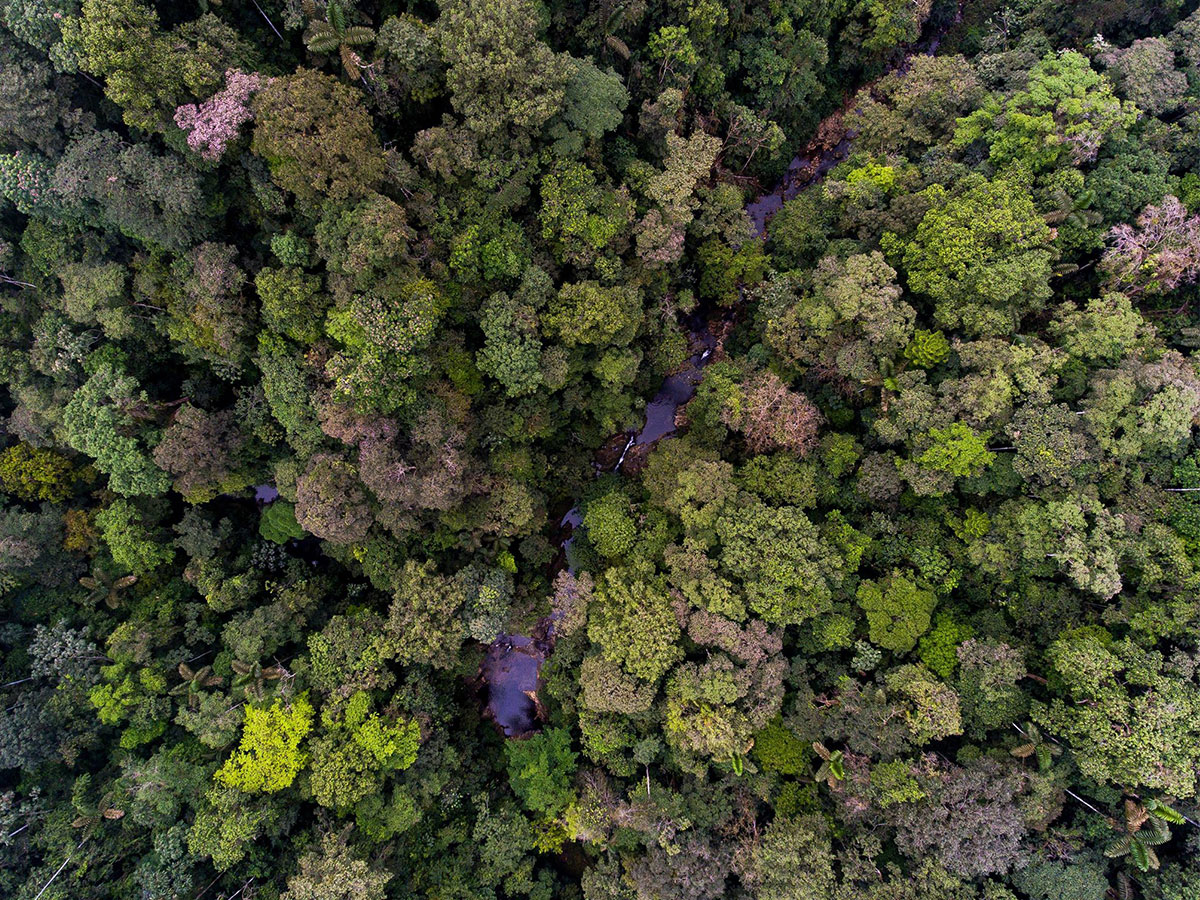

Habitat loss is the greatest threat facing wildlife worldwide. We believe that by protecting land, acre by acre, we are taking the best action to ensure a future for wildlife.
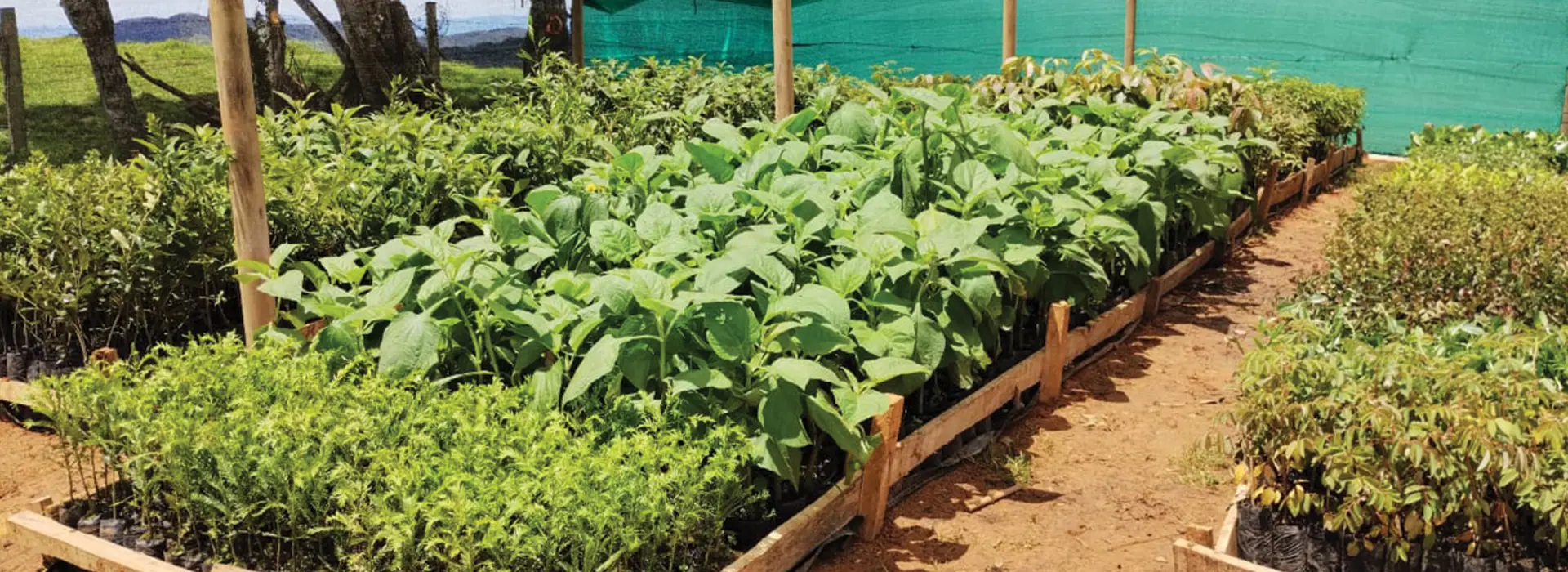

Reforestation is one of the main methods of restoring many damaged ecosystems, with Plant a Tree, you can bring vital forest habitats back to life.