The topography of Nepal extends from just 67m above sea level in the south of the country to the 8,848m summit of Mount Everest on the northern border. Within this vast altitudinal range is a diverse mosaic of climates and habitats that support a rich biodiversity. Nepal makes up less than 0.1% of the Earth’s landmass, yet contains over 2% of all flowering plant species, 3.9% of all mammal species and 8.9% of all bird species.
The wildlife of Nepal includes many highly threatened species, including the Gharial, Red Panda, Bengal Tiger, Snow Leopard, Asian Elephant and Greater One-horned Rhinoceros. The country also harbours two species of pangolin (the most trafficked mammal in the world) and four Critically Endangered vultures. Around 300 flowering plant species and 160 animal species are endemic to Nepal, most of which are concentrated in the alpine and subalpine zones.
Nepal
-
 2022
2022Supported Since
Our Partners in Nepal
-
Koshi Tappu Kanchenjunga Biodiversity Education Livelihood Terra-Studio (KTK-BELT)
Established in 2014, KTK-BELT possesses a skilled team of scientists, designers, project managers, environmental lawyers, chartered accountants, and administrative field staff. The organisation has approximately 40 professional staffs on the ground and has previously implemented projects involving land purchase and establishment of new Indigenous Community Conservation Areas (ICCAs).
Our projects in Nepal
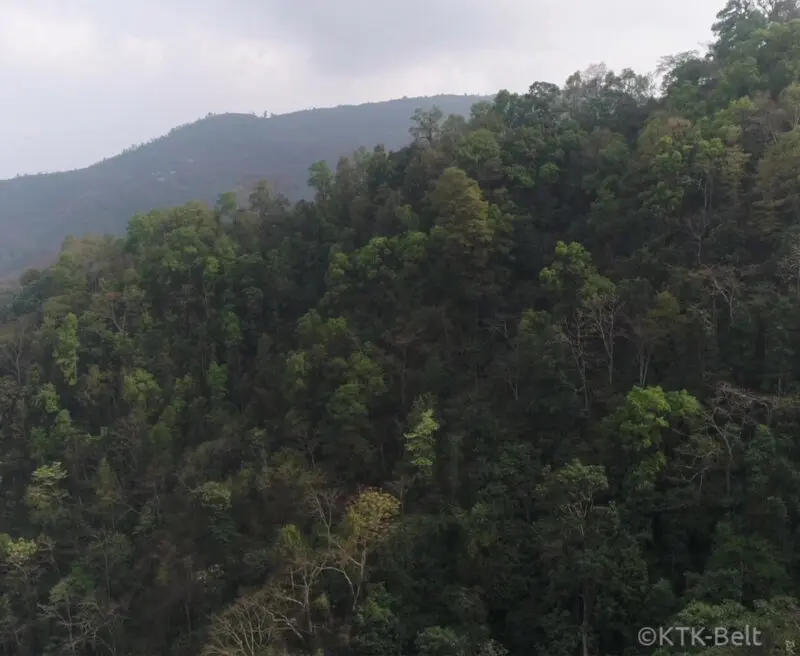
Yangshila ICCA
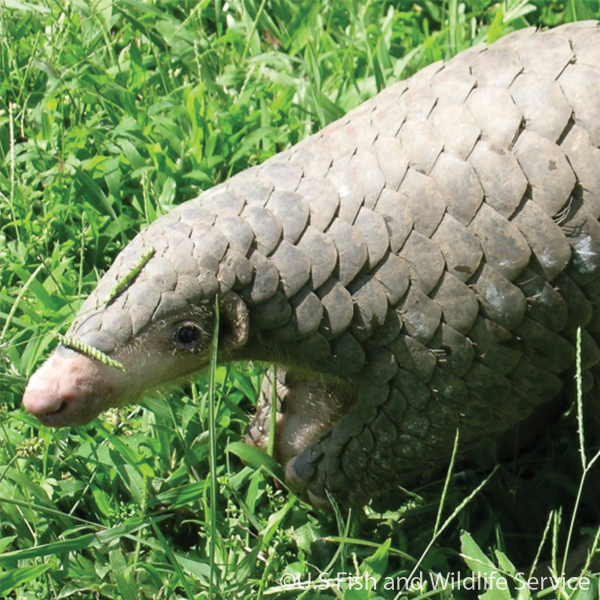
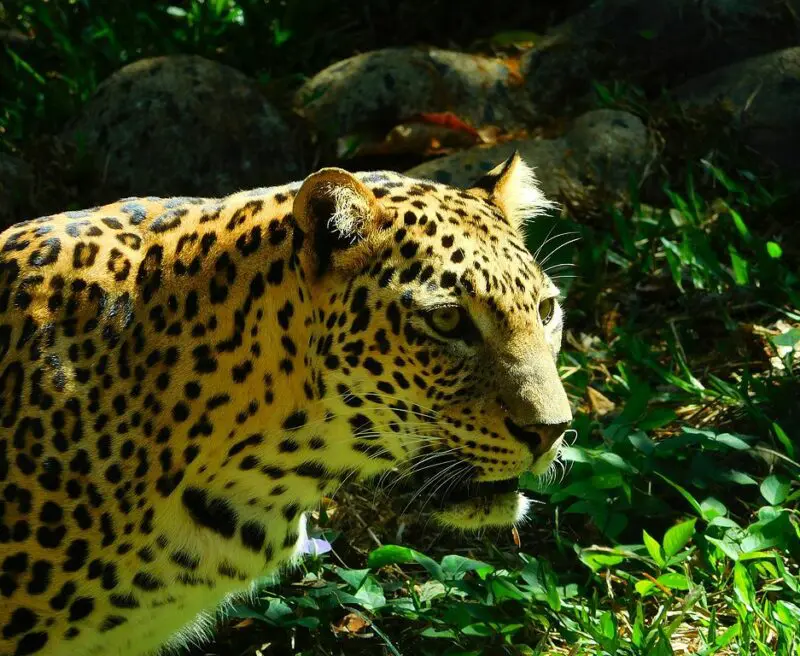
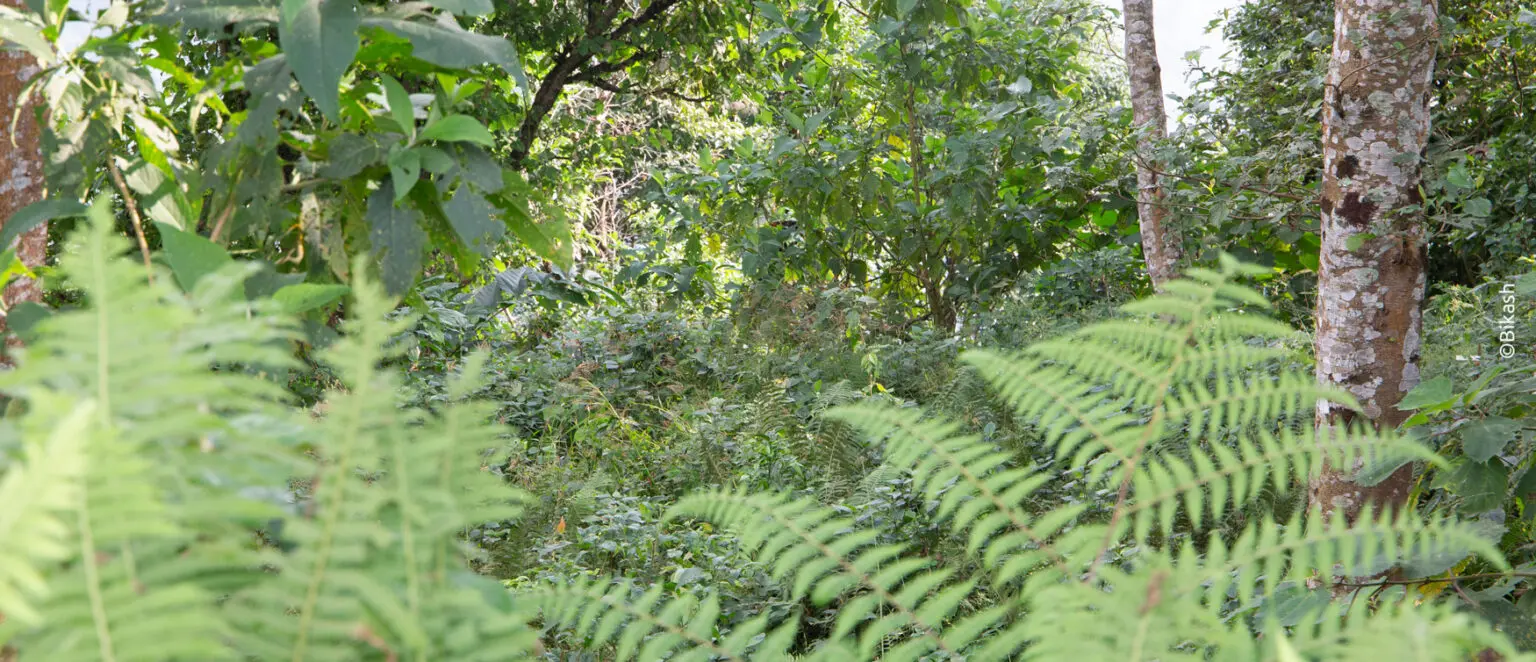
WLT and KTK-BELT partnered in 2022 to establish a 31,284 ha Indigenous Community Conservation Area (ICCA) in Nepal’s eastern Siwalik Foothills. The target landscape comprises thick, old-growth forests at the juncture where the Terai lowlands first rise to the Himalayas. It also touches the Char Koshe Jhadi, an eight-mile government forest that has migratory elephant populations. Because of its transitional location, this is a place of high biodiversity, with populations of Leopard (Vulnerable), Yellow Monitor Lizard (Endangered) and Chinese Pangolin (Critically Endangered).
Unfortunately, our project area is now facing a variety of threats, from poaching and illegal mining to the expansion of roads and encroachment of unsustainable agriculture. Once established, the Yangshila ICCA will be managed and operated by local indigenous communities to protect against these threats, with legal and technical support from KTK-BELT and others. WLT funds will support land acquisition, reserve management (through 13 forest guardians) and restoration activities.