Cutting Carbon Dioxide Levels
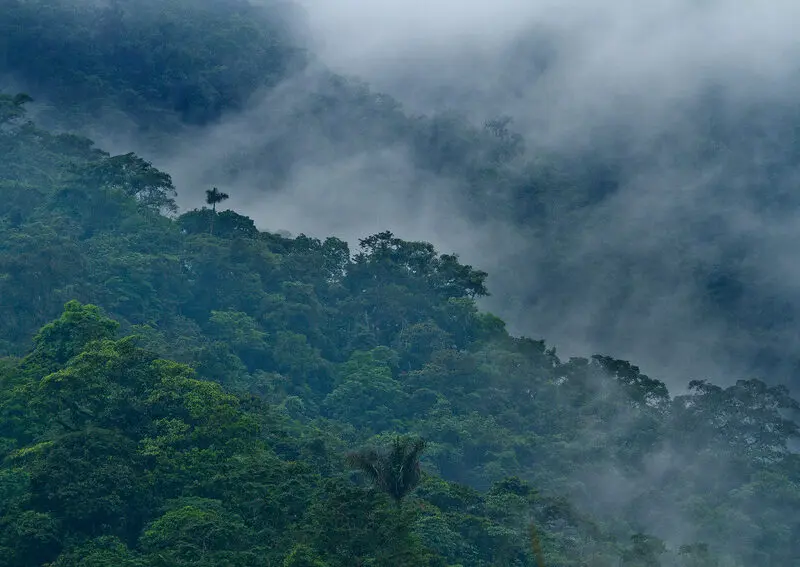
A meaningful strategy to reduce carbon emissions begins with using less carbon-derived energy: travelling less frequently, driving more efficiently, and improving energy use at home and at work. It also requires a global shift towards alternative, carbon-free energy sources.
Alongside these actions, the world must protect and restore natural carbon sinks. This means safeguarding established forests and grasslands and regenerating degraded habitats so they can store carbon securely for the long term.
To support this global need, World Land Trust (WLT) created the Carbon Balanced programme. Carbon Balanced helps individuals and companies measure their emissions, reduce where possible, and balance the remainder by supporting the restoration and protection of threatened forest ecosystems.
Some WLT-supported projects also include ecotourism as a way to sustain local economies. When carefully managed, ecotourism provides an alternative to destructive land use and helps ensure forests are valued and protected by the communities who live alongside them.
Nature Reserves and a Changing Climate
When planning land protection, WLT considers the potential long-term effects of climate change to ensure that reserves remain effective into the future. Although predicting exact changes is difficult, several broad principles guide our approach:
• The need for climate refuges is increasing. As temperatures rise, species are pushed into smaller, suitable areas. Protected land helps limit the loss of habitat and reduces competition for space.
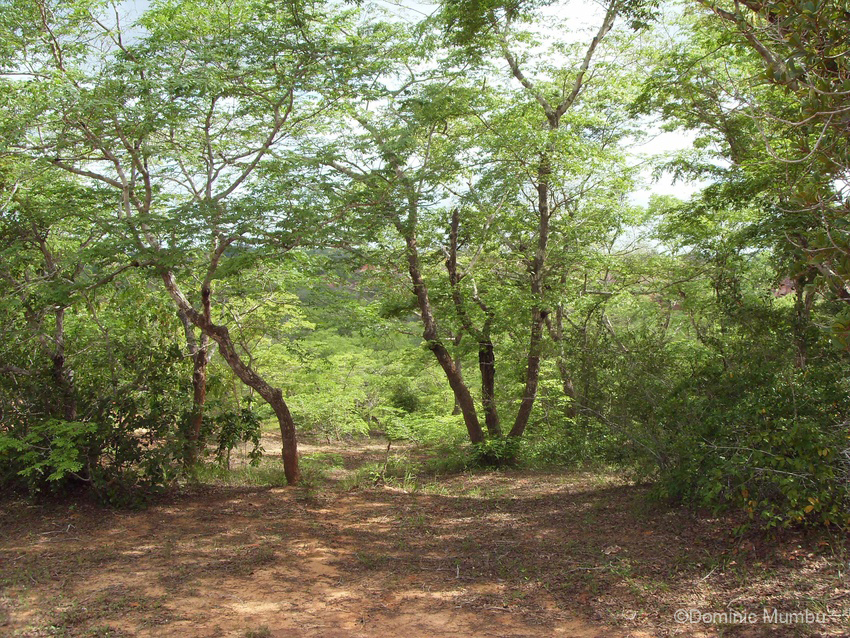
• Altitude matters. Reserves that span a range of elevations give species the opportunity to move to cooler, wetter, or drier areas as conditions shift.
• Low-lying coastal areas are at risk. Protecting these areas can allow ecosystems to retreat inland as sea levels rise.
• Habitat protection reduces climate impacts. Protecting rainforest or regenerating damaged forest stores carbon and strengthens ecosystems. Restoring mangroves and reefs reduces the severity of storms and surges while supporting rich biodiversity.
Our Commitment
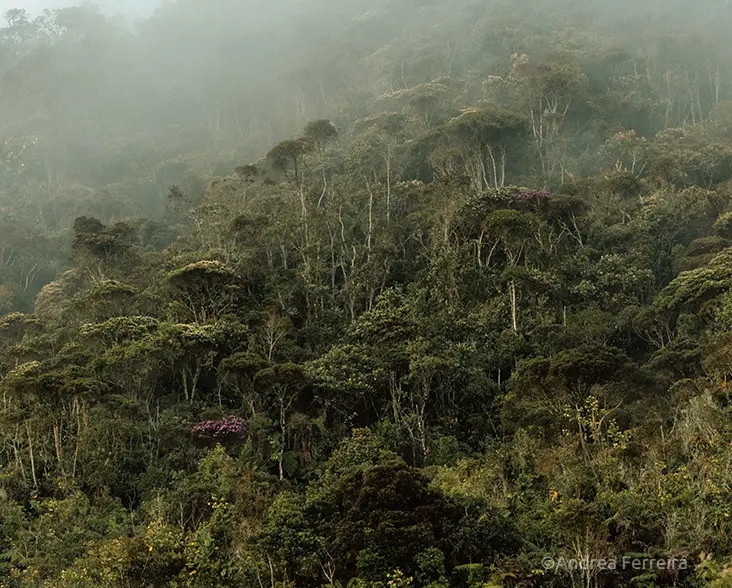
Climate change is already reshaping the natural world. By protecting and restoring land, WLT and its partners are taking practical, locally led action to help people and wildlife adapt. Forest regeneration, secure reserves, and long-term partnerships with local organisations are central to our approach.
Together, we can protect the natural systems that regulate the climate and support life on Earth.
A Warming World
Atmospheric carbon dioxide levels, global temperatures, and sea levels continue to rise, while biodiversity loss accelerates. The year 2024 was the warmest on record, showing how close the world has come to temporarily exceeding the United Nations’ Paris Agreement 1.5°C threshold.
The signs are clear. Snowlines and ice caps are retreating, natural habitats are shifting unpredictably, and sea levels are beginning to rise. The main driver is our extensive use of fossil fuels, which releases carbon dioxide and intensifies the greenhouse effect. At the same time, the destruction of vast areas of forest has removed one of the most effective ways of storing carbon, worsening the crisis.
Climate change affects people, wildlife, and ecosystems everywhere. Rising seas, desertification, and loss of farmland threaten communities. Species everywhere face shrinking habitats and increasing environmental pressure.
As a conservation charity, WLT works on climate change through a strategy built on two core principles:
• Regenerating and protecting forest land to remove carbon dioxide
• Creating wildlife refuges that can accommodate changing climates