
Action Fund
By donating to World Land Trust’s Action Fund, we are able to act quickly, whenever and wherever urgent conservation action is needed.

In accordance with IUCN criteria, a species is considered to be Vulnerable if it is facing a high risk of extinction in the wild.
Class
Aves
Order
Passeriformes
Family
Tyrannidae
Scientific Name
Platyrinchus leucoryphus
Reserve locations
Brazil
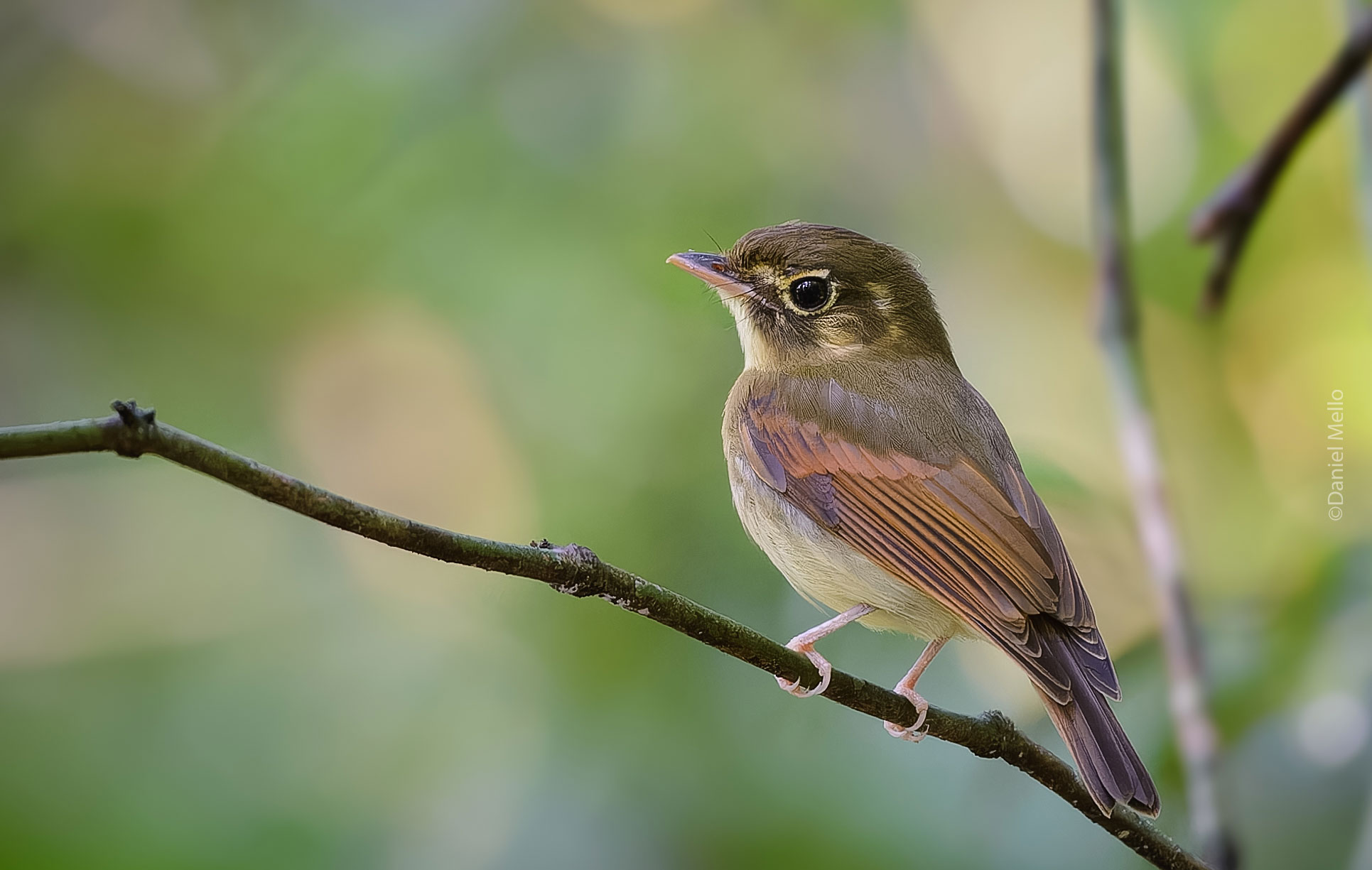
The Russet-winged Spadebill is a small flycatcher with a broad flat bill, adapted for its insectivorous diet. It is identified by its russet-coloured wings that contrast with its olive-green body. Its head is a unique combination of yellow and green, including a white spot on its crown and a white throat patch.
Both male and female Russet-winged Spadebills display very similar characteristics, making it challenging to distinguish between them in the wild.
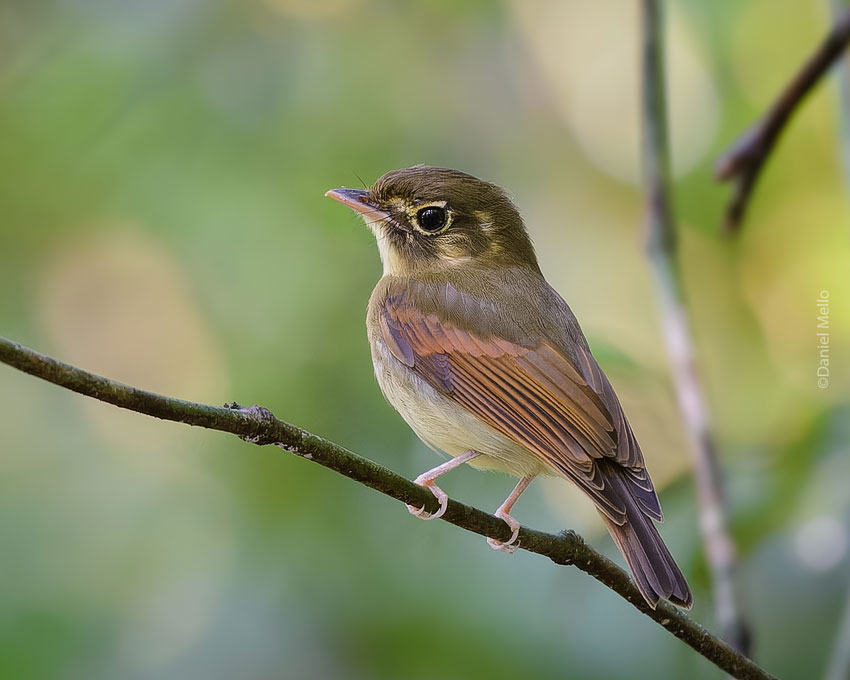
A Russet-winged Spadebill perched on a branch at REGUA. Credit: Daniel Mello.
Measuring at just 10 to 11 centimeters long, the Russet-winged Spadebill is a master of camouflage, expertly blending into the leaf litter of the forest floor to hide from predators. It also mimics other bird songs to further camouflage its presence, showcasing impressive vocal versatility.
The species primarily feeds on a diet of insects, hunting flies, beetles, and caterpillars, as well as spiders and other tiny arthropods.
During the courtship season, males perform elaborate flight displays, showcasing their plumage and agility to attract females. They are usually monogamous, forming pair bonds that last throughout the breeding season. They then construct cup-shaped nests in forked tree branches, usually located a few meters above the ground. These nests are made from fine twigs, moss, and dried leaves, often camouflaged with lichen to blend with the surroundings.
The female lays two to three eggs per clutch, and both parents share the responsibility of incubation, which lasts around two weeks. After hatching, both parents care for and feed the chicks with insects and small invertebrates.
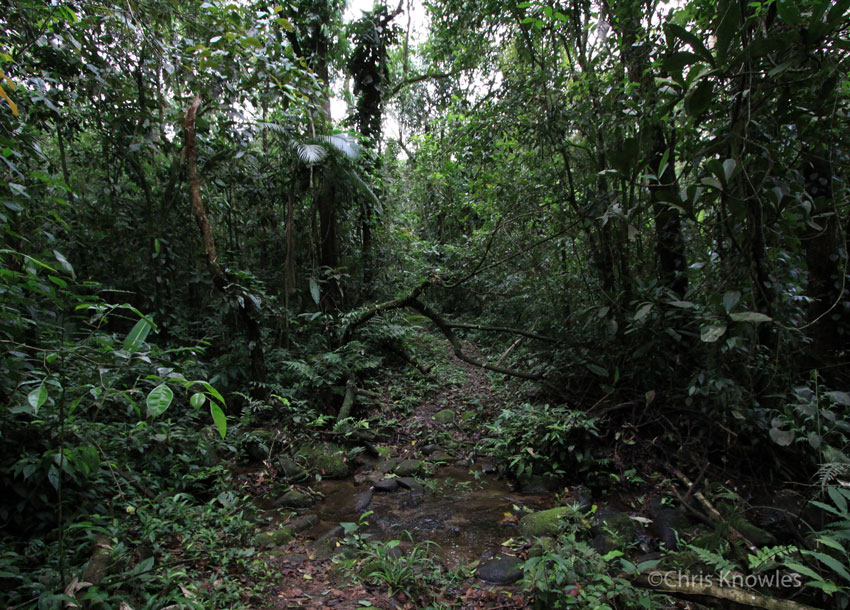
A view of relatively open understory, REGUA. ©Credit: Chris Knowles.
The Russet-winged Spadebill inhabits subtropical or tropical moist lowland forests in Argentina, Brazil and Paraguay. It prefers forest with a relatively open understory, where small saplings provide a shady canopy but there is little undergrowth.
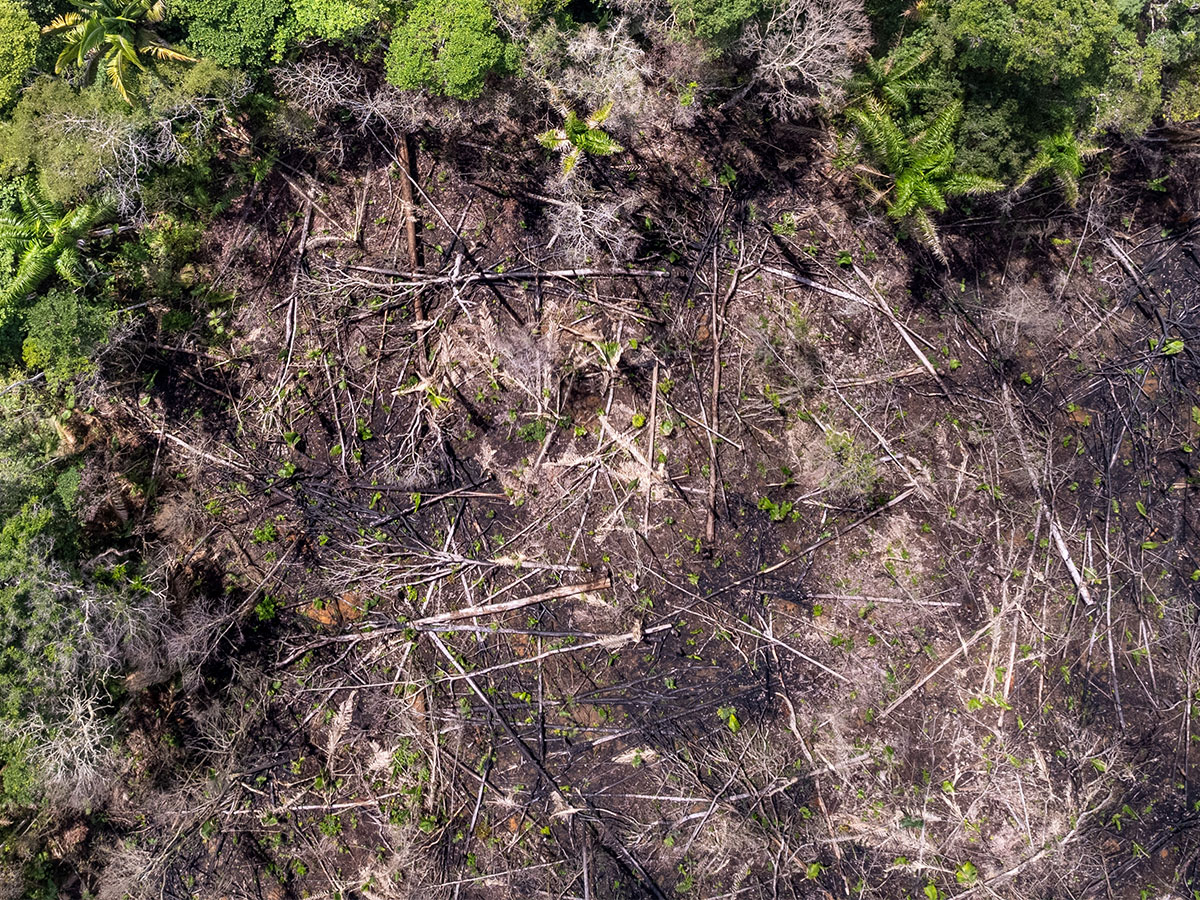
The population size of the Russet-winged Spadebill has been estimated at less than 10,000 mature individuals. This is primarily due to habitat loss from the ongoing deforestation and agricultural expansion happening in the Atlantic Forest. The severe fragmentation of its forest habitat also reduces available breeding and foraging areas. The Russet-winged Spadebill is therefore categorised as Vulnerable on the IUCN Red List.
By donating to World Land Trust’s Action Fund, we are able to act quickly, whenever and wherever urgent conservation action is needed.
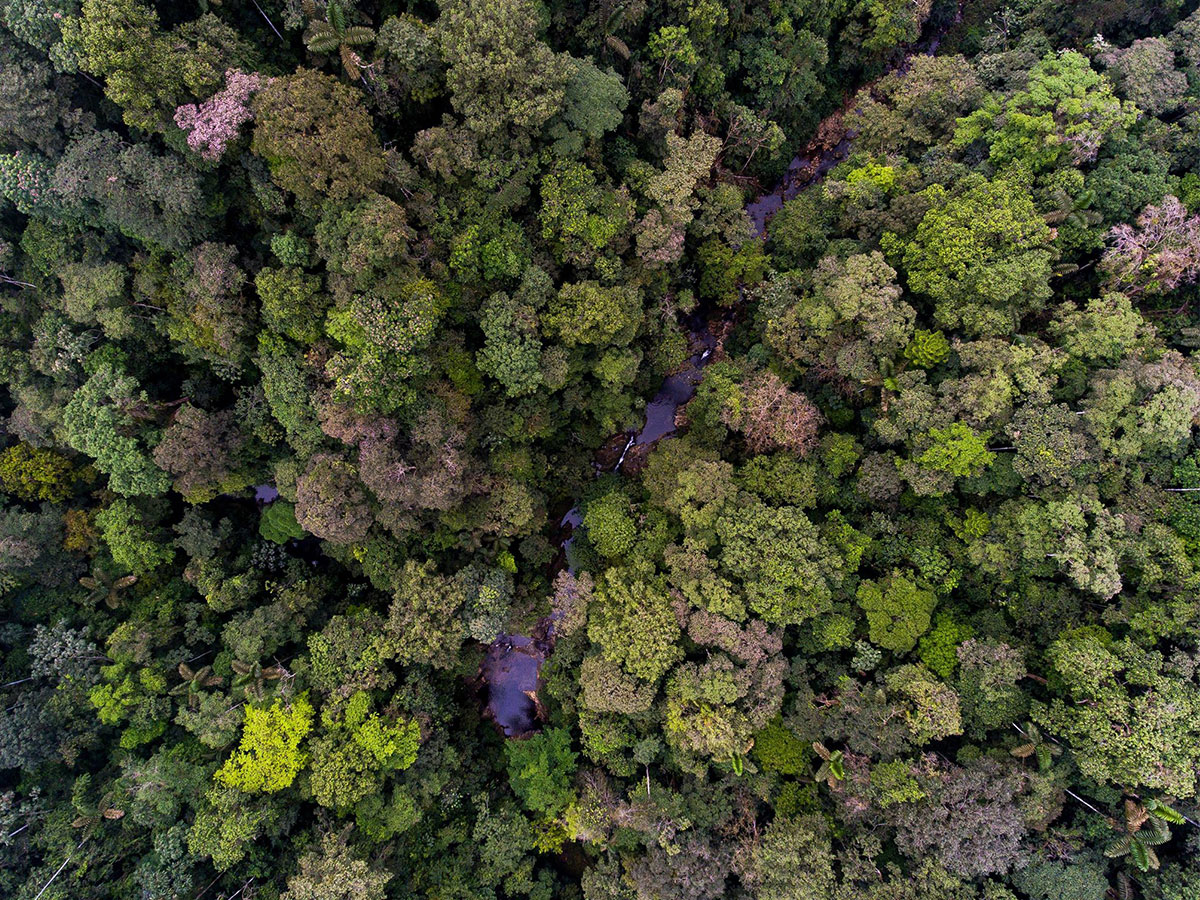

Habitat loss is the greatest threat facing wildlife worldwide. We believe that by protecting land, acre by acre, we are taking the best action to ensure a future for wildlife.
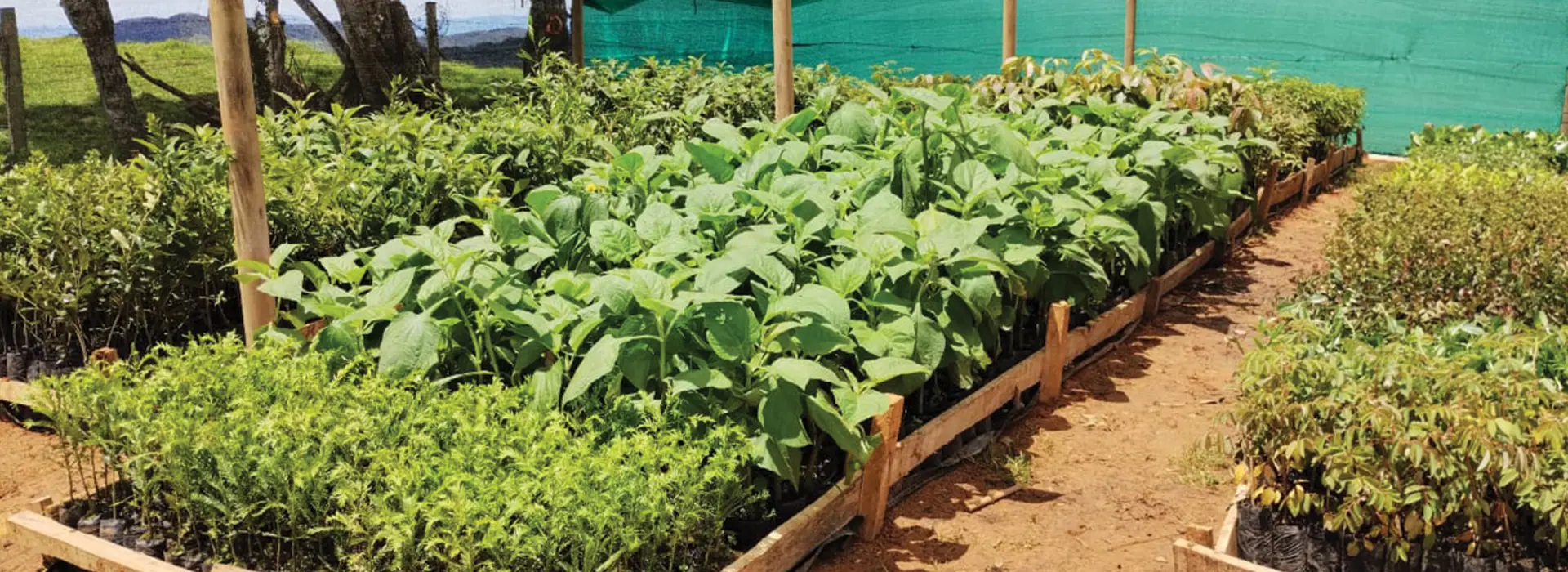

Reforestation is one of the main methods of restoring many damaged ecosystems, with Plant a Tree, you can bring vital forest habitats back to life.