Urgent Projects

World Land Trust supports a range of urgent conservation projects that need immediate funding. These include long running programmes such as Buy an Acre and Plant a Tree, as well as special appeals that respond to emerging threats to habitats and wildlife. The page also highlights vital projects that are currently without a dedicated funding, giving supporters the chance to make a direct and timely impact where it is needed most.

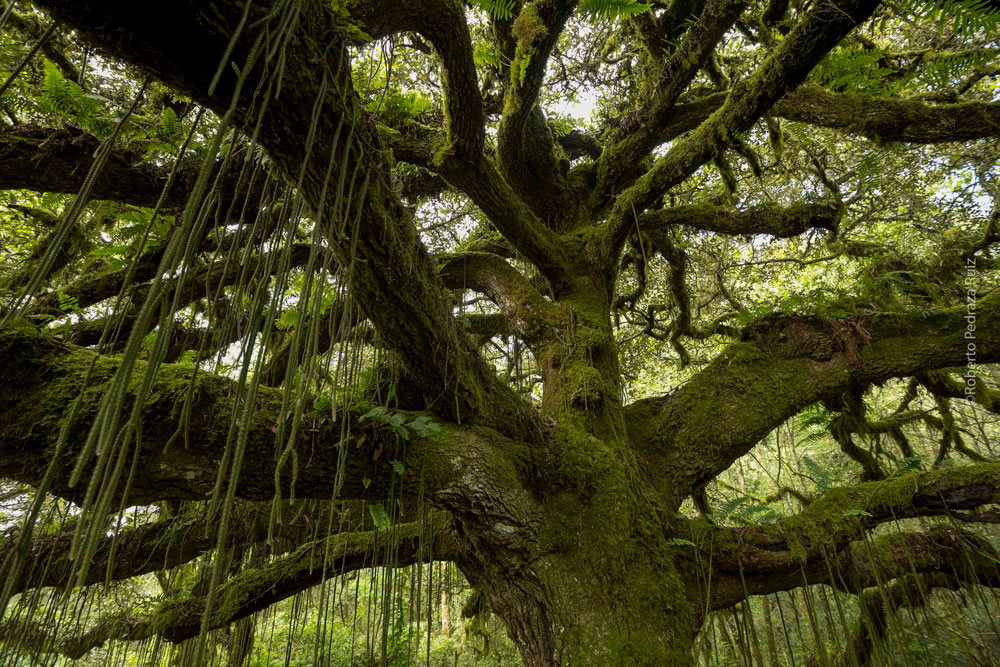
Oak tree, Mexico

North-central Mexico – Protecting Sierra Gorda

Carbon Balanced
Live project

This project covers approximately 10,000 Ha and brings together rangers and fire brigades to help protect more than 7,400 ha (18,200 acres) of Sierra Gorda reserves, while incentive programmes encourage forest owners to conserve a further 2,500 ha (6,100 acres) of land belonging to individual landholders or under Mexico’s unique ejido land tenancy system. WLT has supported GESG’s work in Sierra Gorda for many years, including funding land purchases and reserve protection activities...

Conservation Coast

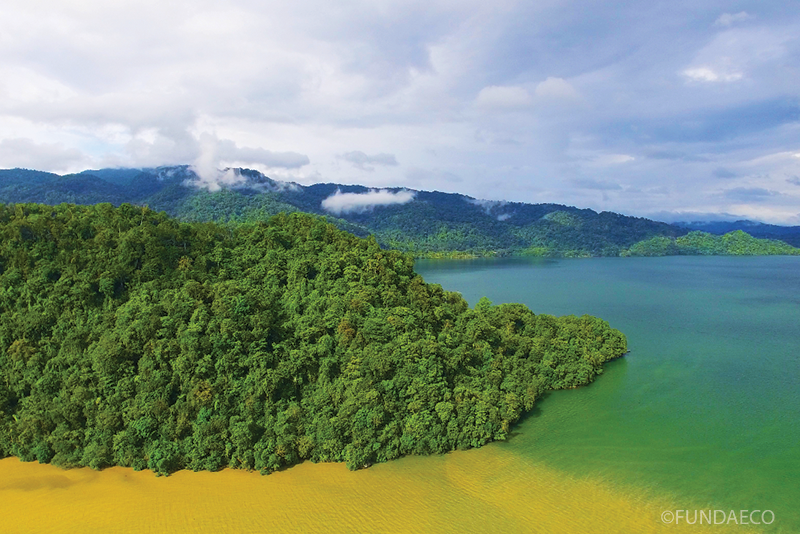
Caribbean Guatemala – Conservation Coast

Carbon Balanced
Live project

Guatemala’s Caribbean coastline lies within one of the most wildlife-rich regions on Earth, the Mesoamerica Biodiversity Hotspot. With a diverse mosaic of lowland and tropical forests, lagoons, and mangrove swamps, this coastline is home to many highly threatened species. Among these are the Endangered Yucatan Black Howler Monkey , Keel-billed Motmot , and the largest native land mammal in Central and South America, Baird’s Tapir.

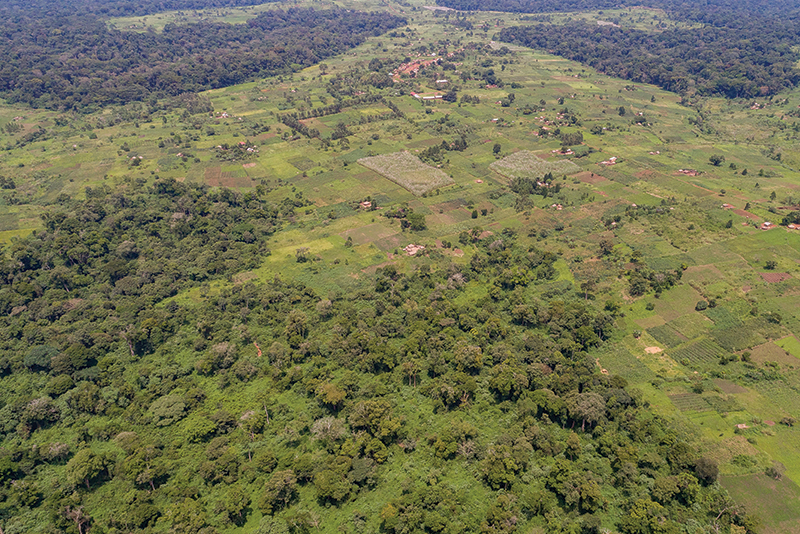
Bugoma-Wambabya Corridor, Uganda

Albertine Rift – Trees For Global Benefits

Carbon Balanced Reforestation
Live project

The Albertine Rift is an area of exceptional endemism, and contains many species threatened with global extinction, particularly within the mountain forest habitats. Within the project area, the native forests that make up the wider Bugoma-Budongo corridor are home to a staggering 52% of Africa’s bird species, 19% of its amphibians, 14% of its reptiles, and 14% of its plants.