Plant a Tree with WLT
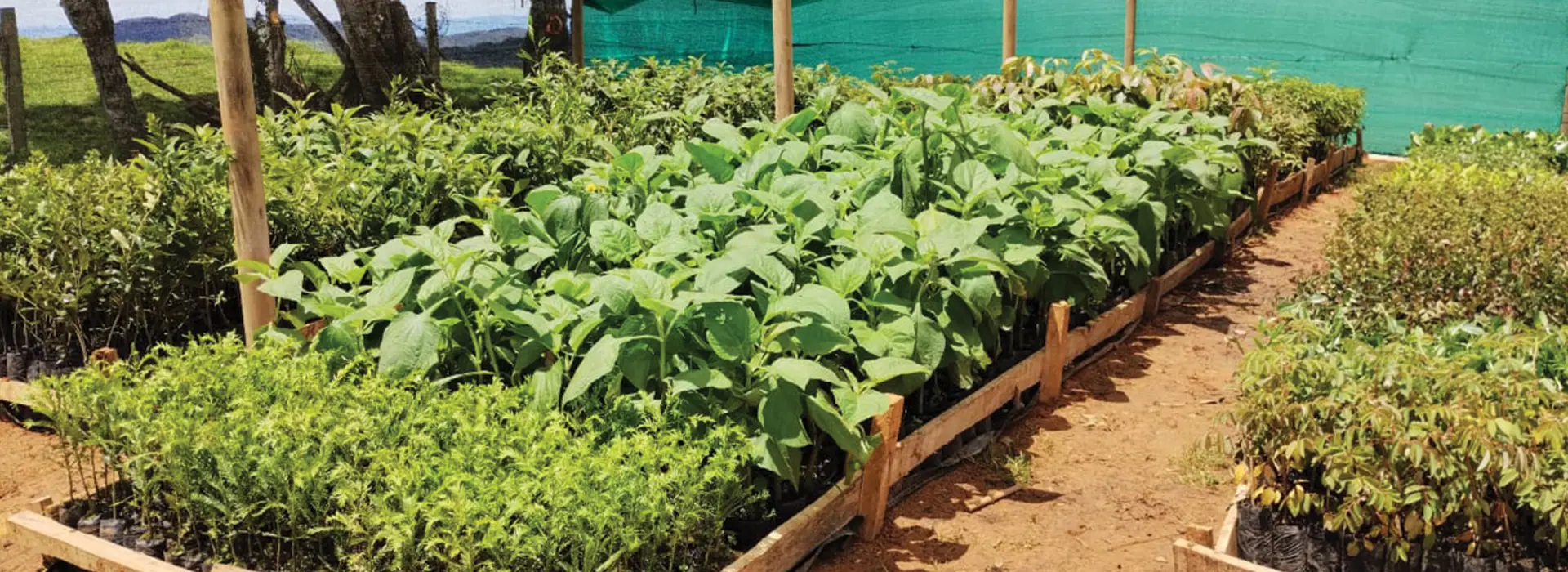
Once the World Land Trust (WLT) has helped its partner organisation create a protected nature reserve, it is sometimes necessary to improve or expand this forest habitat through tree planting. This new appeal will raise funds to initially plant trees in Brazil, but may be extended to other areas in South America.

Project aim
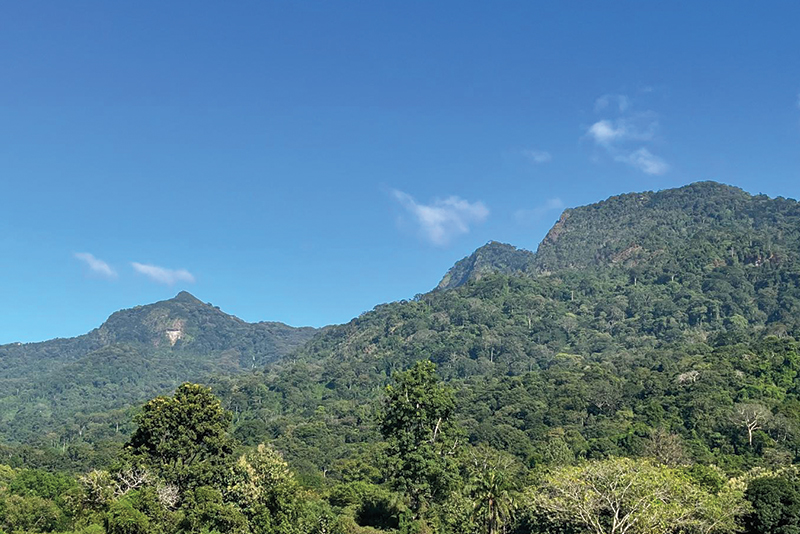
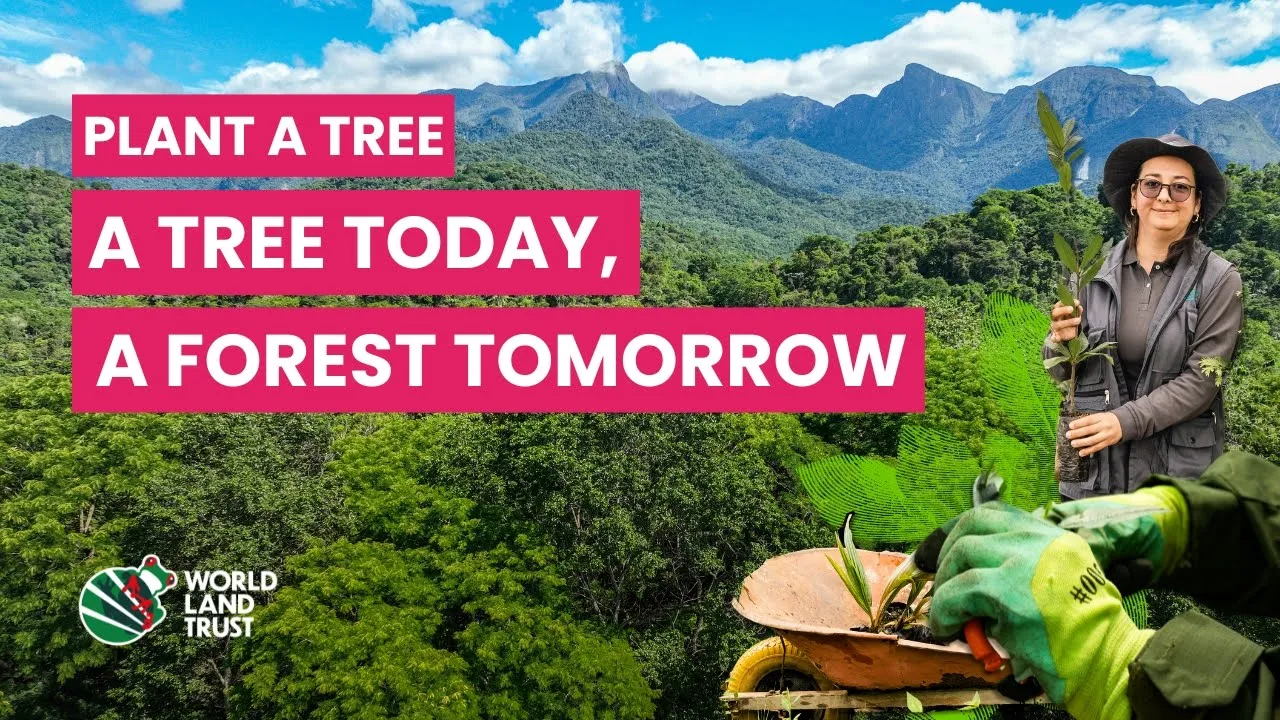
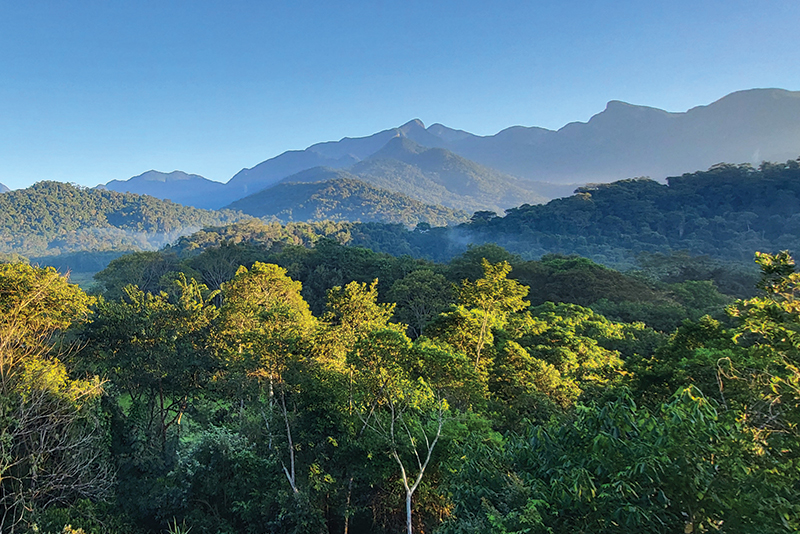
The Plant a Tree appeal aims to raise funds to plant more trees at the Guapi Assu Reserve, restoring and expanding the Atlantic Rainforest.
Partner: REGUA
Other projects in Brazil:
How the WLT is helping
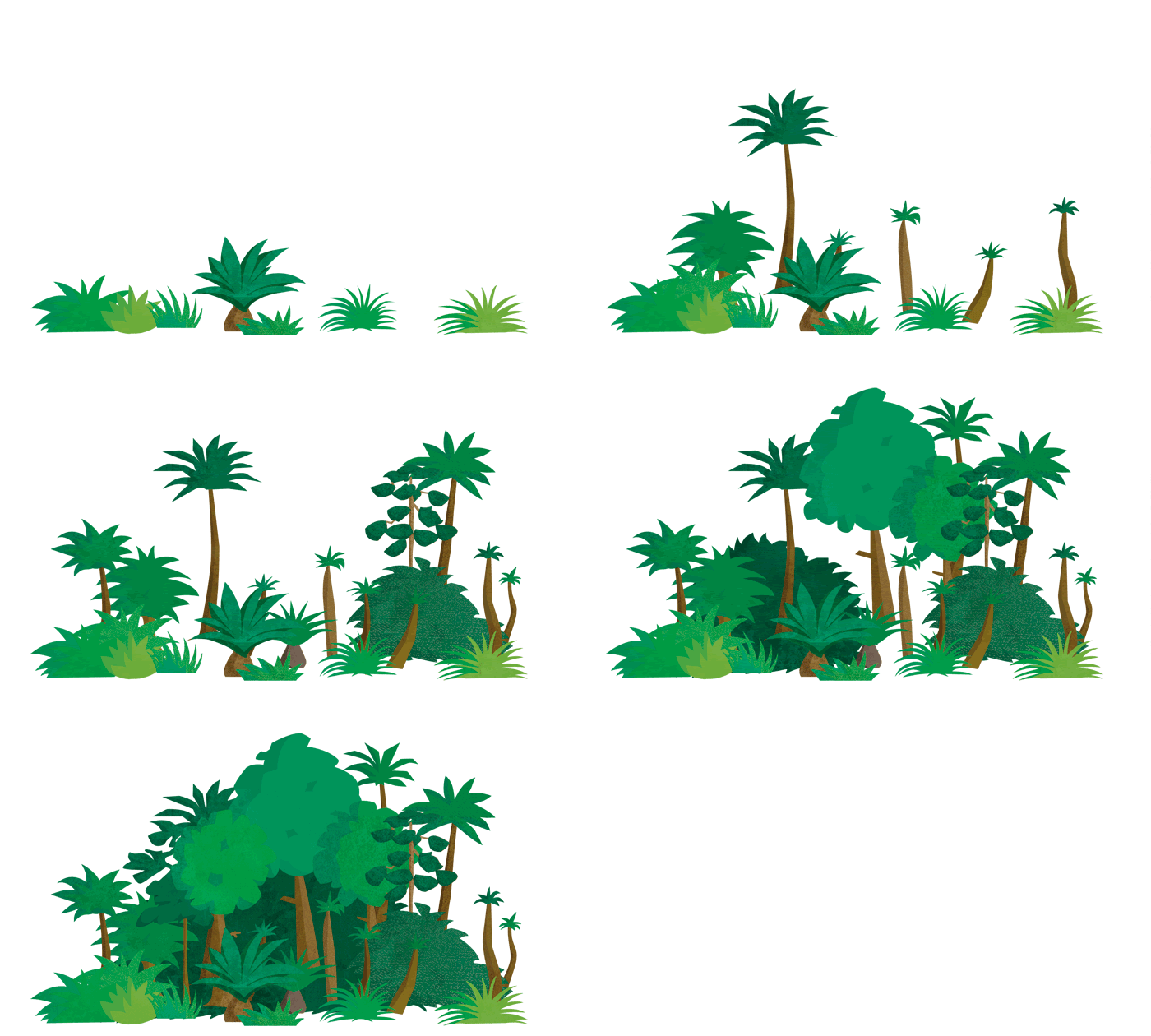
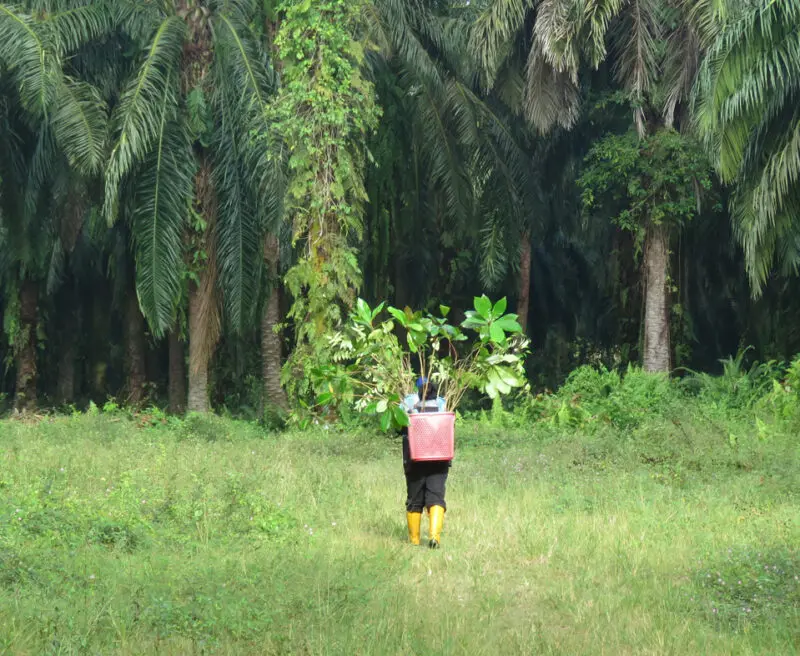
WLT’s partner organisations do more than just plant trees. They use a mixture of tree planting and assisted natural regeneration to protect and re-establish habitats.
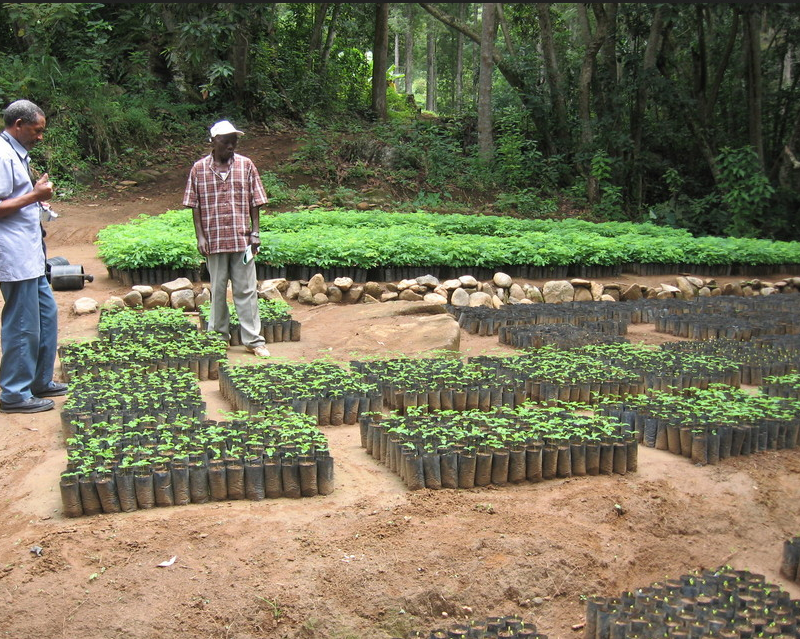
Habitats will naturally regenerate if certain barriers are removed or controlled, for example stopping cattle grazing, limiting fire, or removing invasive species. In areas where tree planting is needed, a mixture of native species are planted in a similar composition to the plants found growing naturally in the surrounding forests. Many of these trees provide a vital resource, such as fruits for rainforest animals. By replanting these species we hope to provide animals in nearby forests with enriched resources, improving their survival prospects.
Urgent funding needed
It costs just £5 to establish a native tropical tree to restore the Atlantic Rainforest of Brazil. If you donate £25 to plant 5 trees you can choose to recieve a personalised certificate
Donate to this project »
Biodiversity
All tree species are native to the area and many are fast growing species (pioneers) that will quickly out-compete invasive grasses.
Tree Species include:
Pioneer species: Anadenanthera macrocarpa, Cassia ferruginea, Tabebuia alba.
Non-pioneer species: Virola oleifera, Nectandra megapotamica, Euterpe edules.
Tree planting enables WLT’s partner organisations to join fragmented forests to one another, creating a contiguous habitat for larger ranging species, such as jaguars. For these animals, being able to roam is essential as it gives them room to forage and to avoid conflict with people. Linking fragmented areas of forest can also help to increase a species’ gene pool, by allowing separated populations to meet.
Mammals include: Jaguar (Panthera onca), Critically Endangered Woolly Spider Monkey (Muriqui Brachyteles).
Learn more about animals in our reserves »
Threats
Nature reserves funded by WLT are rich in biodiversity, yet much of the habitat has previously been degraded and fragmented by farming or building developments.
Small patches of fragmented forest are also very vulnerable; for example, the trees are often unable to defend themselves against non-native invading species. So even if this habitat is turned into a protected nature reserve, it will continue to degrade unless it is successfully managed.
Many tree planting projects fail because there is no strict maintenance and monitoring process in place to secure the long-term success of the reforestation. This is largely because it is labour intensive, time consuming, and costs money. But without a long-term maintenance plan, tree planting can be futile. All our partner organisations employ a competent maintenance and monitoring plan to ensure that the saplings grow well for at least ten years, after which the trees are deemed to be mature and any mortality incidences will be low.