

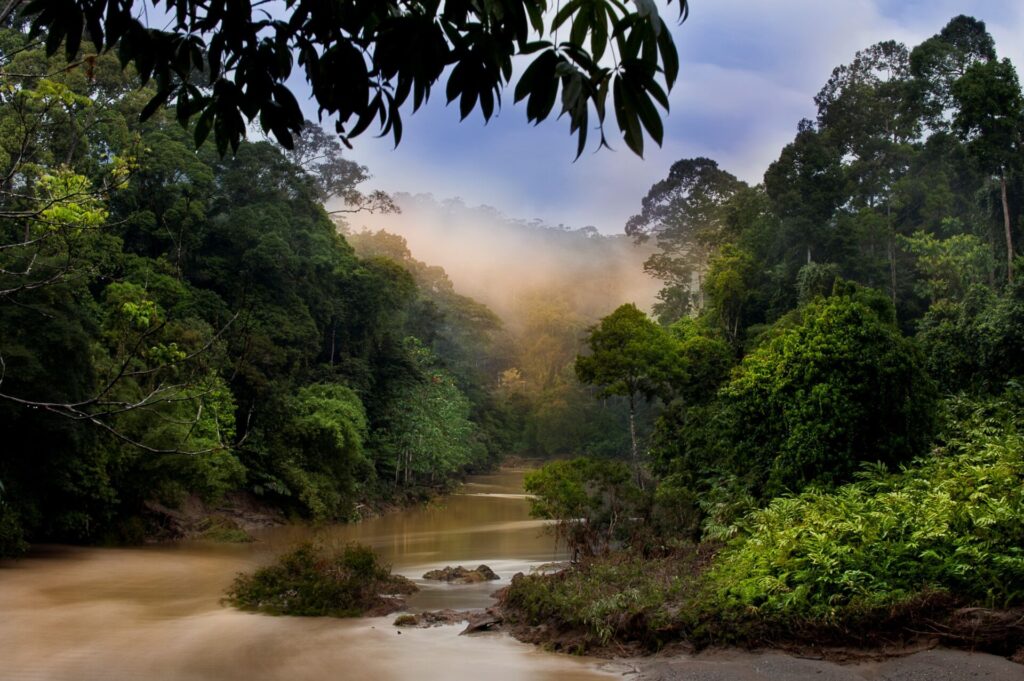
We are delighted to announce that the Kinabatangan region has been designated a UNESCO Biosphere Reserve. This is one of 26 new Biosphere Reserves created this October and covers 413,866 hectares (1.02 million acres) of forests, wetlands, and villages in Malaysia’s Kinabatangan region.
The reserve connects the Heart of Borneo, a transboundary rainforest conservation area, with the Lower Kinabatangan–Segama Wetlands. Together, these landscapes make up one of Southeast Asia’s last remaining lowland rainforest corridors, securing connectivity from inland forests all the way towards the coast.

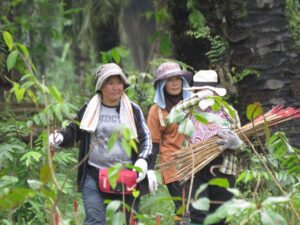
HUTAN’s all-women tree planting team restoring the Genting Wildlife Corridor within the Kinabatangan floodplain. Credit: HUTAN
Successful nomination
This designation comes after two years of work by our conservation partner HUTAN to put together an evidence-based Nomination Dossier for the reserve. This effort, coordinated by the Sabah Government’s Sabah Biodiversity Centre (SaBC), involved extensive consultations with government agencies, Indigenous and local communities, NGOs, and industrial stakeholders.
This dedication has now paid off with the nomination accepted at the 37th Session of the International Coordinating Council (ICC) of the Man and the Biosphere Programme (MAB) in Hangzhou, China.


The reserve’s designation aims to protect both wildlife and local cultures, including the Critically Endangered Orang Sungai dialect. Credit: Jamil Sinyor
A landscape rich in wildlife and culture
This designation represents an important step for the protection of some of Borneo’s most threatened species, including the Endangered Bornean Orangutan (Pongo pygmaeus), Sun Bear (Helarctos malayanus), and elusive Sunda Clouded Leopard (Neofelis diardi). The Kinabatangan River basin is also home to more than 315 bird species, alongside over 1,000 vascular plants.
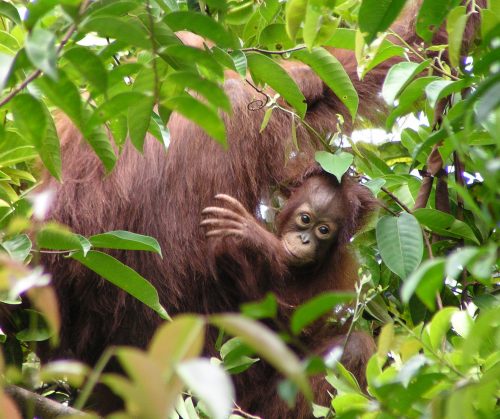
The Critically Endangered Bornean Orangutan is just one of many species that will be helped by this UNESCO Biosphere Reserve designation. Credit: HUTAN
The Kinabatangan is also the ancestral homeland of the Orang Sungai (“People of the River”), whose livelihoods, traditions, and language are deeply rooted in the river ecosystem. A key aim of the designation is to also help safeguard cultural heritage, including the Critically Endangered Orang Sungai dialect, recognised in UNESCO’s Atlas of the World’s Languages in Danger.
The fruits of collaboration
HUTAN has worked in the Kinabatangan for 29 years, undertaking research, community engagement, habitat restoration, and wildlife conservation across the Kinabatangan region. World Land Trust (WLT) has been supporting HUTAN’s mission here since 2008.

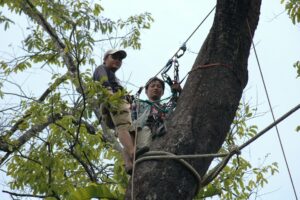
HUTAN has worked tirelessly to defend the Kinabatangan region over the past 29 years. In this photo, two wildlife wardens maintain an Orangutan bridge. Credit: Eddie Ahmad for HUTAN
Following the designation, Hutan has now been entrusted, through SaBC, to help lead the implementation of the Kinabatangan Biosphere Reserve Management Plan.
This management plan promotes an integrated landscape approach – ensuring conservation, sustainable development, and community wellbeing progress together. This will include:
- Restoring riparian forests and ecological corridors
- Supporting human–wildlife coexistence
- Developing community-based conservation and ecotourism
- Promoting more sustainable palm oil production
- Strengthening local livelihoods and cultural heritage
This recognition marks a major milestone for conservation in Sabah – and a renewed commitment to protecting one of the world’s most ecologically and culturally significant landscapes.
Act now to create more stories like this.